
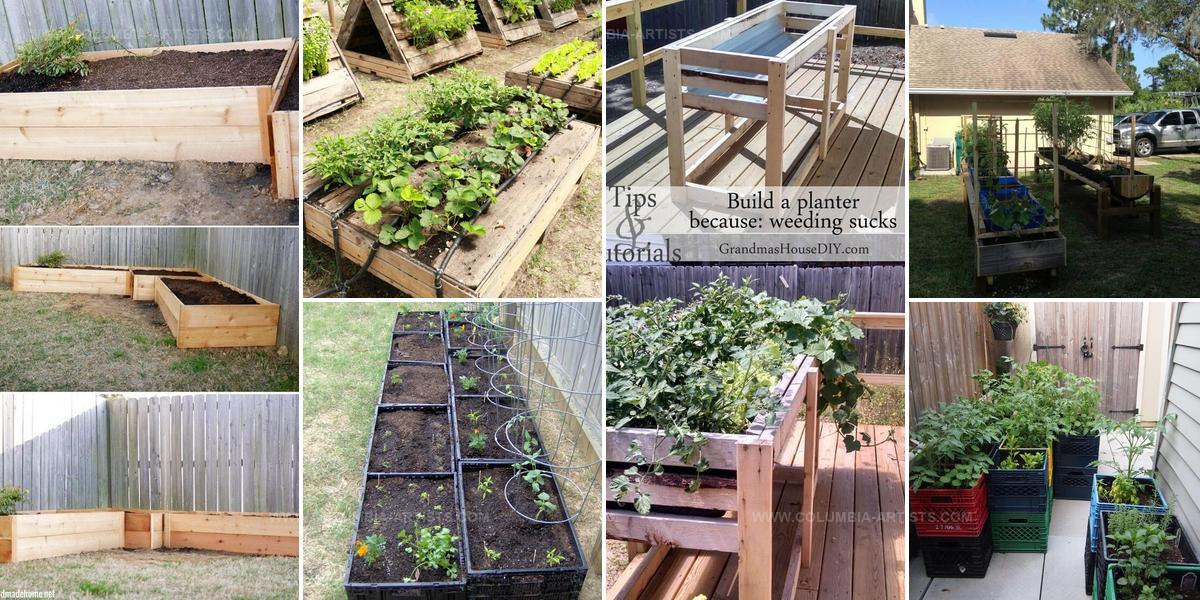
13 Cheap DIY Raised Garden Beds to Grow More
Building a raised garden bed doesn't require fancy carpentry skills or an expensive budget to achieve beautiful results.
Gardening at home becomes more accessible when simple construction methods meet affordable materials that anyone can handle with basic tools.
Fresh vegetables and flowers flourish in elevated soil that drains better and warms faster than traditional ground-level plots.
Reclaimed wood, concrete blocks, and galvanized metal offer budget-friendly options that look attractive while serving their practical purpose well.
The construction process takes just a few hours on most weekends, leaving plenty of time for planting and enjoying the outdoors.
Beginners often feel surprised at how manageable the assembly becomes once they see the straightforward steps involved.
Cinder Block Garden Beds
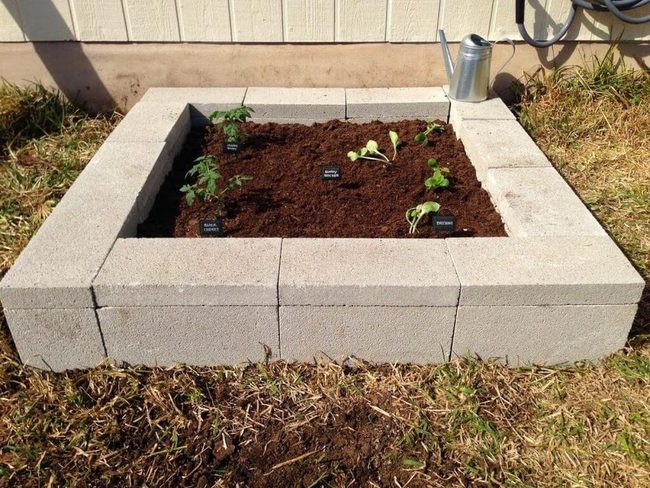
Stacking cinder blocks into a raised garden bed gives you an instant structured look that stands out in any yard, and topping them with concrete caps polishes the whole thing so it looks finished and intentional.
You can arrange the blocks however you want, whether that's a simple square or a longer rectangle, and then fill the space with soil right away so you're ready to plant.
Adding your favorite flowers or vegetables becomes straightforward since you control exactly what goes into the bed and how deep the soil sits.
This setup works well for beginners who haven't gardened before and for experienced growers wanting something low-maintenance.
Building one doesn't require special skills or expensive tools, which means almost anyone can tackle this project in an afternoon.
We like how this approach opens up gardening to people who might have limited space or want to avoid bending down to ground level.
Stackable Crates Garden Storage
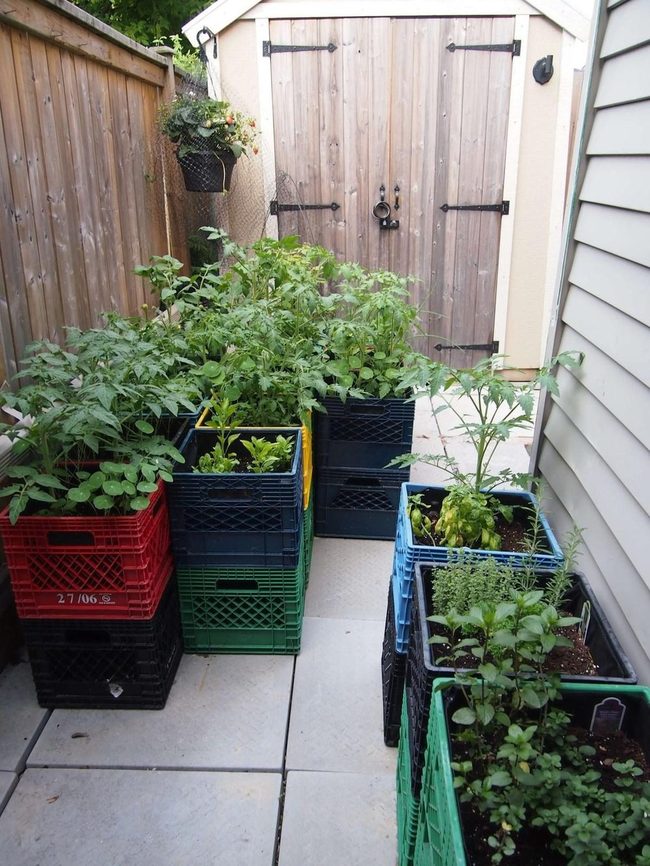
Milk crates stacked behind big box stores near recycling bins are surprisingly easy to grab if you need extra storage for your garden, and they work wonderfully in small spaces where you might not have much room to spare.
You can move these crates whenever you want, so shifting them around to follow the sun or adjust where your plants sit becomes effortless and practical.
Since you're building something from materials that might otherwise be thrown away, the whole setup feels more personal and connected to your own style.
Flexibility comes naturally when you use crates because rearranging takes just a few minutes and requires no tools or planning.
A nice touch is how this kind of DIY approach lets you adapt your setup whenever your plants need different light or when you want to try a new arrangement.
Building your garden space this way means you're making choices that match your needs rather than following rules set by someone else.
Vertical Garden Beds With Climbing Vines
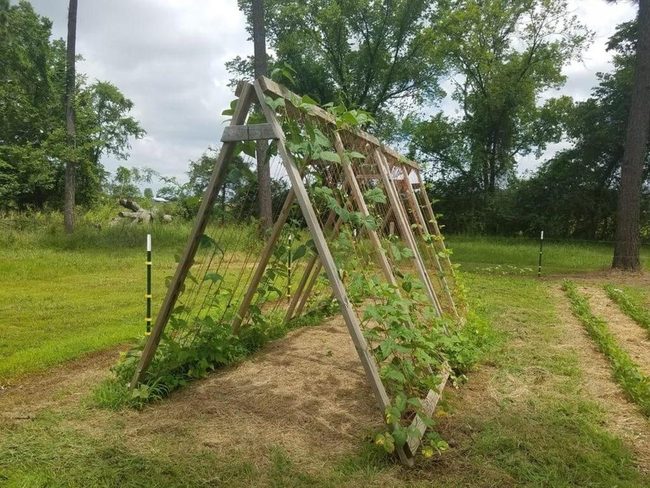
Trellis framing your raised garden bed adds instant height and lets you grow climbing plants like pole beans, tomatoes, and peas on sturdy vertical support.
Growing upward means you can fit more into a smaller footprint, and your garden becomes an attractive focal point in your outdoor space.
Even if you're working with limited ground area, this setup doesn't force you to choose between having a beautiful garden and getting a good harvest.
Climbing vines naturally draw the eye upward and create layers of greenery that make your backyard feel fuller and lusher.
You get practical benefits too; better air circulation around your plants and easier harvesting when everything is at a comfortable height.
This simple solution works hard for both looks and function, turning what might feel like a cramped corner into a productive growing zone.
When you add a trellis to your raised beds, you're gaining space efficiency and a garden that actually looks intentional rather than squeezed in.
Raised Garden Bed Diy
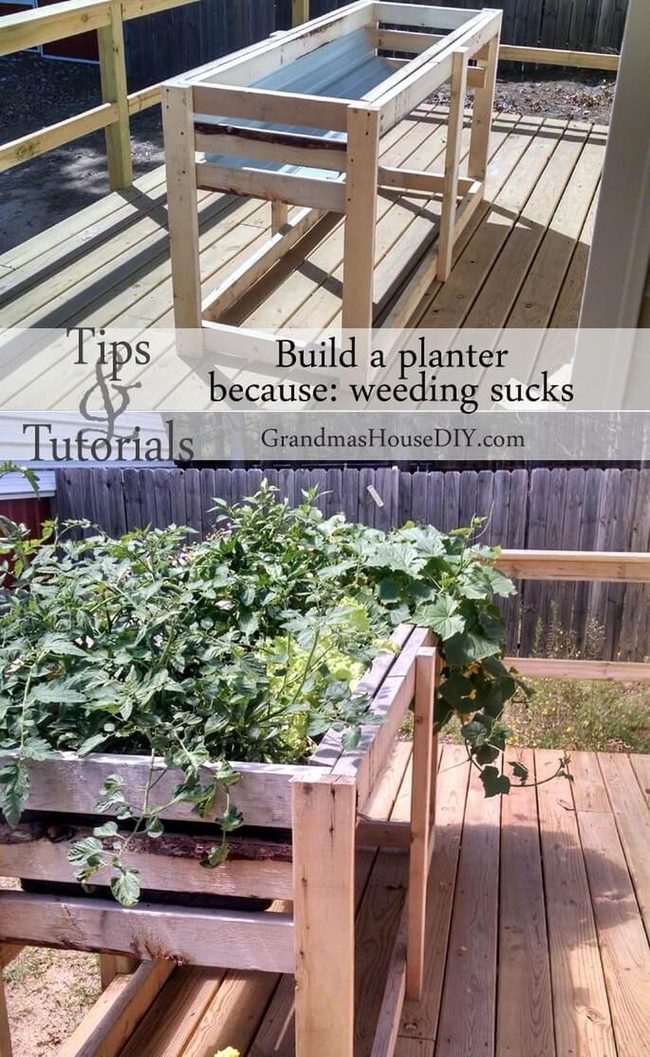
Building a raised garden bed during an afternoon project delivers satisfying results and saves you money while you're at it.
Wood pallets, standard 2x4s, or scrap lumber from around your home work perfectly for this job, and the finished bed brings genuine character to your yard while improving how your home looks from the street.
One of the best perks is that the elevated height keeps weeds from spreading as easily into your soil, and your back stays much more comfortable when you're bending and reaching during planting and weeding sessions.
Whether you're new to gardening or just want a budget-friendly upgrade, this simple project gives you a functional growing space that looks good and feels rewarding when you step back and see what you've built.
Stacked Wood Vegetable Tower
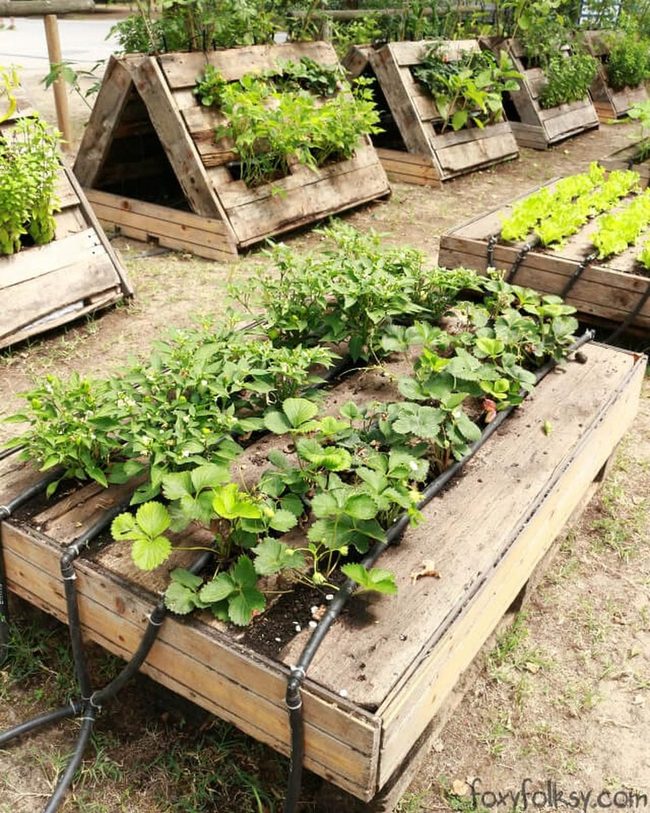
Wooden pallets cost nothing and sit around waiting to be repurposed, so building a pyramid-shaped garden bed from them gives you a striking structure that dominates your outdoor space and makes tending to plants straightforward since everything sits at an accessible height.
You can fill this tall tower with parsley, strawberries, eggplants, and tomatoes, mixing edible plants so your garden looks both productive and interesting.
Growing food this way adds real personality to your yard while keeping things simple and manageable.
Each level of the pyramid holds soil and plants, and you'll find that caring for your crops takes far less effort than bending down to ground-level beds.
We like how this design solves a practical problem while also looking distinctive in any outdoor setting.
Once it's built, you spend less time on maintenance and more time enjoying what grows.
Building one yourself means you save money and get exactly the garden setup you want.
Tiered Cedar Garden Bed
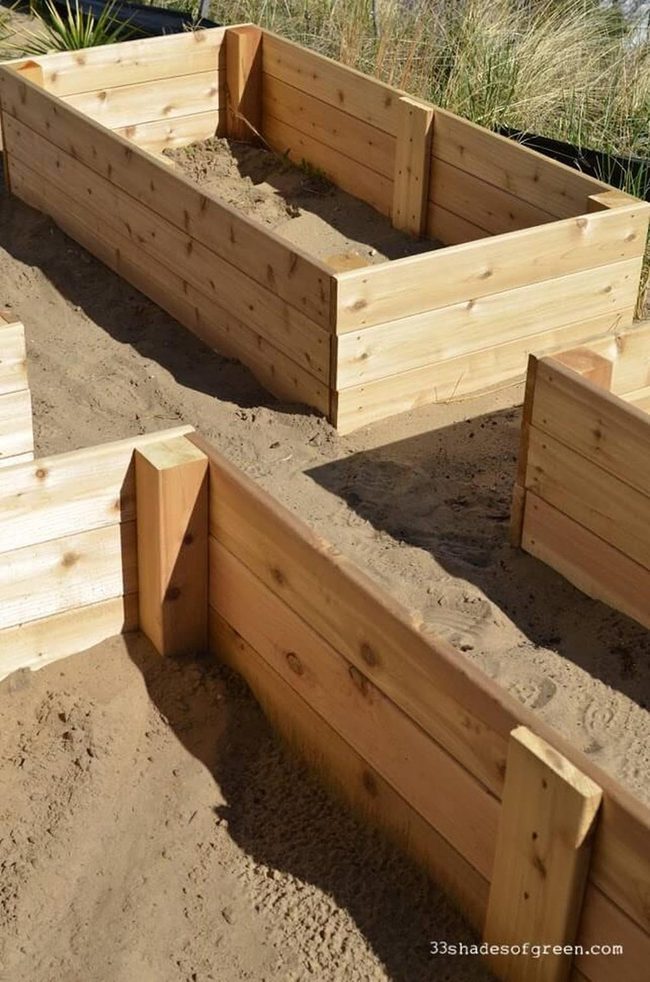
Cedar raised garden bed with three tiers makes your backyard look polished and puts plants at a height that keeps animals away while keeping your workspace comfortable for weeding and harvesting.
This is a practical way to enjoy watching greenery flourish in a space that feels both functional and beautiful, and the natural wood tones add warmth to any outdoor setting.
Building something like this means you're not just adding a planter to your yard but actually shaping how you'll interact with your garden every day.
Visitors notice the neat appearance right away, and over time you'll see how much easier gardening becomes when everything is within arm's reach.
The structure itself lasts for years when you use durable materials like cedar, so your investment keeps paying off season after season.
Whether you're growing vegetables, herbs, or flowers, this kind of setup turns an ordinary backyard into somewhere you genuinely want to spend your time.
Elevated Garden Bed Functionality
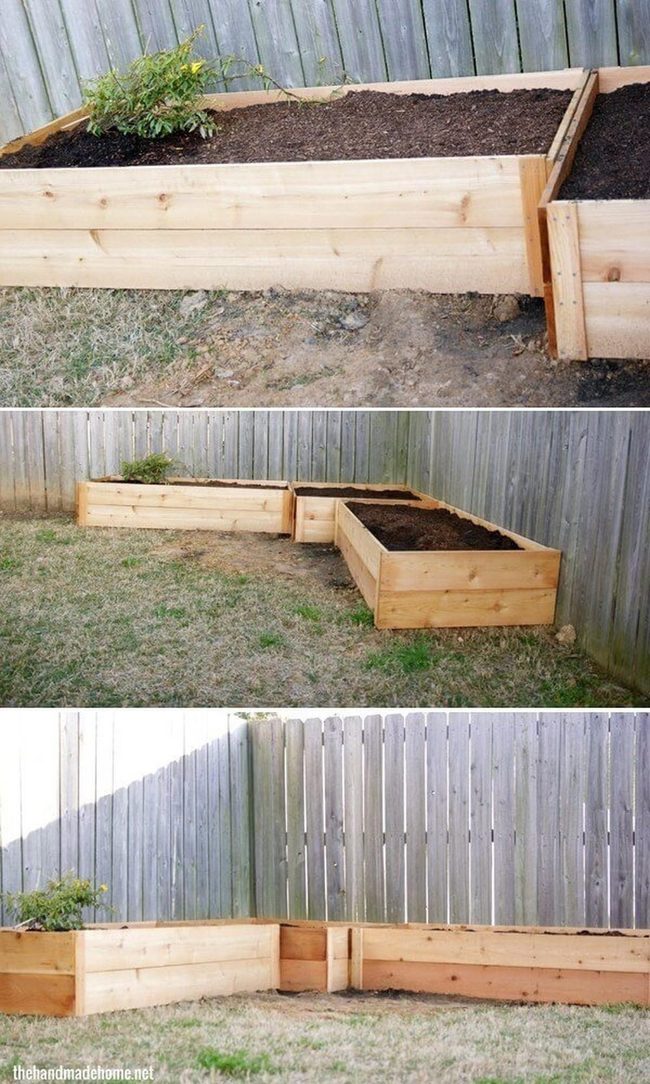
Position a raised garden bed along your privacy fence to make your outdoor space both more beautiful and more useful.
This setup maximizes what you have available while keeping everything neat and organized.
Maintenance becomes so much easier when you can reach your plants without bending down to ground level, and you'll spend less time fighting with soil preparation.
Growing fresh flowers or vegetables becomes a real pleasure instead of a chore when the bed sits at a comfortable height.
Your back will thank you after just a few seasons of gardening this way.
Plus, the structure adds visual interest to any backyard and fills empty spaces along fences that might otherwise look bare.
Bright Yellow Raised Garden Box
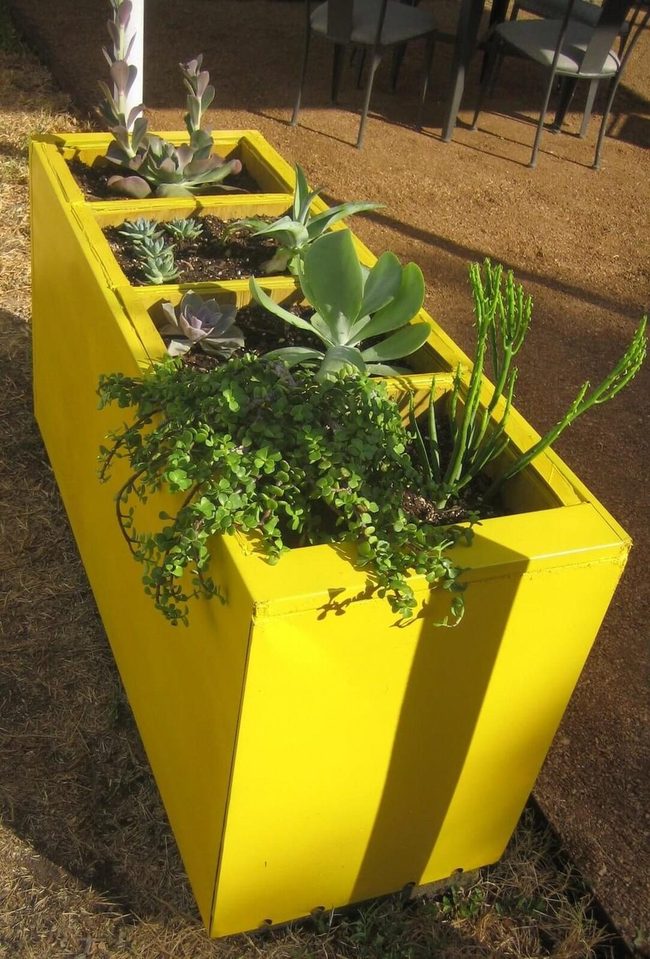
Bright yellow boxed garden can absolutely become the standout feature in your backyard, and its bold color demands attention the moment you step outside.
Inside this eye-catching structure, you can grow all sorts of plants and watch your space come alive with greenery.
A nice touch is how the four-part design makes it simple to separate different plants and keep everything organized without stress.
You won't have to bend down as much since the raised height brings your garden closer to you, and this same elevation also protects your plants from rabbits and other garden visitors.
Tending to your plants becomes easier when they're at a comfortable level, so you can spend more time enjoying your garden and less time struggling with back pain.
This kind of setup works well whether you're planting vegetables, herbs, or flowers, and the yellow color continues to pop against any landscape you have.
Geometric Raised Bed Garden
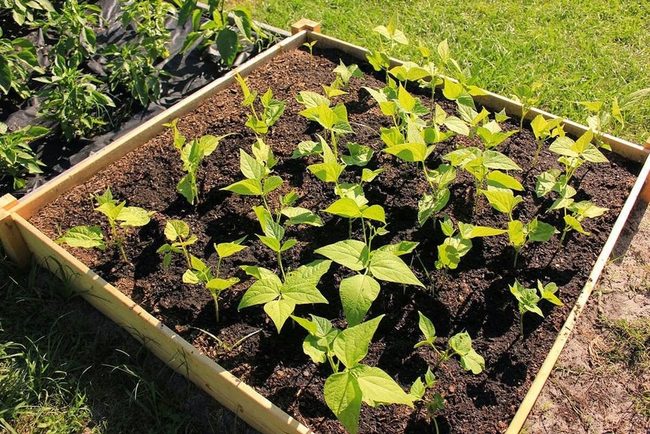
Raised garden bed with its striking geometric shape becomes an instant focal point in any yard, whether you position it as a central feature along your fence or tuck it into a corner for subtle charm.
You can add a simple chicken wire fence around the perimeter to shield your growing plants from hungry wildlife and wandering pets.
This straightforward design makes it easy to grow fresh vegetables and flowers without the fuss of traditional ground gardening.
Raised beds warm up faster in spring and drain better than regular soil, so your plants thrive with less effort on your part.
A nice touch is how this basic setup fits naturally into almost any outdoor space, from small patios to sprawling yards.
You'll find yourself harvesting homegrown produce and enjoying fresh-cut flowers within weeks of planting.
The whole project takes just a weekend to build and transforms how you garden at home.
Stacked Crates Growing Fresh Vegetables
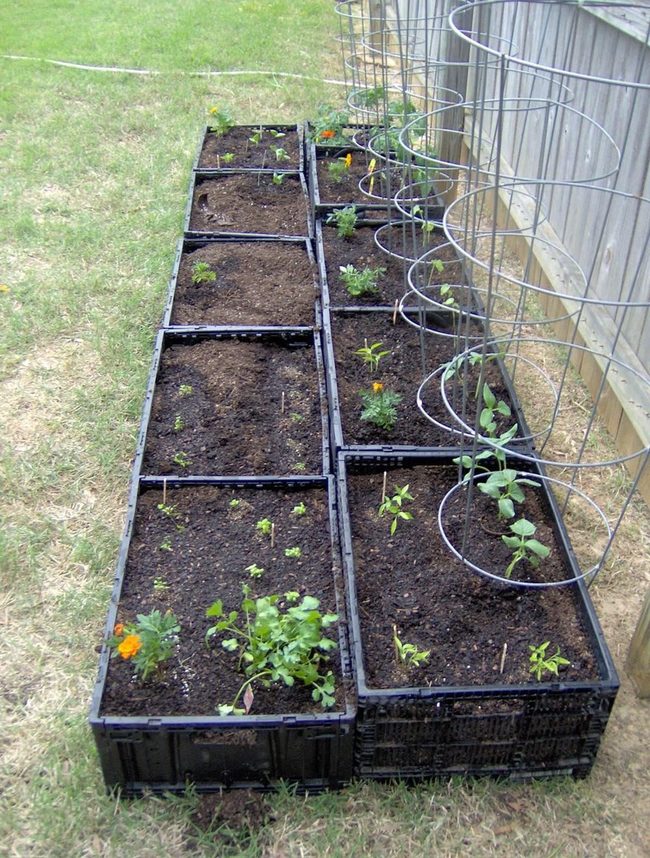
Stacked plastic crates lined with soil become a working garden that produces real vegetables and flowers right in your yard or on a patio.
Building one takes just a few minutes since you stack the crates, add dirt, and plant whatever you want to grow.
You can fit this type of garden into almost any outdoor space, from a small balcony to a larger backyard area.
Once everything is in place, the plants begin growing with minimal effort on your part.
Gardening becomes something anyone can do without needing special skills or tools.
Even beginners find success with this approach since the process stays straightforward from start to finish.
Raised Wood And Metal Garden Box
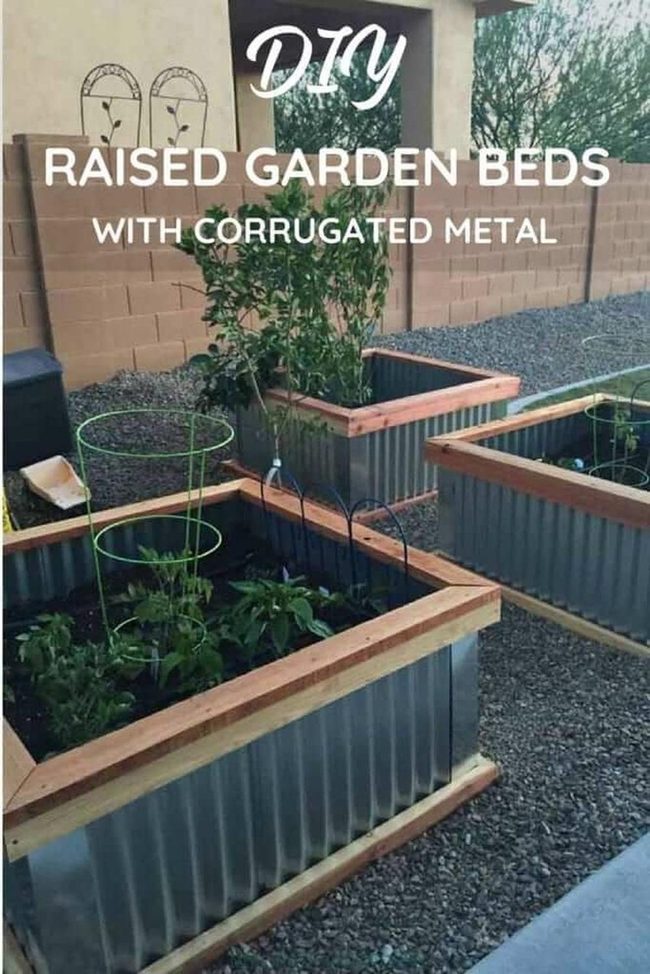
Building a raised garden bed with sturdy wood framing and corrugated metal in the center offers both style and function that works for anyone who gardens, whether you're just starting out or have years of experience.
You can size it however you want to fit your yard, and many people add multiple beds when they want more space for growing things.
Gardeners love how this design looks while still being practical for daily use.
Making your own garden box adds a personal touch to the whole experience and makes you enjoy the work even more.
You're not stuck with one option either; adjust the shape, height, or materials based on what appeals to you and what you have available.
It's the kind of project that feels rewarding because you built something useful with your own hands.
Whether you go with a simple single bed or create a whole garden section with several boxes, this approach gives your outdoor space real character and purpose.
Self-Watering Container Garden For Tight Spaces
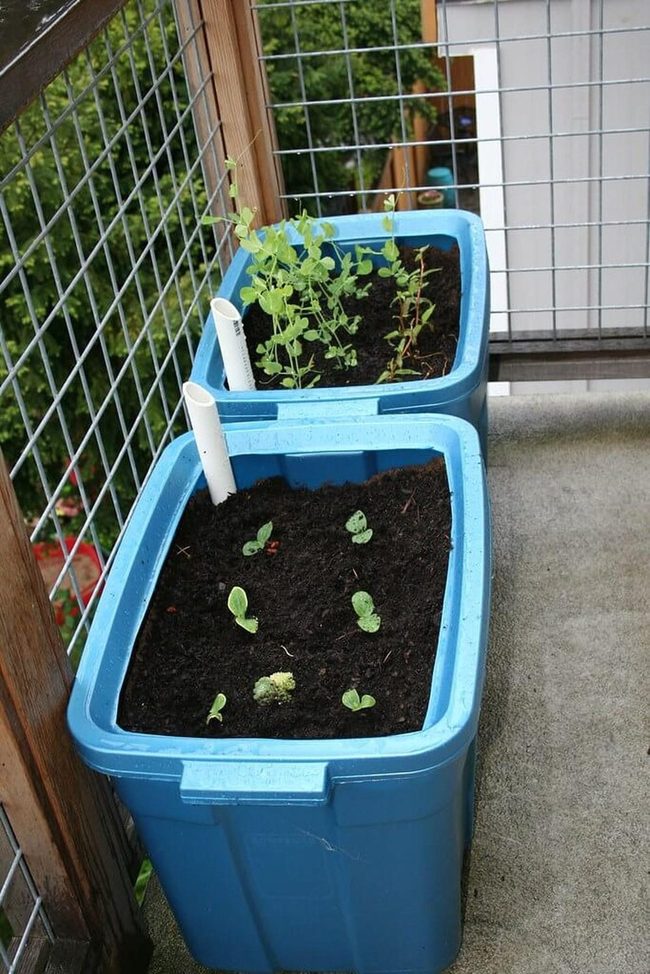
Container garden that waters itself from the bottom up solves the puzzle of gardening in tight spaces or neighborhoods with strict rules, and it does so while looking great in your yard.
Water travels up through the soil to feed your plants, so you spend less time fussing and more time enjoying fresh greenery around your home.
Since it sits in a compact raised design, you can place it almost anywhere; a patio, porch, or corner that needs some life.
This setup works with busy schedules because maintaining it takes minimal effort on your part.
You have every reason to grow herbs, vegetables, or flowers without wrestling with traditional garden beds or complicated watering systems.
Best of all, adding one of these containers to your outdoor space brings both function and beauty together in one simple solution.
Vertical Garden Space Saver
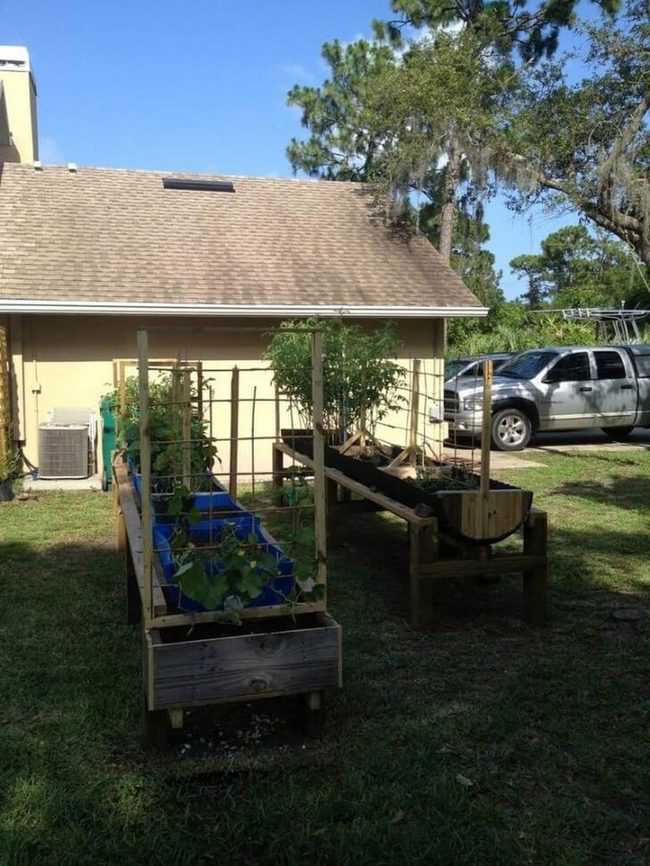
Growing your own garden becomes straightforward when you work with smart structures like a vegetable table that keeps your plants neat and saves valuable space.
A nice touch is how a trellis lets plants climb upward and opens up room below for additional greenery, so you get more harvests from less area.
Busy schedules work well with this approach since the setup needs minimal care throughout the season.
Raised beds and elevated designs add polish to your outdoor space while staying simple to maintain.
You won't need special skills or lots of time to set this up and watch it thrive.
Many gardeners find that vertical growing systems fit naturally into tight yards and balconies.
Starting small and building from there makes the whole experience enjoyable and stress-free.
Sophia Williams
Content Specialist & Design Enthusiast
Expertise
Content Creation for Interior Design, Modern & Contemporary Decor, Sustainable Design Practices, Space Planning, Color Consultation, Home Styling Tips, DIY Home Projects, Trend Analysis, Audience Engagement
Education
Florence Design Academy (Florence, Italy)
KLC School of Design (London, UK)
Sophia Williams, Lead Editor at columbia-artists.com, specializes in making design simple and accessible. She studied at Florence Design Academy and earned a Certificate in Interior Decoration from KLC School of Design in London.
With 5 years of experience, Sophia has worked with design publications and industry experts, helping readers bring their ideas to life. She focuses on practical tips, styling tricks, and DIY projects to make decorating fun for everyone.
In her free time, she enjoys flea markets, upcycling furniture, and exploring sustainable design.