
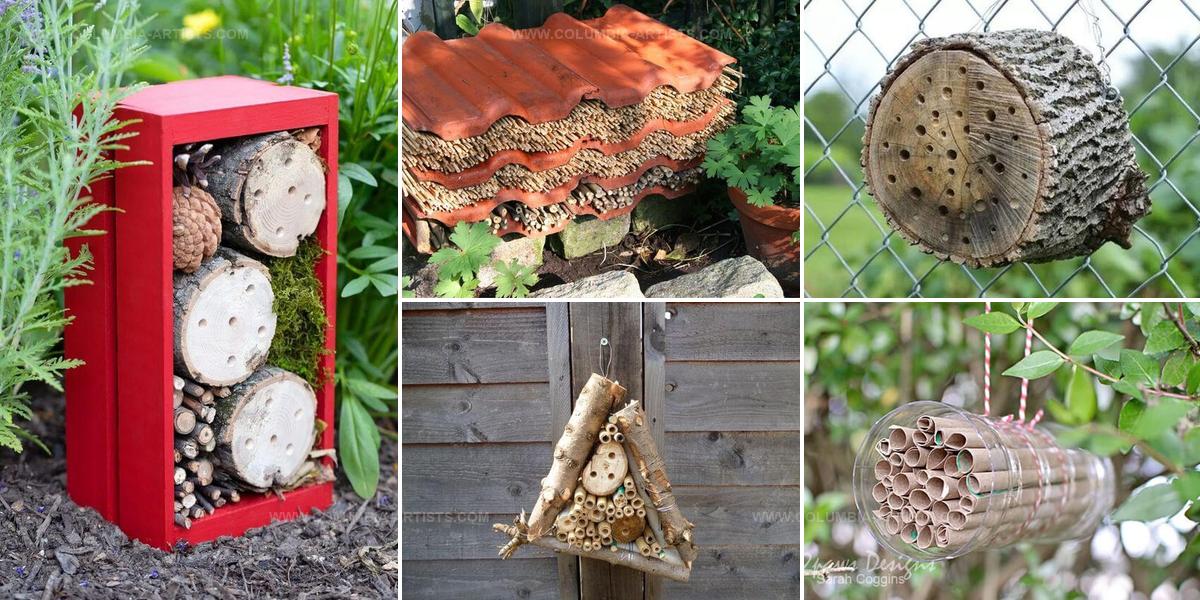
20 DIY Bug Hotel Ideas That Support Garden Wildlife
Bug hotels offer small insects and beneficial creatures a cozy shelter right in your backyard space.
Pollinators like bees, helpful beetles, and ladybugs all need safe spots to rest and reproduce during different seasons.
Gardens thrive when diverse wildlife finds a home among plants and flowers.
Building an insect sanctuary sounds complicated, but the process is surprisingly simple using materials already lying around most homes.
Old wood, hollow stems, pinecones, and even broken clay pots become perfect components for welcoming tiny visitors.
You can design something small for a balcony or construct an elaborate structure for larger outdoor areas.
Making a habitat for helpful bugs means you contribute to a healthier, more balanced ecosystem while enjoying a fun project.
Wooden Tower For Pollinating Insects
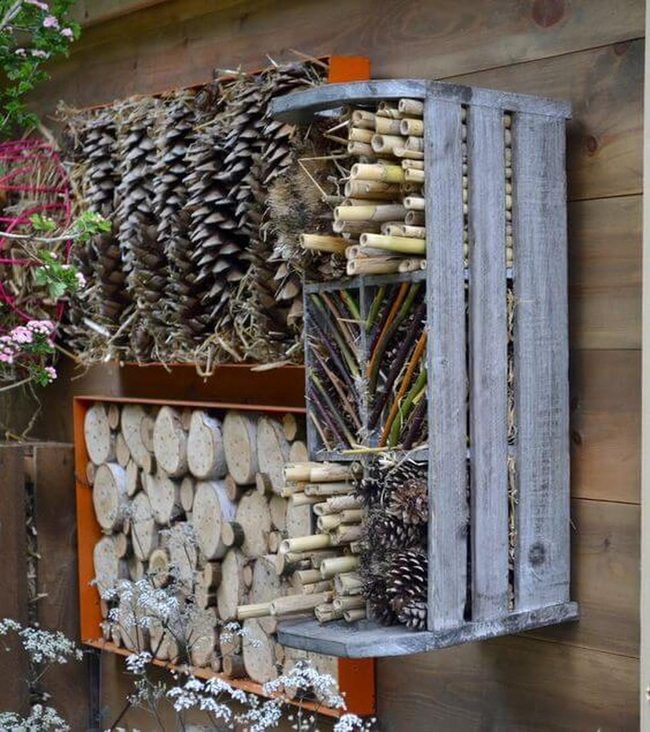
Large bug hotels become standout features in any yard, with their towering wooden frames packed full of natural materials that immediately catch attention.
Bamboo tubes, pinecones, and loose straw fill different compartments, and you can actually see insects moving in and out throughout the day.
Because different bugs need different homes, each section houses a specific material to support various species like bees, beetles, and butterflies.
When you place one of these structures in your garden, pollinators move in and help your plants thrive through better fruit and seed production.
Beyond the practical benefits, a bug hotel brings an educational touch to your outdoor area and sparks conversations with visitors.
Building or installing one shows that you care about local wildlife and the health of your garden ecosystem.
It's a straightforward way to support nature while adding something visually interesting that you can observe season after season.
Stacked Wood Insect Home
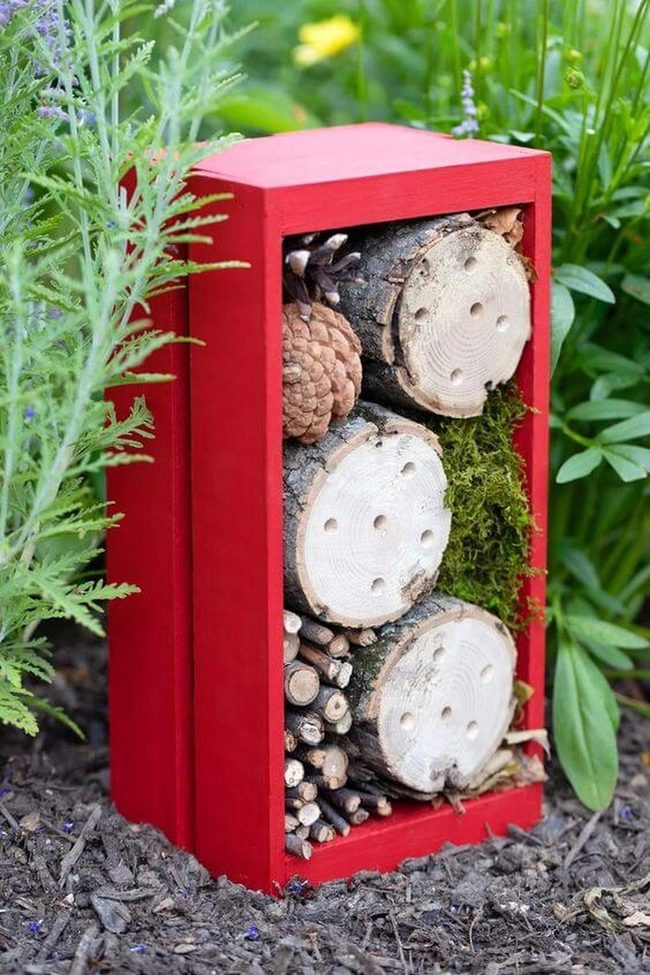
Stacked wooden boxes filled with pine cones, moss, and hollow stems create a striking structure that draws immediate attention in any garden space.
You can watch bees and ladybugs move in and out of these little homes, and they'll get busy pollinating your plants and keeping pests under control naturally.
Natural materials like wood and moss work best, so gathering what you already have on hand keeps things simple and budget-friendly.
Building one yourself deepens your appreciation for how nature works and connects you directly to the ecosystem right outside your door.
Your garden becomes healthier when these helpful insects have safe places to live and reproduce.
Plus, watching the activity that happens around a bug hotel teaches you something new about the creatures sharing your outdoor space.
Painted Wooden Bee Houses
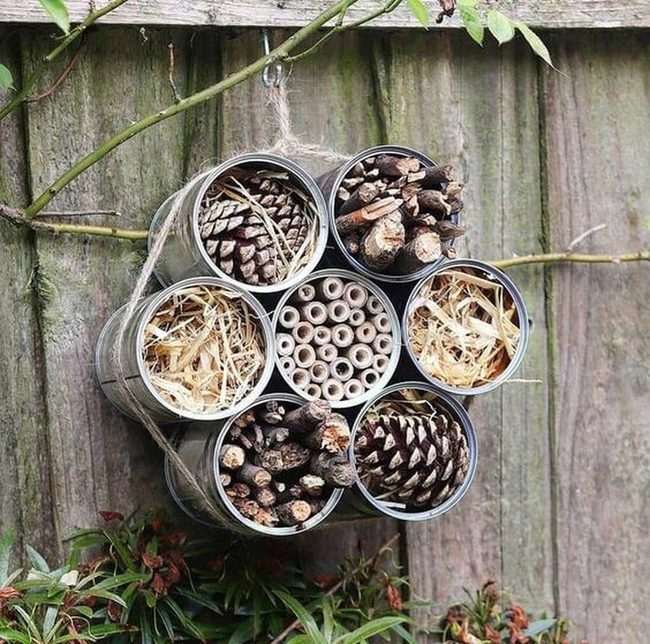
Bee houses made from natural materials and painted with bright colors stand out as genuine art pieces in any garden space, and they transform a simple corner into something special that catches attention right away.
When you watch bees moving in and out of their new home, you hear their gentle humming sounds mixing with the garden around you, which brings a peaceful quality to the whole area.
Beyond just being useful for helping pollinators do their job, these handmade structures remind us daily that nature holds real beauty worth protecting.
Building one yourself connects you to the work of supporting these important insects while also giving your outdoor space something distinctive and homemade that feels rewarding.
It's one of those projects where function and beauty sit side by side, making your garden both more alive and more visually interesting at the same time.
Hollow Stem Insect Shelter
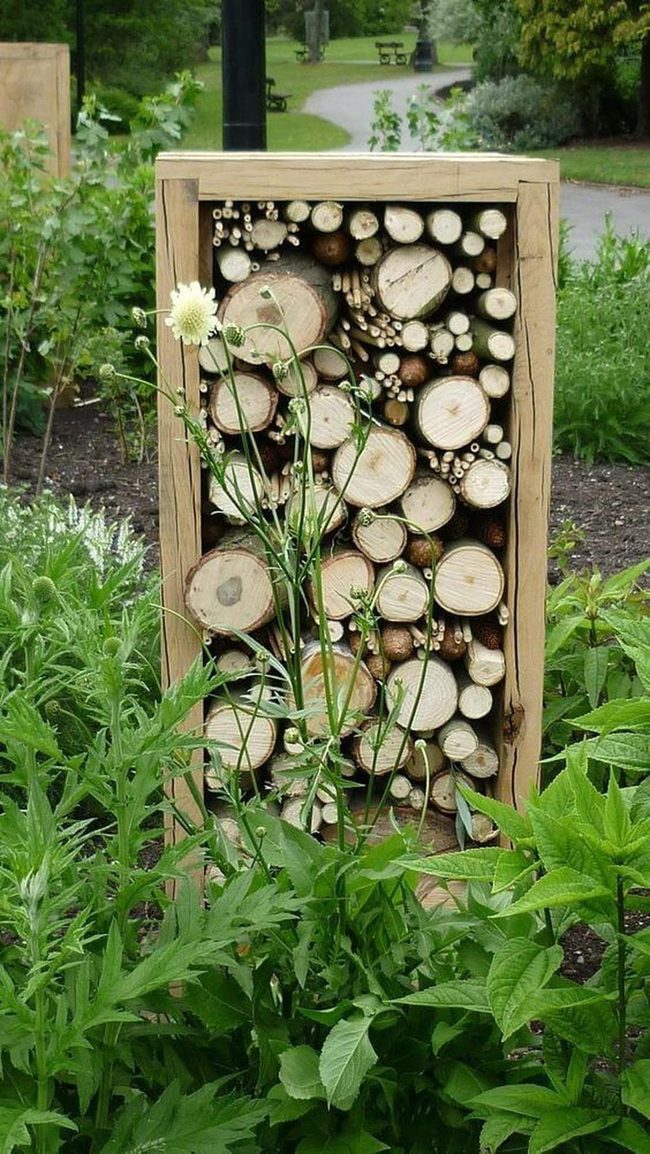
Building a bug hotel in your garden brings in an amazing array of insects that you'll enjoy watching and your plants will benefit from.
Stacked wood, hollow tubes, and layered leaves create visible shelters where bees, beetles, and ladybugs move in and make themselves at home.
When you pack these materials into a wooden frame or repurposed container, you're basically rolling out the welcome mat for creatures that pollinate flowers and eat garden pests.
Observing what happens when these insects settle in teaches you so much about how nature works and keeps your plants healthier without extra effort.
Twigs, bark, and dried grass give insects exactly what they need to survive and reproduce nearby.
You can build one from scraps you already have around your yard, which means helping local wildlife costs you almost nothing.
Watching bees and other helpful insects move through your structure connects you directly to the natural systems that make gardening possible.
Wooden Birdhouses Garden Habitat
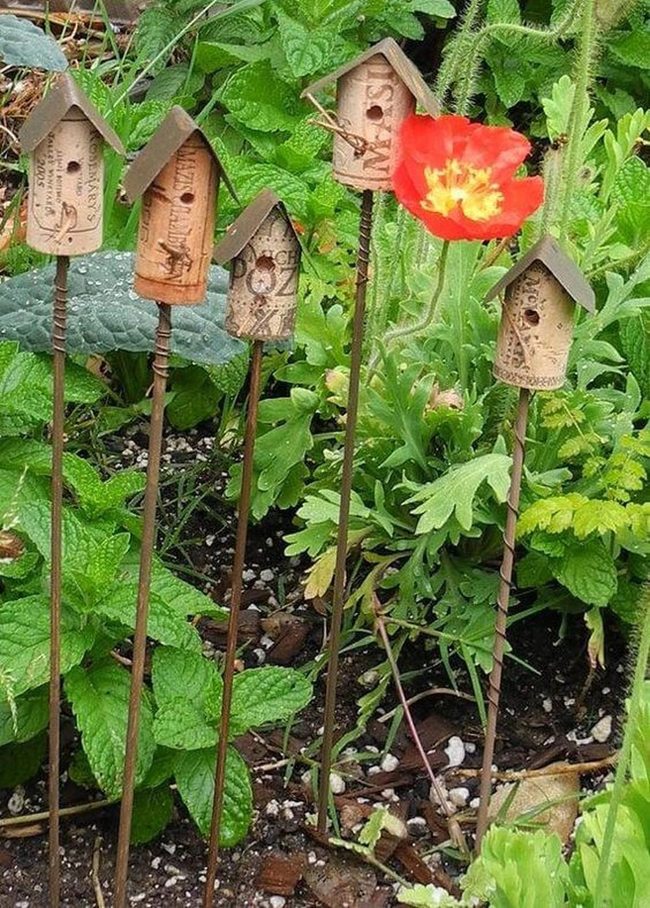
Birdhouses scattered throughout your garden bring charming character to outdoor spaces while serving as functional homes for feathered visitors.
These small wooden structures stand out beautifully among plants and flowers, and they attract different bird species that keep your garden lively all year long.
You can craft birdhouses from natural materials, which lets your creativity shine while supporting your local wildlife ecosystem.
Beyond birds, building a bug hotel from recycled wood scraps and bamboo sticks welcomes beneficial insects like bees and ladybugs into your outdoor area.
Pollinators need places to shelter, and this simple structure gives them exactly that while boosting your garden's health.
Positioning these elements around your space encourages nature to visit regularly, and as you look closer, you can see increased activity as seasons change.
Both projects work with minimal effort and maximum reward, turning your garden into a thriving habitat that you can observe and enjoy from your porch or patio.
Pine Cone Insect Hotel
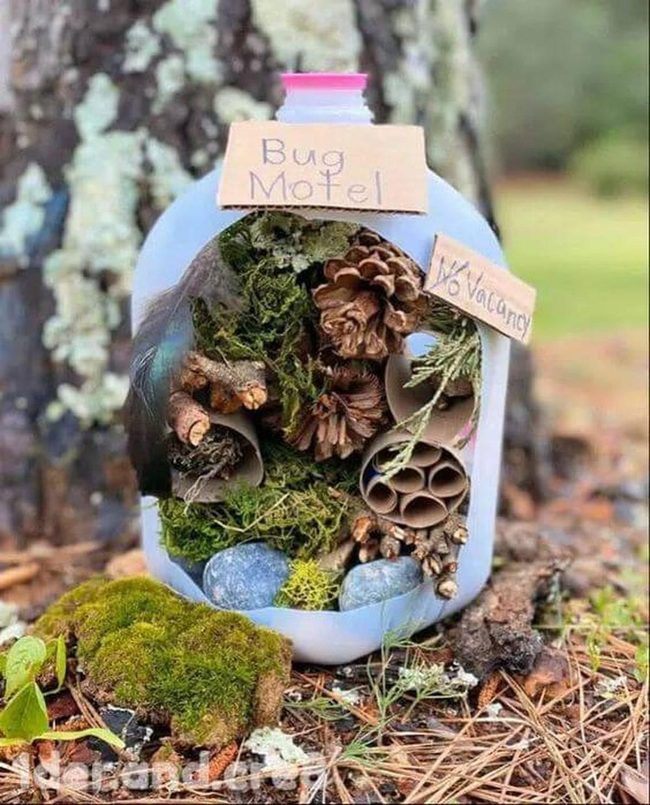
Structure made from pine cones, cardboard tubes, and other natural materials creates a striking home for beneficial insects in your garden, and pollinators and helpful bugs will readily move in.
It is easy to see how each compartment inside offers different spaces suited to various creatures, which means your garden supports more biodiversity while gaining an eye-catching display.
When you stack wood pieces, hollow stems, and bark alongside dried plant matter, the layered look brings organic texture and visual interest to any outdoor corner.
Watching the insects that settle into these homes deepens your connection to the small ecosystem thriving right outside your door.
Many gardeners find that once they add one of these structures, they become fascinated by the tiny residents moving in and out.
Beyond looking good, these hotels support plants and vegetables by bringing more pollinators around.
Terracotta Pot Bug Hotel
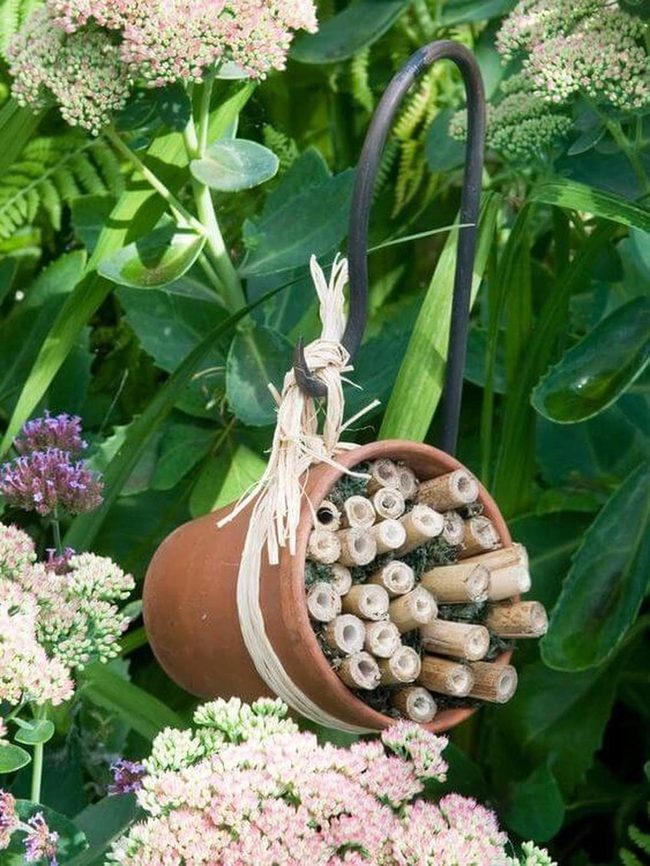
Bug hotel made from stacked wood, hollow stems, and dried leaves gives insects a place to shelter and thrive in your garden.
You can build one by layering natural materials like bark, straw, and small branches into a wooden frame, which looks rustic and interesting against any backdrop.
Hanging a terracotta pot nearby works as an additional shelter space and adds warmth to your outdoor area.
These structures draw beneficial insects like ladybugs and bees into your space, and they help pollinate your plants and keep pests under control.
When you set one up near flower beds or vegetable patches, you're supporting local wildlife while making your landscape more functional and welcoming to nature.
Stacked Wood Insect Tower
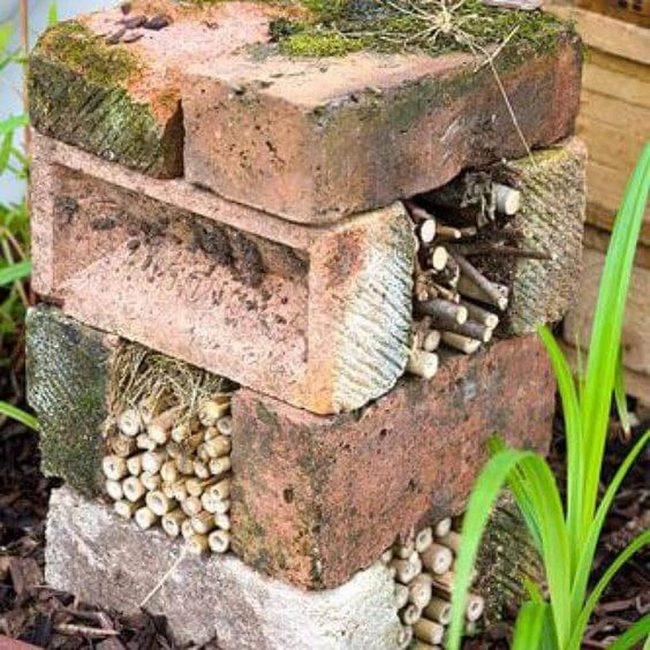
Bug hotel stands out as one of the most eye-catching garden structures you can build, with its stacked layers of wood, straw, and bricks creating a visually interesting tower that draws attention from every angle.
By setting up one of these structures, you help support the tiny creatures that keep your garden healthy and balanced.
Beneficial insects thrive in the nooks and crannies you provide, and they return the favor by pollinating your plants and eating pests that might otherwise damage your flowers and vegetables.
You don't need expensive materials or advanced skills to construct one, since recycled wood scraps and natural items work perfectly well.
Beyond the practical side, a bug hotel shows that you care about nature and want to support local ecosystems in your own backyard.
Colorful Mug Bug Hotel
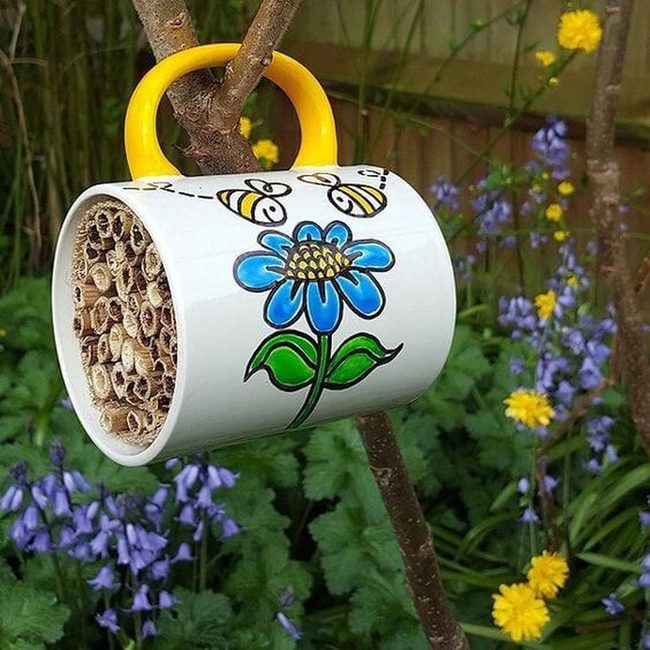
Garden filled with plants and wildlife becomes a peaceful retreat, and you can enhance it further by adding a bug hotel that serves both beauty and purpose.
One particularly striking option involves transforming a repurposed mug into a colorful home for insects, which immediately draws attention while supporting pollinators and beneficial creatures.
By providing shelter for bees and other helpful bugs, you're actively maintaining the ecological balance of your outdoor space.
Such structures do more than just function well; they add visual interest to your garden beds and pathways.
A nice touch is how simple materials can be upcycled into something useful and appealing.
Your garden becomes more vibrant when you welcome these small creatures, and the natural ecosystem strengthens as a result.
It's a wonderful way to blend practicality with decoration while making a positive impact on the environment around your home.
Twigs And Clay Insect Sanctuary
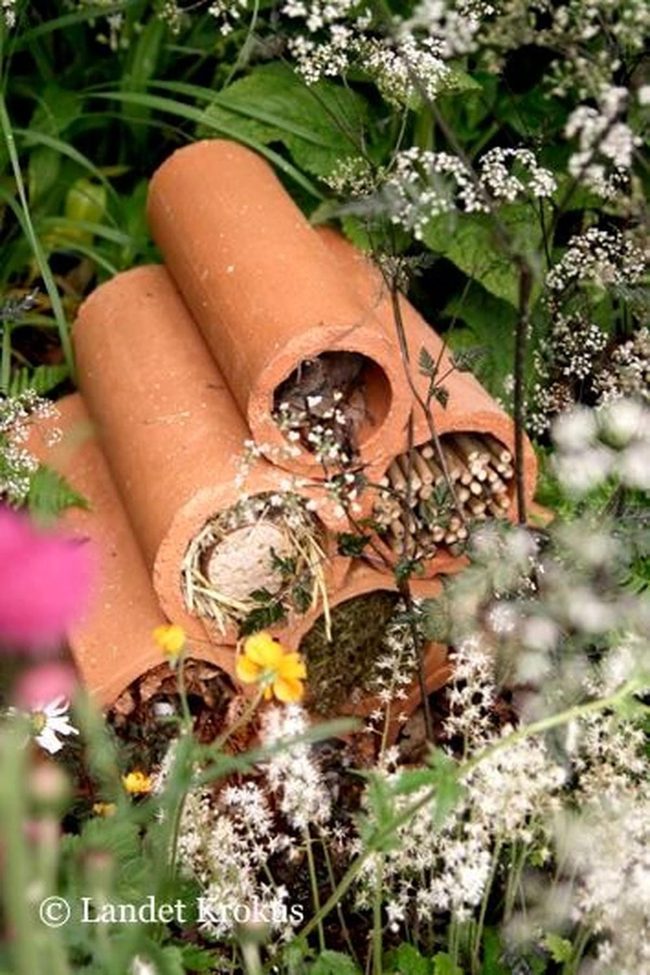
Building a bug hotel gives beneficial insects a place to settle in your garden while boosting the health of your plants through improved pollination and natural pest control.
You can use twigs, leaves, and clay tubes to construct different compartments that shelter various insects.
Such a structure adds visual interest to your outdoor space and serves a real purpose beyond just looking good.
Installing one means you're supporting local ecosystems and watching nature thrive right in your own yard.
It's a simple project that combines function with something genuinely engaging to observe throughout the seasons.
Many gardeners appreciate how these structures attract helpful creatures that keep plants stronger and more productive.
Whether you place it near flower beds or in a quiet corner, a bug hotel becomes both a practical tool and a unique garden feature.
Bamboo Tubes For Beneficial Insects
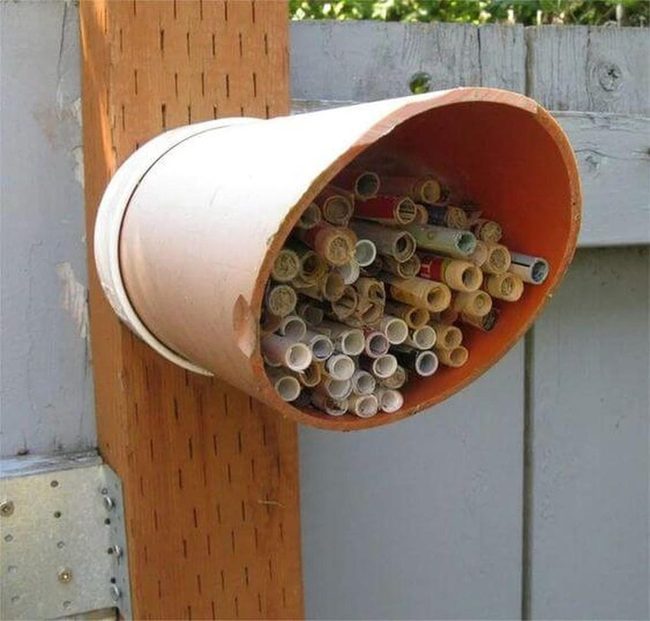
Building a bug hotel in your garden brings beneficial insects right to your doorstep and boosts the natural life around your home.
Bamboo tubes, hollow stems, and rolled paper work as ideal homes for solitary bees and ladybugs that will move in and help your plants thrive.
Watching the insects come and go gives you a front-row seat to how nature actually balances itself in a small space.
You'll spot different species moving in over time and understand their habits better.
Shaded spots under leaves or near flowers help protect the structure while keeping it functional for years.
It's one of those simple projects where you have a chance to support your local ecosystem and learn something new at the same time.
Natural Layers Support Garden Life
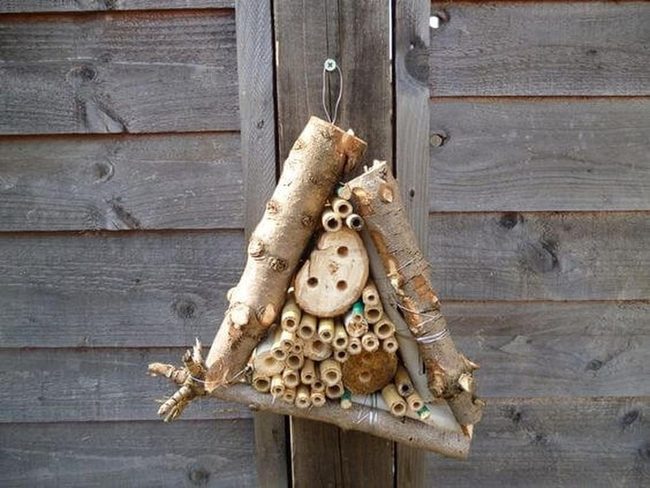
Building a bug hotel brings life to your garden by offering shelter to beneficial insects and pollinators that keep your plants healthy and thriving.
You can fill the compartments with natural materials like wood, hollow stems, and bark, which mimic the insects' preferred living conditions and support local ecosystems.
Stacking these materials creates interesting layers and textures that catch attention from across your yard, making the hotel itself an attractive garden feature.
Positioning your bug hotel in a sunny location encourages more insects to move in and settles it where everyone can see it.
Watching ladybugs, bees, and other helpful creatures take up residence gives you a sense of purpose in supporting nature.
Whether you build it from scratch or use a ready-made design, this simple structure balances beauty and function in one spot.
Adding a bug hotel to your outdoor space means you're doing something good for the environment while also making your garden look more interesting and alive.
Wooden Insect Hotel Structure
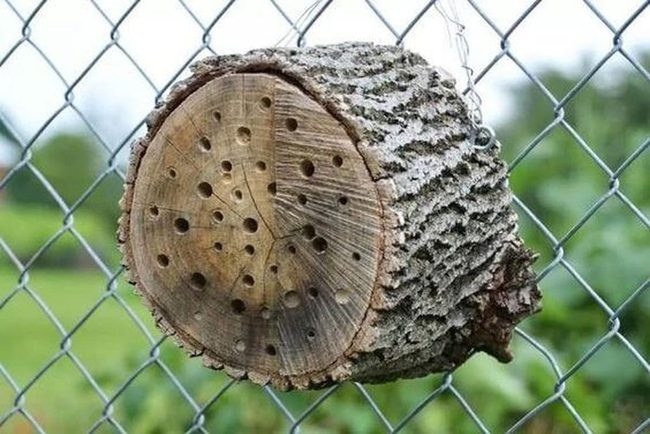
Building a bug hotel in your garden brings insects directly into view, and you'll immediately notice the variety of creatures it attracts to your outdoor space.
Bees, butterflies, and other pollinators need shelter to rest and reproduce, so offering them safe places does real work for your garden's health.
Stack natural materials like wood, twigs, and leaves inside the structure, and these simple components actually encourage more biodiversity than you might expect.
You start to understand that every bug has a role to play, and the whole ecosystem functions because of these tiny interactions.
Building one isn't complicated either; just gather some reclaimed wood and hollow stems, then arrange them in a sheltered box or frame.
Your garden becomes more than just plants when you make space for insects to thrive and live out their life cycles near you.
Natural Layered Insect Hotel
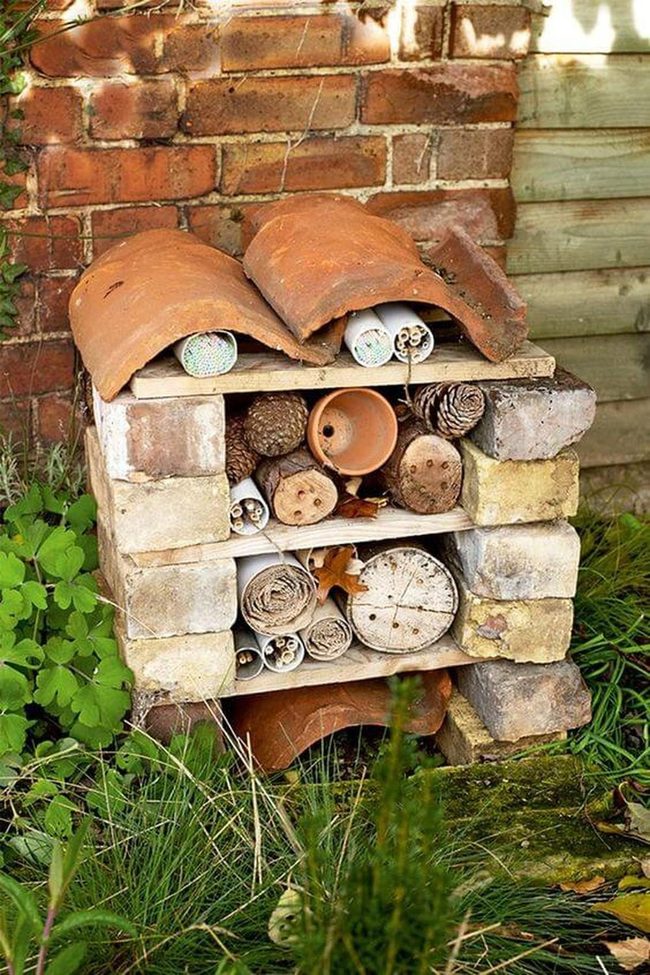
Stacking bricks, twigs, and pine cones into a bug hotel gives your garden instant visual interest and draws beneficial insects to your space.
A key detail is how these small structures become home to pollinators and other helpful creatures that keep your garden healthy and balanced.
Building one is simple; just layer natural materials to create different compartments where various insects can shelter and thrive.
This project boosts biodiversity while turning your outdoor area into an active habitat you can watch and learn from.
The mix of textures and materials makes the hotel itself an attractive garden feature, and it serves a real purpose beyond looking good.
When insects move in, I can see how the setup lets you observe their behavior up close and see how they benefit your plants and flowers.
It's one of those projects where function and appearance go hand in hand, making your garden both more interesting to look at and more alive overall.
Stacked Pinecones Feed Pollinators
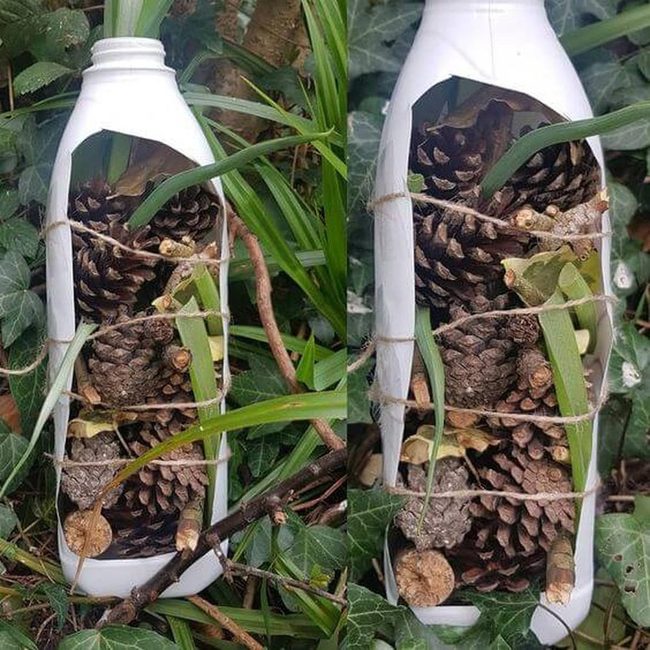
Building a garden that truly flourishes means welcoming all kinds of life, and a bug hotel does exactly that by drawing in helpful insects like ladybugs and bees that keep pests in check naturally.
When you stack pinecones, twigs, and other natural materials into this structure, you're essentially building little homes where these beneficial creatures can rest and thrive.
Beyond the practical side of pest control, there's real beauty in watching your garden become a hub of activity and natural balance.
The layered wood and organic textures also add visual interest to your garden space, giving you something lovely to look at while supporting the ecosystem.
I really like the way these structures remind us that gardening isn't just about plants; it's about supporting the whole web of life around them.
You don't need to be an expert to build one; simple stacked materials work great.
Stacked Wood Insect Hotel
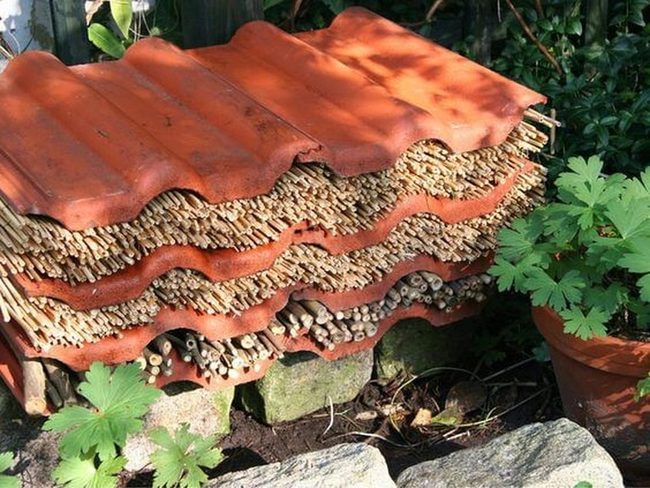
Stacked wood chambers and hollow bamboo tubes create a striking structure that immediately draws attention in any garden space, and this bug hotel does more than just look interesting since it becomes a bustling home for bees, ladybugs, and other insects that keep your plants healthy.
Once you set up your bug hotel, watching insects arrive and settle in becomes genuinely fascinating throughout the seasons.
You'll easily spot how certain creatures prefer specific materials and spots within the structure, revealing how thoughtful nature's design really is.
Supporting these tiny helpers directly impacts your garden's success and the broader ecosystem around your home.
Wood Bamboo Bug Hotel
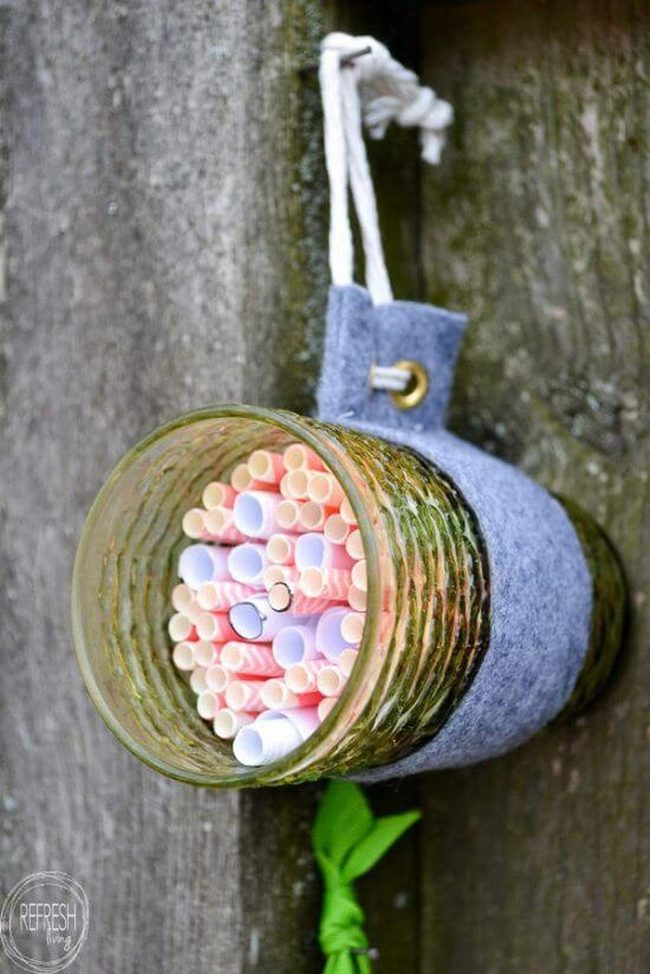
Building a bug hotel in your garden means you're directly supporting the insects that help your plants thrive, and stacked wood with gaps between the layers becomes immediately eye-catching as a sculptural garden feature.
Hollow stems, straw, and bamboo pieces packed into the wooden frame draw attention while offering real shelter for bees, beetles, and other beneficial creatures that keep your garden healthy.
Beyond just looking great, this structure serves a serious purpose since pollinators need safe spaces to rest and nest.
You can stack different materials in distinct sections, which makes the whole thing even more visually interesting and gives various insects exactly what they need.
Natural wood weathers beautifully over time, turning silvery-gray as seasons pass and adding character to your outdoor space.
When you include painted accents, moss, or climbing vines around the base, the hotel becomes both functional and decorative.
Stacked Wood Insect Hotels
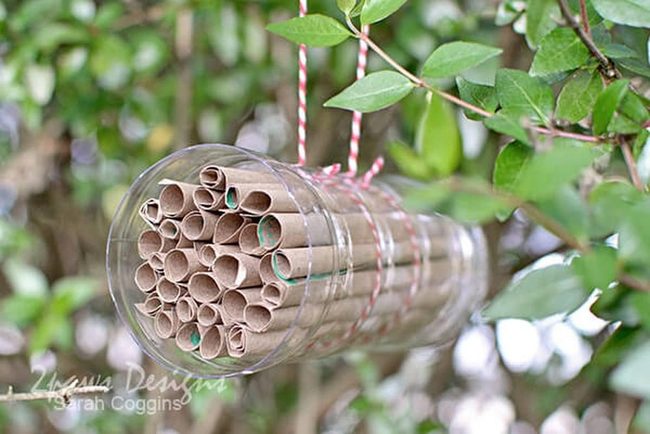
Large structures like a bug hotel bring instant visual interest to your garden and house countless insects that keep your plants healthy.
These buildings use simple materials such as cardboard tubes and wood sections stacked together to form different compartments where bees and ladybugs can shelter.
You're supporting local ecosystems by giving insects safe spaces to live and reproduce throughout the seasons.
Kids and adults both find themselves drawn to watching these creatures move in and out of their new homes.
Building one yourself teaches you about which insects live nearby and why they matter for your garden's success.
Stacking materials into a sturdy structure takes just a weekend and costs very little money.
People often notice how much more activity happens around these hotels once insects discover them.
It's a hands-on way to help nature while making something useful and interesting that you'll enjoy observing for years.
Stacked Wood Insect Shelter
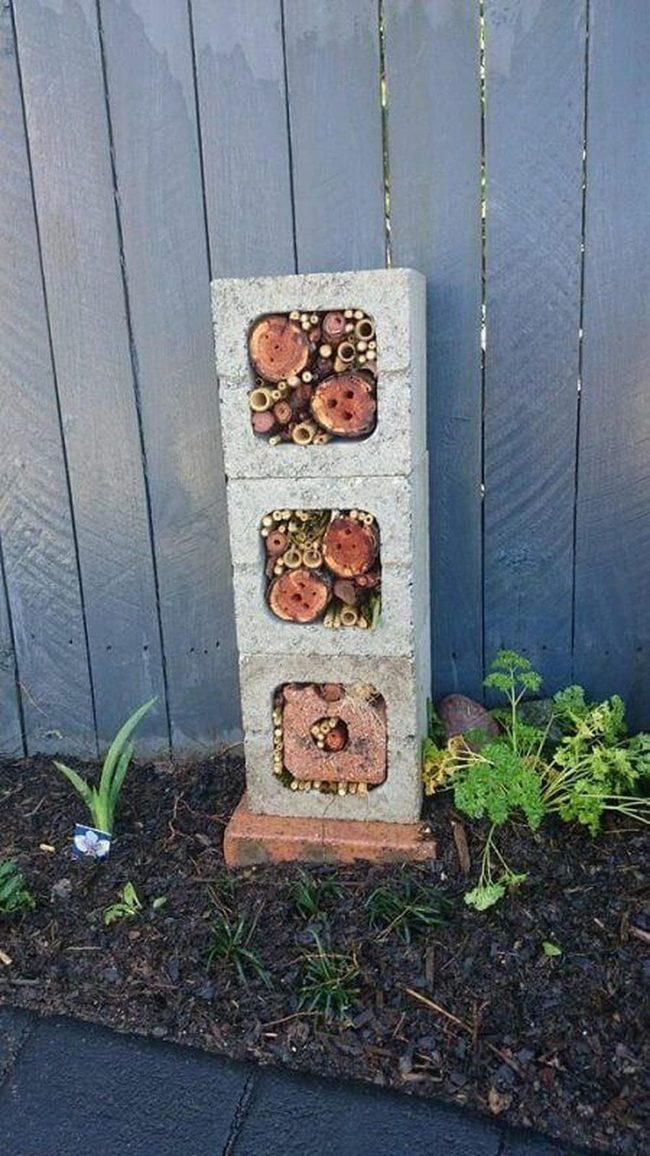
Bug hotel made from stacked wood, dried leaves, and straw creates visible shelter that draws beneficial insects right into your garden space, and watching these creatures settle into their new home offers you a window into how nature actually works.
I can see pollinators like bees and butterflies finding refuge while natural predators move in to hunt garden pests, which means you get pest control without chemicals.
Building one of these structures is straightforward and lets you see the ecosystem in motion as insects come and go throughout the seasons.
Most people find that once they set up a bug hotel, they spot way more helpful insects around their plants and flowers.
Beyond just watching nature happen, these little homes add honest charm to any outdoor area since they're built from real materials.
Layered Bark Bug Hotel
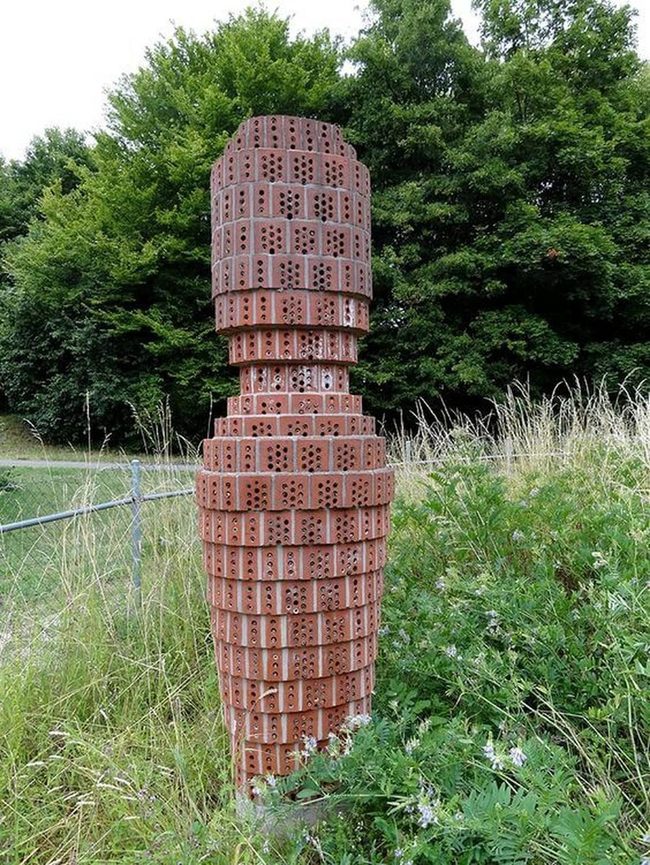
Bug hotel stands out as one of the most visually interesting additions you can build for your garden, with its stacked chambers and natural materials creating a striking architectural feature that draws attention immediately.
Constructed from wood, bark, straw, and other organic elements, this structure offers shelter to countless beneficial insects and supports the pollinators your plants depend on to thrive.
Different compartments house various species, from bees seeking refuge to ladybugs looking for safe spots to rest and reproduce.
By installing one of these hotels, you actively participate in boosting biodiversity right in your own yard and help maintain the natural balance that keeps your garden flourishing.
Watching insects move in and settle into their new homes brings a sense of satisfaction that goes beyond typical gardening projects.
You end up with a functional piece of garden art that teaches you about local wildlife while working to improve the environment.
Juan Martínez
Founder & Lead Designer
Expertise
Modern & Contemporary Decor, Gothic & Dark Aesthetic, Coastal & Beach Style, Farmhouse & Rustic Decor, Outdoor & Garden Design, Nursery & Kids’ Room Design, Kitchen and Bathroom Remodeling, Unique & Specialty Spaces, Living Room and Bedroom Styling
Education
Universidad de los Andes (Bogotá, Colombia)
Pontificia Universidad Javeriana (Bogotá, Colombia)
Juan Martínez, Founder & Lead Designer of columbia-artists.com, grew up in Bogotá, inspired by the city’s mix of old and new architecture. He studied Interior Design at Universidad de los Andes and earned an Advanced Interior Architecture Certification from Pontificia Universidad Javeriana.
With 10 years of experience, Juan has transformed homes across Colombia and beyond, blending modern design with cultural craftsmanship. Through columbia-artists.com, he shares expert tips and inspiration to help homeowners create spaces they love.
Outside of design, Juan enjoys exploring markets, mentoring designers, and celebrating Colombian artistry.