
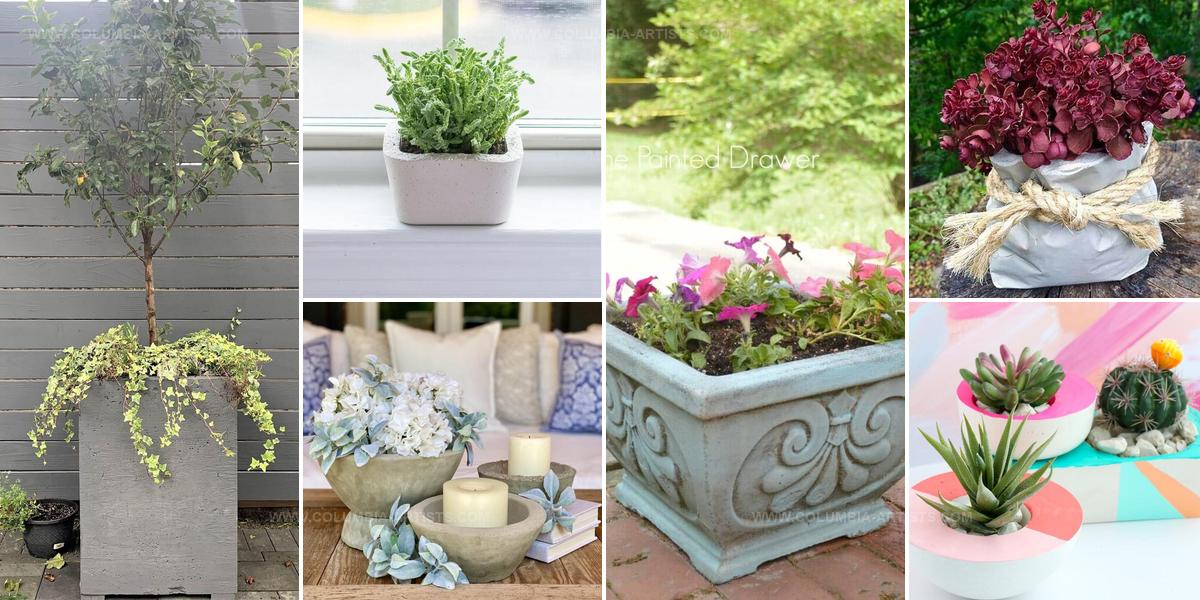
20 DIY Concrete Planter Ideas to Style Indoor Outdoor Plants
Concrete planters have become a popular choice among decorating enthusiasts who want modern containers that withstand weather while looking beautifully minimalist.
Heavy material may seem industrial at first, but once shaped into vessels for greenery, it softens any room or patio with surprising elegance.
Budget-friendly projects using cement mix allow anyone to craft custom designs without spending much money at garden centers.
Simple molds from household items produce unique shapes that commercial options rarely offer.
Durability means investments last for years through rain, sun, and temperature changes.
Personal style shines when mixing different textures, sizes, and finishes to match existing décor themes.
Continue reading to find inspiration that helps turn basic materials into stunning focal points around the house and garden.
Concrete Rounded Square Planters
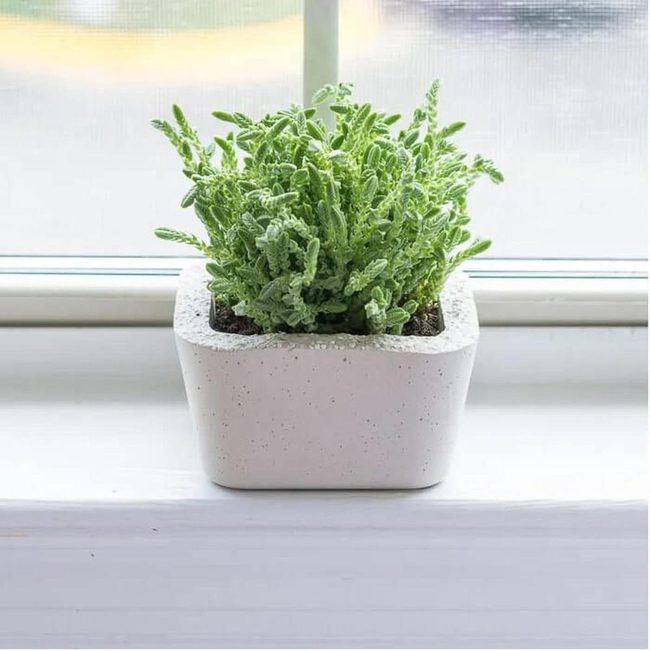
Smooth concrete planters with rounded square shapes give your garden a modern, polished look that catches attention right away.
Using a dedicated concrete mold means you get the same consistent results every single time, and we appreciate how straightforward this method really is.
You can make matching sets of planters to line your patio or garden beds, which brings a satisfying sense of order to your outdoor space.
Drainage becomes simple when you add pebbles to the bottom, and this setup works wonderfully for plants with shallow roots.
If working with concrete sounds intimidating at first, don't worry; this design strips away the complexity and keeps things manageable.
I've found that most people quickly discover they enjoy the process once they get started.
You'll end up with functional planters that suit both your garden needs and your decorating style, all without requiring specialized skills or equipment.
Upcycled Bottle Planter With Minimal Lines
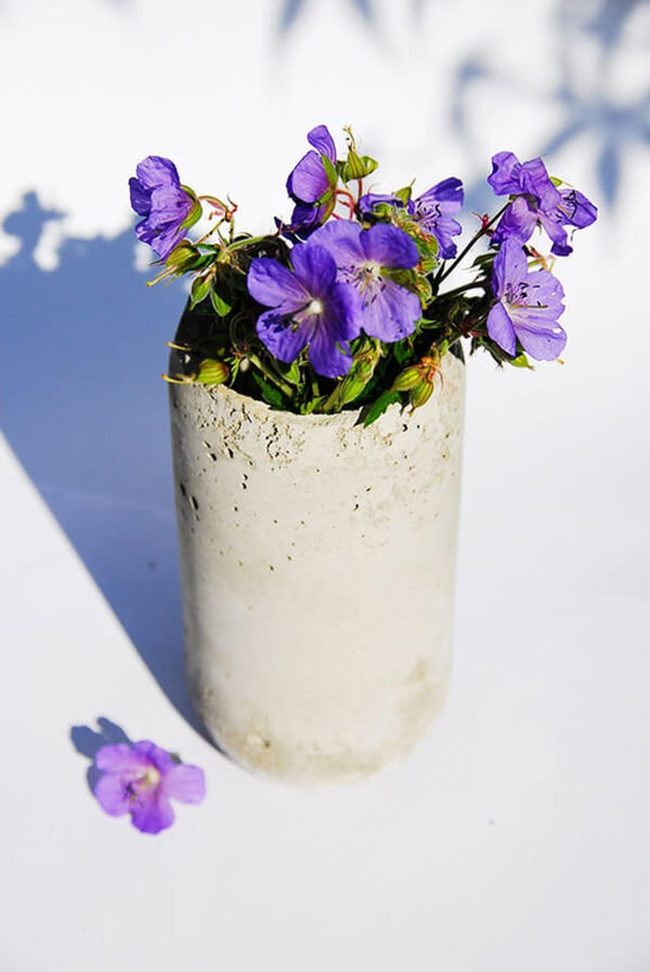
Planter with clean lines and a natural appearance does wonderful things for your plants, and the best part is that you can make one at home using just two empty water bottles.
Different bottle shapes open up possibilities for unique vase designs, so experimenting with what you have on hand becomes part of the fun.
What you place inside matters just as much as the container itself; a cylindrical cactus echoes the planter's straight edges nicely, whereas a flowering plant with abundant blooms provides an interesting contrast against the simple frame.
Beyond potted plants, this same setup works equally well if you prefer displaying cut flowers instead, making it flexible enough to match whatever you're growing or enjoying at the moment.
White Concrete Planters With Geometric Stamps
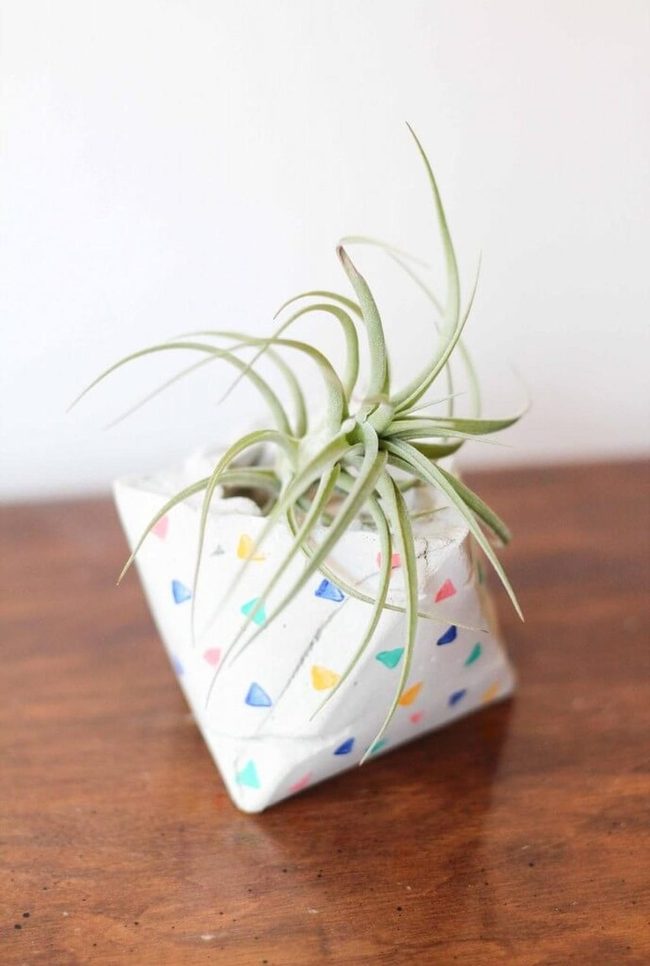
Building your own concrete planters from scratch gives you the chance to express exactly what you want, and starting with a simple white design brings a clean, sophisticated look to any spot in your home.
If solid colors feel too plain, try stamping geometric patterns like triangles across the surface for a fun bohemian feel that stands out.
You can make stamps cheaply using pencil erasers, which means you get creative results without spending much money.
Those same stamps work really well in other projects around your house too, so you're not limited to just planters.
Your finished pieces will show off your personal style and add life to whatever space you put them in.
Making these planters yourself means you get exactly what fits your taste, and that's something store-bought options just can't match.
Painted Concrete Medallion Pots
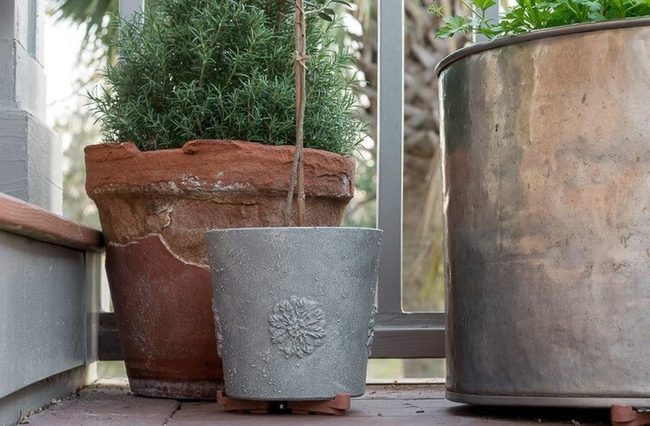
Concrete paint offers a quick way to refresh those plain clay pots you already own, and the results look far more polished than the original terracotta.
Silicone molds open up endless design possibilities beyond just floral arrangements, letting you cast custom medallions in whatever pattern speaks to you.
We love this approach because it delivers a sophisticated molded appearance without requiring any actual concrete work or the dust and cleanup that comes with it.
You can switch between different medallion designs based on your mood or season.
Most people find this method surprisingly simple since the paint goes on smoothly and dries fast.
If decorative variety interests you, mixing multiple patterns across several pots creates visual interest throughout your space.
Best of all, the whole process takes minimal time and keeps your workspace neat and tidy.
Chalk Paint Concrete Planters
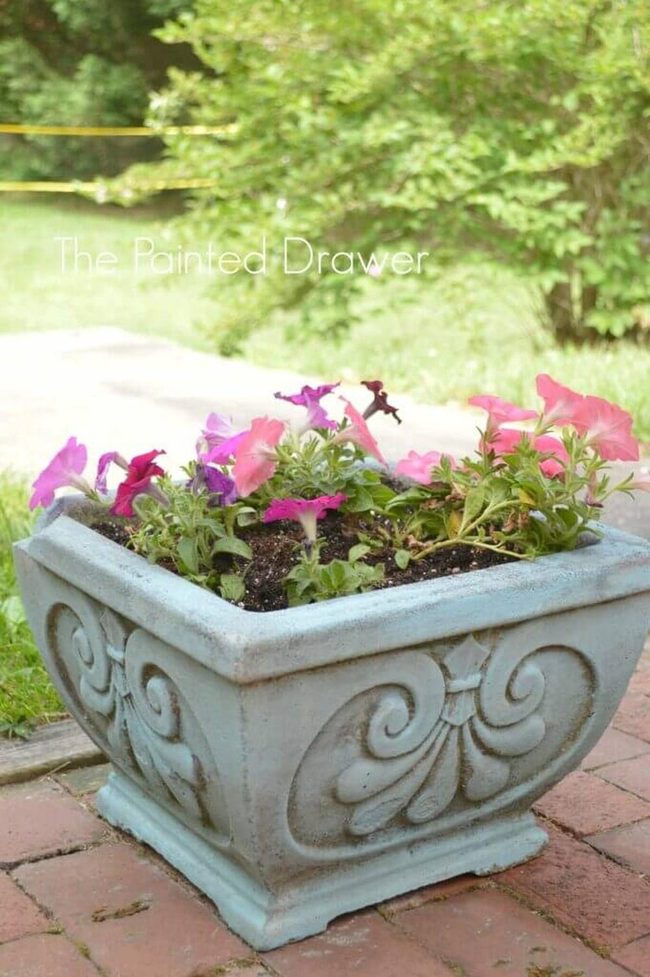
Concrete surfaces gain personality through chalk paint, transforming basic planters into charming French-inspired pieces, though you'll want to prepare extra paint since concrete soaks it up quickly.
When you stick with a single color, the refined shape of your planter becomes the real star, yet mixing multiple shades lets you emphasize different areas and build layers of visual interest.
You can also experiment with contrast by painting certain sections and leaving other spots bare, which often surprises people with how much personality this simple technique adds to a room.
Starting with just one paint color keeps things simple and lets you focus on how different finishes play off one another.
Many people discover that small changes to their planters refresh their entire space without much effort.
We recommend having your materials ready before you begin, as applying chalk paint to porous surfaces requires a bit more product than you might expect.
Origami Concrete Planters
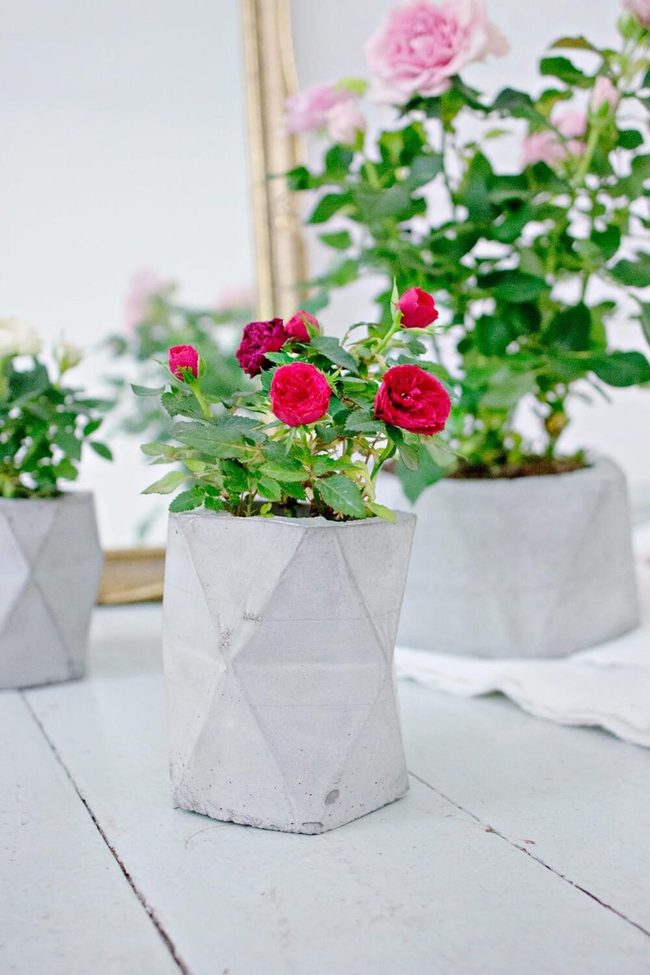
Cardboard molds open up endless possibilities for shaping your planters however you want, and what you dream up is really just limited by your own creativity.
One standout option is making those unique rounded triangles that look like folded origami, which turns a simple concrete pour into something genuinely special.
Keep in mind that bigger pots sometimes lose sharpness in their details because of how heavy the concrete gets, though those softer, rounded edges end up giving the finished piece a nice organic quality.
If geometric shapes don't appeal to you, you can absolutely design custom patterns instead and make something totally one-of-a-kind.
Trying different approaches and tweaking your method as you go is just part of the process, so don't worry if your first attempt needs some adjusting.
Each experiment teaches you something new about how the concrete sets and how the mold influences the final shape.
Concrete Planters With Foil-Pressed Texture
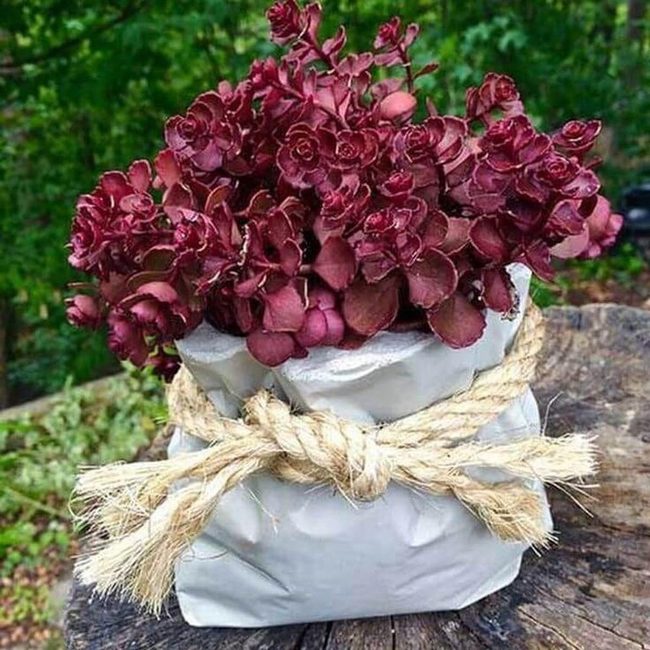
Concrete bags with unique textures from old foil-lined molds bring genuine rustic character to your garden, and what makes them special is that no two pieces ever look the same.
If you want to soften their appearance, wrapping a delicate cord around the planter works better than using thick rope, or you can skip the wrapping altogether for a clean, minimal look.
Paint offers another way to add personality when you're feeling creative, and these kinds of simple tweaks let you transform your outdoor space into something that reflects your own style.
Whether you choose textured finishes, different wrapping options, or a splash of color, each adjustment helps make the space feel more like yours.
Large Plywood Box Planter
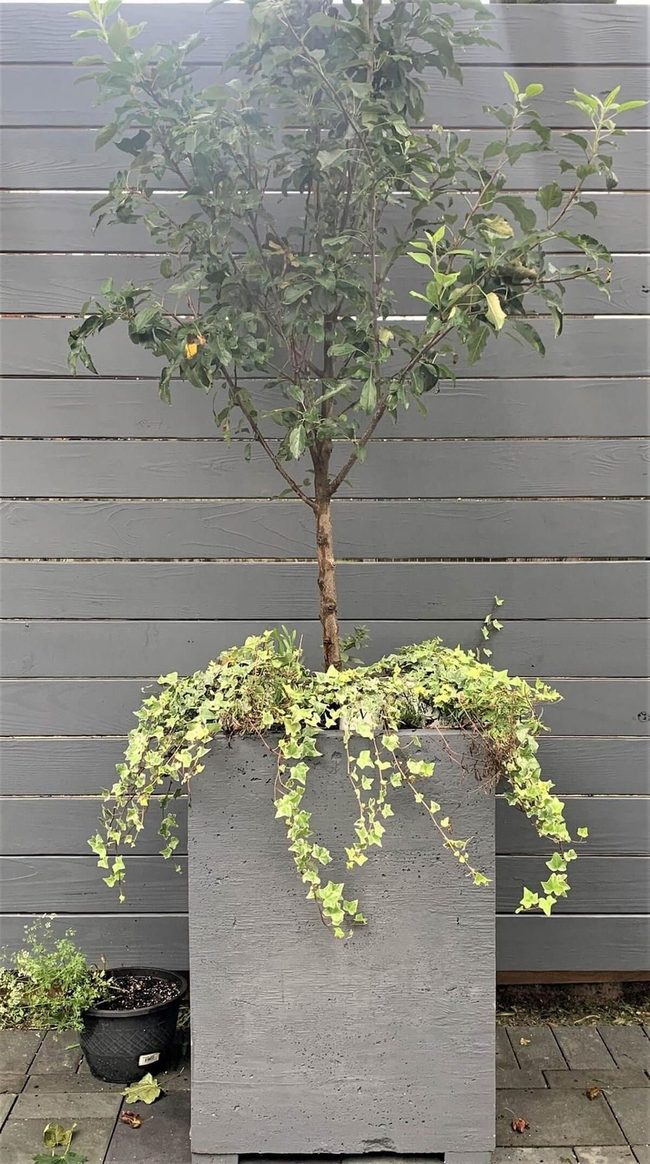
Building a sturdy plywood mold gives you a large planter with clean, modern lines that suits any area of your home.
Once you've constructed this substantial wooden box, you can position it exactly where you want it because moving it later becomes quite challenging.
Smaller tree varieties work wonderfully inside, especially fruit or nut trees that let you harvest fresh produce right from your yard.
Pairing these trees with flowering plants and bushes adds layers of color and texture to your garden space.
You have freedom to experiment with different plant combinations and arrangements.
Getting creative with your selections helps you build an outdoor area that feels welcoming and natural.
This planter style offers both structure and flexibility for whatever plants capture your interest.
Wood Concrete Square Planter
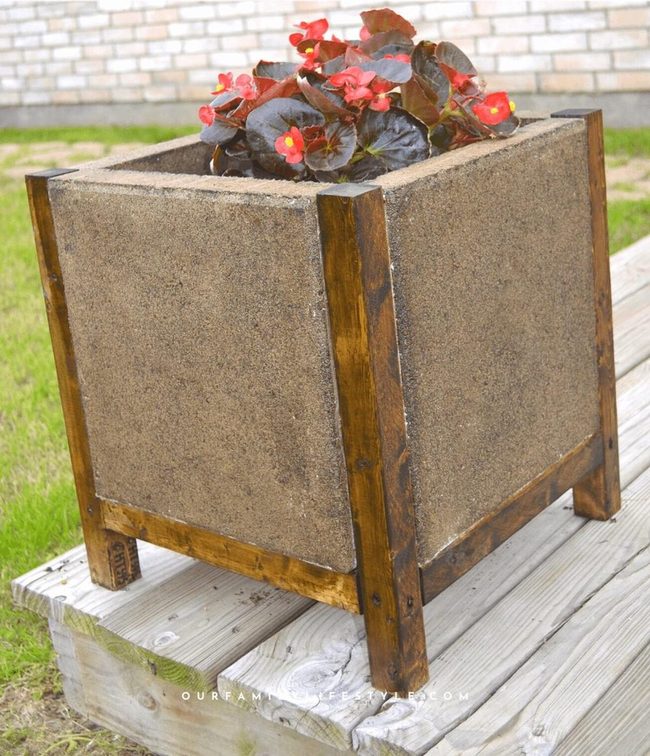
Stunning planter mixing wood and concrete offers bold visual appeal while its sturdy square shape holds steady even when storms roll through, so you won't worry about things tipping over.
Stone and wood pair beautifully with almost any outdoor setting, whether your space leans modern or Bohemian, and you can experiment with different stains or paints to achieve the exact look you want.
Building one yourself is straightforward since you only need basic tools like screws, drills, and adhesives lying around most homes, and if you struggle to find suitable concrete pavers locally, mixing and pouring your own gives you another simple path forward.
Lightweight Clay Planters Gold Accents
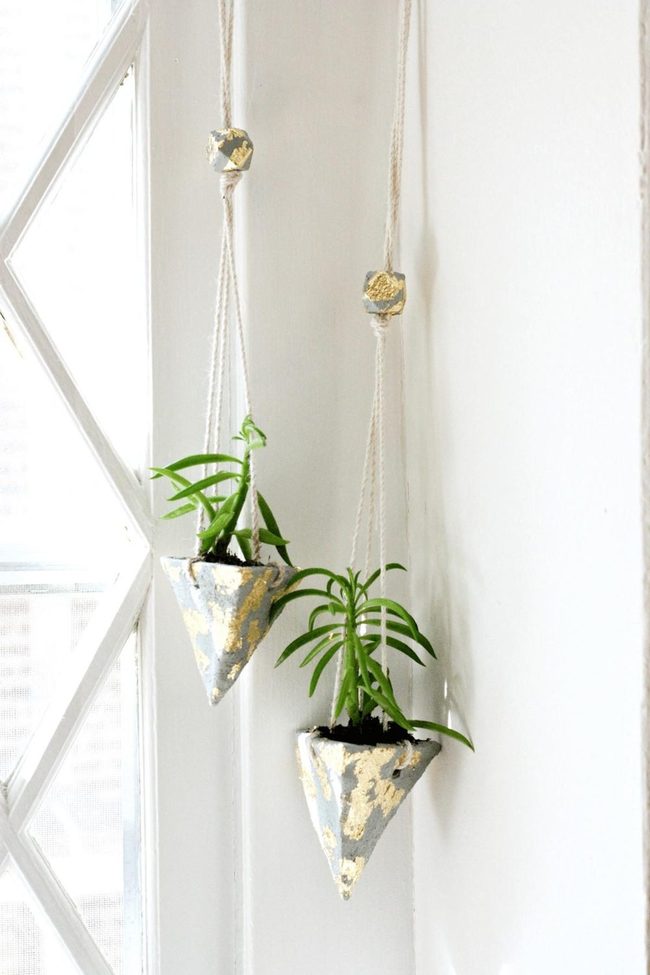
Oven-baked clay planters offer you an excellent alternative to heavy concrete since they deliver that same solid appearance without straining your back or requiring special equipment to move around.
You can mold them into spheres, pyramids, cylinders, or cubes with ease, and the whole process stays clean and hassle-free.
For those who want something more luxurious, shiny gold gilding adds that extra touch of sparkle and sophistication that transforms the pieces into statement decorations.
If you prefer keeping things natural and understated, you simply skip the gold foil and let the earthy texture speak for itself.
This flexibility means you can adapt these planters to match whatever style your space already has, whether that's your living room, bedroom, patio, or garden beds.
Since they work in so many different settings and allow for personal customization, they become a practical choice for nearly anyone looking to refresh their surroundings.
Concrete Planter Mix Experiments
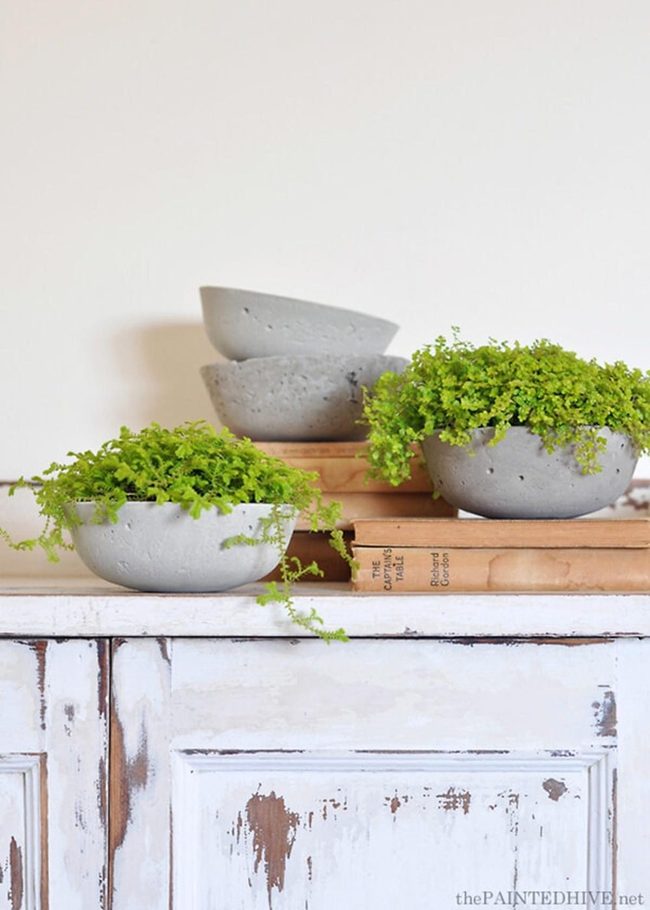
Finding the right concrete mix for your project takes some experimentation, and different formulas give you varying colors and textures that completely change how your finished pieces look.
When you test out different combinations, you'll discover which blend works best for what you're trying to build.
If some planters end up clashing with your decor, making new ones is straightforward and lets you fix the problem fast.
We love that extra planters from your experiments don't have to go to waste; they make great gifts people actually use.
Trying new mixes removes the stress of mismatched styles since you can simply make another batch that fits better with what you have.
Hand-Sculpted Concrete Garden Art
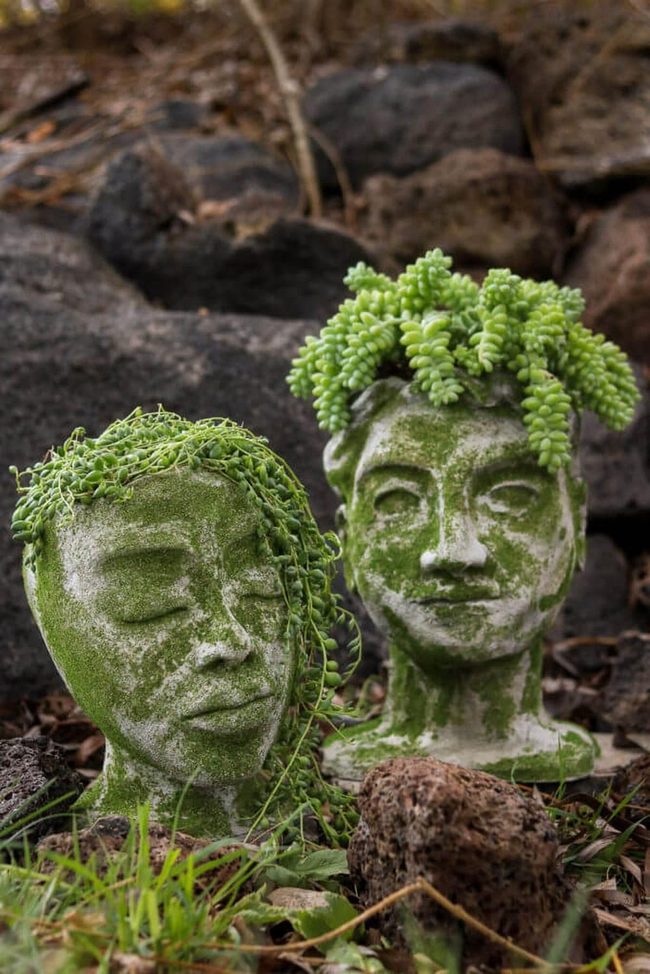
Sculpting concrete offers you a remarkably hands-on way to bring artistic creations into your garden and home, and the best part is that this hobby welcomes everyone regardless of your skill level.
You can shape concrete into almost anything you imagine; striking human faces and features alongside delightful animal planters that become functional art pieces for your outdoor spaces.
Hand-sculpted concrete pieces carry a special quality that draws people in with their artistry and unique character.
Once your sculptures are finished, you have the option to add moss to them, which gives your work an earthy, aged appearance and deepens the overall aesthetic.
This is one of those relaxing projects that people often discover brings unexpected joy and satisfaction into their lives.
Whether you're looking for a weekend activity or something more regular, concrete sculpting lets you explore your creativity while producing something tangible you can display and enjoy for years to come.
Elevated Concrete Planter With Greenery
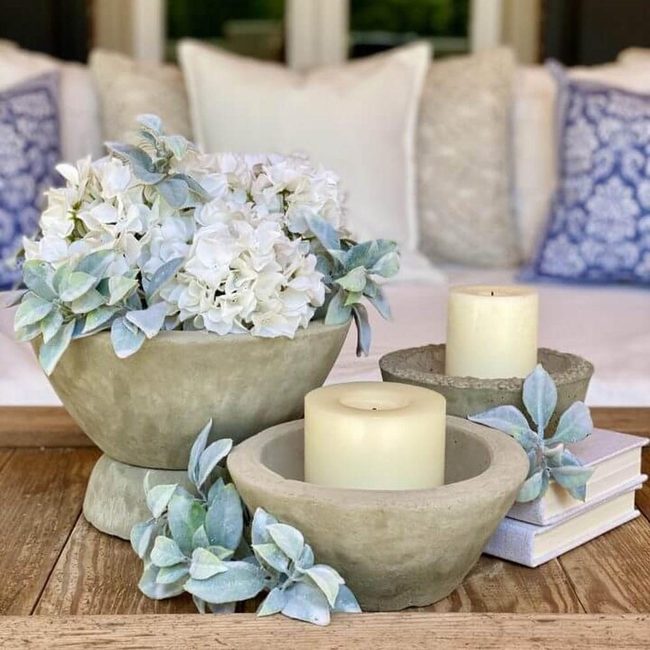
Stacking an upside-down bowl beneath your concrete container raises the whole arrangement and draws attention upward in the room, and this simple switch really does change how your space feels.
You can skip the fuss of real plants and go with artificial greenery or candles instead, which look just as nice without any maintenance.
Combining greenery with pillar candles side by side builds a pleasant display that feels balanced and looks polished.
Small tweaks like these shift what catches the eye and turn a plain setup into something worth noticing.
Even basic items become more interesting when you adjust how they sit and what goes around them.
Try experimenting with different heights and arrangements until something clicks for you and feels right in your space.
Raw Concrete Planter Bowl
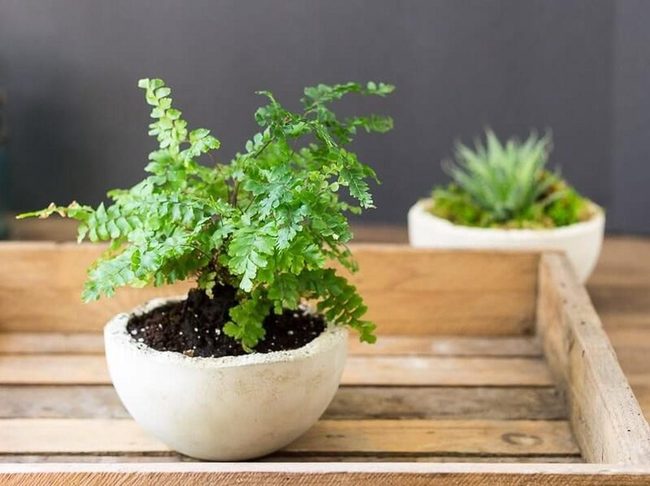
Rough concrete edges on a planter bowl create an untamed, striking look that immediately draws the eye.
Since each concrete pour turns out different, you get something genuinely one-of-a-kind that no mass-produced piece can match.
Painting just the top edge while leaving the rest raw makes that roughness pop and shows off the material's honest appeal.
When you have lots of natural elements throughout your home, letting the concrete's weathered surface speak for itself works best.
Smoothing everything down might seem like the safer choice, but leaving some rough spots and imperfections actually brings real character and personality to your space.
I think there's something refreshing about embracing what makes a piece unique instead of trying to polish away what makes it special.
If you're building a room with earthy materials and organic textures, this raw concrete approach fits right in and feels at home alongside wood, stone, and plants.
Concrete Planter Succulent Mix
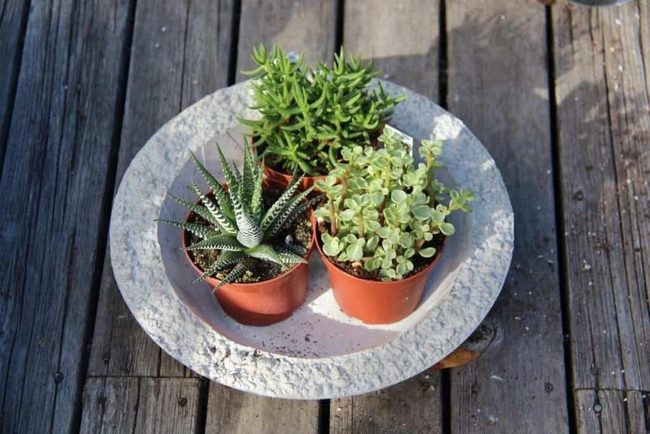
Succulents in a concrete planter create an eye-catching display because their varied textures and colors pop against the neutral backdrop.
You'll find that odd numbers of plants work better than even groupings, and mixing different heights and shapes keeps the arrangement from looking boring.
Concrete's porous surface has a practical benefit too; it naturally absorbs extra moisture, which helps if you water more than you should.
When setting up your planter, think about where it will sit and how water will drain away from the soil.
Pairing tall plants with trailing varieties and mixing fleshy leaves in different tones makes the whole thing feel balanced.
Drainage matters most when you're first planning your planter setup, so make sure water can move through the soil easily.
A nice touch is how low-maintenance succulents are once they settle in, and the combination of concrete and greenery gives you a modern look that works in many spaces.
Concrete Block Succulent Statement
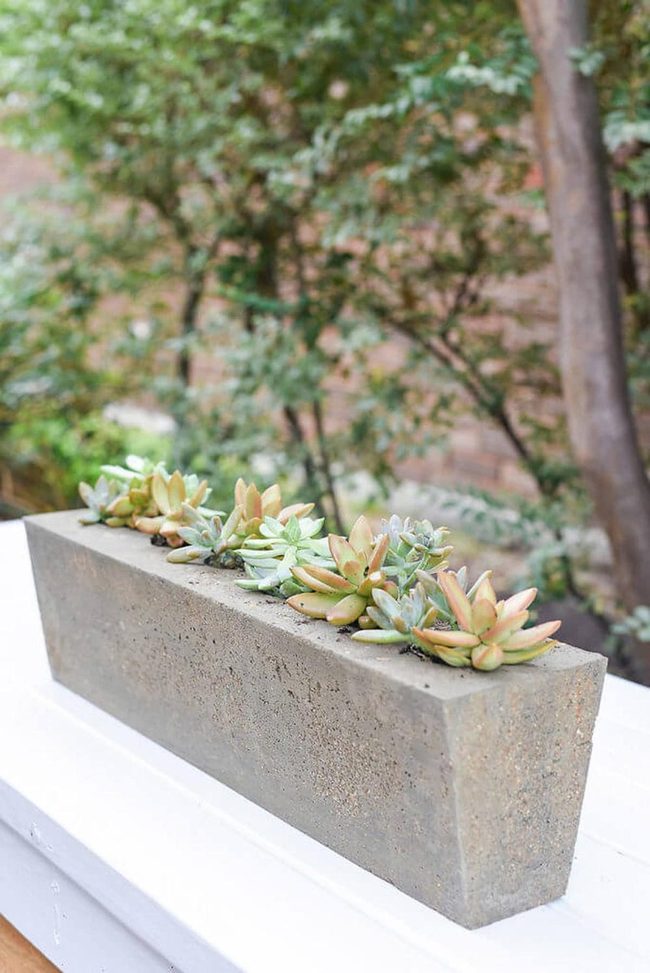
Concrete block planter with crisp corners and tapered sides makes an instant statement in any space with its bold, contemporary form.
Small depressions across the surface resemble sugar molds and provide perfect homes for succulents you want to display.
You have flexibility with the design, so if you'd rather have trenches instead of round shapes, that adjustment works just as well for your personal style.
Pillar candles nestled into those same depressions shift the mood entirely and work great for evening gatherings.
Chalk paint offers another way to customize the look if the plain concrete doesn't match what you're going for.
Whether you go with plants, candles, or paint, this planter adapts to fit whatever direction you want to take your decor.
Asymmetrical White Concrete Planters
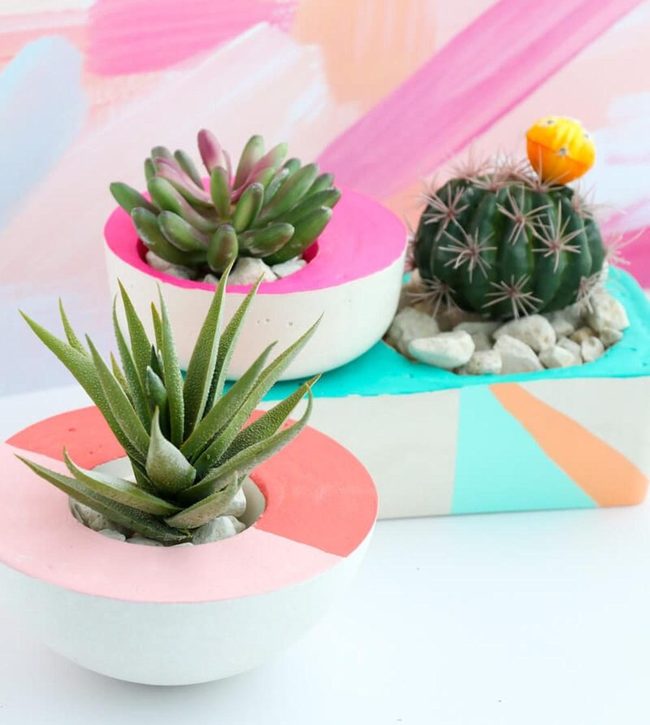
White concrete gives you a blank canvas to work with, and it pairs beautifully with nearly any paint color you decide to apply.
One simple technique that delivers eye-catching results is painting just one edge while keeping the rest white, which creates dramatic contrast without much effort.
You can shape concrete in interesting ways by using silicone molds or metal cake pans, so making custom planters becomes something almost anyone can do.
Playing with off-center plant cavities adds character and breaks free from the rigid symmetry we're used to seeing.
We love this approach because it shows that beautiful designs don't need to follow strict rules or aim for perfect balance.
Sometimes the most appealing pieces are the ones that feel a little unexpected, and that's exactly what happens when you let yourself experiment with concrete projects.
Concrete Gray Bowl Planter
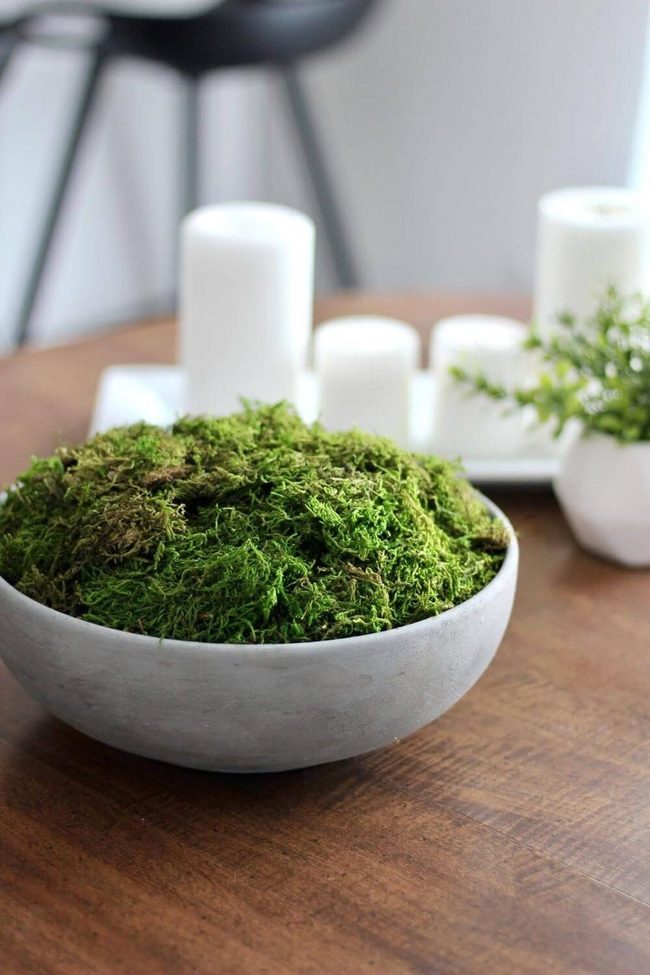
Painting a regular bowl with layered grays, whites, blacks, and browns transforms it into a striking faux concrete planter that works in any room.
You have complete control over the final color by mixing these shades to match your home's style perfectly.
Once the paint dries, you can fill your new planter with whatever suits your mood and season.
Mixing different types of moss gives you a way to refresh the look throughout the year, or you could go with succulents for something more permanent and low-maintenance.
This project is fun because you have room to experiment with colors and textures without spending much money.
A nice touch is how something so simple can turn into a decorative piece that feels custom-made for your space.
Gold Leaf Concrete Planters
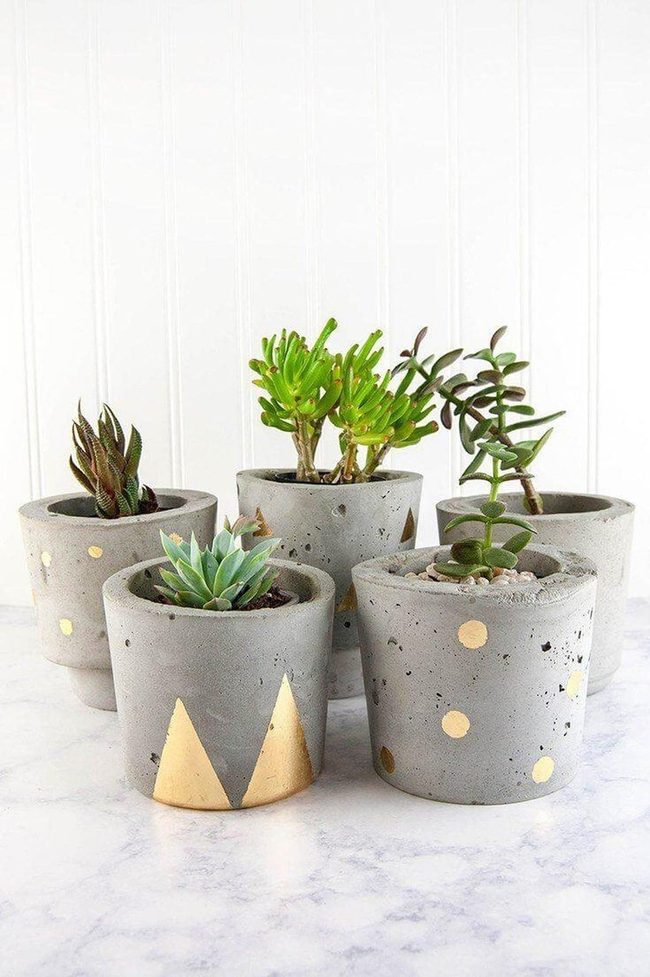
Gold leaf and concrete make an unexpectedly bold pairing for garden decorations, and the contrast between luxury and raw materials catches attention right away.
Patterned planters give you endless options to express your style, whether you prefer striking Aztec designs, playful animal prints, simple geometric shapes, or classic polka dots.
Farmhouse lovers can embrace rooster and barn motifs, while others might choose elegant fleur-de-lis designs instead.
Keep in mind that concrete and gold leaf have natural edges that feather slightly, and this imperfection actually adds to the charm rather than detracts from it.
You can mix and match patterns throughout your space to keep things interesting.
Gold-leafed concrete planters bring warmth and personality to outdoor areas while remaining durable enough to handle weather changes.
Distressed White Concrete Planters Red
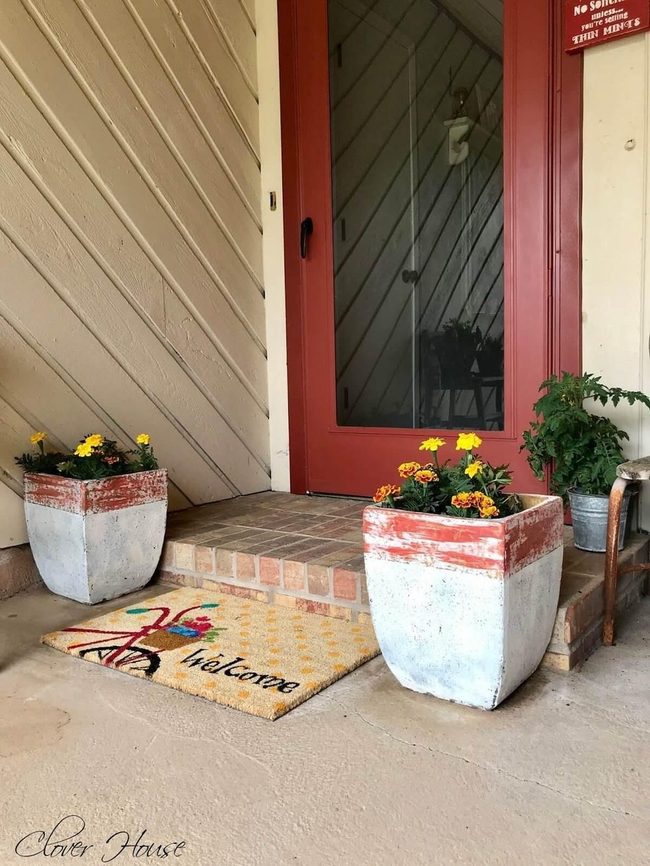
Refreshing your concrete planters with a distressed white base and dry-brushed red details gives them a striking rustic character that immediately draws attention and transforms your outdoor space.
If bold red feels too intense for your taste, you can opt for calming shades like blue or green instead to achieve a more relaxed mood.
Matching your planter colors to your door trim or other existing elements creates a sense of unity throughout your yard.
These sturdy pieces last for years, so updating their paint job is a simple way to extend their life and let them shine again.
Beyond aesthetics, this kind of refresh doesn't require much time or money, making it an easy project for anyone.
Once painted, your planters become pieces you'll genuinely want to display rather than hide away.
You can feel that a little paint can bring forgotten garden items back into focus.
Juan Martínez
Founder & Lead Designer
Expertise
Modern & Contemporary Decor, Gothic & Dark Aesthetic, Coastal & Beach Style, Farmhouse & Rustic Decor, Outdoor & Garden Design, Nursery & Kids’ Room Design, Kitchen and Bathroom Remodeling, Unique & Specialty Spaces, Living Room and Bedroom Styling
Education
Universidad de los Andes (Bogotá, Colombia)
Pontificia Universidad Javeriana (Bogotá, Colombia)
Juan Martínez, Founder & Lead Designer of columbia-artists.com, grew up in Bogotá, inspired by the city’s mix of old and new architecture. He studied Interior Design at Universidad de los Andes and earned an Advanced Interior Architecture Certification from Pontificia Universidad Javeriana.
With 10 years of experience, Juan has transformed homes across Colombia and beyond, blending modern design with cultural craftsmanship. Through columbia-artists.com, he shares expert tips and inspiration to help homeowners create spaces they love.
Outside of design, Juan enjoys exploring markets, mentoring designers, and celebrating Colombian artistry.