
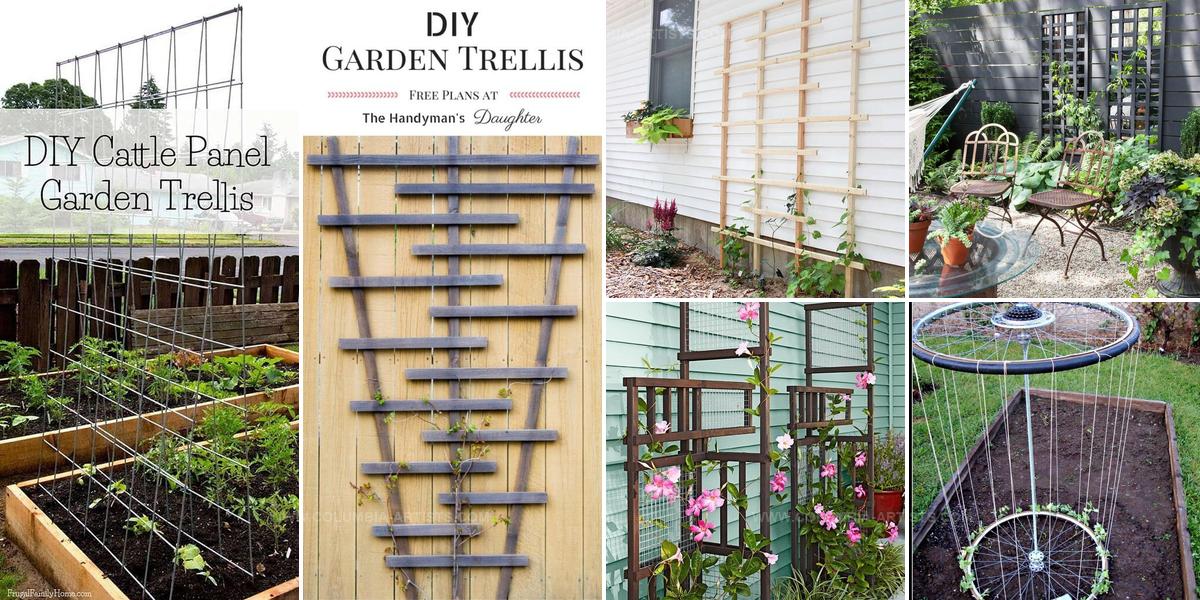
23 DIY Garden Trellis Projects to Support Climbing Plants
Garden structures don't need professional skills or deep pockets when simple DIY trellis projects offer beautiful solutions for climbing plants.
Vertical growing spaces maximize small yards while adding architectural interest that catches every visitor's eye.
A well-placed support transforms bare walls and fences into living tapestries of flowers and foliage.
Weekend afternoons become perfect opportunities for building functional art that serves plants for years ahead.
Basic materials from hardware stores combine with straightforward techniques anyone can master quickly.
Both vegetables and ornamentals thrive when given proper vertical pathways toward sunlight and air circulation.
Roll up those sleeves because rewarding garden improvements await completion in just two days!
Clematis Vines Hide Drainage Pipes
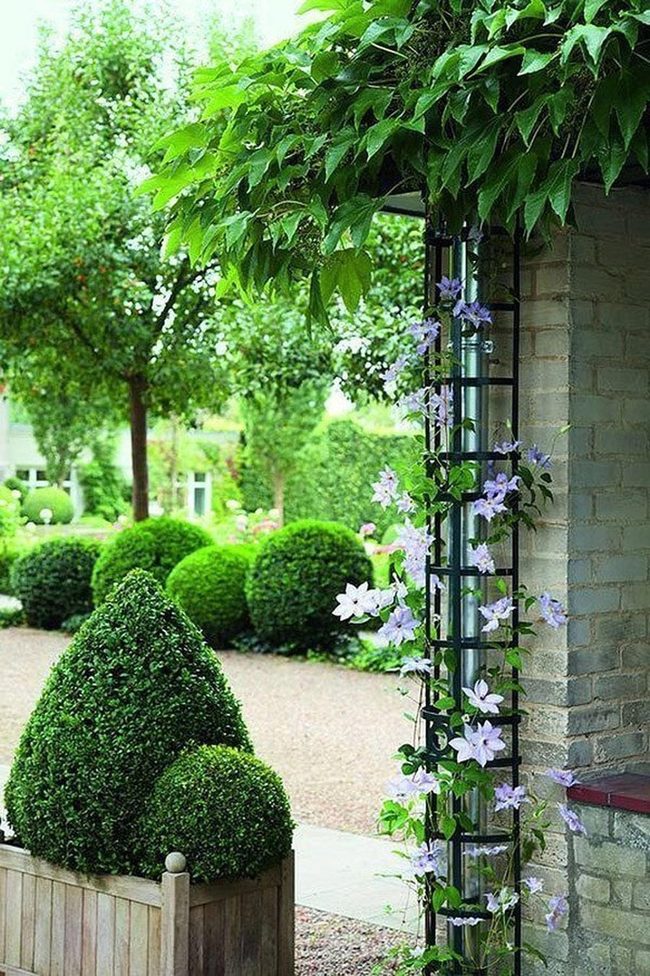
Watching clematis vines spill down a specially constructed tower transforms an ordinary drain pipe into something that makes your garden feel complete, and this project proves you don't need fancy materials or professional help to achieve real beauty in your outdoor space.
Building a simple trellis around the drainage element serves two purposes at once; it supports the climbing clematis as it grows and hides the functional pipe underneath.
You can gather basic materials from hardware stores and get started on a weekend, making this a doable project for anyone who wants to add character to their yard.
As the clematis flowers bloom in rich colors, they'll cascade down the sides of the structure and cover it entirely, so visitors won't see any of the practical infrastructure at all.
A nice touch is how this solution combines what's necessary with what's gorgeous, giving you a garden feature that's both smart and beautiful.
Once established, the plant requires minimal care and rewards you with blooms year after year.
Natural Wood Lattice Garden Frame
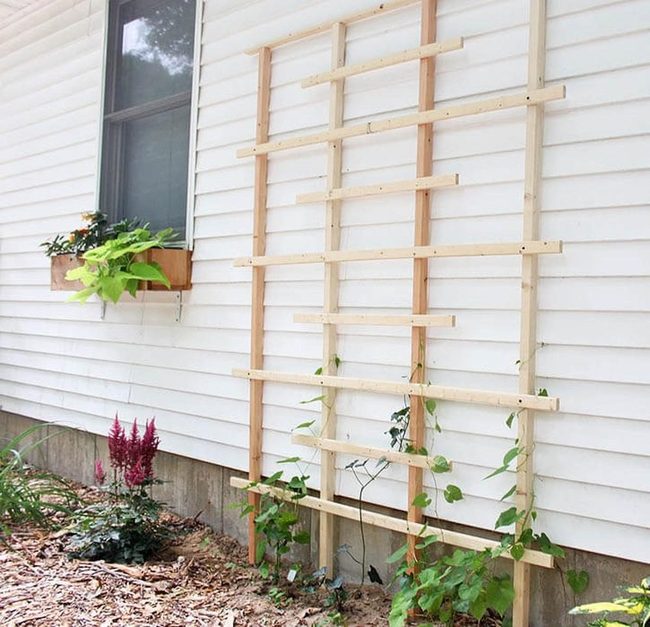
Wooden vine trellis stands out as one of the most striking garden additions you can build, with its latticed frame and natural wood grain catching the eye immediately as climbing plants weave through it.
You don't need much to get started; just basic tools and common materials make this project straightforward enough for anyone to tackle.
Selecting sturdy wood and assembling the frame takes just a few simple steps and minimal time.
Once your trellis is standing, climbing plants like beans and cucumbers have the perfect structure to grow upward and create layers of green throughout your garden.
Wood left in its natural finish blends right in with surrounding plants and foliage.
This kind of structure improves your outdoor space without requiring fancy equipment or special skills.
The whole project gives you a functional piece that works hard while looking good in any garden setting.
Vertical Green Wall Garden Structure
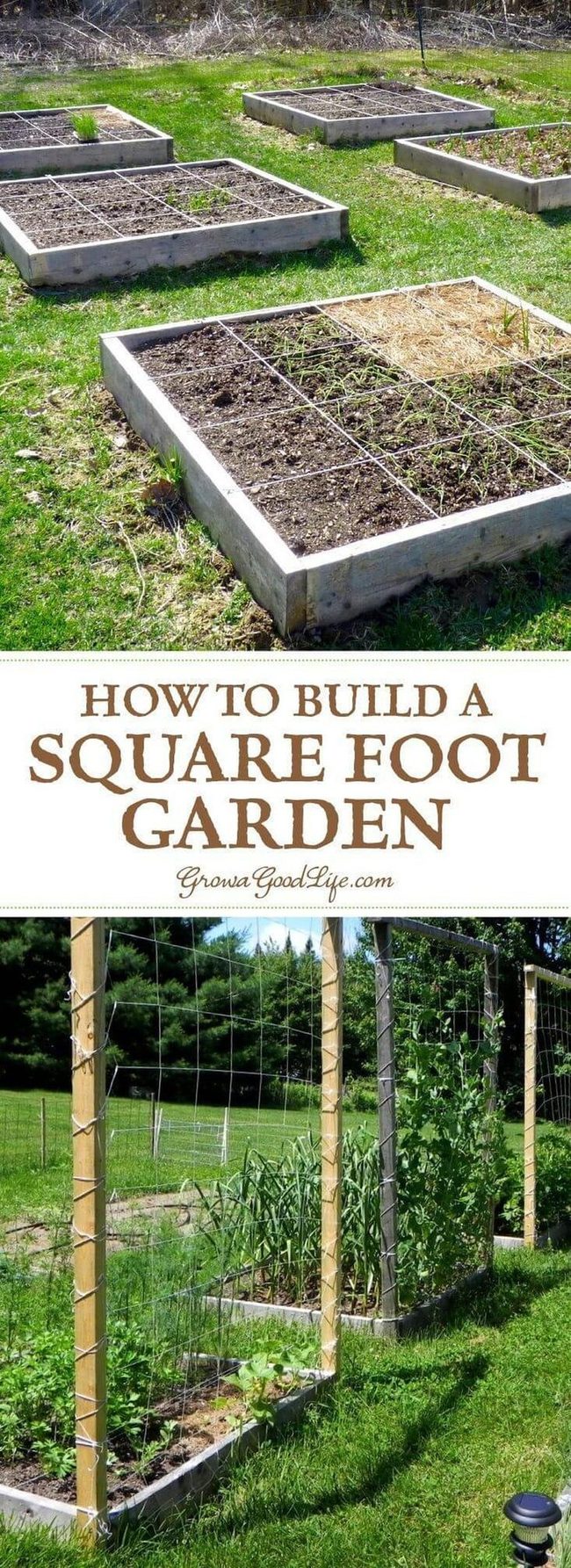
Building a climbing lattice for your raised garden beds transforms your gardening space into something dynamic and alive, with vines and vegetables growing upward in a striking green wall that draws attention from everyone who passes by.
Wooden slats form a simple framework that lets light and air flow through while supporting plants like cucumbers and peas as they climb and produce food.
You can paint or stain the lattice to match your yard's existing colors and style, making it feel like a natural part of your landscape rather than an add-on.
As your plants grow taller over time, they create layers of greenery that look beautiful and also give you better harvests in less space.
This vertical approach works well because it maximizes your garden's potential while keeping everything organized and easy to access.
Whether you're growing vegetables or ornamental vines, a lattice structure adds both function and visual interest to any outdoor area.
Gothic Arch Entrance Statement
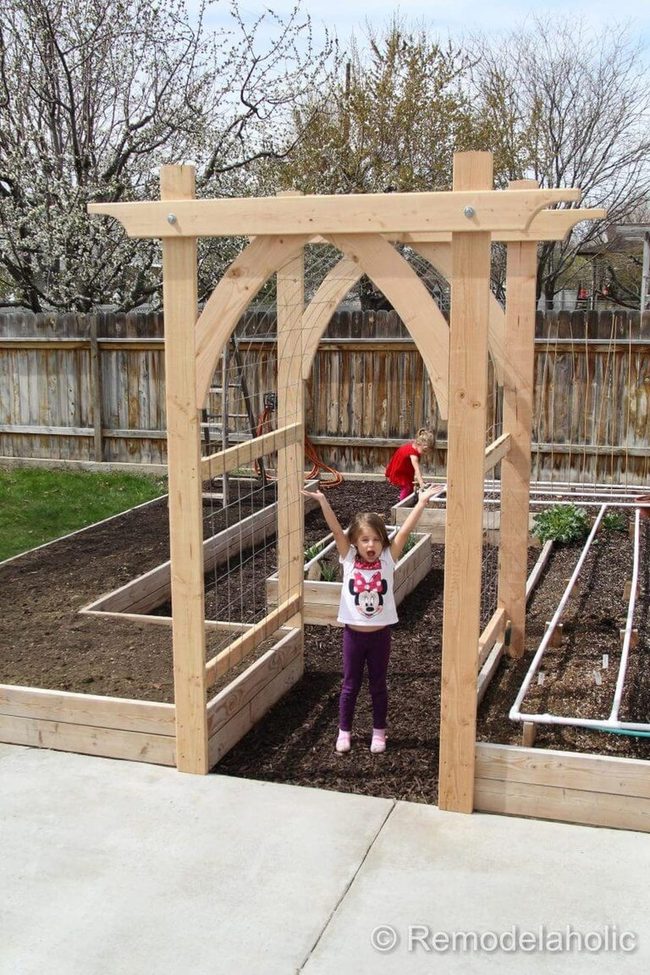
Gothic arch entryway arbor stands as the most striking element of your outdoor space, commanding attention with its elegant design and mysterious appeal while also serving the practical purpose of supporting climbing plants.
What makes this structure so effective is how it works at the entrance; visitors immediately notice the intricate details and feel drawn into your yard.
Building one doesn't require special skills or fancy tools since simple materials like wood or metal work beautifully for the job.
Once you have the basic frame up, personalization becomes the fun part and you can weave vines through the structure and add decorative touches that match your style.
Those climbing plants transform over time, growing fuller and more beautiful as they cover the arbor.
When people walk through your entrance, they experience something that feels natural and connected to the landscape around them.
This kind of entryway says something about who you are and sets the tone for what guests find beyond it.
Geometric Garden Trellises For Climbers
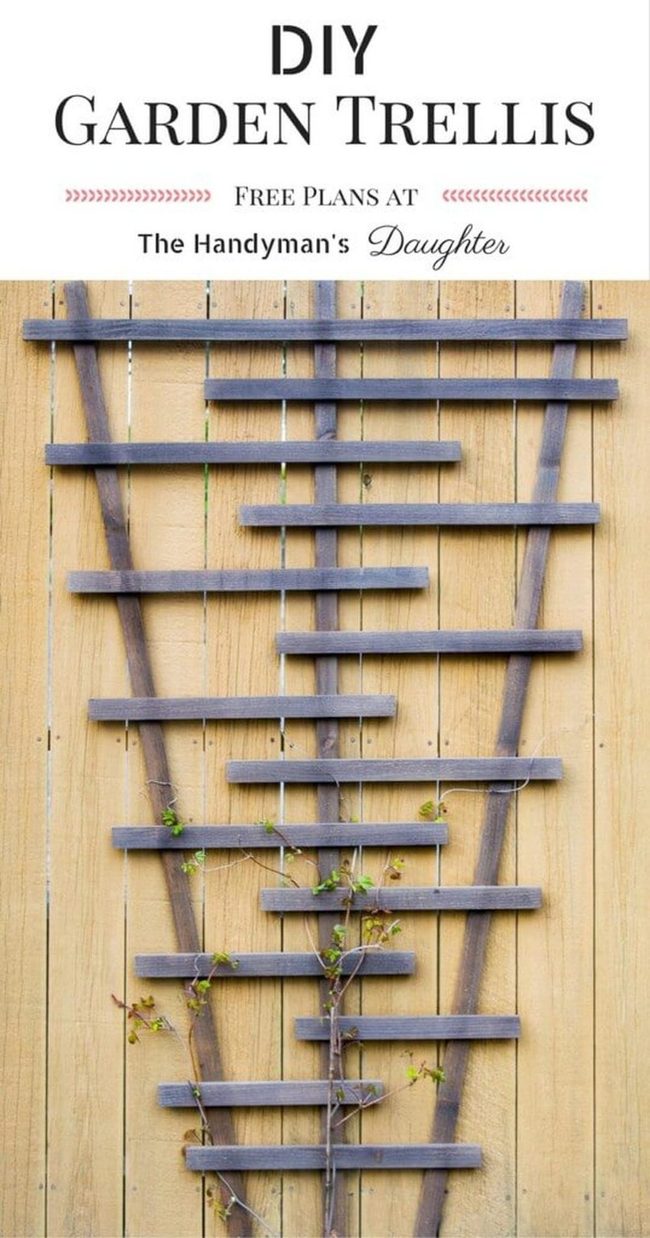
Tall V-shaped garden flower trellises command attention with their striking geometric form and elegant lines, turning any outdoor space into something distinctly personal and artistic.
I admire the way these structures support climbing plants while adding visual depth to your landscape at the same time.
Building one doesn't demand much; just basic tools and materials that make the project doable for beginners and experienced gardeners alike.
Beyond their good looks, the V-shape design actually serves a practical purpose by allowing sunlight to filter through more evenly and reach all parts of your climbing plants, which means healthier growth and fuller blooms for you to enjoy throughout the season.
Climbing Vines Through Stacked Tires
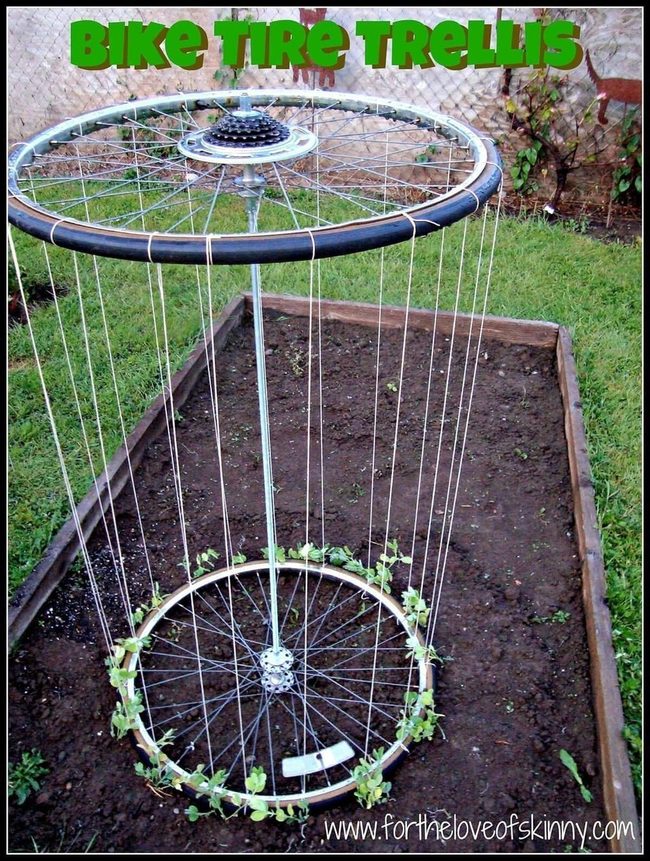
Recycled tires bend into perfect circles that let climbing vines spiral and weave through them, turning your garden into an unexpected showcase of living art.
You get a sturdy structure that holds plants upright while adding genuine visual interest to your outdoor landscape.
Since you're likely to have old tires lying around, this project costs almost nothing and keeps waste out of landfills.
Building one takes just an afternoon, and neighbors often stop by asking how you managed such a clever gardening solution.
Beyond being functional, a tire trellis becomes something people want to talk about and ask you questions about.
A nice touch is how simple materials transform into something both beautiful and useful.
Your garden gains depth and character while you work with what you already own.
Zigzag Wood Trellis Garden
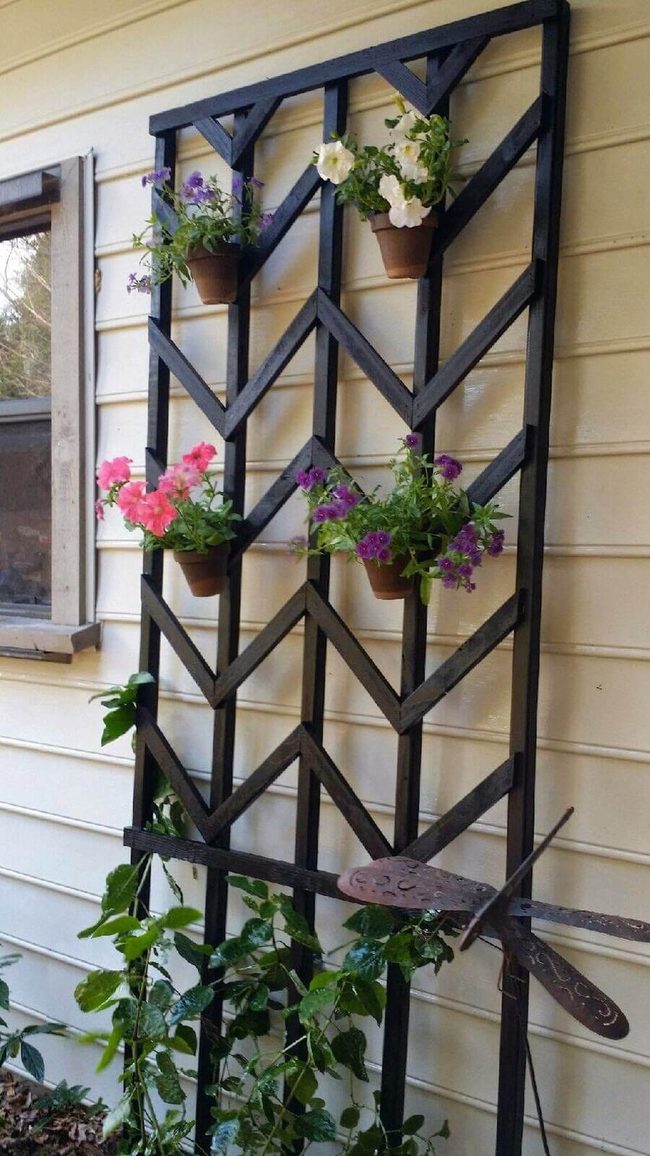
Chevron lattice garden trellises catch attention with their bold zigzag patterns, and they work hard in your outdoor space by supporting climbing plants while the angled design gives your garden real personality.
You can build one from simple wood materials without spending much money, since the striking geometric pattern does all the heavy lifting visually on its own.
Hanging planters at different heights add layers of greenery and blooming flowers around the structure, making the whole setup feel fuller and more dynamic.
This arrangement lets you grow plants upward instead of spreading them across the ground, which saves space and makes watering and harvesting less of a hassle.
The combination of the geometric framework and cascading plants creates dimension that keeps your eye moving around the garden.
Construction is straightforward enough for most people to handle, and the results look polished even though you're working with basic supplies.
Tall Wooden Garden Obelisk
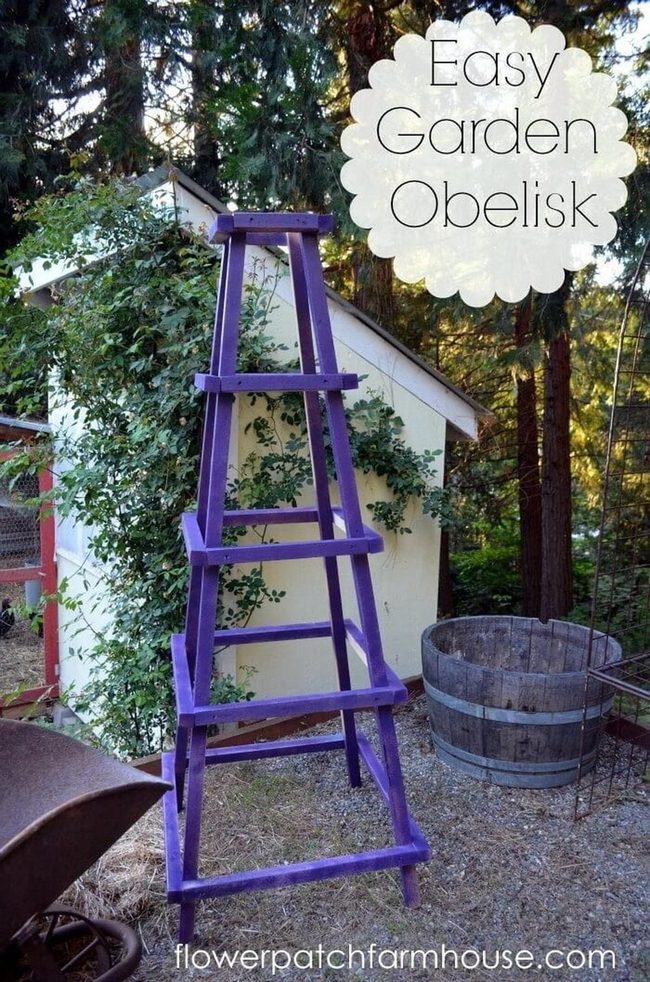
Wooden garden obelisks rise up from the ground and instantly catch attention with their tall, geometric shape that stands out in any outdoor space.
You can grow climbing plants up the structure, so it serves double duty as both a practical support and a garden feature that draws the eye.
Building one yourself uses simple materials like untreated wood, which makes the whole project doable for anyone willing to try it at home.
Since you're making it yourself, this creates space to choose colors or designs that match your personal style and make the obelisk truly yours.
Once it's in place, planting flowers or vegetables around the base fills in the space with color and life all around it.
The whole experience of constructing and planting transforms a simple wooden frame into something that brings character to your garden, and many people find the process of designing and building one just as rewarding as the finished result.
Wooden Lattice Garden Shadows
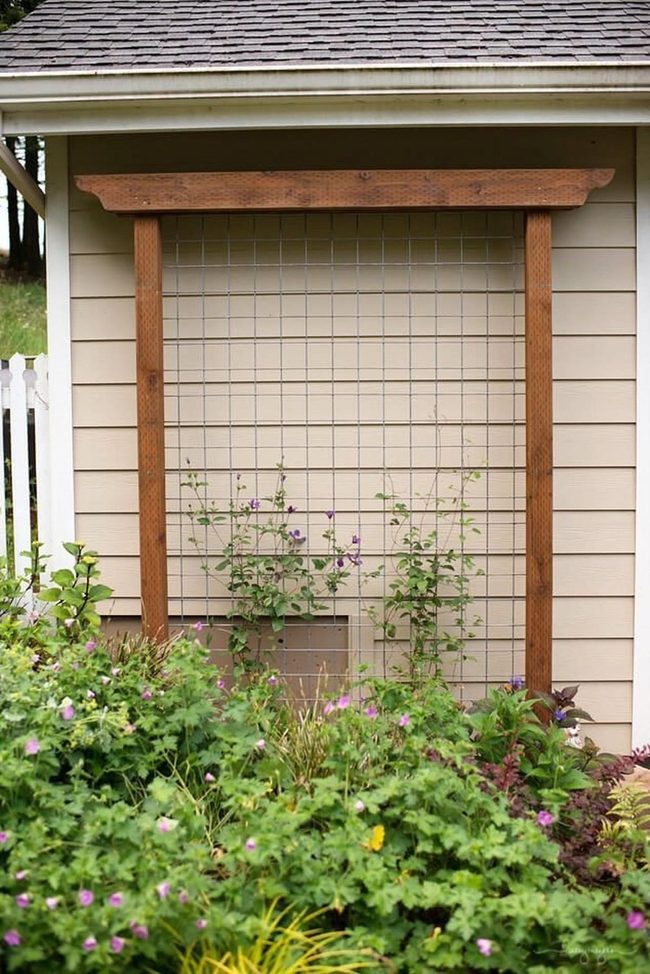
Garden lattice with clean lines and simple design instantly transforms how your outdoor space looks and feels, so if you're looking for something that makes a real difference, this project delivers right away.
You don't need fancy materials or special skills to build one since the basic wooden framework is straightforward and approachable for anyone.
What makes this idea so useful is that climbing plants have something sturdy to grab onto while the piece gives you a way to enjoy the texture and depth it adds to your yard.
Sunlight streams through the open gaps and creates moving shadows across your garden, which looks beautiful throughout the day.
Beyond looks, a lattice serves a genuine purpose by supporting vines and flowers that might otherwise sprawl all over the ground.
We like this option because it handles both form and function without demanding much from you in terms of time or expense.
Even beginners can handle this kind of project and feel proud of what they've accomplished in their garden.
Climbing Vines Through Lattice
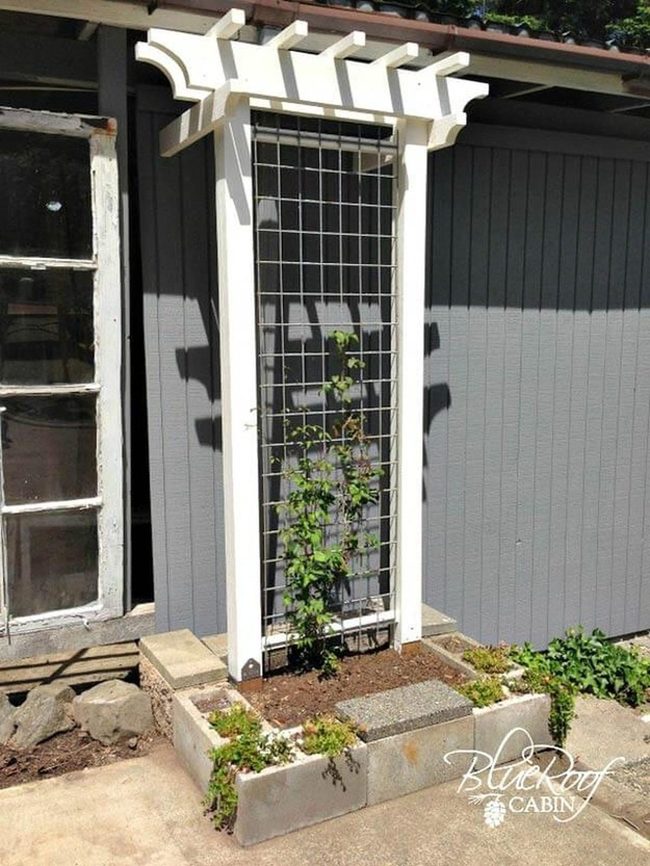
Garden trellises with ornamental flowering vines climbing through their lattice slats stand out as one of the most striking ways to add structure and beauty to your outdoor spaces, and watching rich green vines weave gracefully through the framework as vibrant blooms flourish throughout the seasons delivers that visual appeal right from the start.
You can tackle this as a weekend project using simple materials, which means it's accessible whether you're new to gardening or more experienced.
Building your own lattice transforms an ordinary garden corner into a flourishing area where nature truly thrives.
The room gives you a chance to see that this setup works for any space because you're not stuck with complicated designs or expensive supplies.
Blossoms climb and intertwine across the structure, and this simple addition brings real joy to your gardening experience.
Beyond the beauty, the trellis also helps support and guide your plants as they grow upward, making better use of your garden space.
Climbing Vines On Weathered Metal
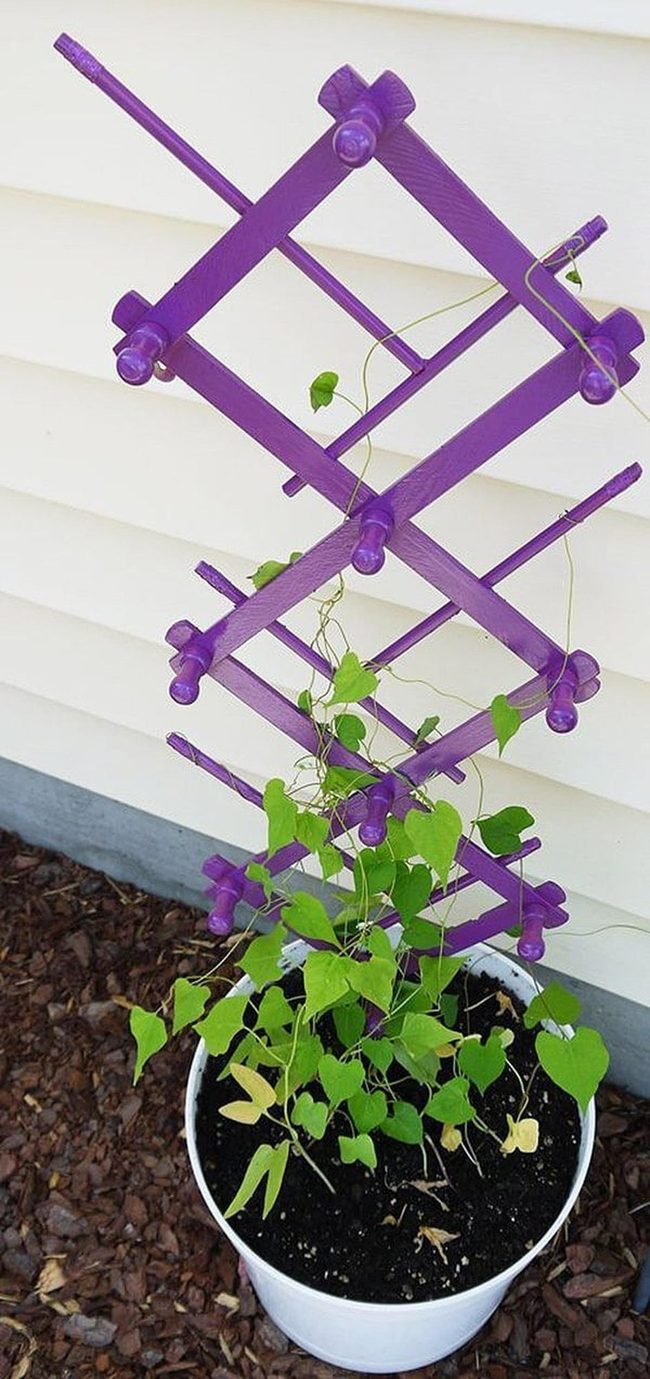
Old coat racks work wonderfully as plant trellises because climbing vines wrap around them and form lush green displays that draw attention immediately.
You can take a forgotten piece and give it new life in your garden, and the weathered material adds genuine character to outdoor spaces.
With some paint or stain, you transform the piece to match your aesthetic and personal style preferences.
Positioning it near a wall or within flower beds lets you decide how prominent the trellis becomes in your landscape design.
As plants grow upward along the structure, they create natural layers of foliage that soften hard edges and add dimension.
A nice touch is how this kind of repurposed approach turns something old into functional garden art that serves both plants and beauty.
It's an easy weekend project that doesn't require special skills or expensive materials, and the results speak for themselves.
Raw Wood Branch Trellis
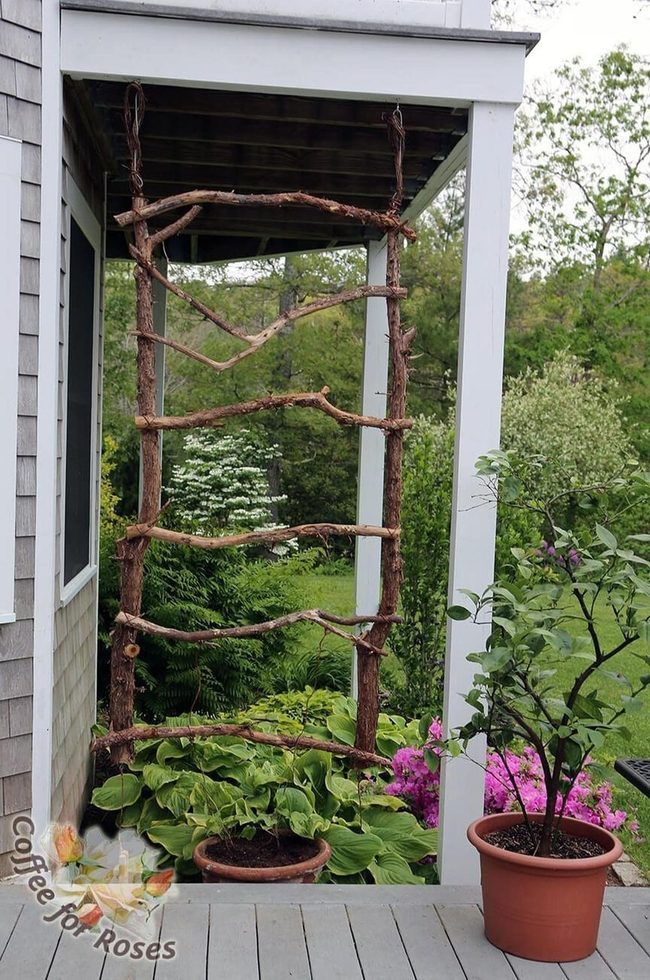
Hanging branch trellis made from simple twigs and limbs brings raw natural beauty right into your outdoor space and gives climbing plants something to grow on.
You can gather branches from your yard or local area and arrange them into a vertical structure that stands out against your garden backdrop.
Most people appreciate how the raw wood texture pairs so well with blooming flowers and leafy vines, and the combination feels warm and welcoming without any fussy design work.
Building one of these takes just basic tools and a few hours, so it fits well into a weekend project for anyone wanting to refresh their garden.
We like that you don't need special skills or expensive materials to pull this off, which means even beginners can feel confident making one.
The finished trellis does double duty by adding character to your space while supporting plants that naturally want to climb, and that practical side makes it a smart choice for your garden layout.
Geometric Lattice Frames Garden
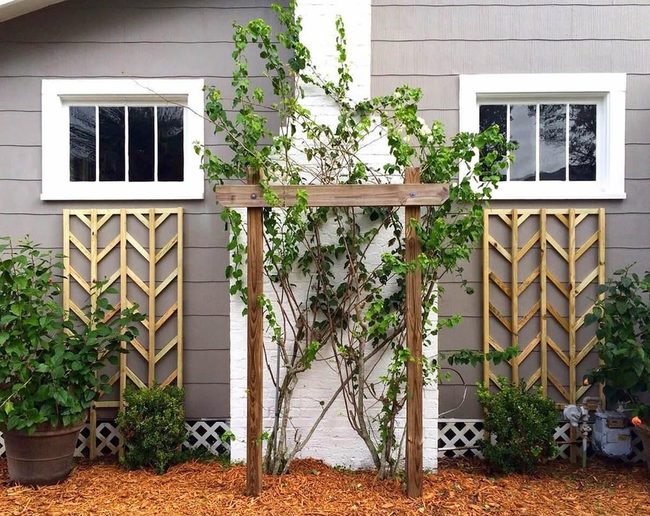
Twin chevron climbing lattices create striking geometric patterns in your garden that catch the eye immediately, and you can build them using simple materials and basic tools in a weekend.
The angled pattern looks modern and stands out against green foliage, giving your outdoor space a polished appearance.
These structures serve double duty by supporting climbing plants and vines while also adding architectural interest to an otherwise plain area.
When you install them properly, they become a centerpiece that draws attention and frames your garden beautifully.
Flowers and climbing plants wrap around the lattices and soften the lines while they grow, which means your garden gets more attractive over time.
You don't need fancy equipment or special skills to make these work in your space, and the payoff is a garden that feels more intentional and put-together.
Reflective Panels With Climbing Vines
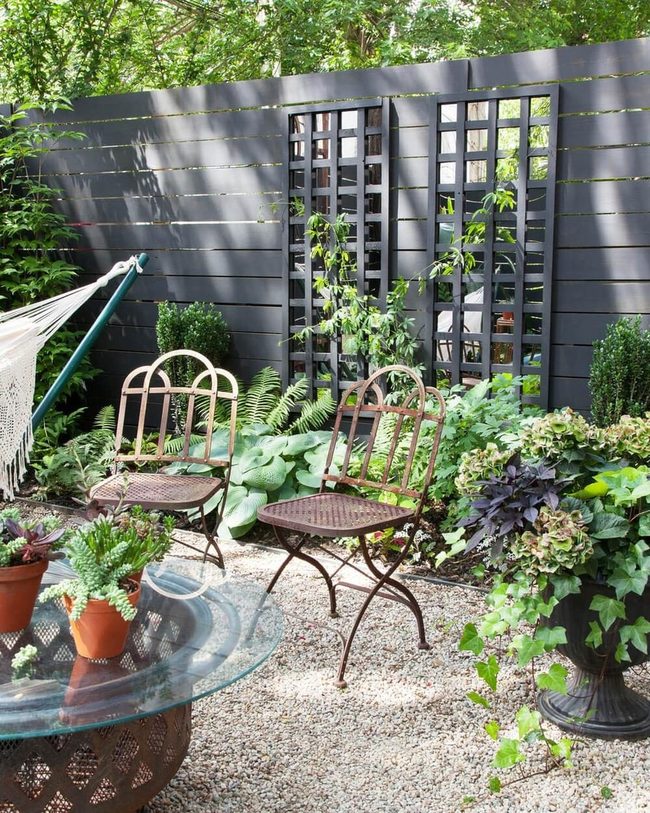
Mirrored surfaces bounce light around your outdoor area and give the space a deeper, more expansive feel that catches the eye immediately.
Climbing plants look especially beautiful against these reflective panels, and they seem to fill up more room than they actually do.
You can build this trellis with basic materials, so it works whether you're experienced with projects or just starting out.
Where you place it matters quite a bit, since the right spot will show off the mirrors and plants to their best advantage.
People who see it tend to stop and compliment what you've done.
If you want to make it even more personal, you can add decorative touches that shift it from a simple plant support into something that feels like a real art piece in your garden.
Vertical Bean Grid Framework
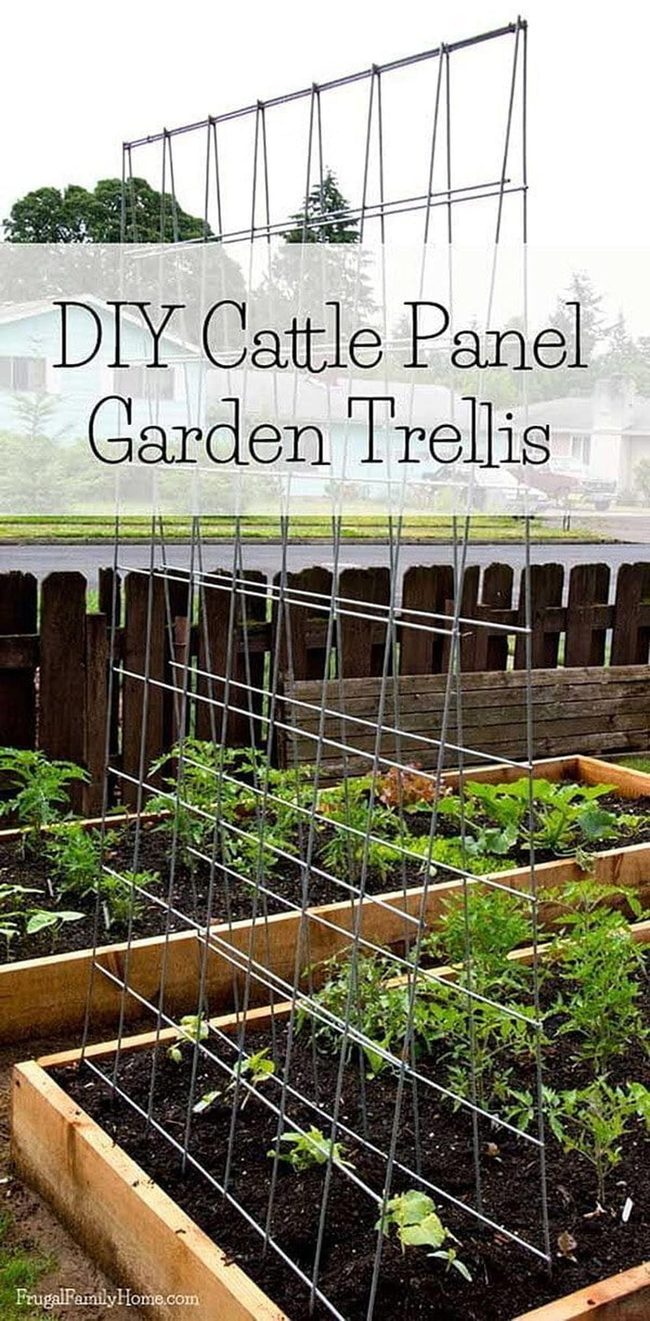
Cattle panel bean trellises stand out in any garden with their tall, grid-like structure that commands attention as climbing beans stretch upward along the sturdy framework.
You can build this functional garden feature using materials readily available at your local hardware store, and the straightforward construction needs only basic tools and a weekend of your time.
Once installed, sunlight reaches all parts of the growing plants as they climb higher, which boosts both flavor and harvest amounts.
This setup saves valuable space in raised beds since beans grow vertically instead of sprawling across the ground.
Kids and adults alike enjoy watching the vines progress week by week, and the whole project wraps up quickly so you see results right away.
Your garden gains both practical function and natural beauty when you add one of these trellises to your outdoor space.
Wooden Bean Obelisks Garden Statement
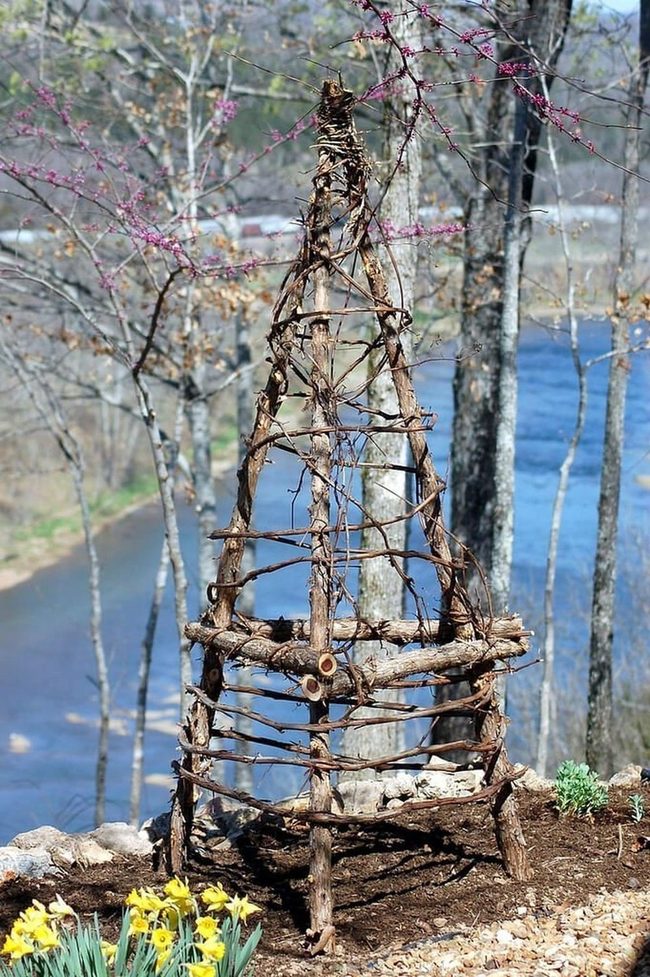
Rustic wooden climbing bean obelisks stand tall in your garden and grab attention with their striking vertical lines and earthy warmth, making them one of the most visually appealing garden structures you can build.
I think the beauty of this project lies in how simple it actually is; you only need basic materials and tools to construct one, so it's totally doable for anyone.
Sturdy wood supports your beans as they climb upward while simultaneously opening up your plants to more sunlight and better air circulation, which keeps them healthier and more productive.
Beyond the practical benefits, this trellis becomes a real centerpiece in your garden layout and draws the eye upward in an interesting way.
You can make it completely your own by experimenting with different wood finishes, paint colors, or decorative touches that match your personal taste.
Steel Vines And Geometry
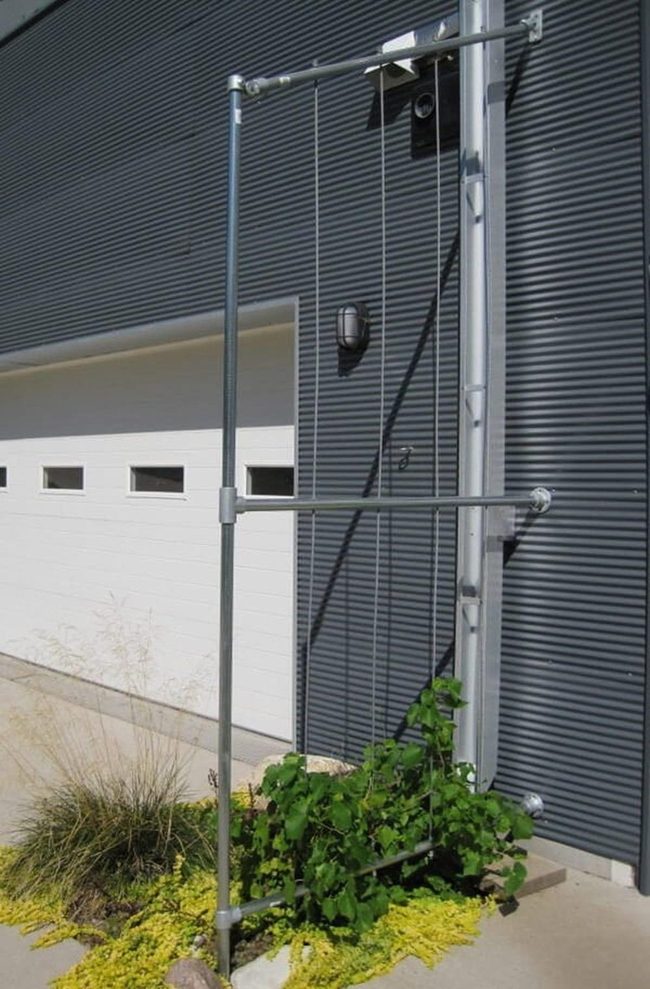
Installing an industrial metal pipe and cable trellis gives your garden a bold, modern edge that immediately catches attention with its sleek geometric lines and sturdy construction.
You can personalize the finish by choosing between rusty patina or polished metal to match your home's style exactly.
Climbing plants thrive on this structure, growing upward and outward to add real height and dimension to your outdoor space.
Building one requires only basic tools, so even if you've never tackled a garden project before, you can handle it yourself.
Beyond supporting plants beautifully, this trellis stands out as a striking focal point that draws eyes across your yard.
The combination of industrial materials and living greenery creates a modern garden oasis that feels both artistic and functional.
Assembly is straightforward enough that you won't need special skills or experience to get it right.
Climbing Vines Hide Ugly Views
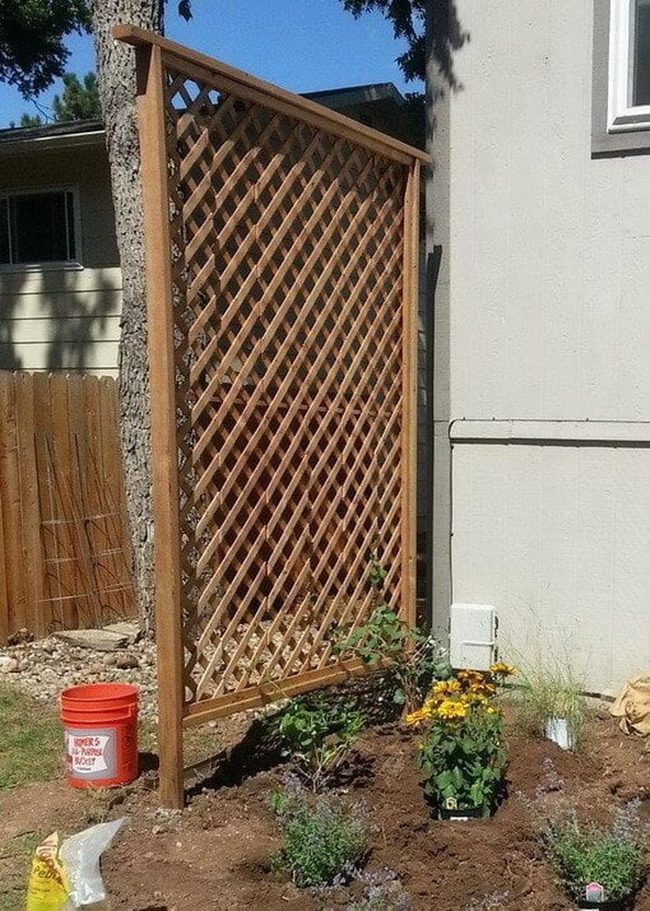
When you build a climbing lattice in your garden, you get both a functional structure and a privacy screen that stops unwanted views while letting beautiful vines grow upward and across.
This project needs just basic tools and materials, so it works well for anyone hoping to improve their outdoor space without much hassle.
Plants love growing on lattices and will flourish as they spread across the framework, naturally filling in gaps and adding charm to your yard.
Construction is straightforward enough that most people can finish this trellis over a weekend, and you'll feel great seeing your work pay off so quickly.
If you want to make it even more your own, painting or staining the wood gives you endless options to match your garden's style.
Asymmetrical Wood And Wire Trellis
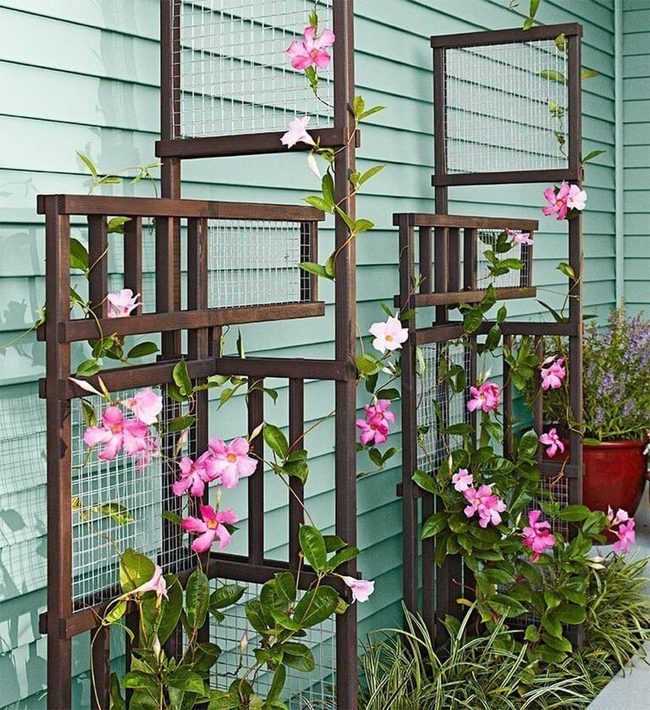
Sculptural designs bring a unique flair to any garden, and this asymmetrical flower trellis combines wood and wire in an artistic manner that adds both structure and creativity to your outdoor space.
You can position the trellis to support climbing plants while making it a standout feature that draws attention and admiration from anyone who visits.
Since the materials allow for flexibility, customizing shapes becomes simple and lets you reflect your personal style through the design.
Wood and wire work well together to build something both functional and visually interesting.
The combination of these natural and structured elements gives your garden a striking appearance that feels fresh and thoughtful.
Planting climbing vines around the trellis transforms it even further as they grow and weave through the frame.
Green Bean Teepee Tower
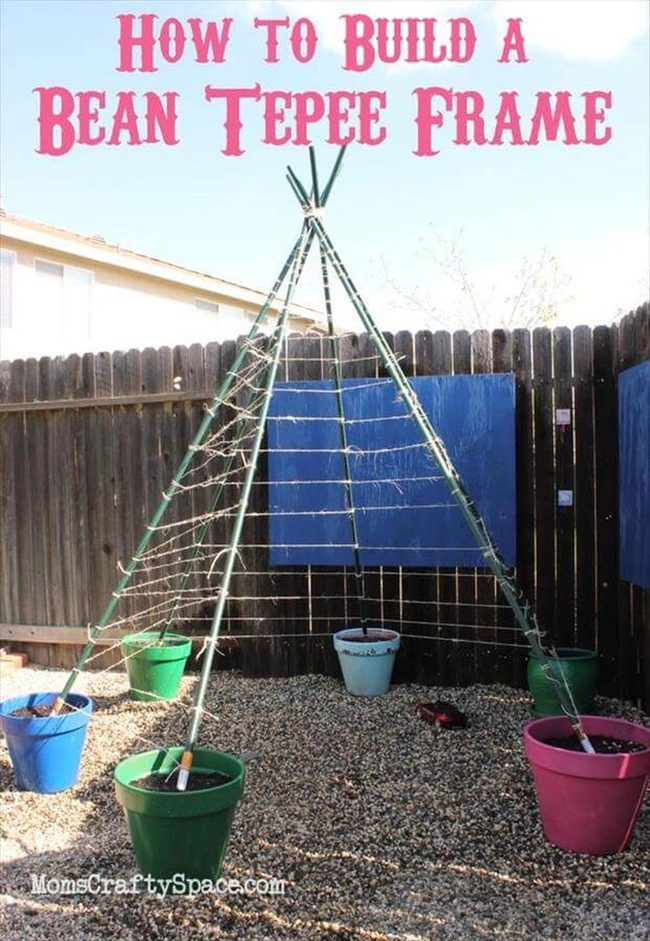
Building a teepee trellis frame for pole beans gives your garden a striking architectural feature that stands out from traditional garden structures, and as your beans climb and sprawl across the poles, the living green canopy becomes one of the most visually interesting parts of your outdoor space.
You can construct this charming frame using basic materials like bamboo poles or wooden stakes in just a few hours, and the project itself is straightforward enough for gardeners of any skill level to tackle.
Beyond looks, the structure serves a practical purpose by giving your climbing beans the support they need to grow upward and produce abundantly throughout the season.
Since you're working with minimal time and resources, this becomes an affordable way to add something genuinely different to your garden layout.
The beans themselves wrap naturally around the poles as they develop, so the frame becomes more lush and beautiful as summer progresses.
Wire Trellis With Climbing Vines
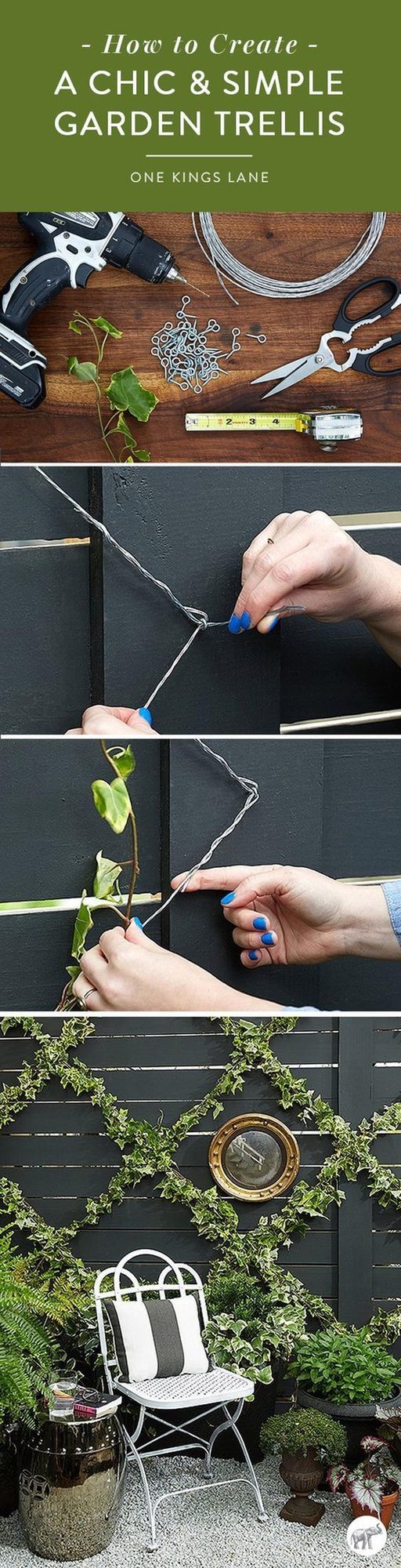
Building a wire trellis with basic materials like wire and stakes gives you a straightforward way to add vertical elements that transform any garden space, and vines will naturally climb the structure as lush greenery spreads across it.
You can customize the height and width to fit your garden's specific needs, making this project work in different settings and arrangements.
Construction itself stays manageable and enjoyable since you're working with simple components that don't require special skills or tools.
As plants grow and flourish around this basic creation, you have a practical way to watch vines climb higher toward the sun day after day.
Functionality matters here because the design lets plants thrive while also creating an eye-catching display in your outdoor area.
Wooden Arch Trellis Planter
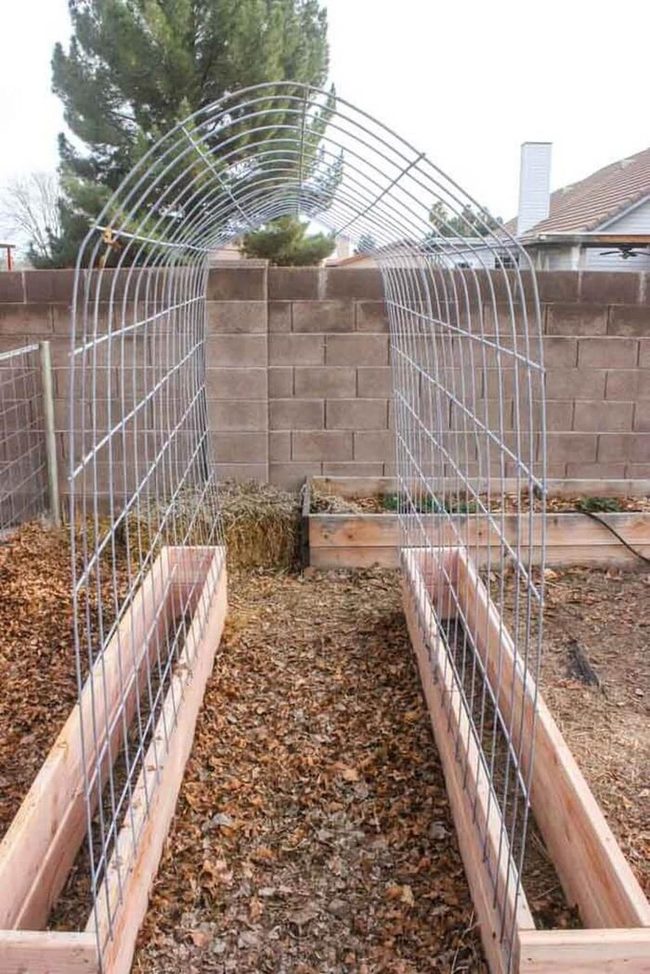
Garden trellises serve as both beautiful structures and practical supports for your outdoor space, and when you combine a simple planter with an arch trellis, you get something that works hard on two fronts at once.
Wood or metal materials stand out as eye-catching centerpieces in any yard while lifting your gaze upward and adding dimension to how your landscape flows.
What makes this project so appealing is how straightforward it really is; you don't need much more than basic tools to bring it together, which means anyone can tackle this whether they're experienced or just starting out.
Since you control the size and shape of the archway, your own style comes through naturally in how you build it.
Climbing plants and vines will have the structure they need to thrive, and as they grow upward throughout the season, they'll bring bold color and life to your garden.
Wooden Trellised Planter Combo
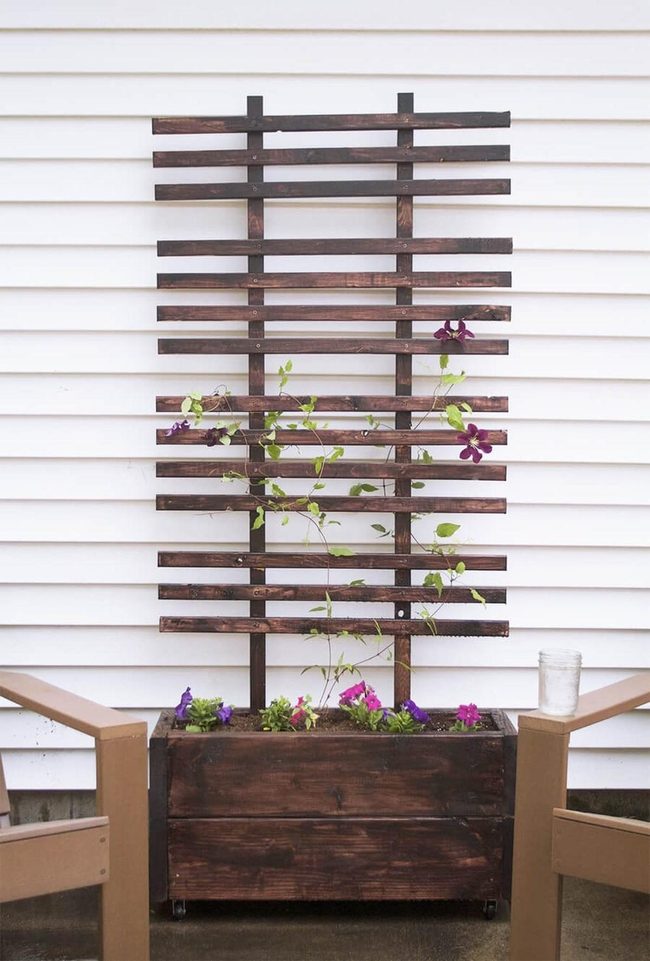
Wood flower planters with matching trellises form a striking garden feature that immediately catches your attention with their natural charm and structure, and you can build these pieces yourself over a weekend to match your outdoor style.
Since climbing plants like roses and beans need somewhere to grow upward, the sturdy wooden trellis does double duty by supporting the plants while adding height and dimension to your space.
Colorful flowers blooming in the planter below shift with the time of year, so your garden never looks the same twice.
Your garden gets both function and beauty in one setup, which means less guesswork about what to plant where.
The combination works well because the structure gives climbing plants a clear path to follow, and they reward you with dense foliage and flowers that soften the wooden frame.
Sophia Williams
Content Specialist & Design Enthusiast
Expertise
Content Creation for Interior Design, Modern & Contemporary Decor, Sustainable Design Practices, Space Planning, Color Consultation, Home Styling Tips, DIY Home Projects, Trend Analysis, Audience Engagement
Education
Florence Design Academy (Florence, Italy)
KLC School of Design (London, UK)
Sophia Williams, Lead Editor at columbia-artists.com, specializes in making design simple and accessible. She studied at Florence Design Academy and earned a Certificate in Interior Decoration from KLC School of Design in London.
With 5 years of experience, Sophia has worked with design publications and industry experts, helping readers bring their ideas to life. She focuses on practical tips, styling tricks, and DIY projects to make decorating fun for everyone.
In her free time, she enjoys flea markets, upcycling furniture, and exploring sustainable design.