
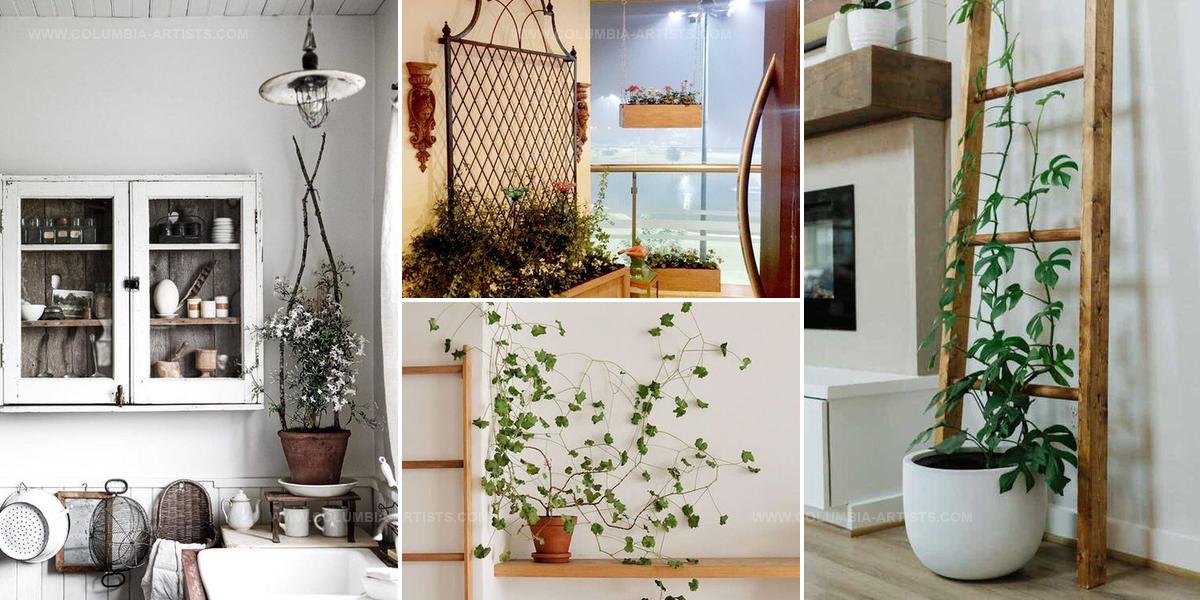
20 DIY Ladder Trellis Ideas That Support Houseplants
Houseplants deserve beautiful vertical supports, and ladder or trellis structures offer practical solutions while adding artistic flair to indoor spaces.
Many climbing varieties need something sturdy to grab onto as vines extend upward and outward.
A well-designed support system helps plants grow healthier while becoming a decorative focal point in any room.
Making one yourself saves money compared to store-bought options and allows complete creative control over materials, dimensions, and style.
Simple projects work perfectly for beginners, while more complex designs challenge experienced crafters looking for weekend activities.
Whether living in a small apartment or spacious house, vertical gardening maximizes limited floor space efficiently.
Copper Wire Garden Wall
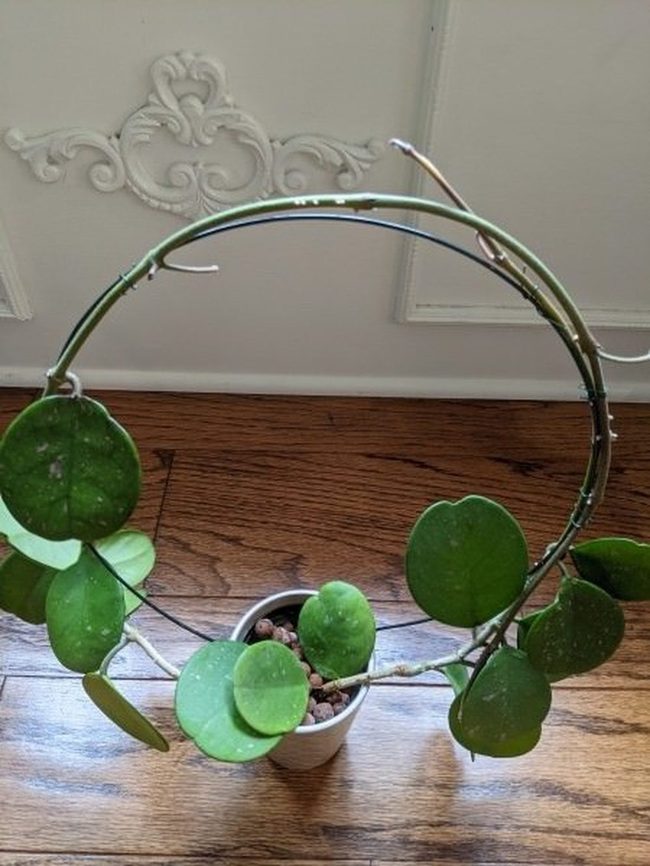
Wire trellises for climbing houseplants offer a striking way to fill empty wall space with greenery, and you can build one from simple materials like copper or stainless steel wires without needing advanced skills or special tools.
Metal frameworks provide lightweight support that lets your plants grow upward in spaces where they might otherwise sprawl across floors or furniture, making them perfect for apartments and small rooms.
Setting up a wire trellis against a wall or window is straightforward and affordable, so you won't need to spend much money to transform a bare corner into something lush and green.
Plants naturally adapt to climbing along the wires, and as they grow, they create beautiful displays of foliage that catch light from different angles throughout the day.
Metal Vines On Industrial Frames
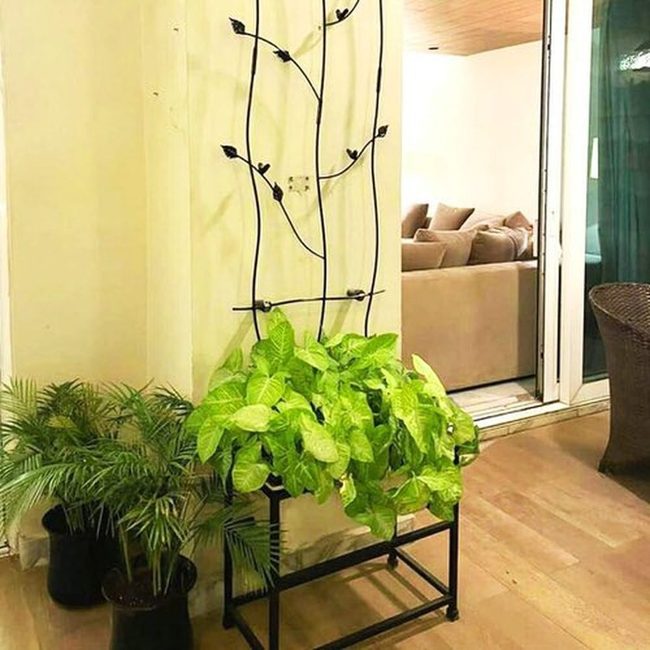
Metal trellises make a bold statement as vertical gardens that bring trailing plants and industrial style together, and lightweight frames provide perfect support for climbing vines like pothos and philodendron.
Sturdy metal designs encourage your plants to grow upward with graceful movement and real architectural appeal, while intricate wire patterns add visual dimension and guide delicate tendrils along smooth routes.
You'll observe how these sculptural plant holders make indoor spaces feel more dynamic right away, and walls transform into living botanical displays that go way beyond what ordinary decor can do.
A nice touch is how metal works with nature to create something that feels both modern and organic at the same time.
Cascading Vines On Wooden Trellis
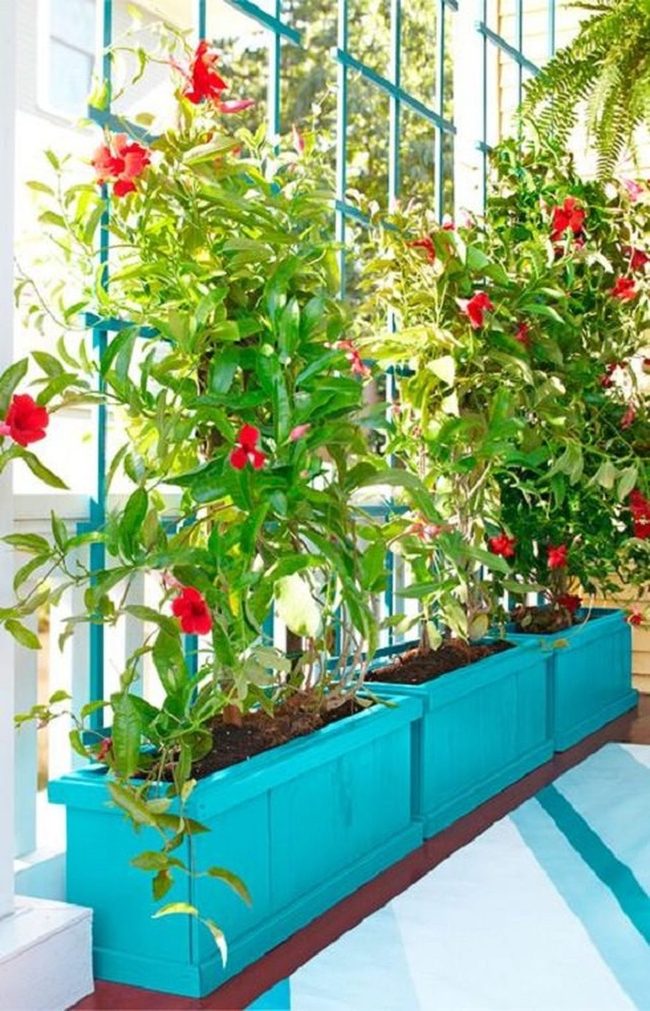
Trailing flowers drape gracefully along wooden supports and form natural green artwork that catches attention immediately, while sturdy wood panels hold delicate climbing vines and cascading blooms with ease.
Trellis flower boxes bring elegant vertical gardening solutions right into your home spaces without taking up much room.
If you have a balcony, patio, or small garden area, these compact structures fit seamlessly into tight spots where traditional gardens won't work.
What makes them even better is how simple they are to put together yourself.
Lightweight materials mean you don't need special tools or advanced skills, and beginners can handle assembly quickly and straightforwardly.
The best part is how accessible this option is for anyone wanting to add more greenery and color to their outdoor spaces.
Metal Circle Trellis Wall
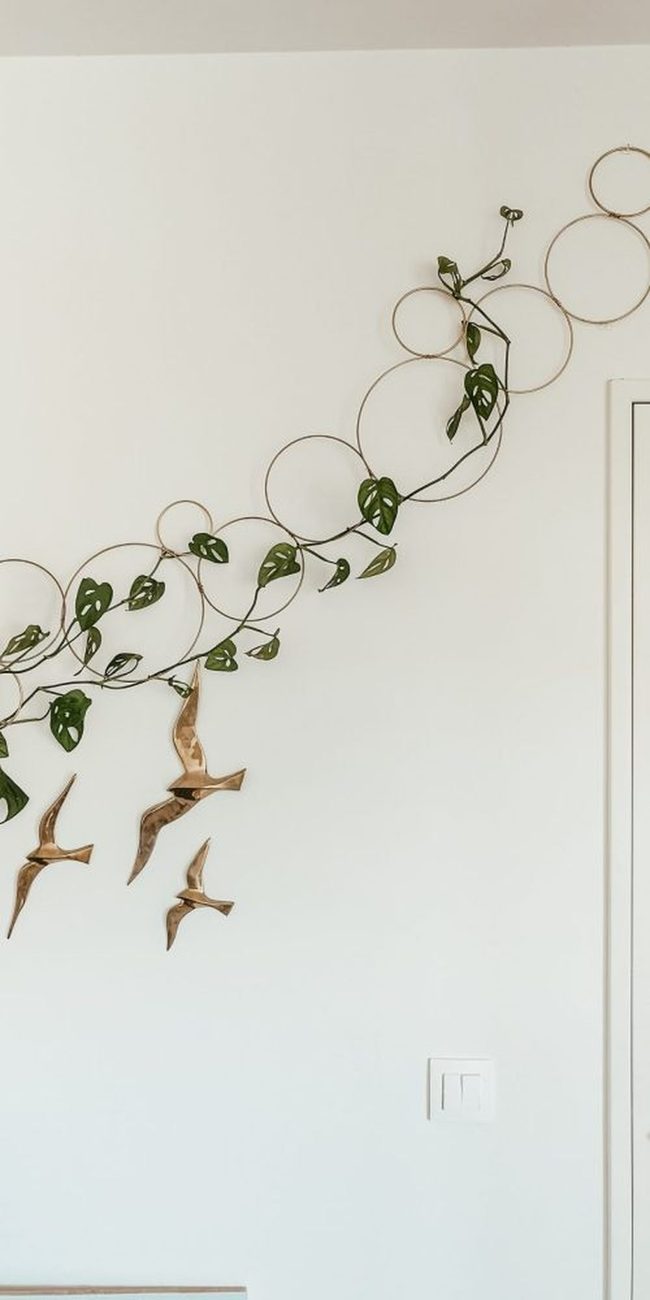
Wire trellises made from metal circles stacked horizontally on your walls offer a striking way to turn bare spaces into living plant displays.
Metal wires form smooth, interconnected loops that run along your wall and create visual interest on their own, even before you add any greenery.
Delicate twine threads between each circular section and holds climbing plants securely as they grow upward.
The best part is how lightweight these structures are since you can mount them without special tools or heavy-duty hardware.
Your modern interior style stays intact because the clean lines and minimalist design don't fight with what you already have on your walls.
Building one yourself is totally doable if you want to save money and customize the size to fit your space.
Once your climbing plants fill in the circles over time, the whole setup becomes an eye-catching green focal point that feels natural and effortless.
Vintage Silverware Plant Trellises
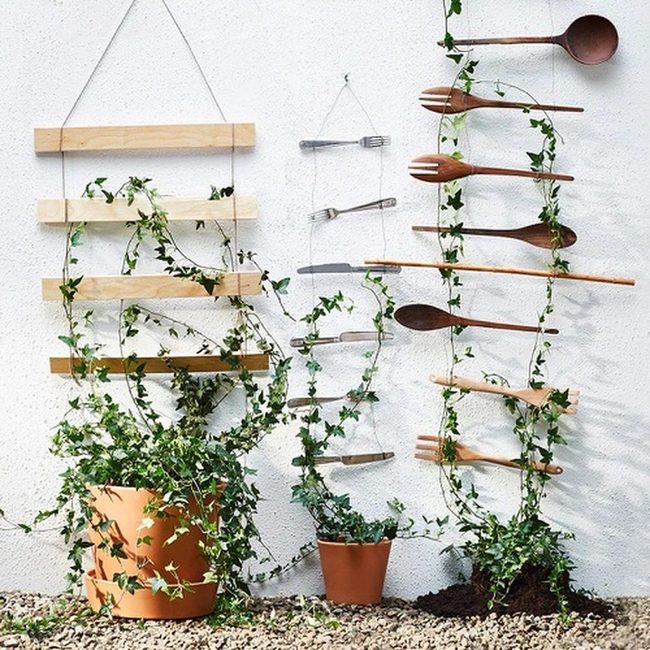
Old silverware and kitchen utensils rise up as unexpected plant supports that instantly catch attention in any garden space, and when you arrange vintage forks and spoons into vertical frameworks using wire or jute rope, ordinary climbing vines transform into artistic displays with surprising appeal.
Climbing plants like jasmine and morning glories weave beautifully through the curved handles and delicate tines, creating living sculptures that add personality to both indoor and outdoor areas.
What makes this project so rewarding is how recycling forgotten cutlery solves your plant support needs while giving each handmade trellis its own distinctive character.
Many crafters enjoy discovering that simple materials can produce such delightful garden structures, and you'll find that this approach brings quirky charm to spaces that might otherwise feel plain.
Metal utensils work especially well because they hold up to the elements and provide sturdy anchors for growing vines.
Living Walls Through Wooden Vines
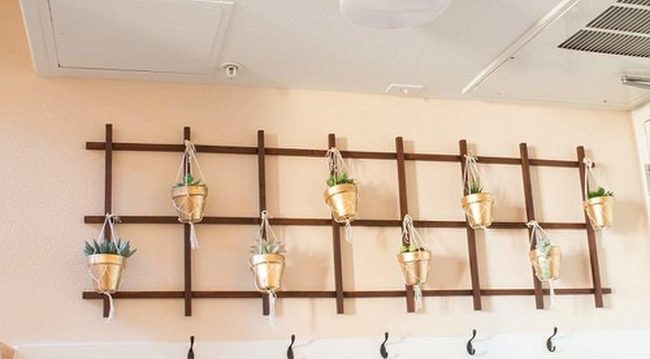
Indoor trellis gardens let you turn bare walls into lush plant displays with just a few simple materials and basic building skills.
Climbing plants like pothos, philodendron, and jasmine grow upward along these structures in weeks, covering empty spaces with living greenery that brings life to compact apartments and small rooms.
Wood ladders work well as improvised trellises that support delicate vines and trailing plants without needing anything fancy or complicated.
These lightweight frames sit easily against walls and don't take up floor space, which makes them perfect for anyone living in tight quarters.
If you enjoy DIY projects, I can sense how quickly you can set up a vertical garden that looks polished and thoughtful.
The whole setup costs very little compared to other ways of decorating, and you get results that feel fresh and natural.
Plant varieties that love to climb adapt well to these systems and reward you with constant growth throughout the seasons.
Green Cascades On Pale Wood
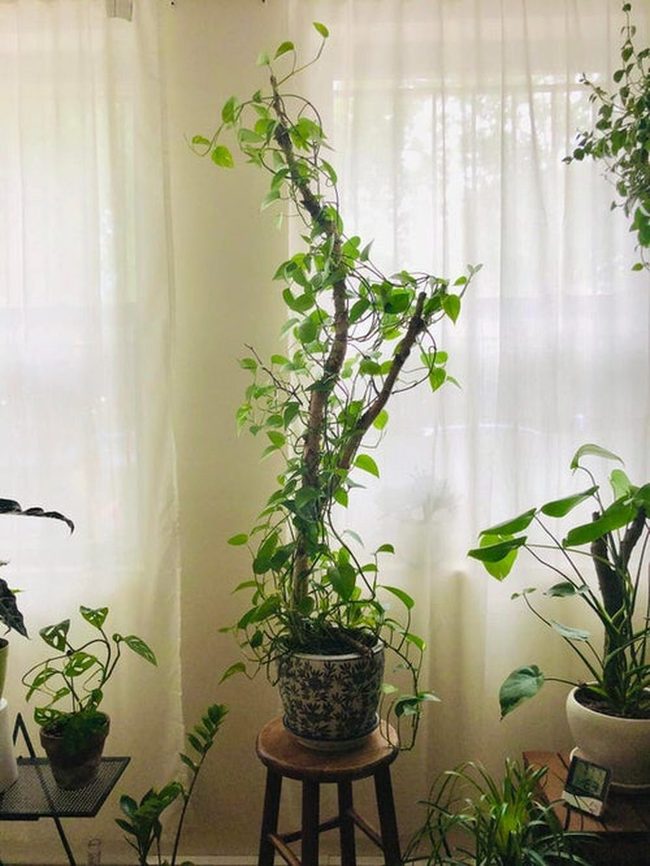
Pothos vines tumbling down pale birch stems deliver an eye-catching display that stops people in their tracks, and you can achieve this striking look with almost no work at all.
Green leaves cascade along the smooth wood and build visual depth throughout your space in a way that feels naturally beautiful.
Birch stems stand tall as elegant vertical structures, giving your trailing pothos exactly what it needs to grow and climb without fussy care.
Houseplant lovers gravitate toward this setup because the vines wrap around the wood so easily and the whole arrangement stays healthy without demanding complicated techniques from you.
Once you place the stem in soil and let the pothos start its journey upward, the plant handles most of the work on its own.
This botanical approach brings a polished, garden-fresh feel to any room while keeping maintenance refreshingly simple.
Metal Trellis Green Living Walls
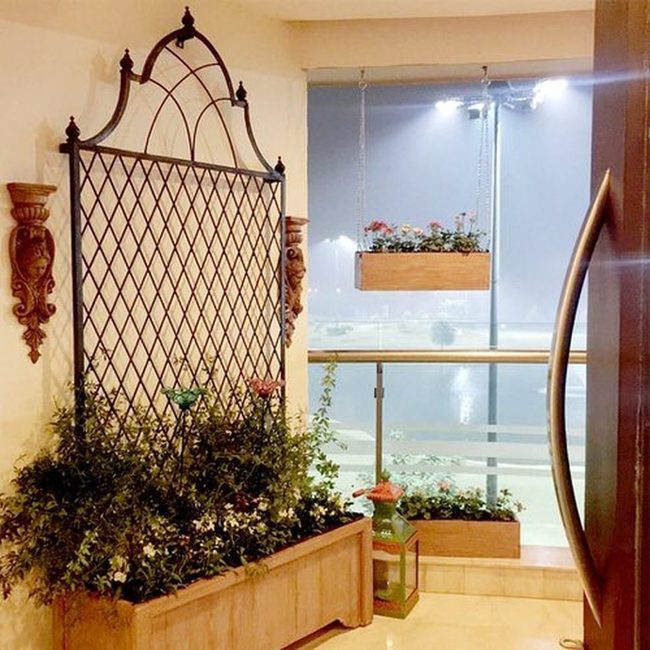
Metal trellis gardens turn ordinary walls into living green displays that blend industrial style with natural plant life, and climbing plants wrap around the structured frames to create art pieces you can actually grow.
Wooden planter boxes sit at the base of these trellises and tie the whole setup together with a warm, natural feel that balances the cool metal elements.
Ivy and philodendron vines thrive on these supports and bring rich green texture to any room, making the space feel more alive and connected to nature.
You can fit these gardens into tight apartment corners or expansive living rooms without any trouble since they work on any scale.
What makes this approach so useful is how well it adapts to different decorating styles, whether your space leans modern, rustic, or somewhere in between.
Installing a metal trellis garden doesn't demand much floor space, so you get maximum greenery without crowding your rooms.
Wooden Ladder Trellis For Climbing Plants
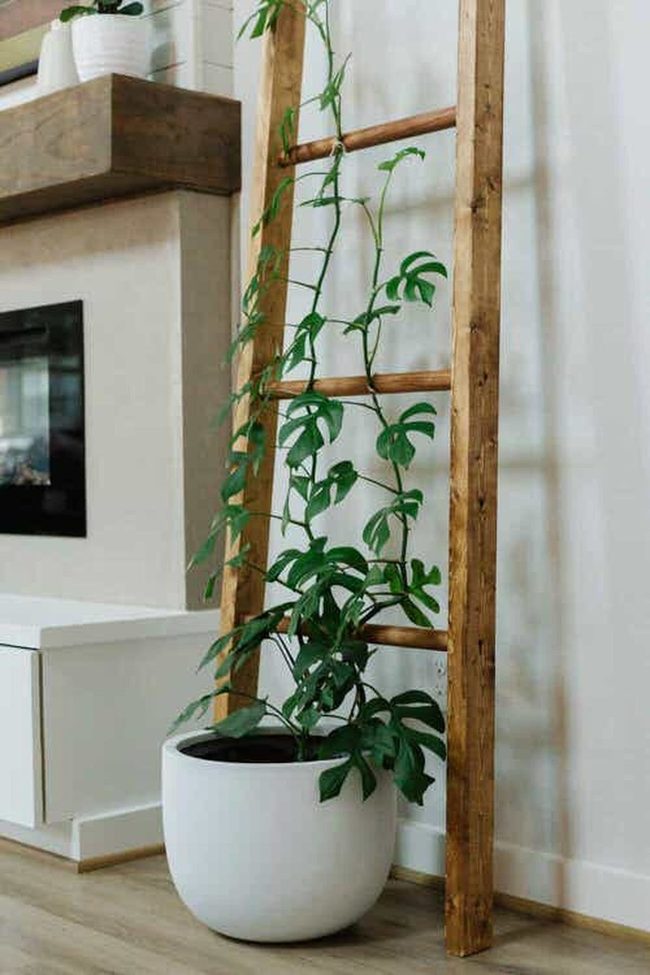
Ladder plant trellis made from wood closet poles and pine board cuttings brings rustic charm to indoor spaces and lets climbing plants stretch upward through the rungs, adding height and greenery to corners that feel empty.
You can build this structure with basic tools like a drill and wood screws, and natural wood stains let you match the finish to your home's style.
Since the trellis stays compact, it works well in small apartments where floor space matters, and the handmade quality gives your space character that store-bought options simply cannot match.
Houseplants weave through the rungs with ease and look naturally beautiful as they grow upward and outward.
This project combines function with authentic style, turning plain materials into something that actually looks like it belongs in your home.
Your indoor landscape gets depth and life without taking up much room or requiring complicated construction skills.
Diagonal Rope Plant Architecture
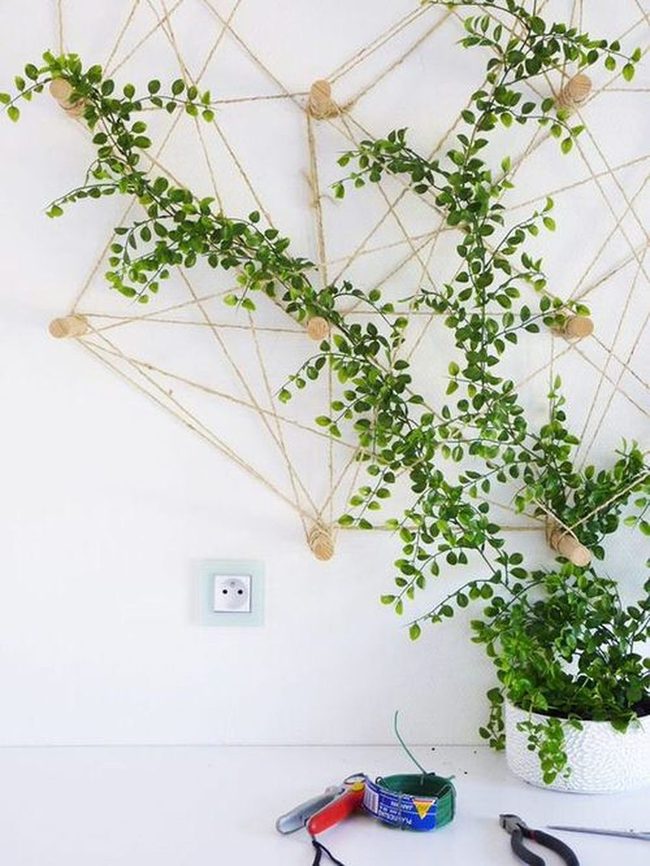
Zig-zag rope trellises stand as striking architectural features that guide climbing plants through your space in mesmerizing diagonal patterns.
A nice touch is how these structures weave elegance into indoor environments, and the simple mounting hardware makes it easy for anyone to design dynamic vertical landscapes without needing advanced building skills.
Lightweight ropes flex to support delicate tendrils as they grow upward, while the minimalist design stays out of the way and lets your plants become the star of the show.
Plants like climbing philodendrons, pothos, and jasmine take to these geometric structures naturally, finding perfect pathways along the ropes.
Wooden or metal hooks serve as artistic anchor points where your botanical exploration can unfold.
You can adjust the design to match your style since the understated charm of these trellises doesn't demand anything specific.
Growing plants vertically solves space challenges in clever ways and transforms bare walls into living art.
Climbing Vines Fill Vertical Walls
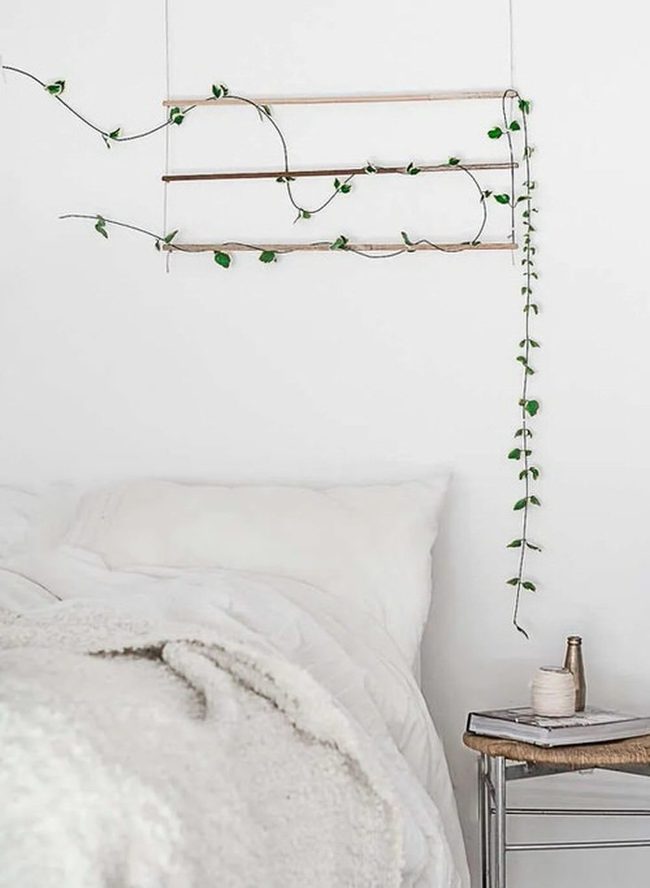
Indoor trellis systems give your houseplant displays a whole new dimension by letting vines climb upward and fill empty wall space with natural green movement.
Wood strips and twine make lightweight frameworks that work well for supporting various vine species as they grow and spread.
You can build these structures using simple techniques, and the vines will scramble upward with graceful, organic growth patterns.
If you want something more modern, metallic paint transforms basic wooden supports into contemporary design elements that match your home's style.
Climbing vines respond beautifully when you give them both horizontal and vertical supports to follow.
Handmade trellises provide the infrastructure your enthusiastic vine species need to thrive and expand.
Home decoration becomes much more dynamic when you add these plant structures because they encourage vertical growth and bring life to otherwise plain walls and corners.
Variegated Pothos On Natural Twig
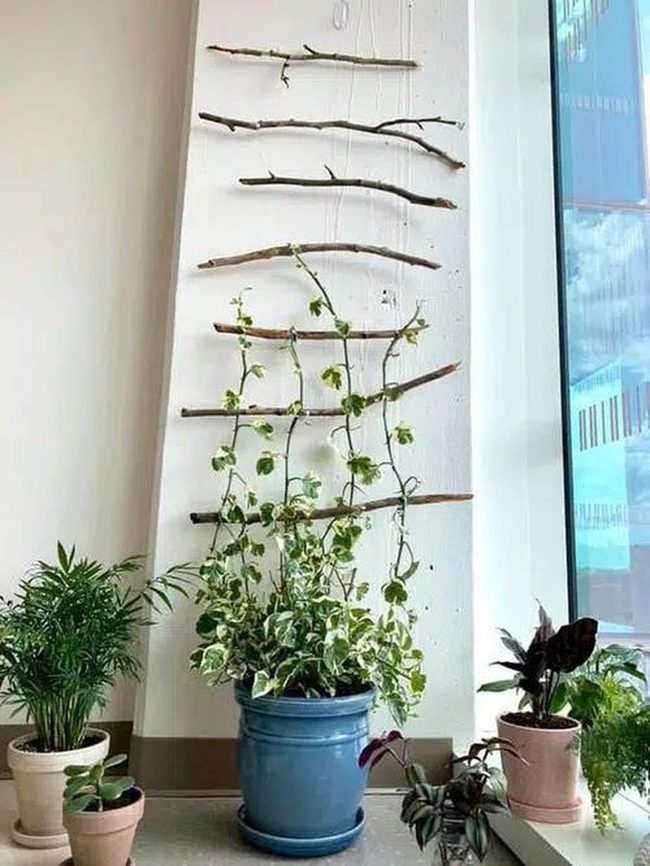
Variegated pothos draped across a twig trellis makes an eye-catching statement that brings woodland charm right into your home, and the contrast between the green-and-white leaves and natural wood creates a beautiful focal point in any room.
You can build this setup using simple materials like twigs and rope or S-hooks, which means no special skills or complicated tools are needed to get started.
Natural wood pieces work perfectly as a climbing framework because they're lightweight and blend in seamlessly with your indoor plants and décor.
Securing the twigs together with rope or basic S-hooks keeps everything sturdy and stable while your pothos grows.
As the trailing vines cascade down and around the rustic structure, they gradually transform your simple plant display into an artistic green statement.
A nice touch is how this approach takes ordinary elements and turns them into something that feels both natural and intentional in your space.
Circular Frames Guide Climbing Green
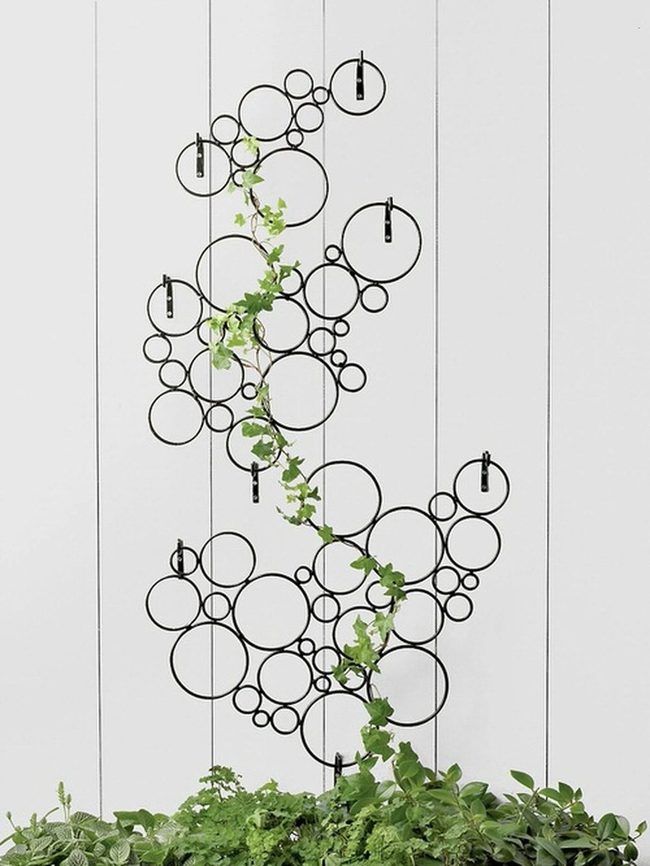
Climbing plants weaving through circular metal or wooden frames turn bare walls into living botanical art that catches the eye immediately.
Round loops guide vines and tendrils naturally without holding them back, and they work well for preventing tangled growth while keeping your green space organized.
You can mount these frames with basic tools like a drill and sturdy wall anchors, making installation straightforward for most home gardeners.
Houseplant lovers find this method simple for transforming empty walls into displays of greenery without fuss.
These circular structures add visual interest to any indoor space where you want plants to grow upward.
If you're looking for an easy way to style your plants with both function and appeal, a trellis loop delivers exactly that.
Green Vines On Wooden Frames
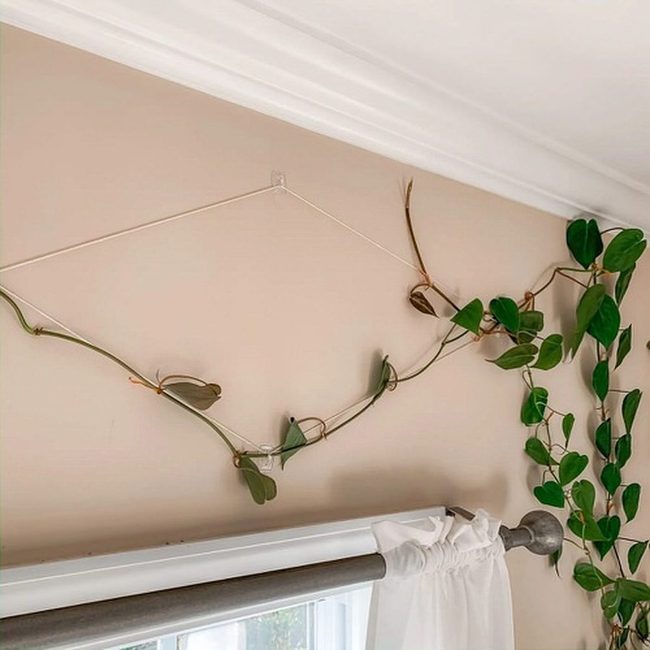
Indoor plant trellises let you guide climbing vines into living artwork without spending much time or effort, and you can build these supports from wood, copper pipes, or bamboo stakes to match whatever style your home already has.
Vertical gardens solve the problem of limited floor space while helping your plants grow in beautiful, structured patterns that look polished and refined.
Vines like pothos, jasmine, and philodendron absolutely flourish when you give them a framework to climb on, and they'll naturally follow the trellis as it guides their growth upward.
This approach brings green color and natural beauty into any room you choose, giving you those lush accents without taking up valuable space.
A nice touch is how compact trellises sit neatly against walls or in corners, making them perfect for apartments or smaller homes.
Plant climbing structures do more than just support growth and they add character to your walls while keeping everything looking organized and neat.
Swiss Cheese Plant On Jute Ladder
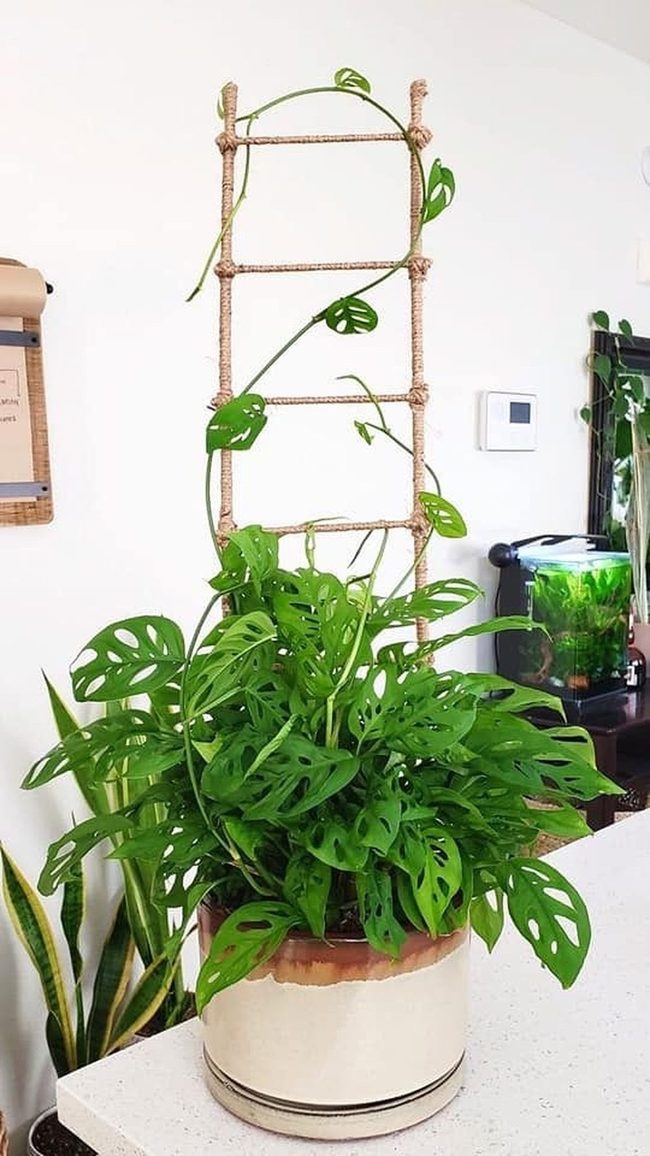
Swiss cheese plant climbing up a jute ladder makes for one of the most striking ways to display houseplants in your home, with the natural rope wrapped around each rung offering the perfect textured surface for delicate stems to grip and wind around.
When you position plants strategically across the different levels, they sprawl outward in graceful layers that draw attention from every angle.
Watching the tendrils weave through the rope creates an organic, artistic look that feels alive and natural in your space.
What makes this setup so appealing is how lightweight the whole thing stays, so you can move it around whenever you want or adjust it as your plants grow taller and fuller.
In just a little time, you can take an ordinary ladder and turn it into a beautiful green centerpiece that becomes part of your room's personality.
Houseplant lovers appreciate how simple this method is and how well it works without needing any special tools or complicated steps.
Vertical Wood Plant Ladder Corners
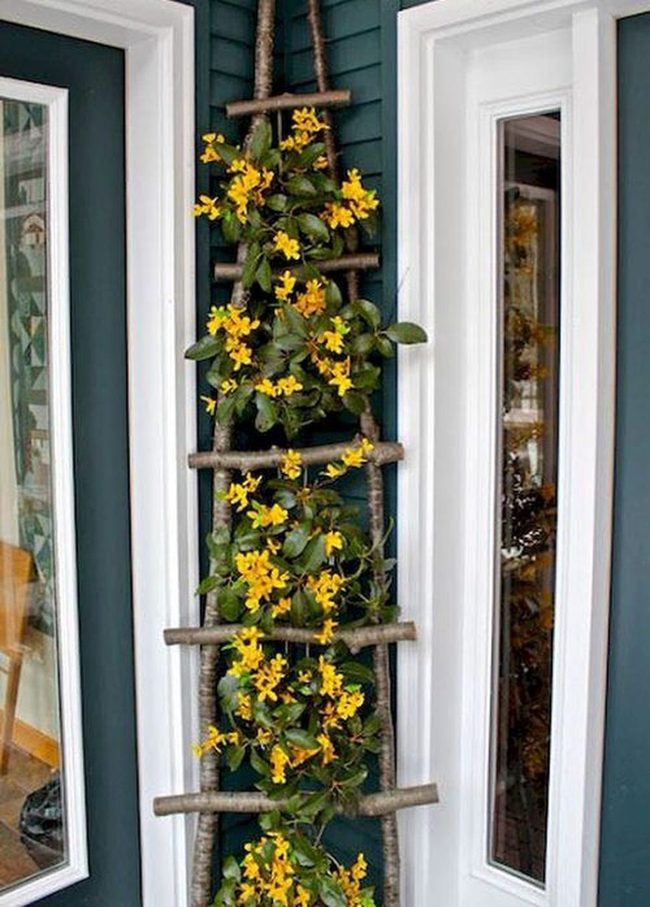
Wooden ladder trellises turn forgotten narrow corners into lush green sanctuaries by bringing plants up and off the floor, and when you space compact shelves at different heights, your plants get better sunlight exposure while staying out of your way.
Lightweight wooden structures work especially well in awkward corner zones where floor space is already tight, and trailing vines plus compact houseplants thrive in these vertical setups without eating up room you need for other things.
A nice touch is how flexible these designs are because they adapt to whatever style your home has and fit whatever plants you already own.
Strategic placement means you can squeeze serious plant magic into spaces that seemed too small to bother with, and the natural charm these wooden displays bring to your interior landscape beats most other solutions for tight living areas.
Your corner that once felt wasted now becomes a mini botanical gallery, and the whole setup stays simple enough that anyone can adjust it whenever they want to rearrange things.
Tiered Wood Plant Shelving
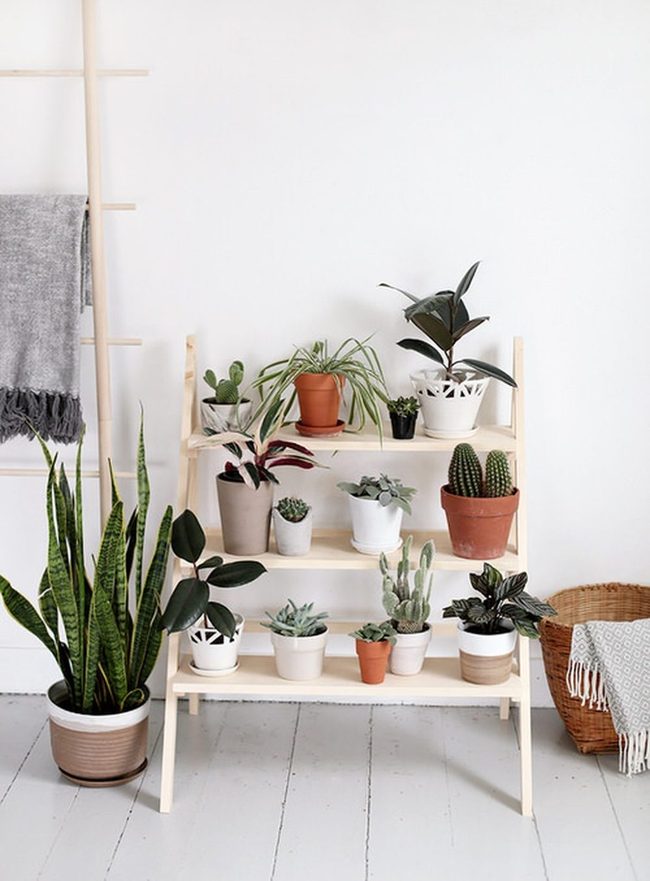
Wood boards stacked into multi-level shelving display your houseplants in a way that turns any corner into something special, and pine planks with basic woodworking tools let you build exactly what works for your space.
Miter saws and nail guns make the construction process straightforward, so you don't need professional experience to pull this off.
Arranging plants at different heights brings variety to how your collection looks and helps you make the most of limited room, whether you're working with a small apartment or tucking greenery into an awkward spot.
Wooden tiers give you sturdy platforms that handle everything from trailing pothos spilling down to compact succulents sitting upright, and the structure itself works with many home styles; modern and minimal or warm farmhouse vibes all work beautifully.
Building your own plant stand becomes a project that feels rewarding because you end up with something that reflects your taste and love of plants.
Living Vines On Metal Hooks
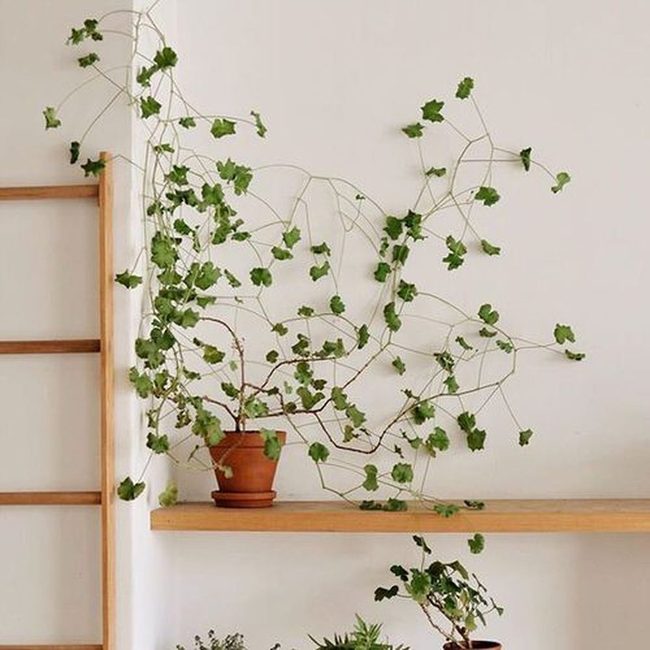
Wall trellis with hooks transforms bare walls into living botanical art by letting climbing vines and trailing plants weave naturally across the surface, and metal hooks serve as perfect anchors that guide pothos and philodendron upward in organic patterns.
Vertical gardening solutions like this maximize your limited space while adding natural texture and movement to any room.
Plants wind and grow across the trellis over time, and the result is a dynamic landscape that brings dimension to spaces that might otherwise feel flat.
You get the benefits of greenery without needing extra floor space, making this approach ideal for smaller homes or apartments.
Installing the hooks is straightforward, and lightweight trailing varieties adapt well to indoor light conditions.
Watching the plants develop along the wall becomes part of the appeal, as you see new growth appear gradually.
This setup works in living rooms, bedrooms, or even kitchens where you want greenery without sacrificing functionality.
Vines Climbing Wooden Walls
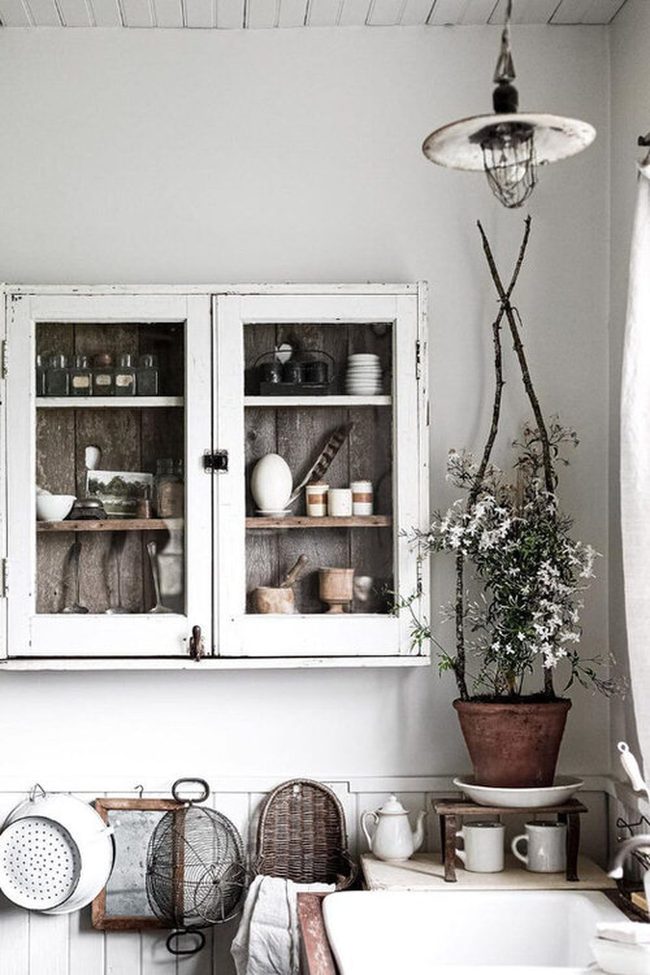
Growing indoor plants upward along handmade structures brings lush greenery to bare walls and transforms vertical spaces into living displays.
Pothos and Philodendron vines naturally love climbing wooden ladders or metal trellises you can build from basic materials like wooden dowels, copper pipes, or even recycled items found around your home.
These DIY projects work well because they're simple to make and fit any decorating style you already have.
When you position the climbers properly, your vining plants grow upward and stay off the floor rather than spreading out across your space.
Wood, metal, and repurposed materials all make sturdy supports that last and look good too.
Homemade plant climbers let your greenery reach new heights while adding a personal touch and natural charm to any room.
Green Vines Climb Wood Lattice
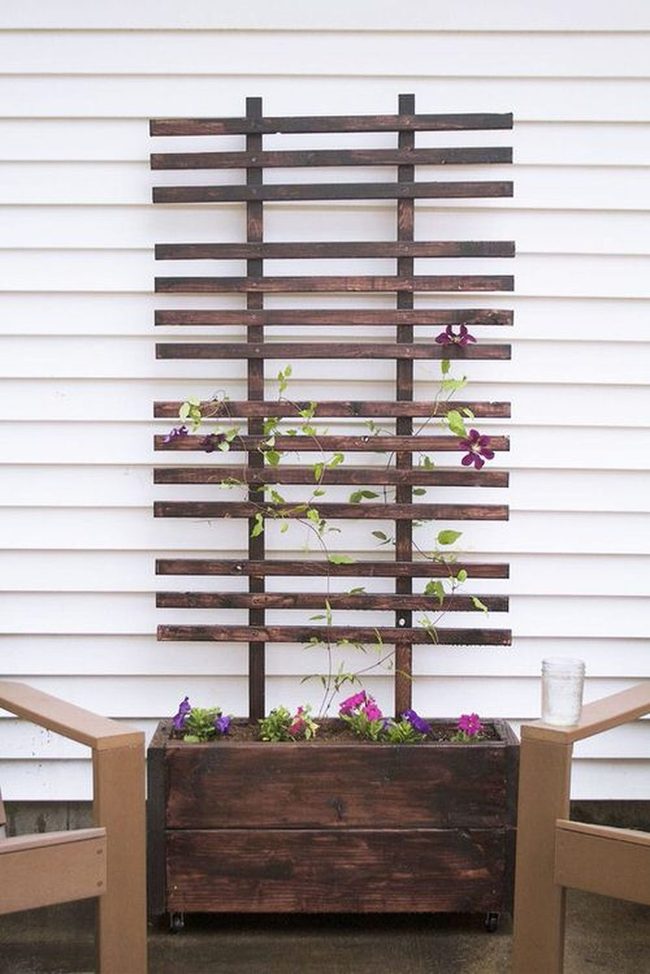
Wooden lattice structures rise from ground level with plants cascading upward along their geometric frameworks, turning blank corners into living green installations that draw the eye upward.
Vines like trailing ivy, passionate flowers, and climbing jasmine flourish as they stretch across these vertical supports, and the interplay of foliage and wood creates natural architectural interest throughout your space.
These trellis planters pack impressive functionality into compact dimensions, so you can add lush greenery even when floor space runs tight.
Houseplants find genuine support here as delicate tendrils have room to climb without taking over your room or outdoor area.
Whether you position them indoors beside a window or outdoors on a patio, they blend seamlessly into different environments while letting you enjoy the satisfaction of watching plants grow upward.
Sophia Williams
Content Specialist & Design Enthusiast
Expertise
Content Creation for Interior Design, Modern & Contemporary Decor, Sustainable Design Practices, Space Planning, Color Consultation, Home Styling Tips, DIY Home Projects, Trend Analysis, Audience Engagement
Education
Florence Design Academy (Florence, Italy)
KLC School of Design (London, UK)
Sophia Williams, Lead Editor at columbia-artists.com, specializes in making design simple and accessible. She studied at Florence Design Academy and earned a Certificate in Interior Decoration from KLC School of Design in London.
With 5 years of experience, Sophia has worked with design publications and industry experts, helping readers bring their ideas to life. She focuses on practical tips, styling tricks, and DIY projects to make decorating fun for everyone.
In her free time, she enjoys flea markets, upcycling furniture, and exploring sustainable design.