
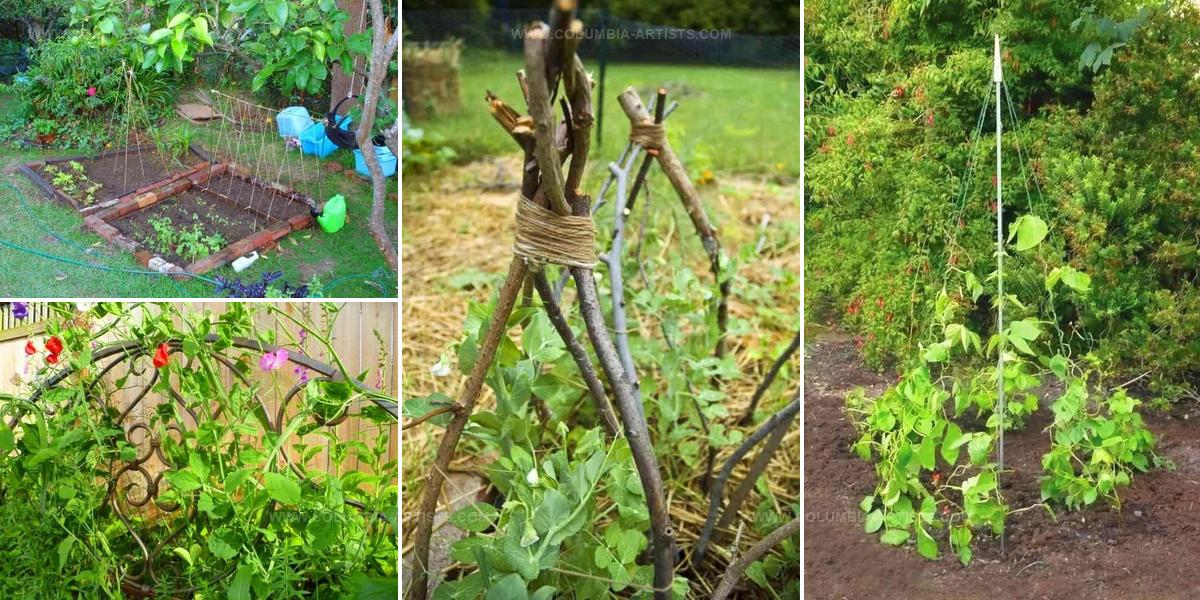
28 DIY Pea Trellis Ideas to Support Garden Growth
Pea plants need sturdy support to climb and produce abundant harvests, making a well-designed trellis essential for any garden.
Building one doesn't require expensive materials or advanced carpentry skills.
Simple structures using bamboo poles, chicken wire, or repurposed items work beautifully and cost very little.
A functional design keeps vines healthy while maximizing space in raised beds or compact garden areas.
Many clever approaches use materials already sitting in garages or sheds waiting for a second purpose.
Installing proper vertical support early in the season prevents tangled growth and makes harvesting much easier later on.
Give peas the climbing framework they crave, and watch how productive such an inexpensive addition can be!
Chicken Wire Climbing Garden Wall
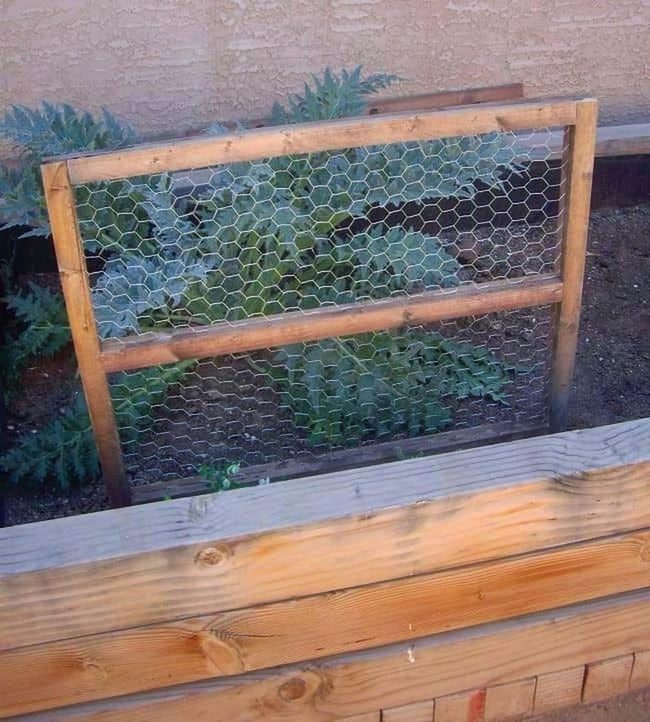
Chicken wire makes an excellent trellis for climbing plants because it holds up well and lets your vines grow through the sturdy mesh with ease.
You can set this up quickly with just a few basic materials and minimal effort.
Once your peas and other climbers start their journey upward, they'll weave naturally through the openings and fill your garden with lush green growth.
A nice touch is how fast you can complete this project and move on to the rewarding part of watching your plants thrive.
The mesh structure gives plants plenty of grip points as they climb, so they stay supported without needing constant adjustment.
Your garden transforms into a living wall of greenery that you built yourself in an afternoon.
Best of all, this solution costs very little compared to other trellis options while delivering results that look just as good.
Cedar A-Frame Garden Trellis
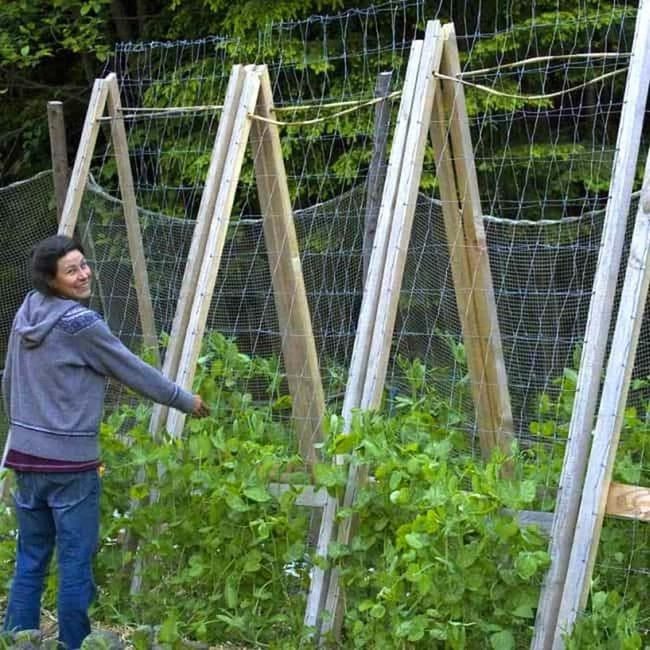
A-frame trellis made from untreated cedar stands out immediately in any garden and instantly draws attention with its clean, geometric shape.
You can build one using just a few hinges and basic materials, making it an affordable project that delivers big visual results.
Wire grids attached to the frame give climbing plants like cucumbers and tomatoes plenty of support as they grow upward.
Plants sprawl across these grids and fill your garden with lush greenery and color throughout the growing season.
Beyond just looking great, a trellis actually helps your plants thrive by improving air circulation and sunlight exposure.
Your garden gets an instant boost of life and character the moment you set one of these structures in place.
Even small spaces benefit from this vertical gardening trick, and the whole setup stays functional and attractive season after season.
Upcycled Crib Rails Garden Trellis
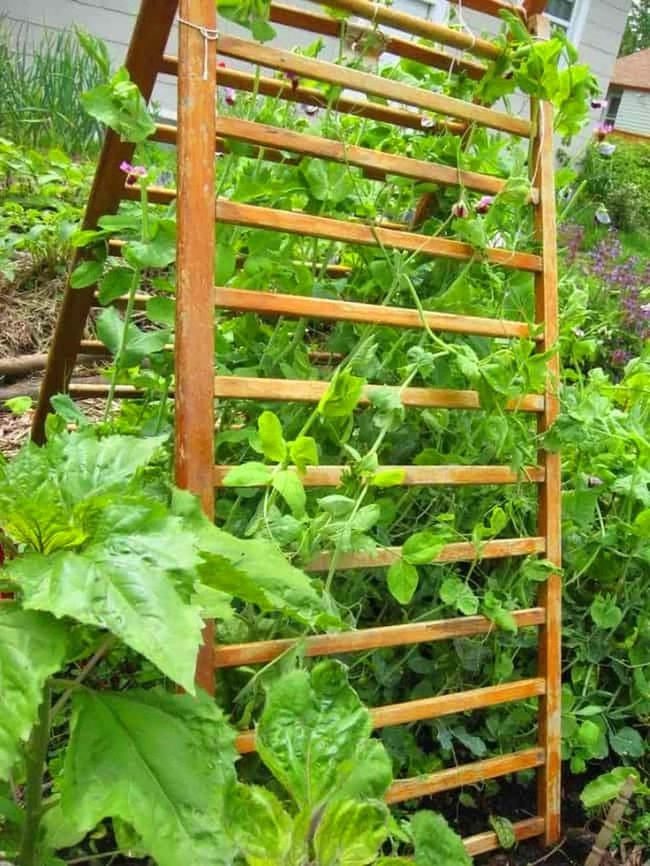
Recycled baby crib rails make an excellent trellis for your garden, and positioning them upright lets your peas climb naturally while adding rustic character to your outdoor space.
A nice touch is how this simple reuse helps the environment at the same time you're growing fresh produce right at home.
You get multiple benefits from one smart project: saving money, reducing waste, and harvesting vegetables from your own backyard.
Many gardeners find that old crib rails work just as well as store-bought supports and look far more interesting.
Setting them up takes minimal effort and requires no special tools or skills.
Once your climbing plants take off, a charming detail is how nicely they frame your garden beds.
It's one of those easy swaps that shows how resourceful gardening can be.
Pvc Arch Garden Trellis
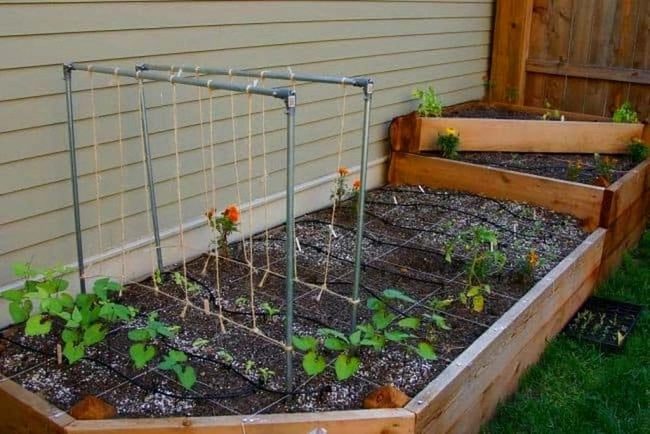
Building an arched PVC pipe trellis in your garden gives you a practical structure that also looks great and becomes something people notice right away when they visit.
Vining plants like peas and cucumbers grow beautifully along this sturdy framework, and it helps you expand your growing space without taking up much ground room.
A nice touch is how this simple arch shape adds height and dimension to a flat garden bed and makes the whole area feel more finished and put together.
You get the bonus of easier harvesting since the plants grow upward instead of sprawling across the ground.
Setting one of these trellises in a visible spot means your garden gets an instant upgrade in appeal and charm.
It's a straightforward project that doesn't require special skills or expensive materials, yet it delivers results that feel polished and intentional.
Whether you're growing food or training ornamental vines, this type of trellis is both functional and beautiful to look at day after day.
Twine Teepees For Climbing Vegetables
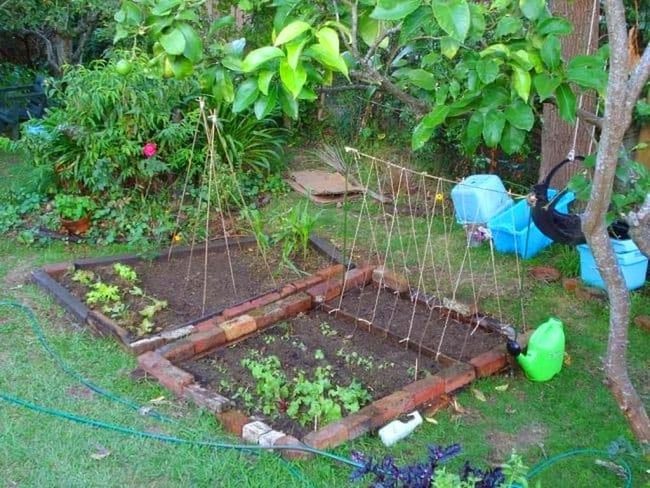
Vegetable trellises made from twine and shaped like teepees or simple frames bring a striking rustic look to your garden space.
A nice touch is how these structures give climbing plants something to grow on while keeping everything neat and organized in smaller yards.
You get double benefits; the plants stay contained and the garden feels more open rather than cramped.
Building your own trellis from twine is budget-friendly and lets you customize the size to fit your needs.
As vegetables climb upward, they create nice height variation that makes your garden more interesting to look at.
This setup also improves air flow around the plants and makes harvesting easier since everything is right there at hand level.
Gardens with trellises tend to feel peaceful and well-arranged, and you'll find yourself spending more time in the space enjoying how everything flows together.
Curved Birch Tunnel With Climbing Vines
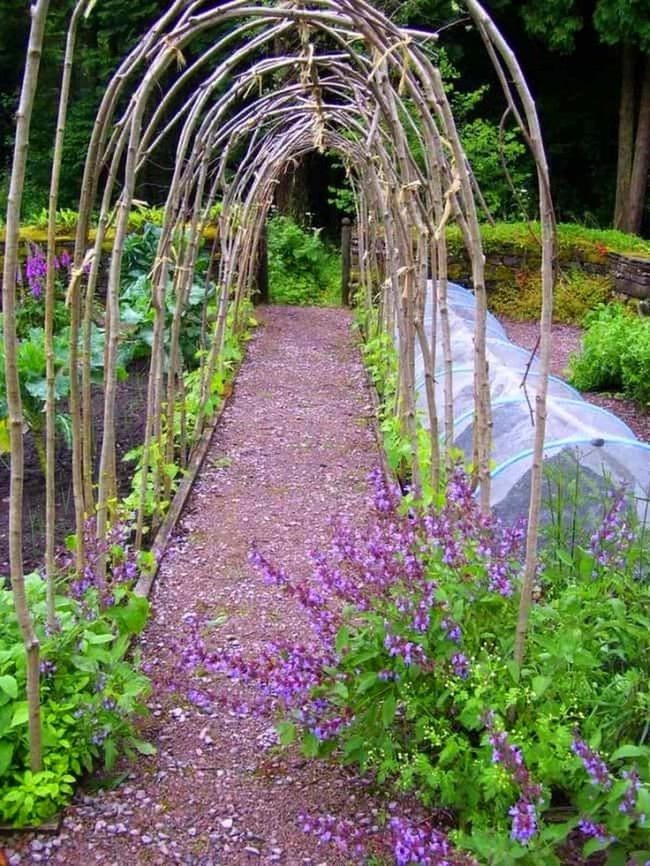
Arched birch trellis opens up a garden space where curved lines draw your eyes upward and make you want to explore what lies beneath.
Climbing plants such as gourds and beans twist around the wooden frame, building layers of greenery that turn the structure into a living tunnel.
Willow branches drape gracefully and add a gentle, natural quality to the whole setup.
You can walk under this archway and feel surrounded by plants on all sides, which makes the garden feel like its own small world.
The way the vines grow and spread across the frame means the space keeps changing throughout the seasons.
A nice touch is how this kind of structure works well as an entry point to different parts of your garden.
It combines beauty with function, since the plants you grow there can actually be useful for harvesting.
Building something like this takes a little effort, but the payoff in how your garden looks and feels is more than worth it.
Climbing Peas On Wooden Frame
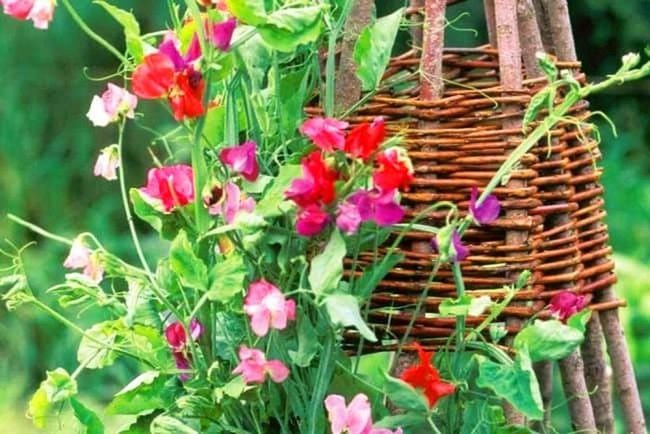
Pea trellis made from branches and twine brings rustic charm to your garden while letting climbing vines grow upward and display their vibrant blooms as they flourish.
You can build this simple structure using basic materials like wooden stakes or bamboo tied together with twine.
An A-frame design works especially well because it looks appealing and encourages your plants to grow healthily toward the sun.
The best part is that you don't need much skill or expensive supplies to make one yourself.
Starting with a few sturdy stakes or bamboo poles, you lash them together at the top and spread the base wide for stability.
As your peas climb and flower, they transform the structure into a living showcase that adds natural texture and interest to any garden space.
A nice touch is how this approach gives you both practical plant support and a beautiful garden feature at the same time.
Climbing Vines Wooden Frame
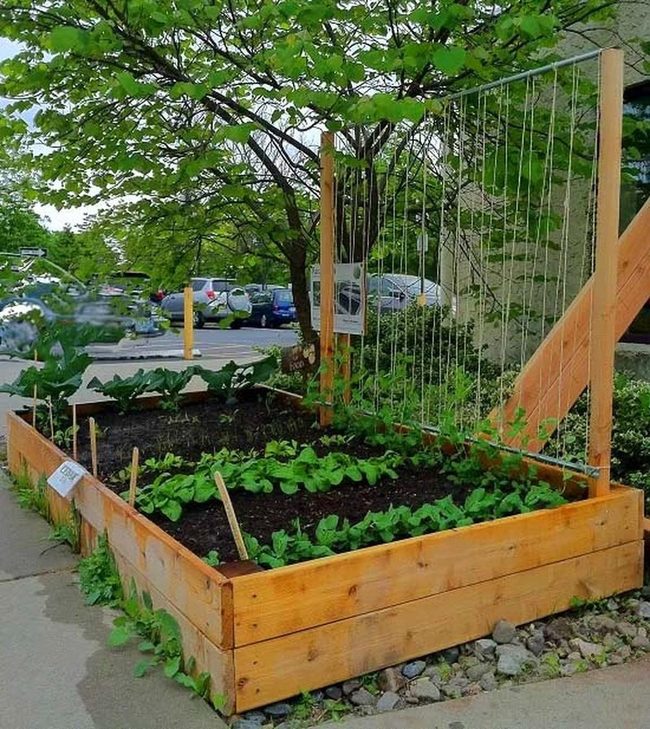
When you build a trellis for your raised garden bed, climbing plants like cucumbers and peas get the support they need to reach upward and spread across the structure.
Your garden instantly gains dimension and visual interest as these vines weave their way up the frame.
Putting together a trellis requires just basic tools and simple materials, so most people can handle this project without much difficulty.
As your plants grow and flourish against the sturdy framework you've built, you'll find real satisfaction in watching them thrive season after season.
Beyond the practical benefits, a trellis adds genuine beauty to your garden space and makes the whole area feel more thoughtful.
Vertical Garden Structures For Growth
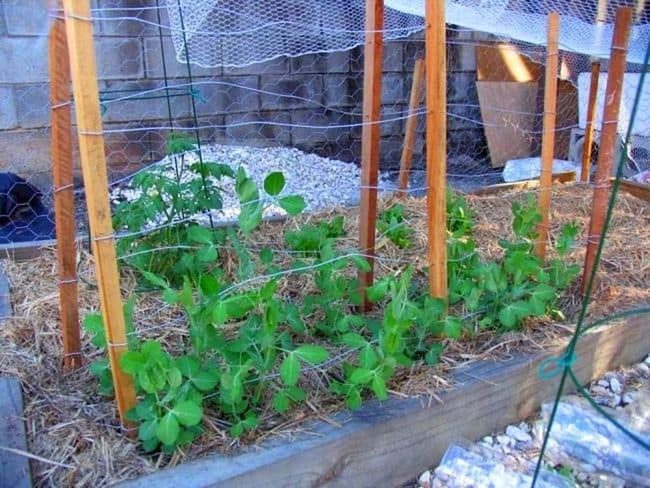
Wooden trellises stand tall in your garden and give climbing plants the structure they need to grow upward and create a lush, green space that feels like a paradise.
You can also wrap chicken wire around wooden stakes for a simpler option that works wonderfully for peas, beans, and cucumbers to climb higher and stay protected.
Both approaches do more than just look nice in your yard.
When your plants grow upward on these supports, picking fresh vegetables becomes so much easier since everything hangs at a convenient height.
Your harvesting becomes faster and more enjoyable.
Beyond the practical side, these structures add visual interest and depth to your garden layout.
I've seen how much a well-supported vegetable garden can improve the whole outdoor space.
You can naturally enjoy beautiful greenery and fresh produce all in one spot.
Living Wood Garden Trellis
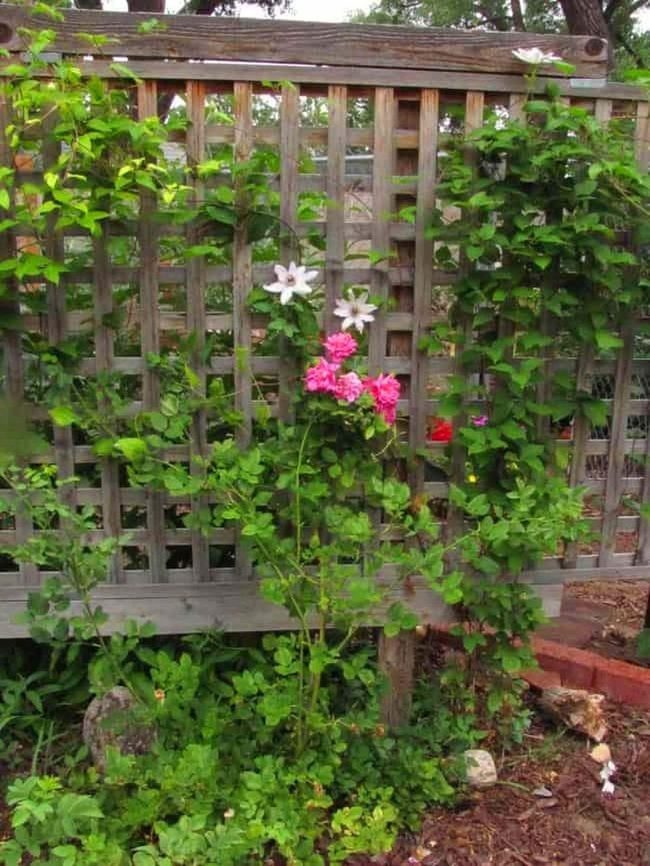
Wooden pallet panels work wonderfully in a backyard space, and they let climbing plants cover them with greenery while you grow vegetables nearby.
You can weave vines and flowers through the structure, and this layering of plants transforms the area into something that feels removed from the outside world.
Fresh produce grows right alongside blooming flowers, so your garden becomes both functional and pleasant to look at.
A trellis like this gives you privacy and shade as the plants mature and spread across the frame.
The combination of edible plants and ornamental flowers means you get food and beauty in one spot.
Most people find that this setup requires minimal effort once established, and the payoff is a peaceful outdoor retreat that you can enjoy throughout the growing season.
Painted Ladder Trellis Garden
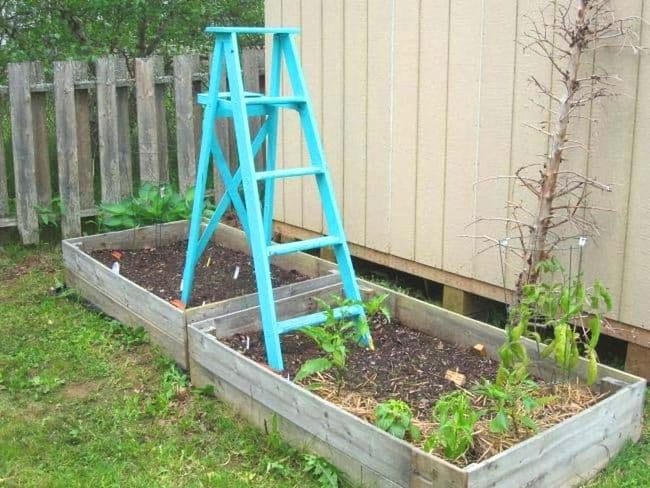
Old wooden ladder standing between two raised beds becomes a useful structure for climbing plants like peas and beans to grow upward along its rungs.
You can paint it in a bright color that stands out against the green foliage and natural wood tones around your garden.
This simple DIY project transforms a forgotten item into something both practical and visually interesting that helps organize your planting space.
Garden visitors will spot it right away as one of the most eye-catching elements in your outdoor area.
Beyond looks, the ladder serves a real purpose by supporting vines and keeping them off the ground where they might rot or get damaged.
A nice touch is how this approach saves money since you likely have an old ladder gathering dust somewhere at home.
With just a coat of paint and some sturdy placement, you've made your garden feel more finished and thoughtful without spending much time or effort.
Wire Grid Climbs Skyward
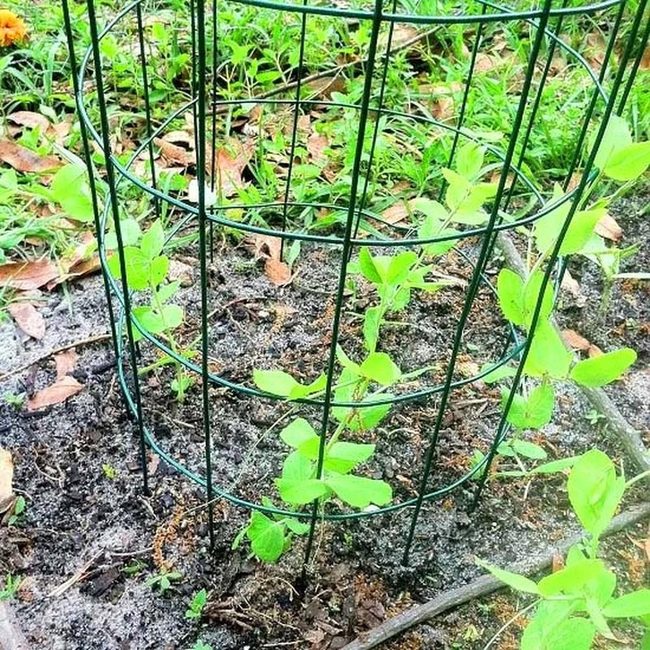
Wire fence trellises stand out immediately in any garden, offering both a sturdy frame for climbing plants like peas and a visually appealing structure that draws the eye upward.
You can assemble these supports quickly by using simple zip ties to secure the fencing together, which means no complicated tools or skills are required.
As your plants grow and spread across the trellis, they transform the garden into something with real depth and dimension.
This setup works in tight spaces since it doesn't take up much ground room while still giving your climbing plants plenty of room to thrive.
Watching peas and other vining plants flourish against this framework brings a genuine sense of accomplishment as the months go by.
Even small gardens feel more interesting when they have vertical elements like these, and you get the bonus of easier harvesting when everything grows upward instead of sprawling across the ground.
Hanging Flowers Over Climbing Peas
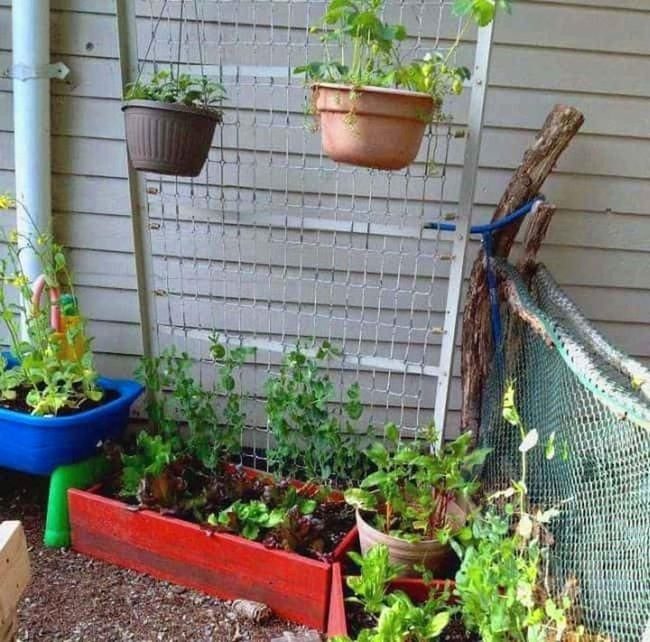
Adding hanging planters to your pea trellis turns your garden into a burst of color and life that stops you in your tracks.
Intertwining bright flowers or herbs with climbing peas gives you layers of texture and hues that make the space feel alive and dynamic.
When you combine these elements together, dull walls disappear behind this natural display and your outdoor area becomes somewhere you actually want to linger.
A nice touch is how this simple addition does double duty; it feeds your eyes with beauty while also giving you fresh herbs or vegetables to harvest.
Hanging planters also save ground space, which means you can fit more greenery into smaller yards without feeling cramped.
The whole setup feels natural and rewarding because you're mixing ornamental plants with edible ones in one spot.
Once you try this approach, you'll see how much personality it adds to even the most basic outdoor corner.
Wooden Climbing Vines Frame
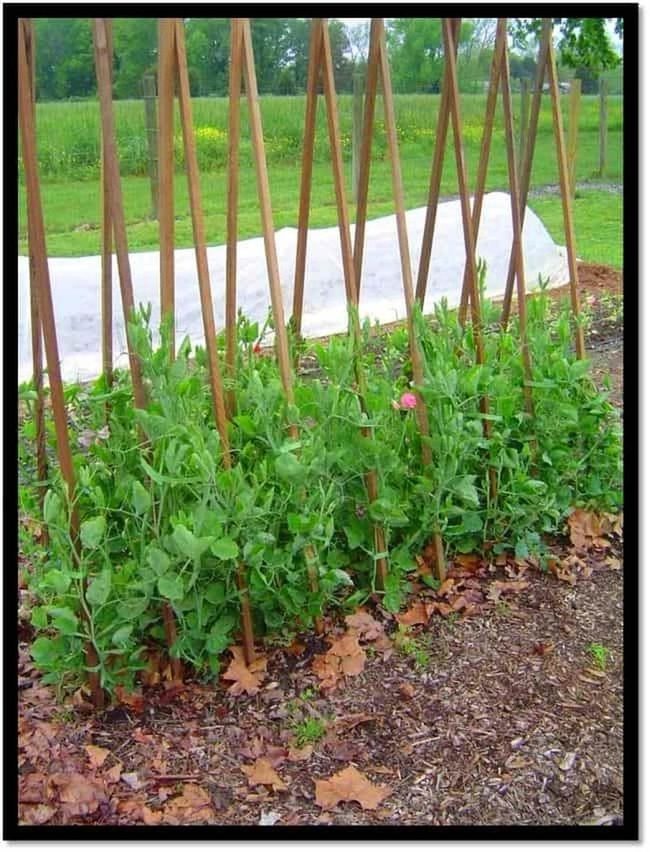
Building a pea trellis with wooden stakes or bamboo gives your home's exterior an immediate boost that really stands out from the street.
You can construct simple A-frames that let climbing plants grow upward and spread across the structure, creating a natural display of greenery and blooms.
Vines naturally wind around the framework and develop their own patterns as they grow taller and fuller over time.
This project doesn't require special skills or expensive materials, so most people can put one together in an afternoon.
When you step back and see those plants covering the trellis, a charming detail is how much more polished and lived-in your front yard looks.
The greenery softens hard edges around your porch or garden area and makes the whole space feel more welcoming.
Best of all, you get fresh vegetables or beautiful flowers as a bonus while your curb appeal improves without much effort or cost.
Curved Arches Green Canopy
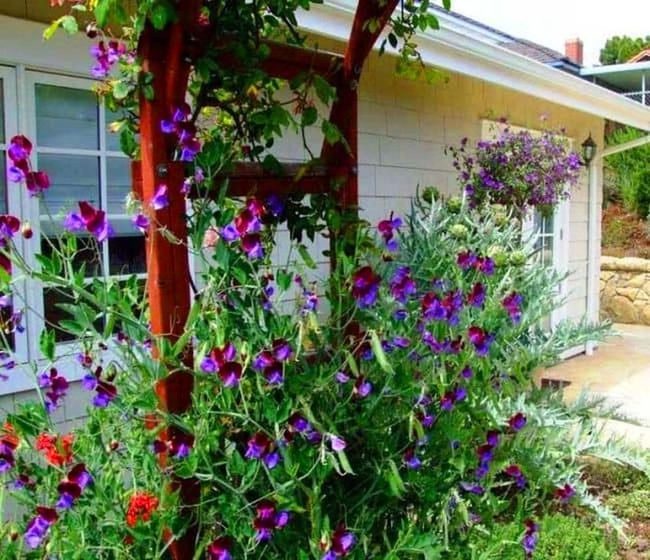
Arched pergolas rise above your garden with their bold curves and structural lines, giving the space an instant sense of order and beauty.
Climbing plants wind through these arches, and their leaves and vines form a natural roof that moves gently when the wind blows through.
Below this green canopy, you find yourself surrounded by color and life, with bright flowers and growing vegetables tumbling over the edges.
Each opening and pathway becomes a place where you actually want to spend time, pulling you outside to be among the plants and greenery.
Your guests will notice how these structures guide them through the landscape while making everything feel more peaceful.
The best part is how a pergola does double duty as both a practical shade source and a design feature that lifts the entire outdoor area.
When you stand underneath the arches on a sunny day, the dappled light filtering through the leaves creates a pleasant spot to relax.
Twine-Bound Stick Trellis
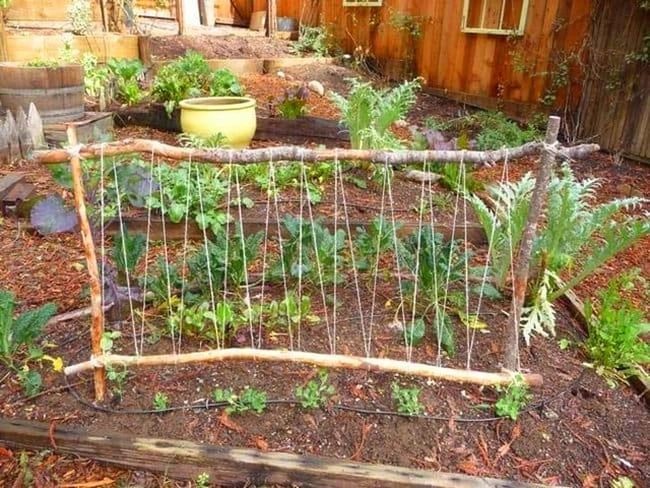
Sturdy branches lashed together with twine make a rustic trellis that stands out in any garden space.
You can gather whatever sticks you find around your yard and bind them into a simple rectangular frame without needing special tools or skills.
Plants naturally climb up this structure and reach toward the sun, which means you get both support for your vines and a beautiful wooden accent piece.
A nice touch is how easy it is to build one of these in an afternoon, and your garden gets instant charm from the organic materials.
The natural look fits well with almost any outdoor style, whether your space leans toward wild and overgrown or neat and organized.
Building your own trellis costs very little and gives climbing plants exactly what they need to thrive.
It's one of those projects where simple materials and a bit of effort turn into something that looks handmade and genuine.
Climbing Vines On Weathered Crutches
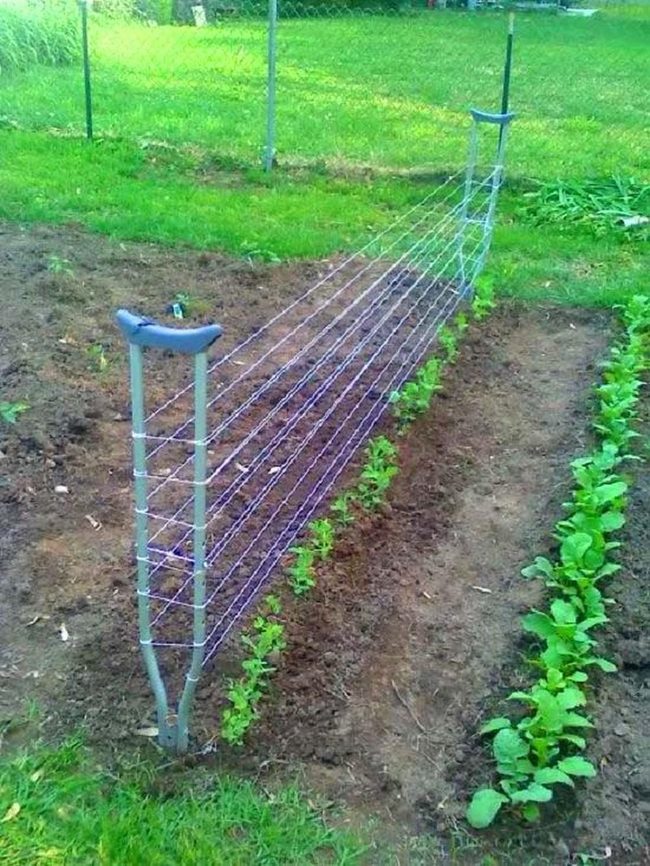
Used crutches make an excellent rustic trellis for your vegetable garden and transform an old item into something useful again.
Peas and other climbing plants can grow up the sturdy frame beautifully, bringing color and life to any garden space.
A nice touch is how this approach turns an ordinary corner of your yard into something with real character and personality.
Reusing materials like this keeps things out of landfills and gives nature room to flourish where you live.
It's a simple way to add greenery while solving the problem of what to do with items you no longer need.
Your vegetables get the support they need, and you get a garden that looks natural and interesting.
This kind of recycling shows how practical solutions can also look great in your outdoor space.
Twigs Frame Growing Vines
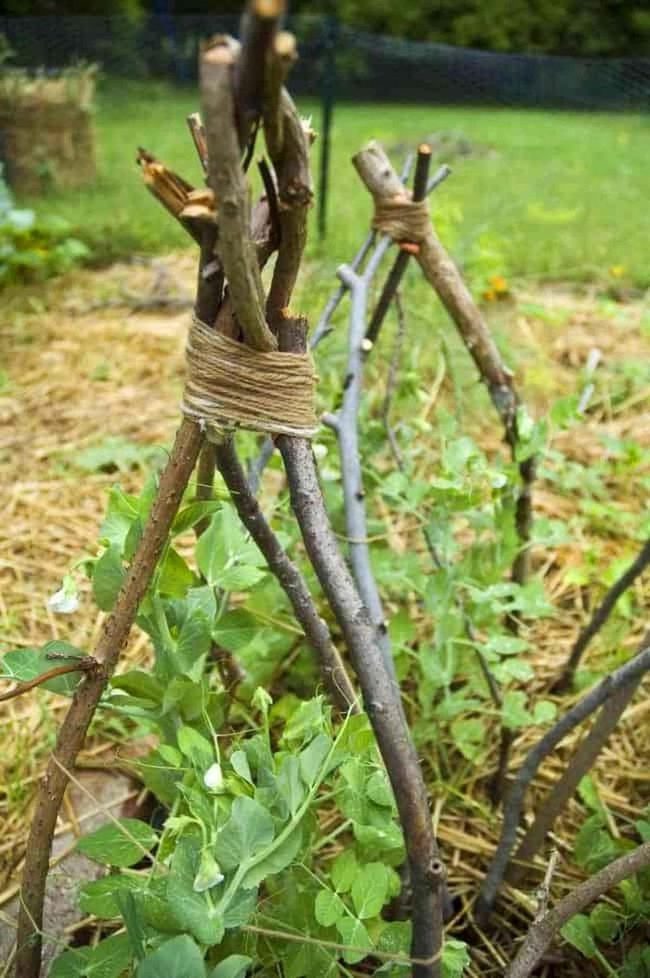
Building a twig trellis brings a warm, rustic feel to your garden that makes the whole space feel more natural and grounded.
You can tie twigs together with twine to form a teepee shape that looks both simple and appealing while giving climbing plants the support they need to grow upward.
As your plants spread across the structure over time, this helps you watch your garden fill out and become more lush.
A nice touch is how this kind of structure works with nature rather than against it, letting your plants do what they naturally want to do.
Something about seeing vines wrap around handmade wood creates a real sense of connection to your outdoor space.
You don't need fancy materials or special skills to build one, which makes it a fun project to tackle on a weekend.
Gardens grow better when there's structure in place, and a twig trellis does exactly that without looking overdone or out of place.
Vintage Metal Vines Climbing
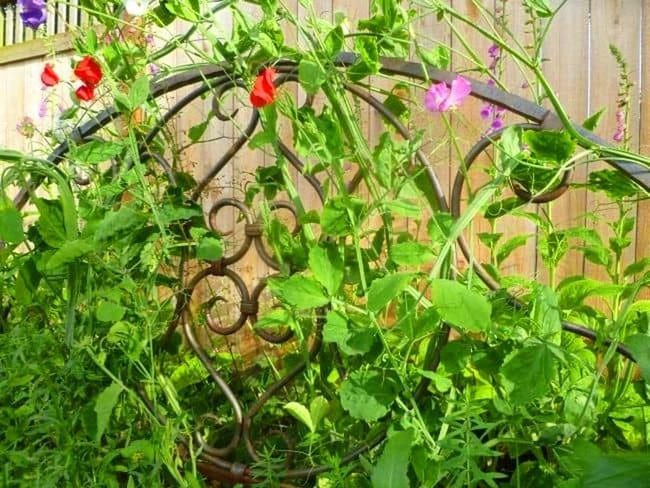
Vintage metal headboard repurposed as a garden trellis brings rustic charm to your outdoor space and stands out as the showstopping element of any landscape design.
Vining flowers climb up its intricate metalwork in brilliant colors and create a breathtaking display that dominates your wall and draws attention immediately.
You get the benefit of both beauty and function since the structure supports your plants while the ornate frame adds character and Victorian-era appeal.
This upcycling idea works on multiple levels because it saves an old piece from the landfill and gives your garden genuine personality.
Passersby naturally admire the combination of vintage metal details and living greenery, and the trellis becomes a natural gathering point in your yard.
Beyond the visual impact, you'll find that repurposing furniture this way costs far less than buying new garden structures.
Bicycle Wheel Pea Trellis
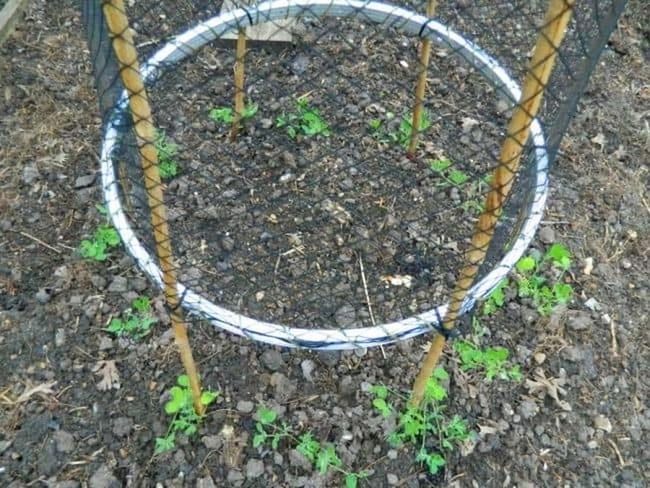
Old bicycle frame becomes a rustic pea trellis that turns heads in any garden space.
Your peas climb up and around the wheels, forming a lush green wall that catches attention from across the yard.
You get the bonus of growing fresh food while keeping waste out of landfills.
Beyond looking great, this project brings nature closer to your home and lets you harvest vegetables right outside your door.
A nice touch is how simple it is to set up, and the whole thing uses materials you might already have on hand.
Building one of these trellises combines practicality with style in a way that benefits both your garden and the planet.
It's the kind of project that makes your outdoor space feel more personal and alive.
Bamboo Teepee Climbing Vines
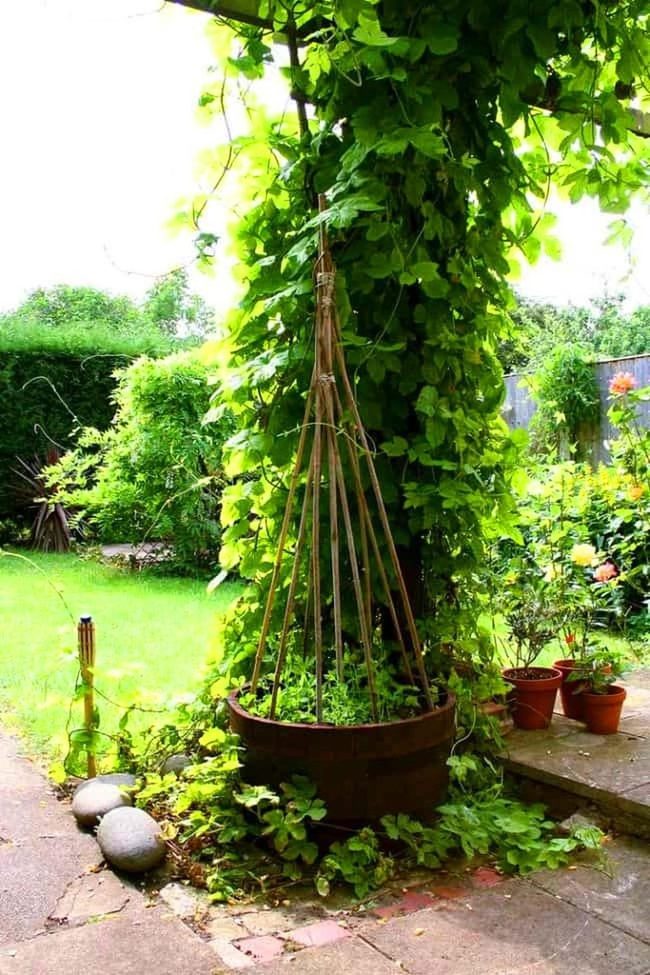
Vining plants in containers give you endless ways to make your space feel fresh and unique.
When you arrange bamboo poles into a teepee shape above your pot, you get both practical support for your plants and a sculptural element that catches the eye right away.
Placing the container near a pillar and surrounding it with other climbing vines builds a lush, garden-like setting that people naturally respond to when they see it.
Jute Teepee Plant Tower
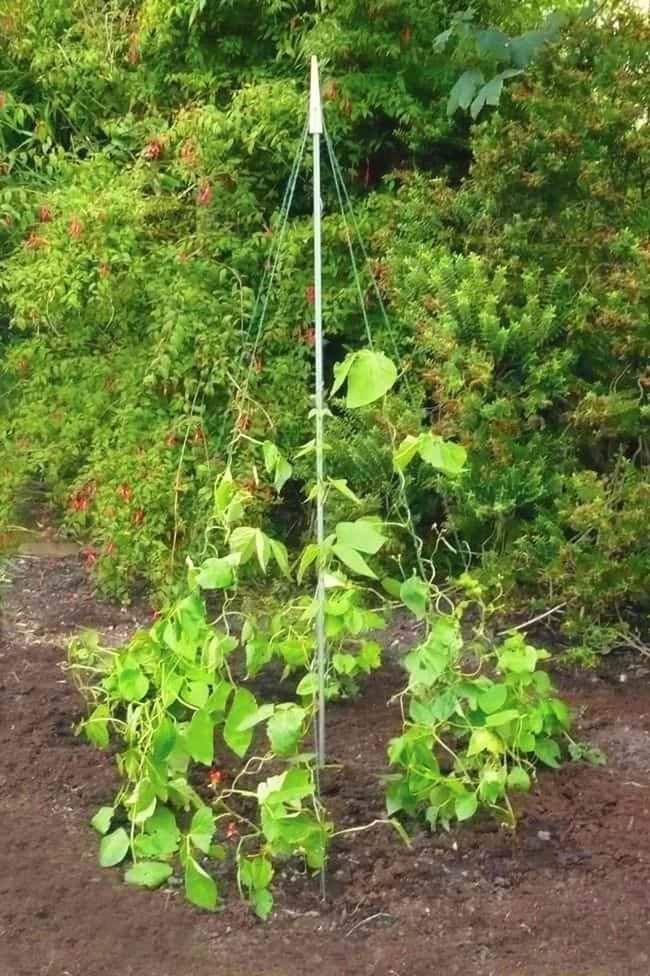
Tall jute teepee trellis stands out as a striking garden feature and gives your climbing plants the structure they need to grow upward with ease.
Wrapped in natural jute around an aluminum pole, this design blends rustic warmth with practical strength and looks beautiful while doing its job.
Snow peas and other vining plants spiral up the frame, developing into a lush tower of greenery that becomes a natural focal point in your yard.
A nice touch is how straightforward this setup is to install and maintain, and your plants reward you with abundant growth throughout the season.
You can position it anywhere in your garden beds or containers, and it adapts well to different spaces and layouts.
As your plants climb and flourish around the structure, the teepee transforms into a living sculpture that adds genuine character to your outdoor area.
Beyond its good looks, this trellis keeps your crops off the ground where they're safer from pests and disease.
Painted Bicycle Wheel Garden Trellis
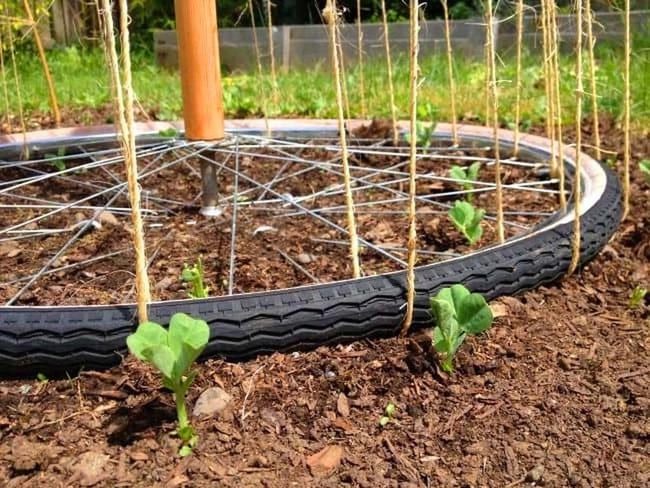
Bicycle wheel trellis stands out as one of the most striking additions you can make to your garden, drawing immediate attention with its bold circular shape and colorful painted finish.
Your climbing plants get sturdy support from the wheel's spokes while the bright wheels themselves become visual anchors among flowers and vegetables alike.
A nice touch is how this approach turns what could be garden clutter into something genuinely useful and interesting to look at.
Visitors often stop and comment on the clever idea, appreciating how you've taken something ordinary and made it work harder in the space.
Beyond the visual appeal, you'll appreciate the money saved compared to buying traditional trellises or fancy garden structures.
Installing a bicycle wheel trellis means you're choosing something practical that also happens to look great and spark genuine interest in how you approach gardening.
Stacked Metal Rims Garden Art
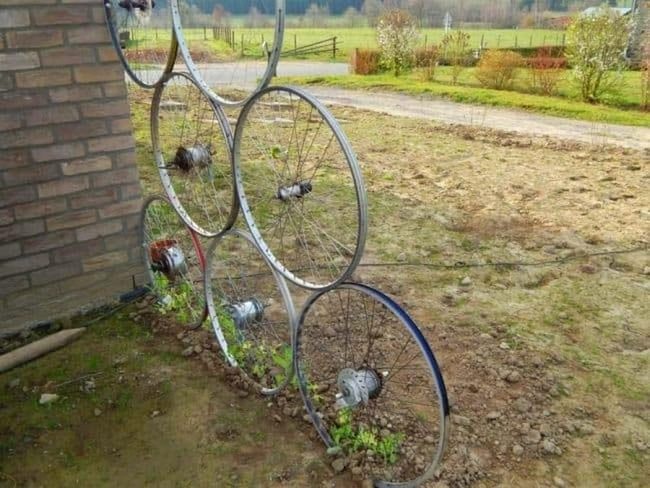
Stacked bicycle rims leaning against a garden trellis make a bold statement and stop people in their tracks with their circular shapes and metallic gleam.
You can hunt down these rims at local yard sales and flea markets without spending much money at all.
Once you've gathered a few, stacking them on or near your trellis adds real personality to your outdoor space and shows off your creative side.
It's one of those projects where you don't need fancy materials or special skills to pull off something distinctive.
The project speaks to who you are as someone who values both budget-conscious choices and artistic expression.
A nice touch is how accessible this idea is for anyone wanting to refresh their garden without breaking the bank.
Your outdoor area becomes a reflection of your style and resourcefulness when you repurpose something ordinary in an unexpected way.
Woven Bamboo Climbing Frame
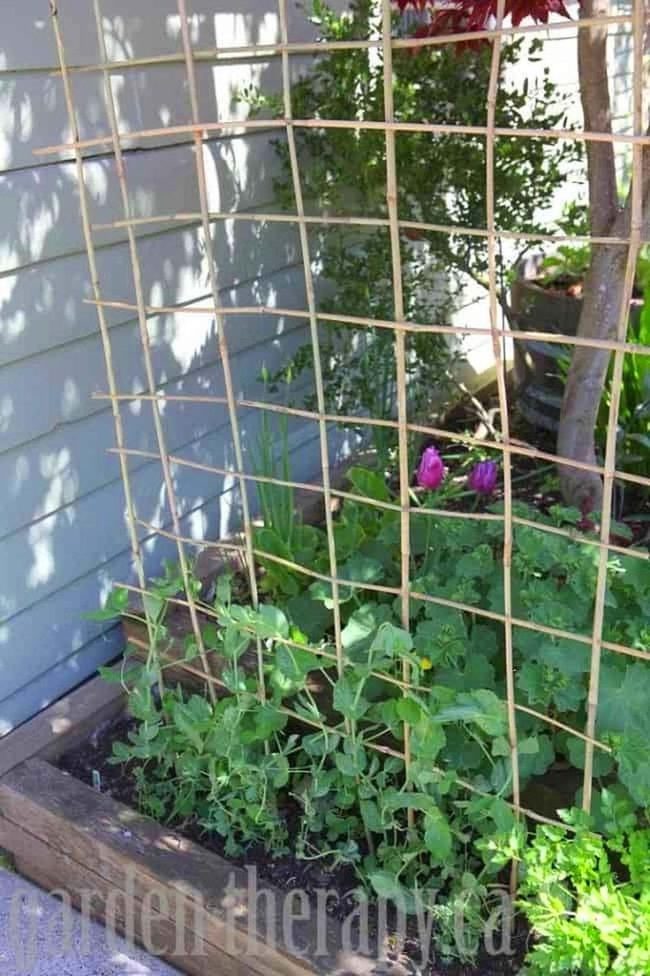
Bamboo trellises made from woven sticks give you a natural structure that stands out in any garden while letting your climbing plants grow upward in style.
You'll get a sturdy frame that works perfectly for peas and beans to climb as they develop, and the material blends seamlessly with your outdoor space.
Best of all, you don't need any tools or special skills to set one up, so even if you're new to gardening, you can jump in and build something with your own hands.
You may notice that this kind of project combines function with visual appeal, and there's something satisfying about watching the plants you've supported grow and flourish throughout the season.
Setting up a bamboo trellis takes just a bit of time and effort, and you'll have a practical addition to your garden that looks natural and fits right in.
Whether you're growing vegetables or flowering vines, this approach gives you both beauty and usefulness in one simple structure.
Climbing Sweet Peas On Saplings
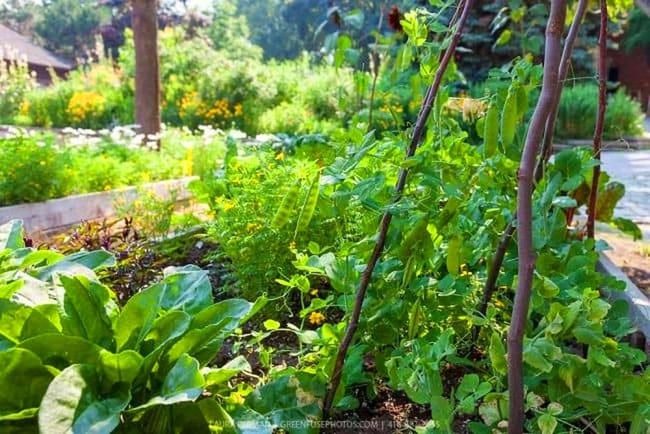
Branches and twine trellises turn sweet peas into a garden showstopper that draws the eye immediately.
The layout lets you watch delicate vines climb slowly up rustic saplings, and the natural weaving pattern becomes genuine artwork right in your own yard.
Beyond just looking beautiful, this setup does the practical work of supporting your plants as they grow.
The combination of simple materials and living plants brings real character to any garden space.
When you step back and look at what you've built, there's a sense of accomplishment that comes with nurturing something that started as just thin vines and wooden stakes.
The rustic quality of the saplings pairs nicely with the flowers' delicate beauty.
It's a straightforward way to add both function and natural charm without overthinking the process.
Wooden Trellises Lift Garden Layers
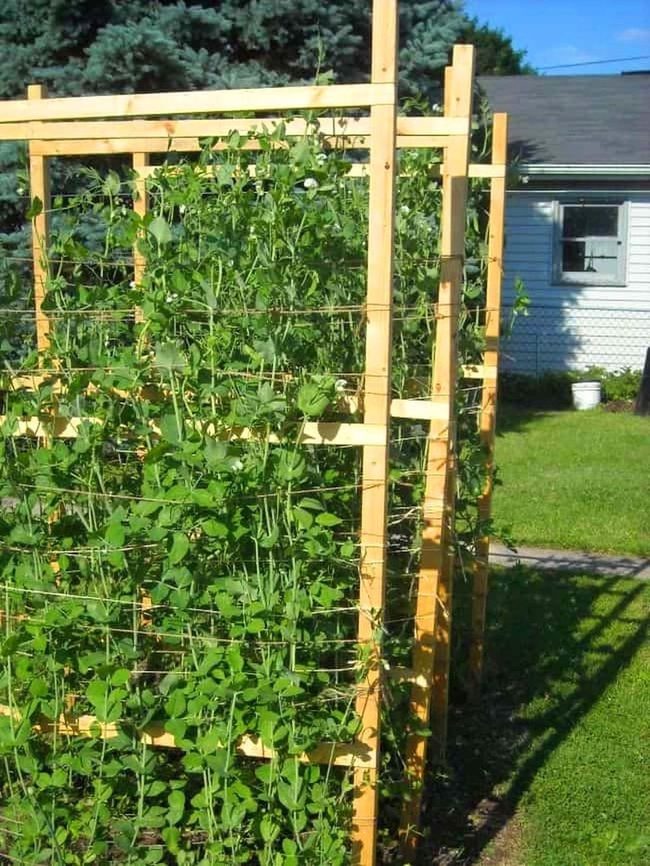
Multiple trellises scattered throughout your garden give it dimension and allow climbing plants to show off their natural growth, and wooden beams arranged as frames with twine woven between them support your peas while making the space look more interesting.
You don't have to stick with just one trellis when you can build a display that does double duty by helping your vegetables grow and expressing your personal style at the same time.
This kind of setup turns a simple vegetable patch into something you'll enjoy looking at every day.
By mixing different heights and arrangements, you guide the eye across your garden in a natural way.
Your peas climb upward, and the whole area feels fuller and more organized than a flat garden would.
It's a straightforward way to add both function and beauty without overthinking the process.
Vintage Window Climbing Trellis
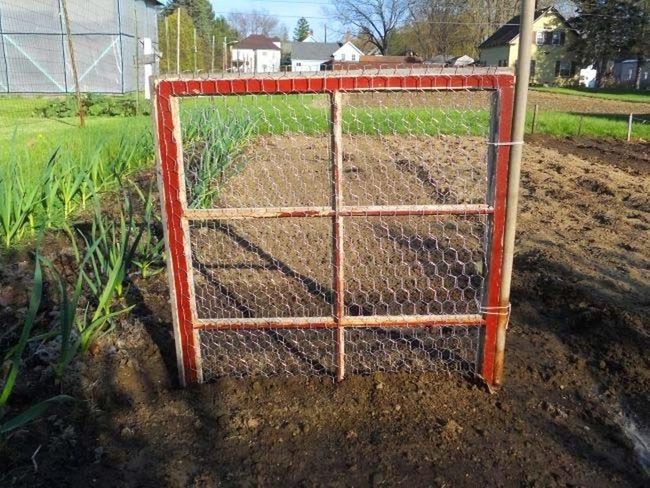
Old windows can become surprisingly useful garden features when you repurpose them with a bit of creativity.
Remove the glass and stretch chicken wire across the frame, and you've got yourself a strong trellis that climbing plants love to grow on.
Vines and ivy will scramble up the structure, turning your garden into something greener and more lush.
Beyond just looking nice, this setup gives you a practical privacy barrier between your yard and the neighbors while keeping maintenance simple.
You get the benefit of natural screening without the expense of buying a brand-new trellis system.
Adding this kind of feature to your outdoor space means you're bringing both function and charm together in one spot.
Gardeners appreciate how well old windows work for this purpose, and the results speak for themselves.
It's a straightforward way to blend sustainability with smart garden design.
Sophia Williams
Content Specialist & Design Enthusiast
Expertise
Content Creation for Interior Design, Modern & Contemporary Decor, Sustainable Design Practices, Space Planning, Color Consultation, Home Styling Tips, DIY Home Projects, Trend Analysis, Audience Engagement
Education
Florence Design Academy (Florence, Italy)
KLC School of Design (London, UK)
Sophia Williams, Lead Editor at columbia-artists.com, specializes in making design simple and accessible. She studied at Florence Design Academy and earned a Certificate in Interior Decoration from KLC School of Design in London.
With 5 years of experience, Sophia has worked with design publications and industry experts, helping readers bring their ideas to life. She focuses on practical tips, styling tricks, and DIY projects to make decorating fun for everyone.
In her free time, she enjoys flea markets, upcycling furniture, and exploring sustainable design.