
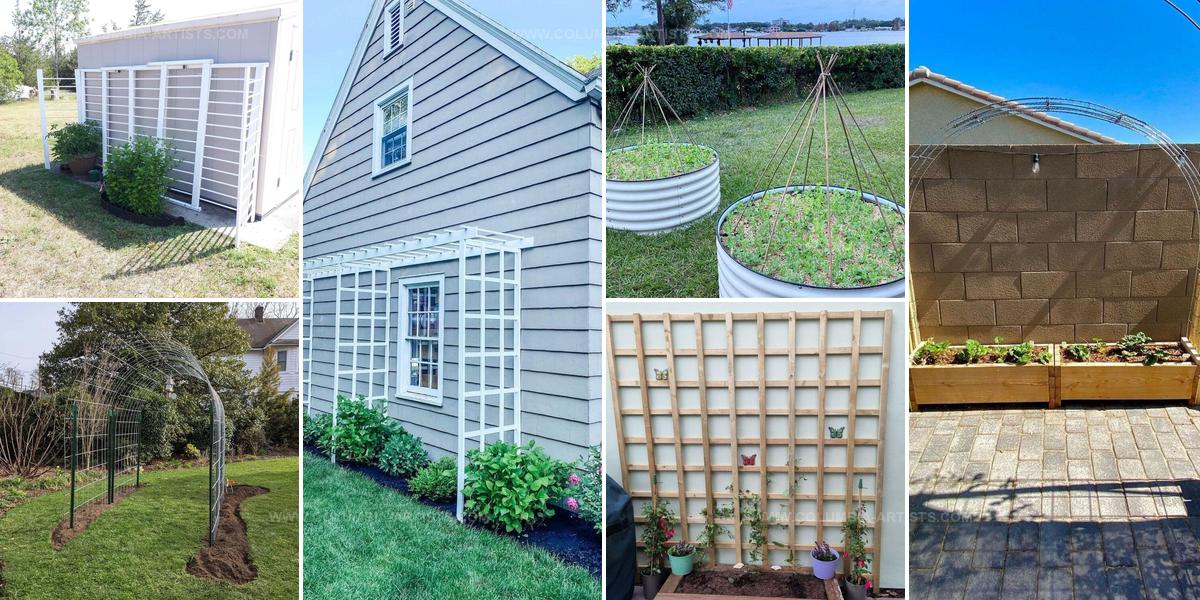
18 DIY Trellis Design Ideas to Support Climbing Plants
Building a trellis from scratch delivers gardeners an affordable way to support climbing plants while adding architectural interest to outdoor spaces.
A homemade structure can match the exact dimensions needed for beans, cucumbers, roses, or clematis in any garden layout.
Vertical growing solutions maximize limited space and help produce healthier harvests by improving air circulation around foliage.
Simple materials like bamboo poles, wire fencing, or reclaimed wood become functional garden features with just basic tools and weekend effort.
Custom designs allow for creative expression that complements existing landscaping better than generic store-bought options.
Whether working with a small balcony or expansive backyard, the right support system makes growing upward both practical and visually appealing.
Climbing Vegetables On Wooden Frame
Pot that doubles as a trellis transforms your garden into a living art display where plants climb and flourish across an architectural frame.
This design merges two functions into one, so vegetables grow freely while climbing vines weave through the support structure above.
Lumber boards and sturdy posts form a charming frame that anchors the whole setup and makes your outdoor space feel more polished.
Your gardening becomes easier and more rewarding when the trellis does the heavy lifting for plant growth.
Building this structure yourself turns a simple planting area into something you'll enjoy working with every single day.
When visitors see plants spilling across the wooden framework, they immediately notice how practical and thoughtful the design is.
Such a setup keeps your garden organized while letting plants reach their full potential, and the process of watching them grow becomes part of the enjoyment you get from your space.
Wooden Poles Green Towers
Wooden poles shaped into tall obelisks stand out as one of the most striking ways to add structure to your garden, and climbing vines naturally weave around them to create living green towers.
Bamboo sticks give you a different rustic feel that works especially well if you want your space to look more natural and less formal.
Both materials support your plants as they grow upward and outward, which means you get more harvest from a smaller footprint.
Heavy crops like pumpkins need sturdy backing, and bamboo handles this job well while keeping that earthy appearance going throughout your beds.
You don't need expensive materials or professional skills to set these up, and the payoff is immediate both for your plant growth and how your garden looks from the house.
Layered Branches Support Climbing Vines
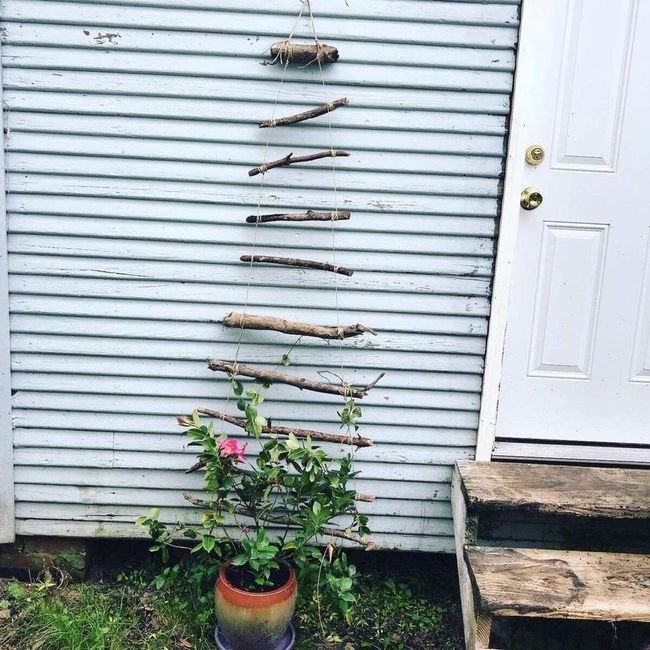
Tiered branch trellis brings together natural materials and plant growth in one striking garden feature that catches attention right away.
You can gather branches of different sizes and lengths, then bind them together with cord or twine to build a structure that lets climbing plants weave through and upward.
This eco-friendly approach uses what you might already have on hand or find outdoors, so it costs very little to build.
I enjoy the way it adds rustic character to any garden space while serving a real purpose for your plants.
Simple materials combine to create something functional and visually interesting at once.
Once your climbing vines start covering the framework, the whole thing transforms into a lush green accent in your yard.
Your garden gets that earthy, homemade feel without needing expensive supplies or special skills.
Building one yourself means you can size it however you want and fit it perfectly into your outdoor layout.
Metal Arch With Climbing Vines
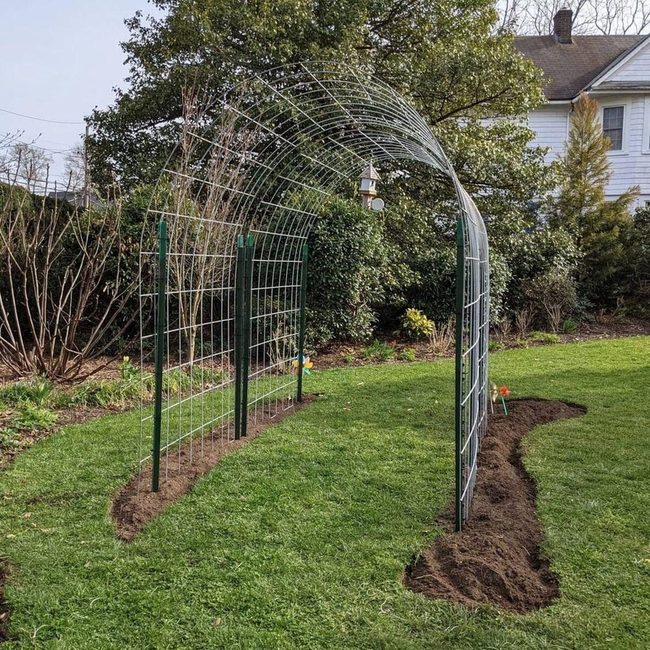
One great way to enhance your garden is by building an arch-shaped trellis that catches the eye while supporting climbing plants beautifully.
You can watch as lush vines or bright flowers grow along its curves and spill down naturally to form a leafy shelter above your head.
Metal posts and net sheets are affordable materials you can assemble without too much effort or special skills.
You won't need complicated tools or advanced carpentry knowledge to put one together in your yard.
Once it's up, the trellis becomes a shaded retreat where you can relax and enjoy the outdoor space.
Your garden gains both structure and personality with this simple addition.
It's one of those projects that feels rewarding because you see the results grow and improve throughout the seasons.
Wooden Garden Obelisk Statement
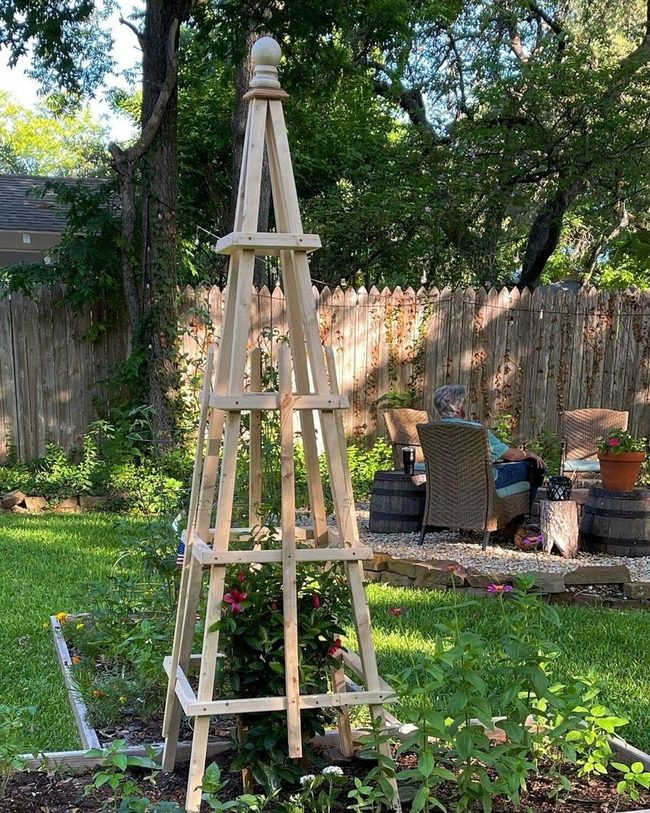
Tall wooden obelisks standing in your garden instantly catch attention and bring vertical interest to what might otherwise feel flat.
You can build one using simple wooden posts and screws, which means this project works well even if you haven't done much DIY before.
Once it's up, climbing plants wrap around the structure and create a living display that grows more impressive each season.
Deciding on color is where you have a simple way to play with style; bright paint makes the structure pop as a design statement, or you can leave the wood bare and let it weather naturally over time.
Either way, the obelisk becomes a practical support for your vines and flowers while also serving as a piece of garden architecture that people notice right away.
Building one yourself costs less than buying a finished version and gives you the satisfaction of knowing exactly how sturdy your creation really is.
Weathered Cedar Climbing Frames
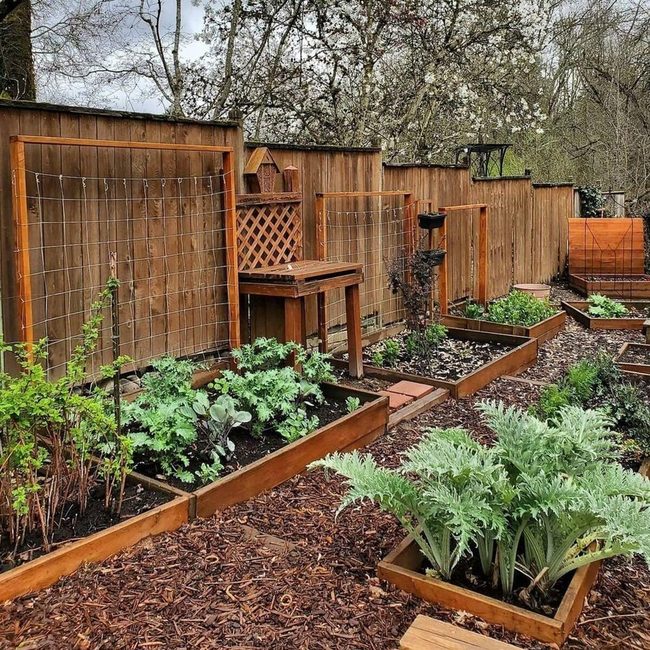
Leftover cedar from your garage can become a striking garden feature that transforms your outdoor space, and building wooden frames with netting or chicken wire inside gives climbing plants a sturdy place to grow while adding rustic charm to your landscape.
A nice touch is how this kind of project combines creativity with practicality since you're using materials already sitting around at home.
You get functionality and natural beauty all in one, plus you're making an eco-friendly choice by reusing what you have instead of buying new supplies.
The wooden structure sits visibly in your garden, drawing attention with its weathered texture and supporting greenery that fills in over time.
As vines spread across the frame, the whole thing becomes even more appealing and integrates naturally into your outdoor design.
This approach works well because it costs very little, requires basic building skills, and gives you something useful that looks good from day one.
Bamboo Tepee Garden Trellis
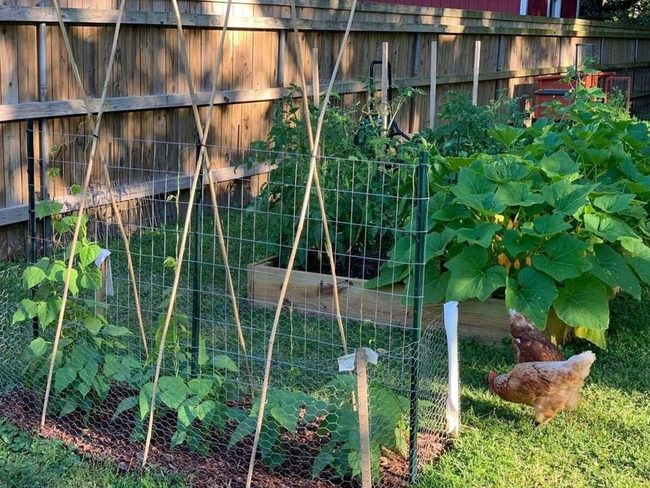
A-frame trellises give your garden a fun, geometric shape while supporting climbing plants like beans and cucumbers to grow upward.
Building one takes just a few bamboo sticks arranged in a tepee form with sturdy wire netting strung down the middle, and this setup saves you space while looking good at the same time.
You have the option to adjust the height to match your garden's size and style, which means you can grow plenty of vegetables without taking up too much ground.
The design works well because it lets vines climb naturally while keeping everything organized and within reach for harvesting.
These simple structures are to put together, and they hold up well through growing seasons.
Your plants get better air circulation too, which helps reduce disease and keeps them healthier overall.
Best of all, you can tear down and rebuild them each year if you want to switch up your planting layout or move things around to different spots in your yard.
Climbing Vines Green Walls
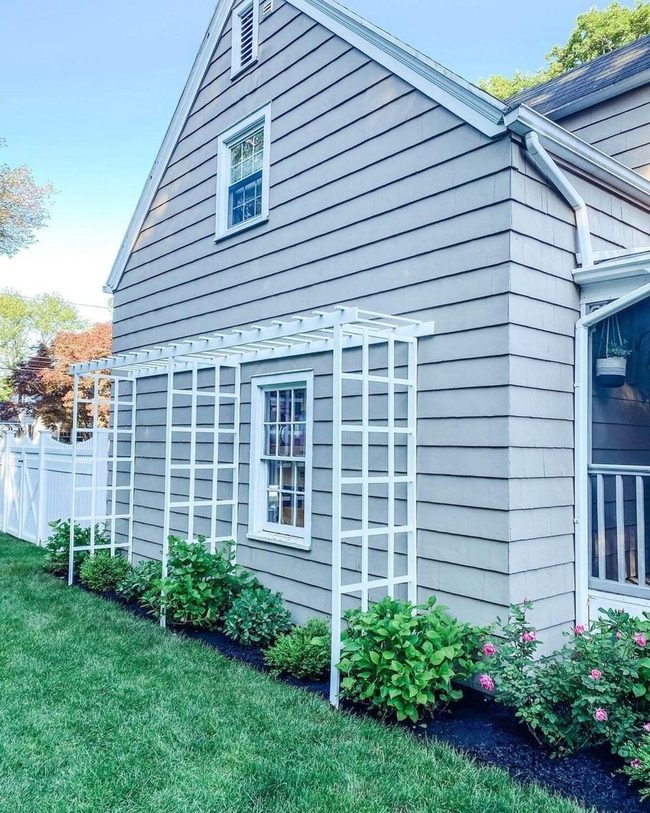
Trellises packed with climbing vines and flowers offer one of the most eye-catching upgrades you can make to a garden, and they pull double duty by providing both shade and structure.
Plants naturally weave through the framework, creating lush green walls that feel refreshing and peaceful all at once.
Beyond their good looks, these structures support your climbing plants as they grow upward instead of spreading across your beds.
A nice touch is how they carve out cozy spots for reading or simply sitting with a cup of coffee on warm days.
When you position them strategically around your yard, they guide the eye and break up flat landscapes in interesting ways.
Building or placing a trellis takes a bit of planning and thought, but the rewards are worth the effort.
You can find them in various styles and materials, so matching them to your home's character becomes straightforward.
Tall Bamboo Garden Sculpture
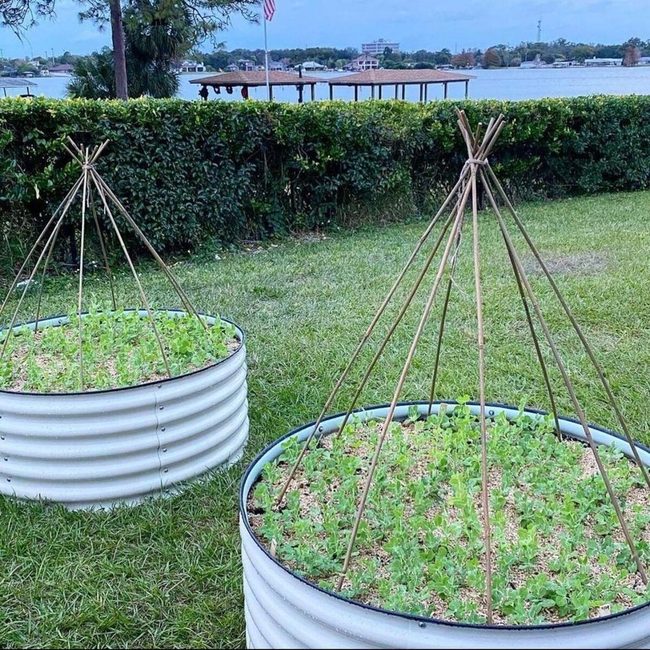
Teepee trellises stand out as one of the most eye-catching garden structures you can build, drawing attention with their dramatic triangular shape that reaches toward the sky.
A nice touch is how bamboo stakes or metal rods create both strength and visual interest, and securing them together with twine or wire at the top keeps everything stable and neat.
Growing climbing plants up the sides transforms these structures into living sculptures that make your outdoor space feel more like a lush paradise.
Building one yourself is straightforward and rewarding, and the process takes just an afternoon or two.
Your garden gains so much character from a single teepee trellis standing in a bed of flowers or vegetables.
Beyond looking great, these structures serve a real purpose by supporting heavy vines and saving you ground space.
Many people find that one well-placed teepee becomes the standout feature their garden was missing, adding both function and beauty to the landscape.
Geometric Wood Lattice Trellis
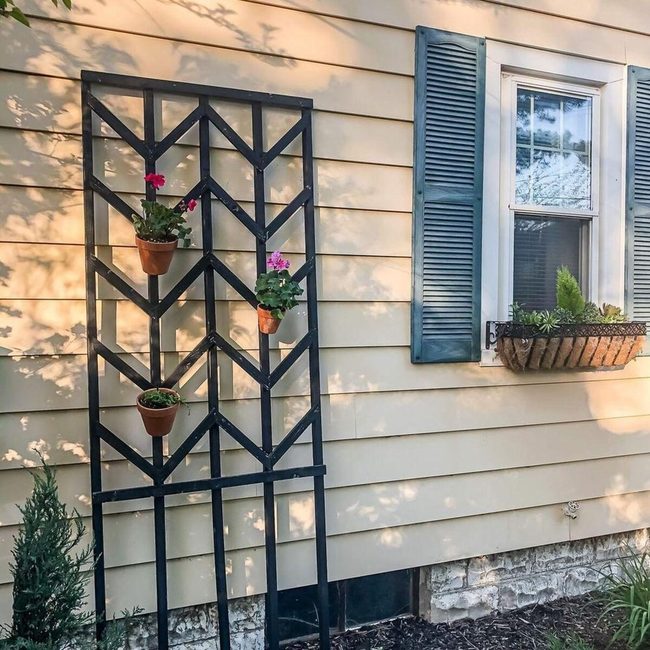
Chevron lattice trellises stand out in any garden with their bold geometric patterns and natural wood textures, offering both practical support for climbing vines and a striking backdrop for displaying potted flowers.
You can enhance the visual appeal by applying paint or stain that not only protects the wood from weather damage but also adds personality and color to your outdoor area.
These structures fit right in with traditional and farmhouse design styles, and they bring a nostalgic feel that makes outdoor spaces feel more welcoming.
Whether you choose soft, muted tones or bolder colors, the lattice framework becomes a decorative element that works hard throughout the seasons.
Maintaining your trellis with regular staining or painting keeps it looking fresh and prevents deterioration from rain and sun exposure.
The diamond or chevron pattern naturally draws the eye and creates interesting shadows as sunlight filters through, adding depth to your garden layout.
Twisted Metal Rose Arch
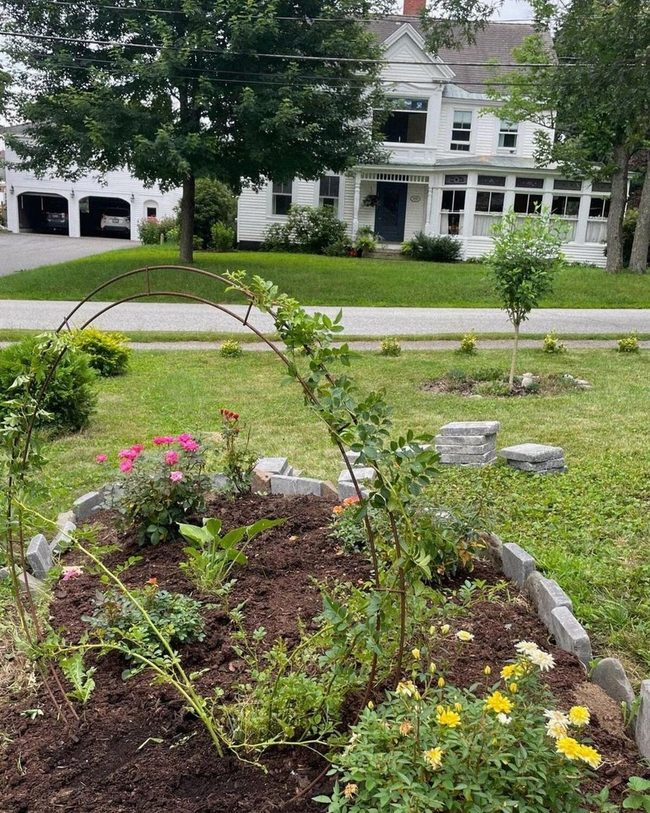
Arched trellis built from twisted metal dowels stands out as one of the most eye-catching garden upgrades you can make, and it works beautifully in any flower bed.
Climbing roses thrive on this structure and reward you with layers of blooms that arch gracefully overhead, turning your garden into something special.
What makes this project so appealing is how simple it is to build and how affordable the materials remain compared to store-bought options.
You'll need basic tools and metal dowels to create a sturdy frame that holds up to weather and plant growth.
Beyond the visual appeal, this trellis serves as solid support for vines and flowers to reach upward and spread naturally.
Once installed, you can step back and watch nature take over as roses bloom season after season.
Many people find this style of garden structure adds both function and beauty without requiring special skills or a large budget.
Honeycomb Trellis With Climbing Vines
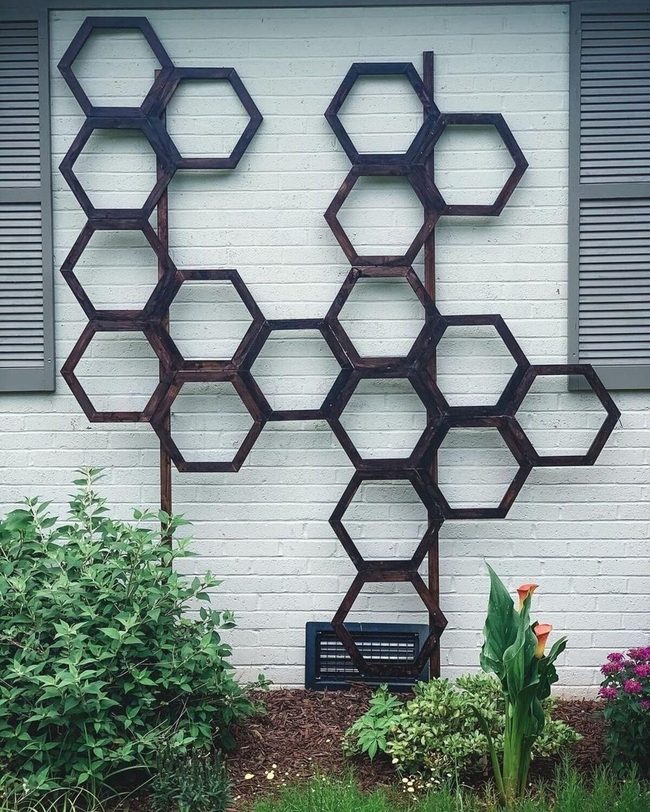
Honeycomb trellis with its bold geometric pattern makes an immediate statement in any garden space, and you can build one yourself using straightforward materials like pine boards and tools you likely have at home.
When you add chicken wire to the structure, it serves double duty by supporting your climbing plants while boosting the overall look of your outdoor area.
A nice touch is how this simple project transforms a blank wall or garden corner into a living display where plants can grow and weave through the pattern.
Building it is straightforward enough for most people to handle without special skills or expensive equipment.
Plants naturally gravitate toward the wire and wood, covering the trellis as they climb upward.
Over time, your honeycomb design becomes even more striking as greenery fills in the spaces and creates layers of texture.
You end up with both a functional garden feature and a beautiful focal point that adds character to your landscape.
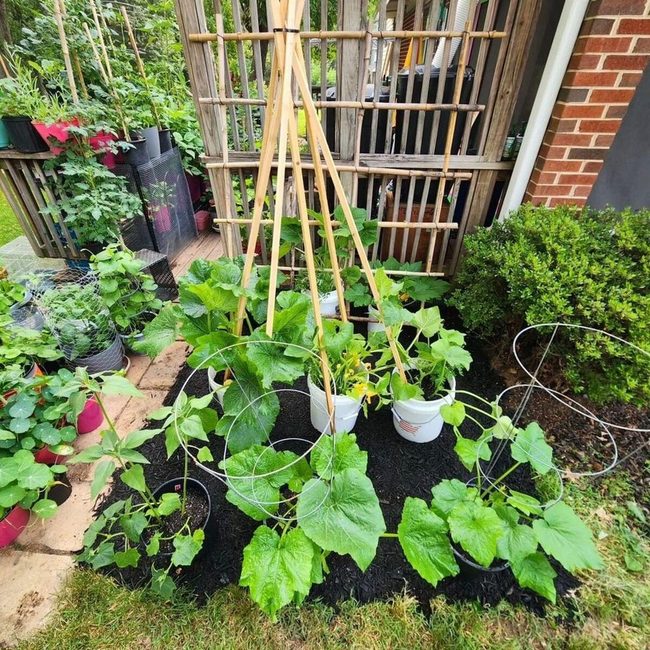
Metal Cage Plant Support Structure
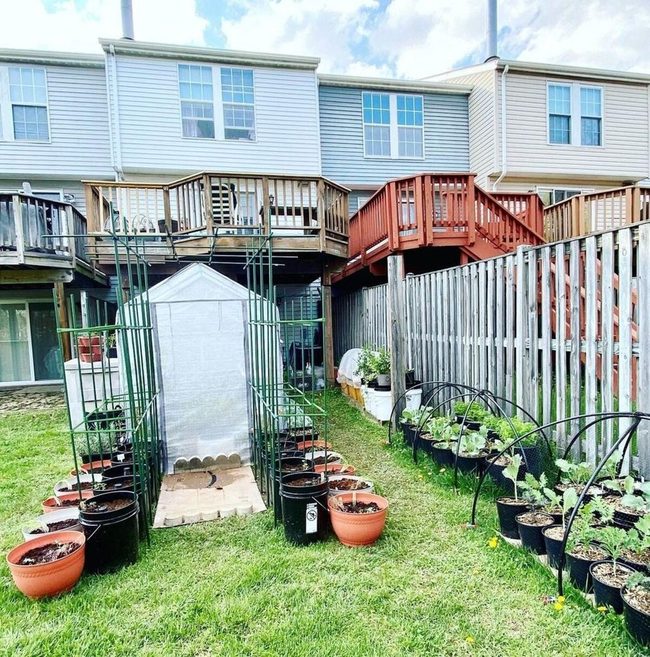
Metal dowels woven together create a strong trellis cage that easily holds up heavy plants like melons and squash.
You simply push this structure into the ground where it stays rock-solid and keeps your plants from falling over as they grow.
Buckets work wonderfully as planting containers since you can shift them to different spots in your garden while still getting all the support benefits of the cage system.
This combination of sturdy metal framework and moveable buckets gives you flexibility in how you arrange your space without sacrificing plant health or stability.
Wooden Slats Growing Upward
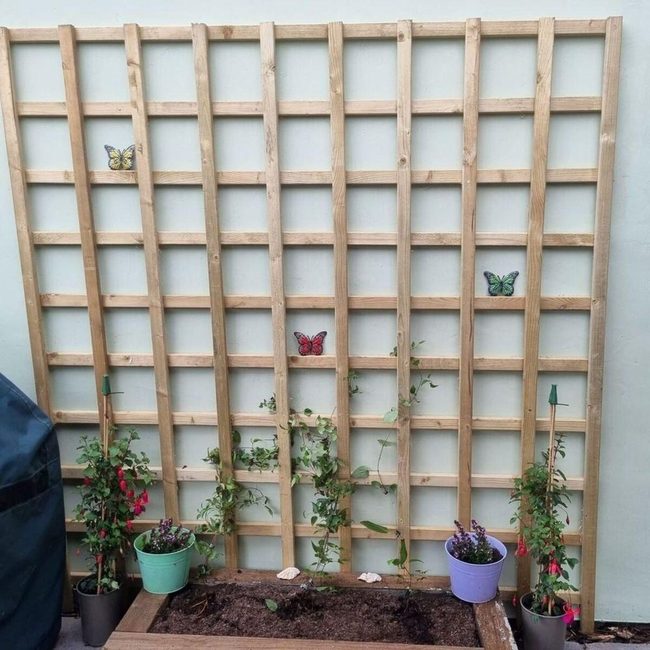
Wall-mounted trellises bring instant visual interest to your outdoor area and give climbing plants somewhere to grow upward and outward.
You get lush, flowering vines without needing much ground space, which makes them ideal if you're working with a smaller yard or patio.
Building one turns out to be pretty simple, and I think most people can do it without much trouble.
Grab some wooden slats, lay them out in a pattern you like, and bolt them securely to your wall.
The whole project doesn't require special skills or expensive materials.
Once it's up, plants will naturally climb and fill the structure with greenery and blooms.
Your garden suddenly feels fuller and more layered, and you've used your vertical space in a smart way.
Wooden Garden Trellis Framework
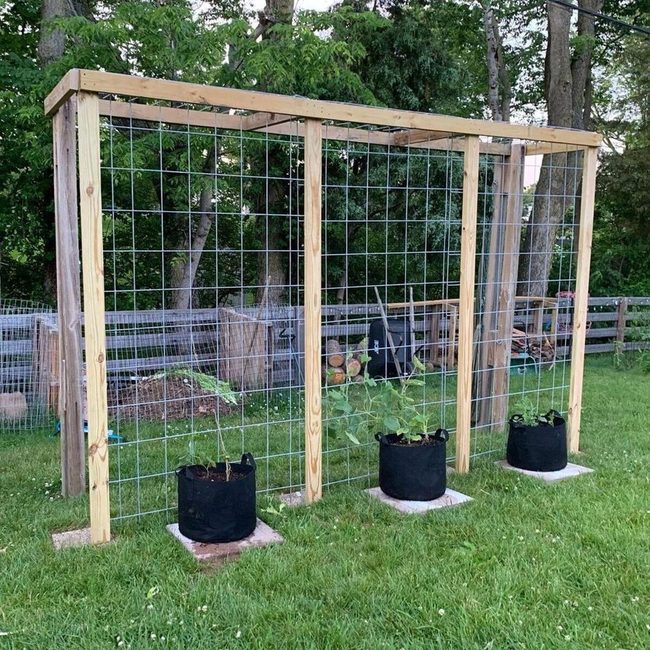
Building a sturdy wooden trellis gives your garden instant character while offering solid support for plants that love to climb.
You'll want to start by anchoring wooden posts firmly into the ground and filling the spaces between them with net panels so your vegetables have something to grip and grow upward.
Before you set everything up, treating the wood with protective finish makes all the difference because it helps your structure stand up to rain, sun, and soil moisture.
When you take this extra step, you're setting yourself up for years of successful harvests without worrying about rot or breakdown.
Each season your garden will look better as plants wind around the frame and create natural greenery.
We recommend checking your trellis occasionally to make sure posts stay tight and panels stay secure.
Down the road, you'll be glad you invested time in building something that lasts and keeps your garden looking productive and organized.
Wooden Vines Climbing Skyward
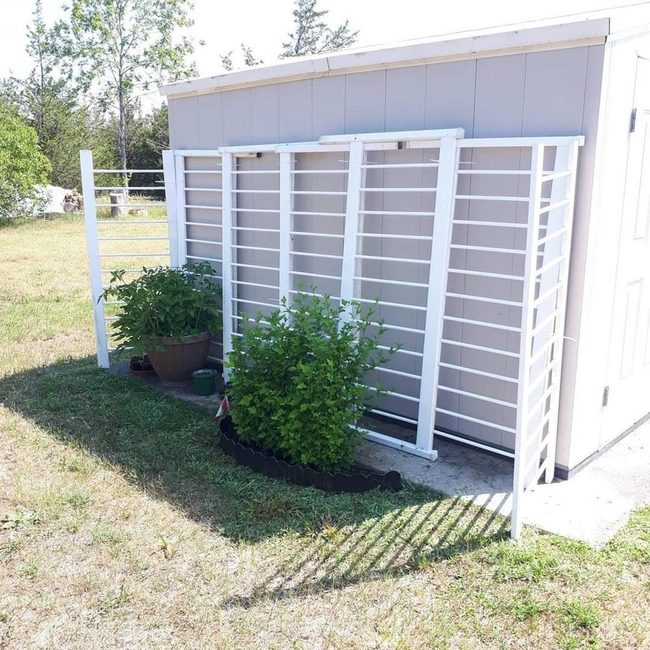
Wooden trellises standing tall around your patio bring an instant sense of enclosure and natural beauty to the space, and when you dress them with climbing plants, they transform bare walls into living green backdrops.
Positioning these structures along your home's exterior lets you build gardens that grow upward instead of outward, saving ground space while adding layers of foliage that soften hard surfaces.
You can grow everything from flowering vines to leafy plants on these frames, and they work well whether your patio sits in full sun or partial shade.
Installing them near your house gives you privacy from neighbors while the vegetation provides a gentle filter that makes your outdoor area feel more secluded and calm.
Because wood naturally weathers over time, these trellises gain character and blend seamlessly into garden settings without looking harsh or modern.
Living Twine Trellis Wall
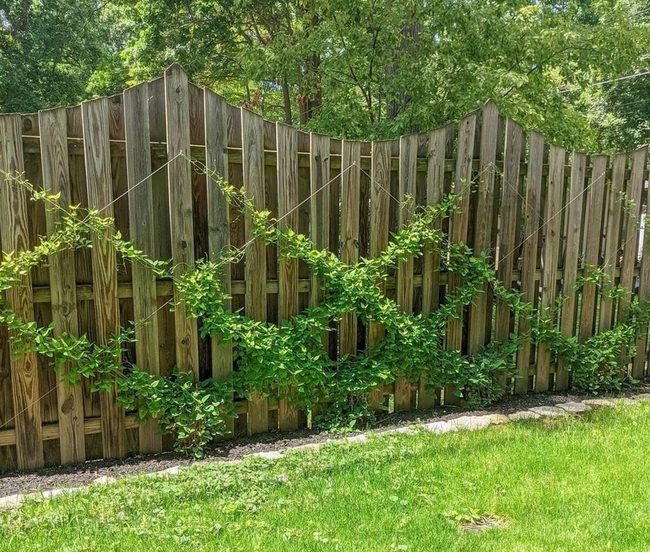
Climbing plants woven through twine trellises transform plain fences into living art, and the effect is striking enough to stop anyone in their tracks.
You can set up these structures easily by using twine and screws on wooden fences or masonry anchors on brick ones, turning a basic barrier into a vertical garden that shows off your style.
A nice touch is how this simple upgrade does double duty; it gives your plants something to grow on while also letting you express yourself through the shapes and patterns you create.
Your outdoor space gains character and warmth when you add this personal element to it.
Starting a trellis project takes just basic materials and a bit of time, making it perfect for anyone who wants to improve their garden without major renovation.
Beyond the beauty aspect, these structures actually help your climbing plants thrive by providing proper support and air circulation.
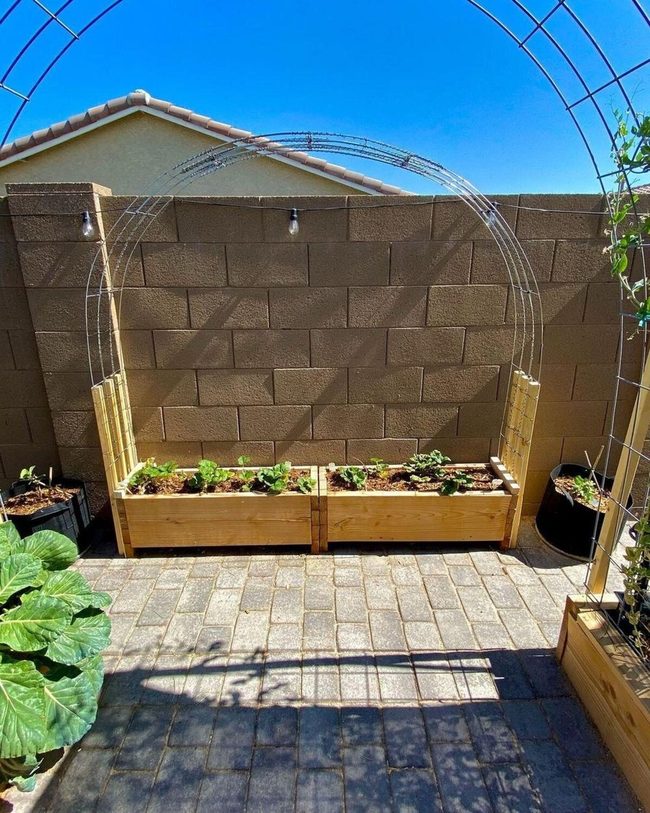
Wooden Beds With Climbing Beans
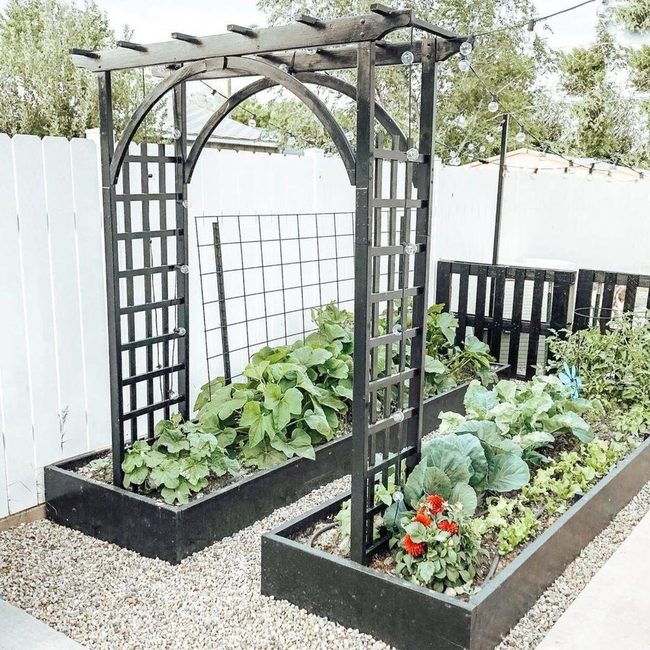
Gardens become peaceful green spaces when you use a few smart design tricks, and raised wooden beds are one of the best starting points because they look attractive while keeping your vegetables organized and easy to reach.
Above these beds, you can train climbing beans up a simple arch that stands out against the foliage and draws the eye upward to create layers of interest.
This two-part system works well because it saves space in smaller yards and gives you more room to grow what you love.
When you step outside to water or harvest, the setup makes the whole experience feel rewarding and personal rather than like a chore.
The natural wood tones blend nicely with green plants and earth colors, so the space feels both functional and beautiful.
You don't need much to get started, and over time your garden develops into a retreat where you actually want to spend time.
Juan Martínez
Founder & Lead Designer
Expertise
Modern & Contemporary Decor, Gothic & Dark Aesthetic, Coastal & Beach Style, Farmhouse & Rustic Decor, Outdoor & Garden Design, Nursery & Kids’ Room Design, Kitchen and Bathroom Remodeling, Unique & Specialty Spaces, Living Room and Bedroom Styling
Education
Universidad de los Andes (Bogotá, Colombia)
Pontificia Universidad Javeriana (Bogotá, Colombia)
Juan Martínez, Founder & Lead Designer of columbia-artists.com, grew up in Bogotá, inspired by the city’s mix of old and new architecture. He studied Interior Design at Universidad de los Andes and earned an Advanced Interior Architecture Certification from Pontificia Universidad Javeriana.
With 10 years of experience, Juan has transformed homes across Colombia and beyond, blending modern design with cultural craftsmanship. Through columbia-artists.com, he shares expert tips and inspiration to help homeowners create spaces they love.
Outside of design, Juan enjoys exploring markets, mentoring designers, and celebrating Colombian artistry.