
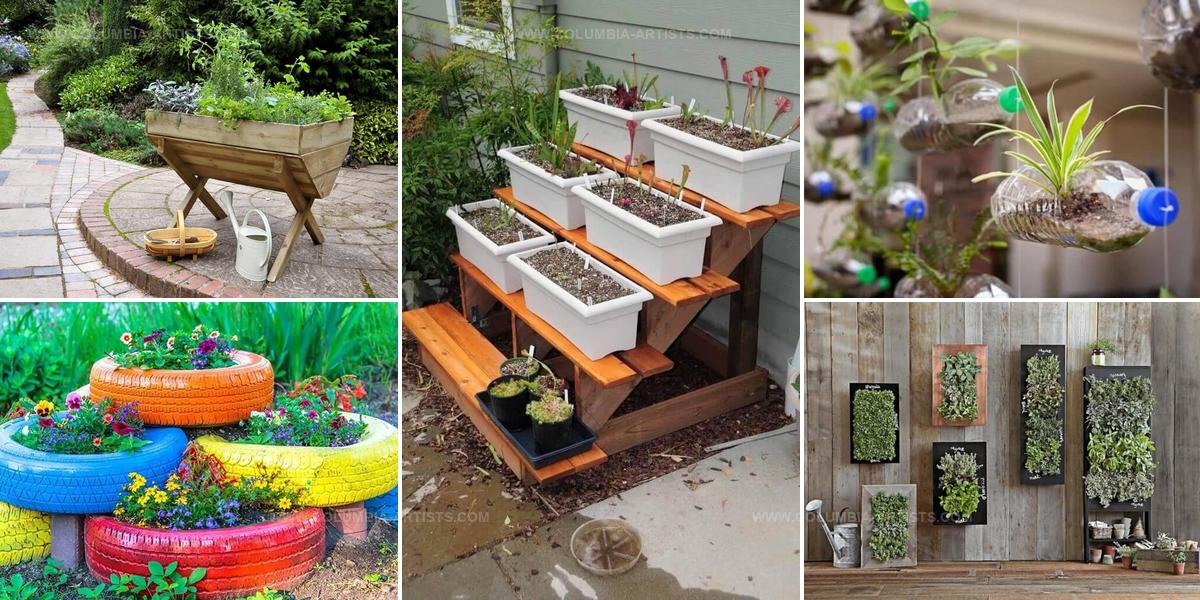
32 DIY Vertical Garden Ideas to Grow in Small Spaces
Vertical gardens offer an incredible way to maximize growing space while adding natural beauty to any area.
Growing upward instead of outward makes sense for those who face limited square footage but still crave fresh herbs, flowers, or vegetables at home.
A living wall can flourish on balconies, patios, fences, or even indoors with proper planning and care.
The benefits extend beyond aesthetics since these installations improve air quality, reduce noise pollution, and provide insulation for buildings.
Anyone can build one using repurposed materials, simple construction techniques, and plants suited to available light conditions.
The satisfaction of harvesting produce from a wall that once sat empty becomes addictive once you experience it firsthand.
Purple Pink Hydrangea Window Garden
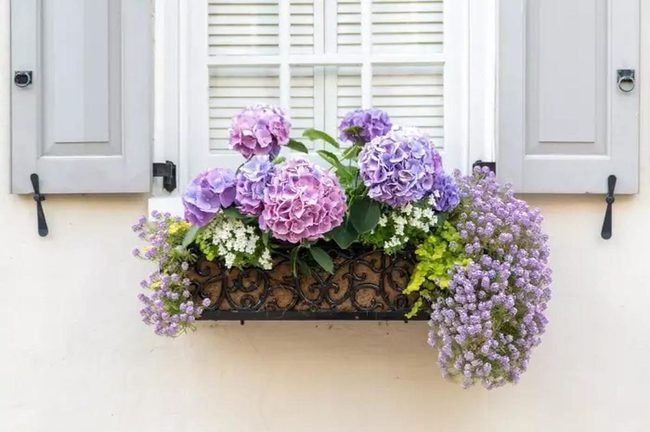
Purple and pink hydrangeas clustered in your window box make an instant visual statement with their full, rounded blooms that catch light beautifully.
Trailing greenery softens the hard lines of the box and spills down naturally, connecting the flowers to your windowsill.
You get the benefit of watching this garden display from inside while it brings fresh color and life directly to your view.
The layers of blooms and foliage mean there's always something new to notice as light shifts throughout the day.
Your window becomes a living frame that changes with the seasons and brings the garden into your daily view.
Stacked Green Levels Impact
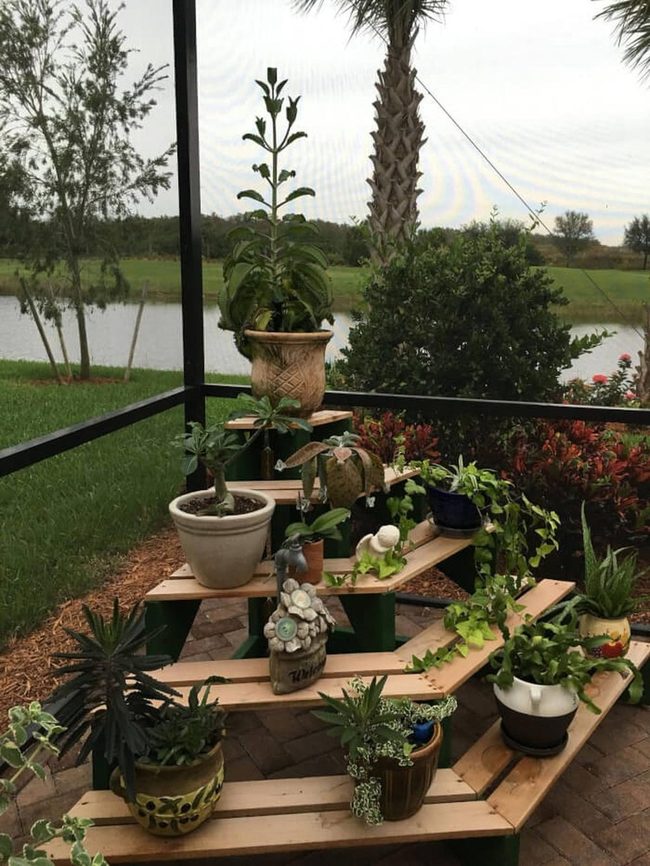
Multi-level plant arrangement stops you in your tracks with its drama and scale, as your eyes naturally move from top to bottom across varied heights and textures.
Selecting the right pots transforms the whole setup since they blend earthy materials with design choices that feel authentic and grounded.
One nice thing about this kind of garden is that it encourages you to walk around it and explore what's growing at each level.
Moving plants to different heights and combining them this way makes your space feel alive and dynamic in a way that flat arrangements just can't match.
You can shift things around whenever you want, so the garden stays fresh and interesting throughout the seasons.
Cascading Green Wall Layers
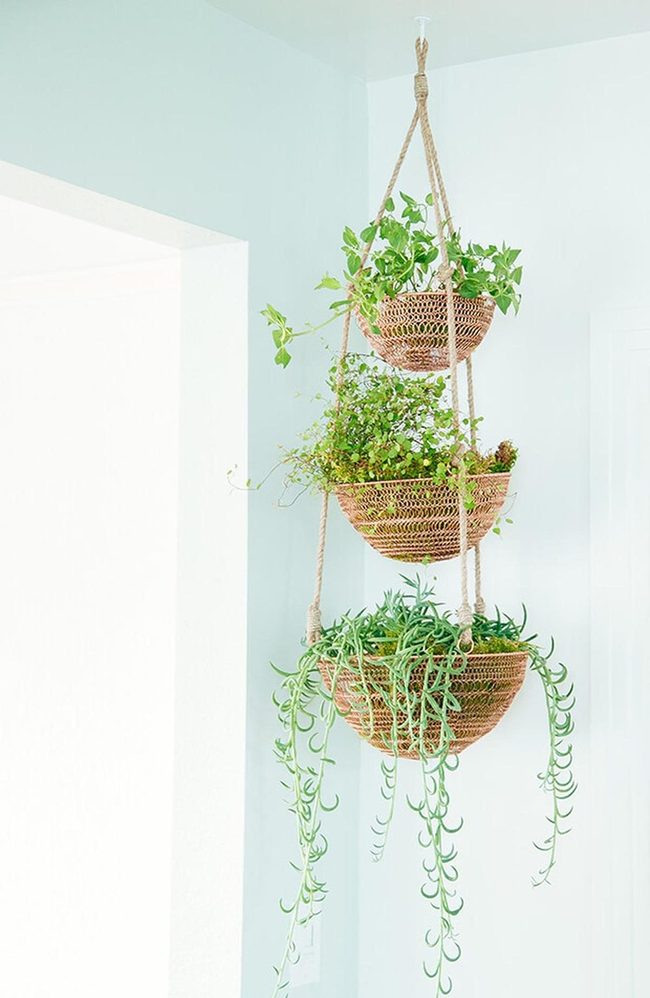
Hanging gardens with their tiered designs filled with cascading greenery draw your eye upward and make any room feel alive with movement and lush texture.
A nice touch is how this vertical approach fills empty wall space and lets you grow so many different plants in one spot.
You get layers of green that add depth to the room without taking up precious floor area.
Matching plants of different heights and trailing varieties means your garden has natural rhythm and visual interest from top to bottom.
One benefit many people overlook is how much personality this adds to plain walls or corners.
Maintenance stays simple since water drains naturally, and you can adjust plant positions as they grow.
This setup works well in bedrooms, living rooms, or offices where you want something that feels fresh and alive.
Cascading Green Wall Garden
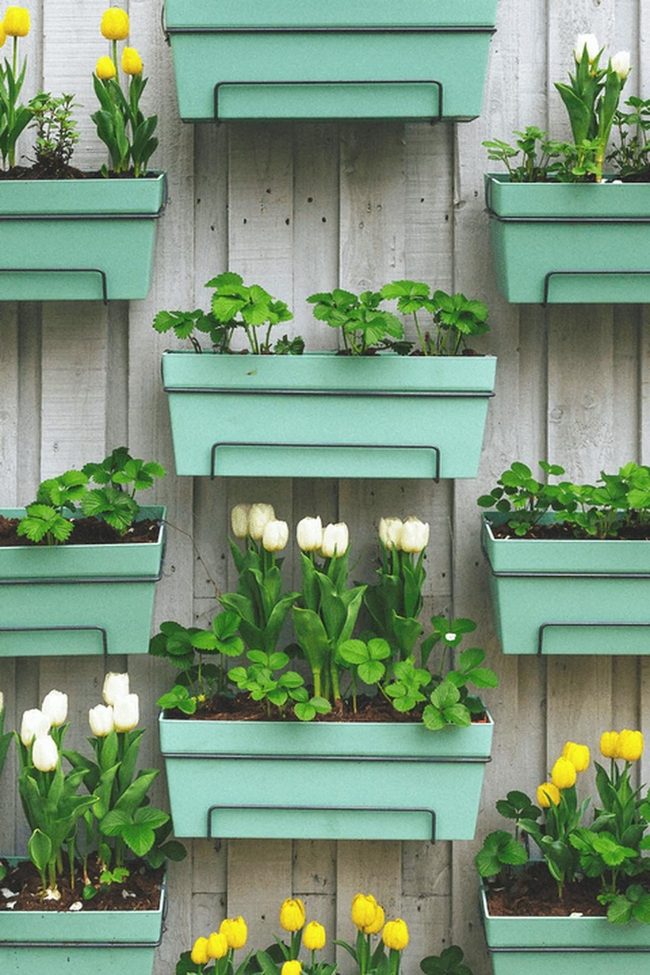
Walls transformed into living gardens with plants cascading down vertical surfaces instantly catch attention and bring nature indoors in a way that feels both bold and fresh.
I can see why the setup helps you enjoy multiple layers of greenery and blooms stacked together, which means you can fit far more plants into a compact space than traditional arrangements allow.
Different colors and textures blend across the wall, and the variety keeps your eye moving and engaged.
Beyond looking good, these gardens actually clean the air in your home and make the space feel more alive and connected to nature.
Setting up a vertical garden opens up gardening to people living in apartments or homes with limited outdoor room, so anyone can grow plants without needing a huge yard.
What makes this setup so appealing is that it combines practical growing space with something beautiful that changes how your room feels and looks every single day.
Living Green Wall Layers
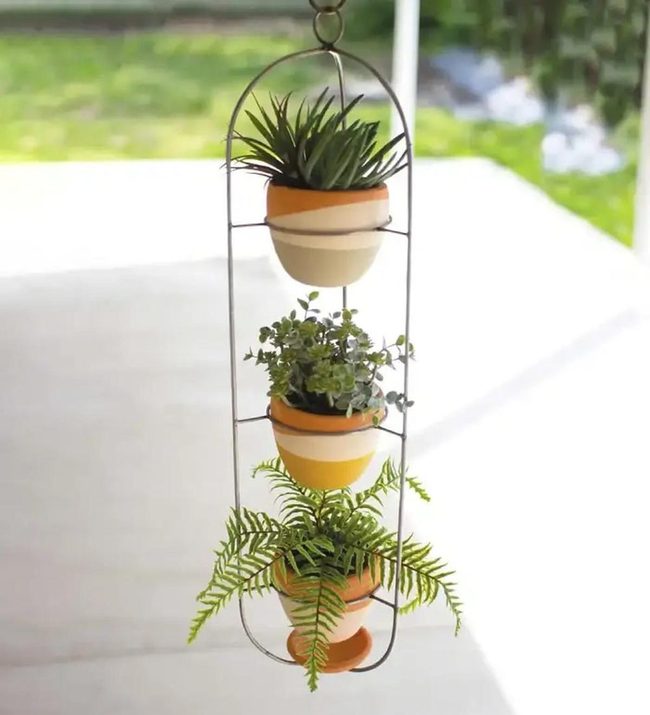
Vertical gardens make an outstanding statement by filling your walls with layers of living green that immediately catches attention the moment you enter a room.
You can hang pots at different heights to show off various plants and maximize even the smallest spaces available.
Each level becomes its own little garden where you might mix trailing vines with colorful blooms or cluster succulents together for texture.
Moving your eyes upward across this tiered arrangement keeps things interesting and breaks up blank wall space in a natural way.
Since the plants sit at arm's level, watering and trimming becomes simpler and more pleasant than bending down to ground-level planters.
This approach gives you more room to work with without sacrificing style or the fresh botanical feel you want in your home.
Living Green Wall Display
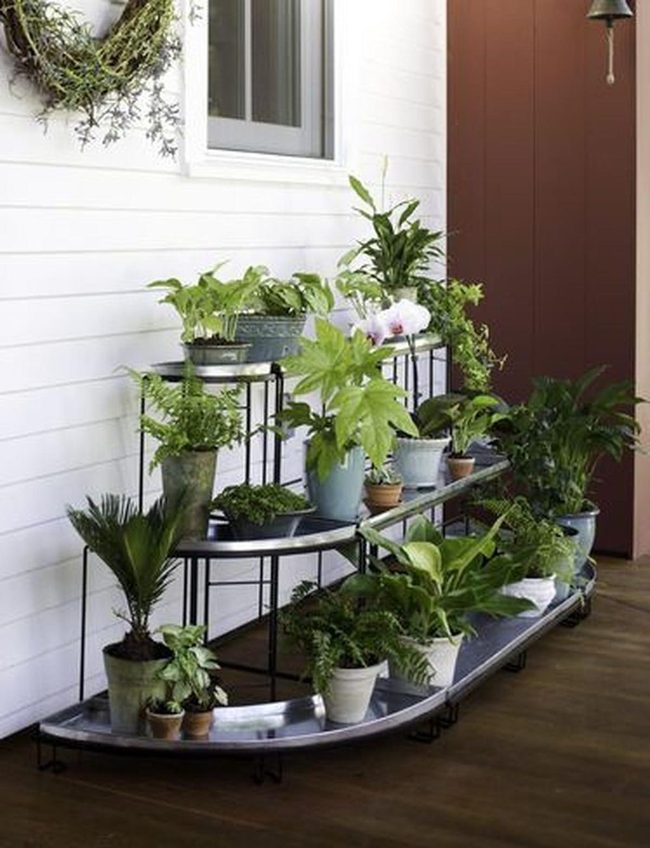
Stacking plants on tiered shelves gives you a striking green wall that turns any corner into a living showcase, and each plant species becomes visible and appreciated in its own space.
Mixing different pot styles and materials across the shelves adds personality and keeps the display from feeling flat or boring.
Various plant textures and leaf colors work together naturally to make the arrangement feel alive and full of character.
When you layer greenery this way in a compact area, you make the most of limited floor space while bringing fresh air and energy into your home.
The arrangement feels balanced without needing to overthink it, and visitors naturally notice how the plants seem to spill downward in an organic pattern.
You can swap out plants seasonally or add new pots as you collect them, so the display stays fresh and reflects your taste over time.
Small spaces benefit most from this approach because vertical gardening lets you build outward and upward rather than spreading things across the floor.
Vertical Green Wall Gardens
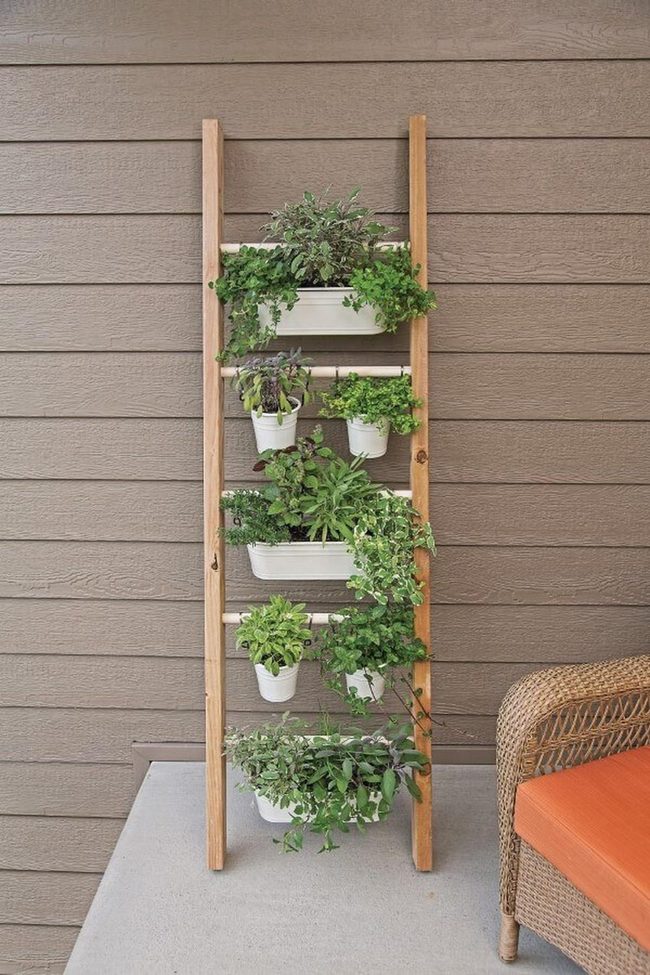
Wall-mounted gardens stretch greenery upward and transform cramped areas into lush displays without consuming precious floor space.
Herbs and plants flourish in these vertical setups, offering you both visual appeal and the chance to grow your own fresh ingredients right at home.
This method works especially well if you enjoy gardening but lack room for traditional planters.
You get easy access to maintain your plants while adding natural color and texture to otherwise bare walls.
The variety of trailing and upright plants available means you can customize the arrangement to match your style.
Growing things this way feels rewarding and practical, giving you a personalized garden that truly fits your living situation.
Vertical Herb Gardens In Wood
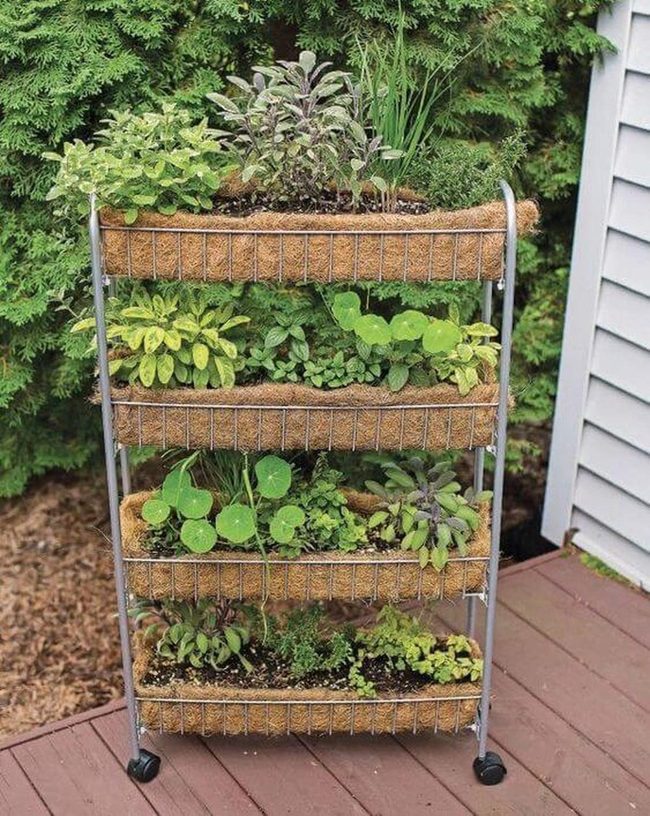
Stacked gardens with plants climbing upward draw immediate attention as soon as you enter a space, and they work hard to transform small areas into thriving green zones without taking up much ground room.
I can see why the setup helps you grow multiple herbs and vegetables at different heights, so reaching each plant becomes simple and the whole process feels rewarding rather than like a chore.
Natural wood or stone materials for the tiers add warmth and texture that blends nicely with most outdoor or indoor settings.
Plants spilling down from upper levels bring color and life to corners that might otherwise feel bare.
Since you can position the gardens against walls or in tight spots, they solve the puzzle of limited space while still letting you harvest fresh herbs or vegetables regularly.
Climbing Succulents Through Broken Clay
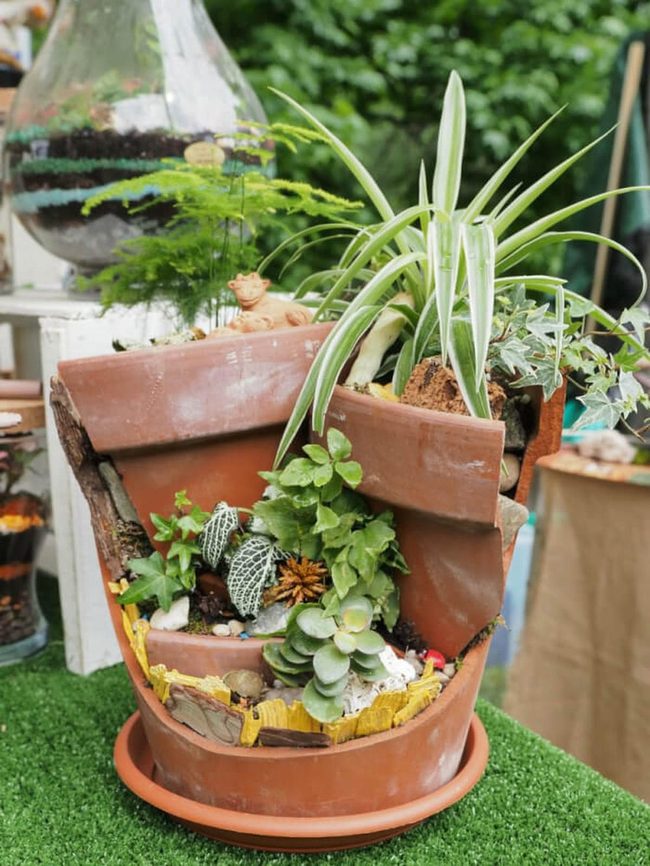
Garden with plants climbing up broken terracotta pots gives you something really special to look at, and the layered arrangement lets greenery grow at different heights.
Succulents and ferns mix together in unexpected ways, filling corners and gaps with life and movement.
Natural materials like the weathered clay pieces add an earthy quality that feels honest and real.
You get a display that works well from every angle, whether you're standing close or viewing it from across the room.
Wood, stone, and aged pottery blend together and support the plants as they spread and grow.
Most people love how this setup feels both wild and balanced at the same time.
It's the kind of display that becomes a focal spot in your garden or patio without needing much fuss.
Cascading Green Walls Overhead
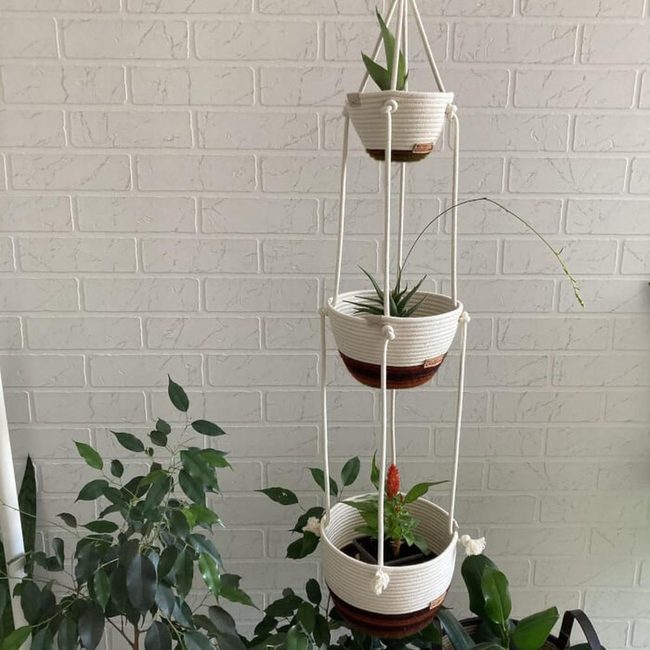
Hanging plants in vertical arrangements give your space an immediate sense of life and movement that draws attention the moment you walk in, and this setup works especially well if you have limited floor space since you can grow upward instead of outward.
Layering different types of greenery at various heights creates visual interest throughout your room and allows various plants to flourish together in ways that look naturally appealing.
Beyond just looking good, these living walls actually improve the air you breathe indoors by filtering out toxins and releasing fresh oxygen.
You can mix trailing plants that cascade down with upright ones that reach toward your ceiling, and this combination gives you a dynamic look that simple potted plants on shelves just cannot match.
Painted Tires Bursting With Blooms
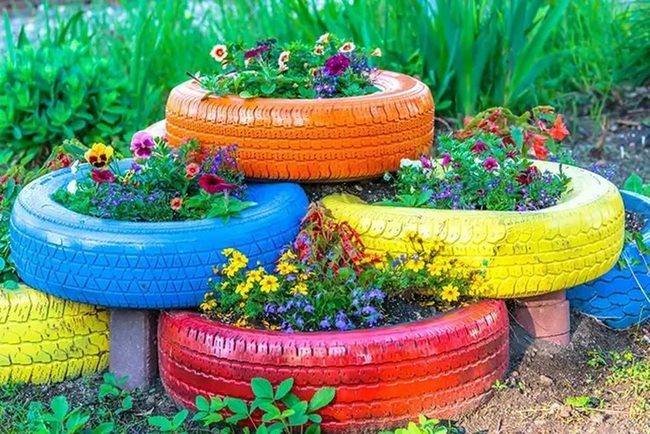
Stacked and painted tires packed with blooming flowers make a bold statement in any yard, and the mix of bright colors immediately catches your attention as soon as you look at the space.
You can fill each tire with soil and different plants to get a rainbow effect that changes with the seasons.
What makes this idea so appealing is that it reuses materials you might otherwise throw away while giving you room to get creative with your garden layout.
Whether you have a large yard or just a small balcony, old tires work well for growing multiple types of plants at once.
The best part is how easy it is to set up and rearrange whenever you want a fresh look.
Stack them in towers, arrange them in rows, or scatter them however feels right to you.
This hands-on project costs very little since you're working with something that might be sitting in a garage or shed already.
Cascading Terracotta Vertical Garden
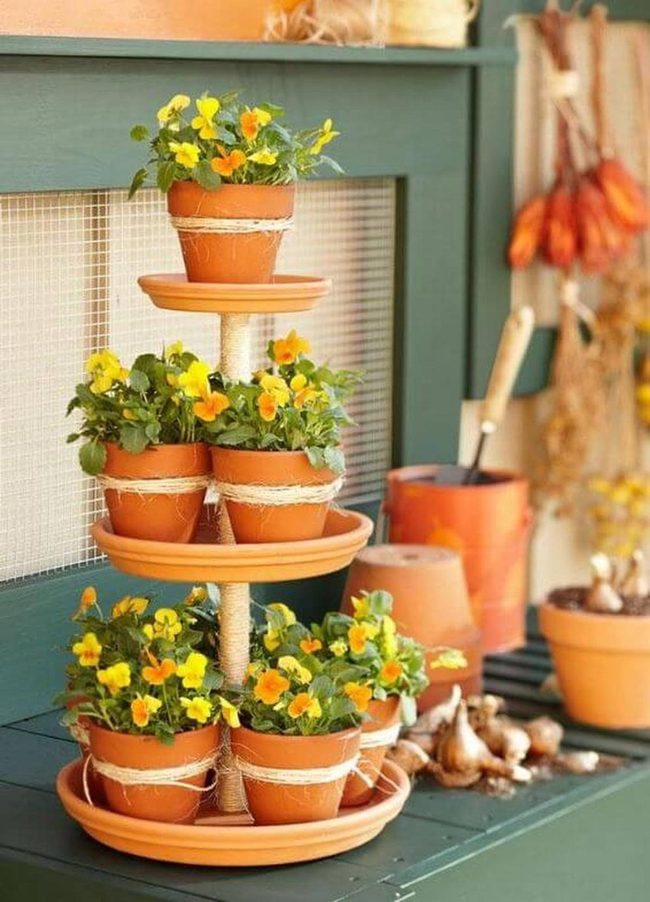
Stacked terracotta pots offer one of the most striking ways to arrange your garden, especially when you let flowers spill down from each level in a beautiful cascade.
This vertical approach saves you precious ground space while adding real dimension to how your garden looks and feels.
This gives you the freedom to display a wide range of colors and textures across multiple tiers, and it shifts how people think about planting altogether.
Building these stacks is straightforward enough that anyone can do it, and the payoff in visual interest is worth the small effort.
Plants positioned higher up tend to get good light and air circulation, which keeps them healthier too.
When you step back and look at your arrangement, you'll see how much personality this setup brings to even a small garden area.
Vertical gardening opens up new possibilities for what you can grow and where you can grow it, all without needing a sprawling yard to work with.
Layered Plants Reaching Upward
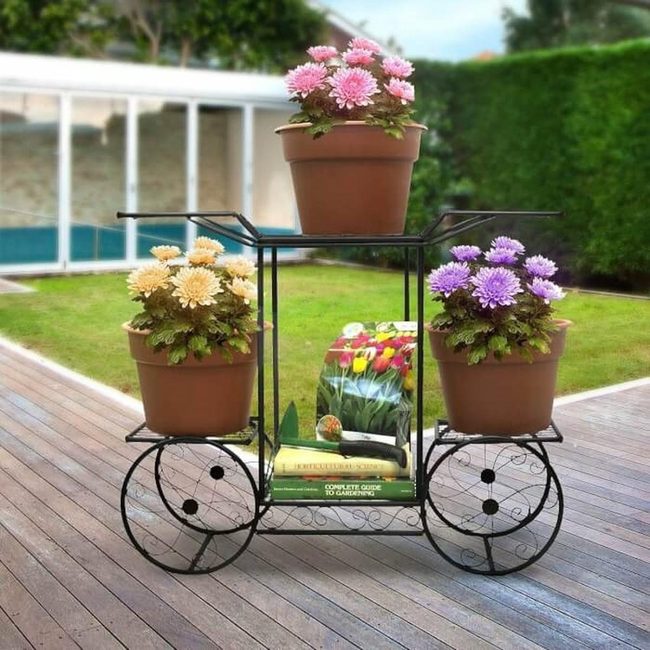
Vertical gardens transform your outdoor space into something completely different by using walls and vertical structures to display plants in layers and tiers.
You can take advantage of even the tiniest areas by adding height and dimension, which makes your garden feel much more interesting and full.
Mixing different flowers and plants in various pots across these vertical surfaces lets you play with colors and textures in ways that a traditional ground-level garden simply can't offer.
Another benefit is that watering and caring for your plants becomes easier since everything sits at a comfortable height rather than spread across the ground.
Stacking plants upward also opens up new possibilities for arrangement since you can position each pot exactly where you want it and swap things around whenever you feel like a change.
One more thing that makes vertical gardens so appealing is how they look from every angle, giving your space depth and visual richness that pulls attention upward and outward.
Colorful Pots Stacked Skyward
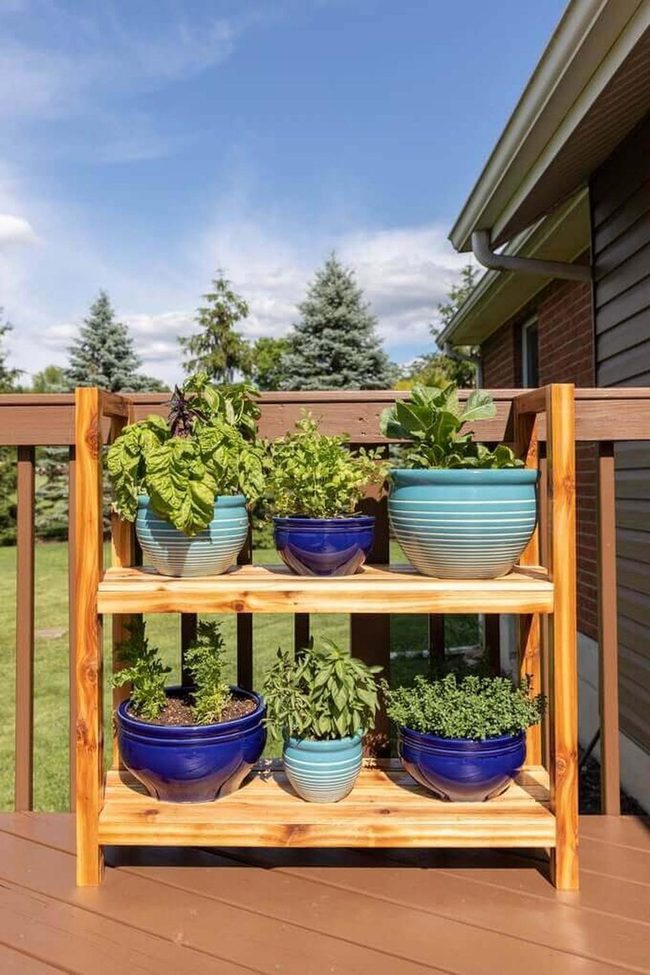
Vertical gardens transform your outdoor space with rows of hanging plants and herbs that draw the eye upward, and positioning them on shelves lets you arrange everything to catch maximum sunlight while keeping herbs within arm's reach for cooking.
Colorful pots stacked or arranged in layers add brightness and personality to your deck or patio, making the space feel alive and purposeful.
You get the benefit of fresh ingredients close at hand while the layers of greenery make your outdoor area look fuller and more interesting.
Shelving systems work especially well because they give you flexibility to adjust plants as they grow or as seasons change.
If you're short on ground space, going vertical is smart because it opens up room for seating or other activities while still giving you that lush garden feel.
A nice touch is how this approach lets small patios feel bigger while still delivering fresh basil, mint, and other herbs whenever you need them.
Wooden Beds Grow Vegetables
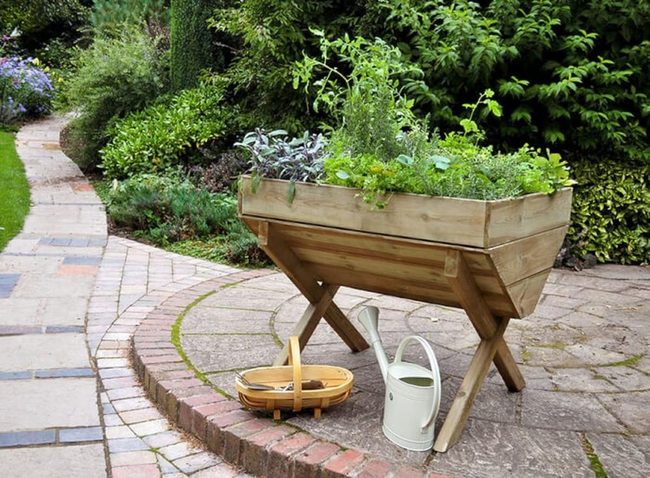
Raised garden beds made from wood offer a straightforward way to grow herbs and vegetables while making it easier on your back and joints when you're tending to plants.
Nothing beats how naturally these wooden structures sit within a garden setting, and the organic appearance they bring blends right into any landscape around them.
You have the freedom to experiment with different combinations of plants, from leafy greens to flowering herbs, and watch your garden fill out with color and growth.
The wooden frames themselves look attractive without much fuss, standing out as both functional and pleasant to look at in your yard.
Beyond appearance, these beds help with drainage and soil quality, giving your plants room to thrive.
When you arrange them in rows or clusters, they become a defining feature of your outdoor space.
The whole setup costs less than many alternatives and takes just a weekend to build and install.
Climbing Flowers Cover Bare Walls
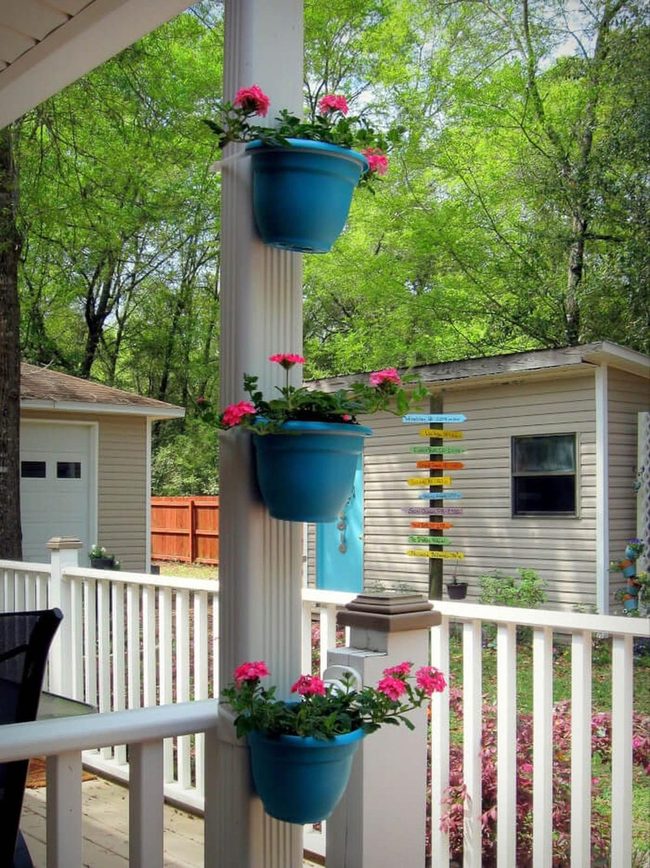
Climbing plants and flowers cascading down wall-mounted structures turn bare surfaces into lush green displays that catch attention immediately.
By arranging pots vertically on posts or walls, you gain the ability to grow a wider variety of plants and flowers in spaces where ground room is tight.
This setup works especially well for patios and small gardens where every inch counts.
This lets you enjoy real greenery and blooms without eating up valuable floor space.
Stacking plants upward also makes it easy to water and care for your collection since everything sits at a comfortable height.
If you're working with limited square footage, vertical gardening lets you maximize what you have while turning an empty wall into something beautiful and alive.
Growing things this way means you can experiment with different species and create layers of color throughout your outdoor area.
It's a simple solution that transforms any corner into a refreshing retreat filled with nature.
Living Green Wall Kitchen Herb
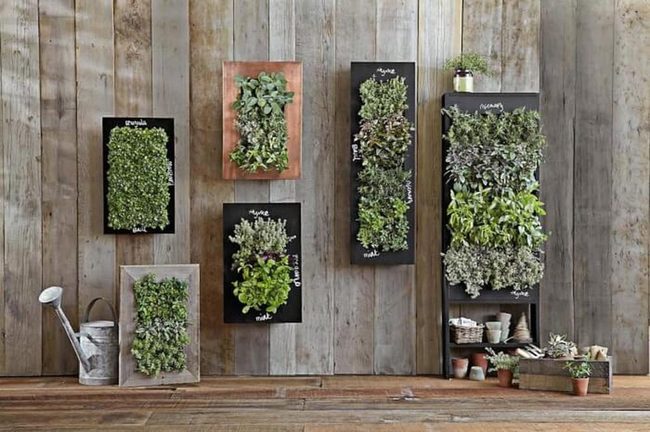
Vertical gardens turn your walls into lush displays of green that immediately catch the eye and transform bare spaces into something alive and growing.
You don't need a big yard or much floor space to enjoy fresh plants and herbs since they grow upward instead of spreading out.
Different types of greenery thrive in these wall-based systems, and you get both beautiful foliage and practical access to fresh herbs for cooking and meals.
Plants with varying textures and colors can be mixed together in interesting ways, and the result is like having a piece of living art right where you can see it every day.
Maintenance becomes simpler when everything is at eye level and organized on a wall.
It's a straightforward way to add dimension and natural beauty to your home without the fuss of conventional gardening.
Towering Pots Bold Blooms
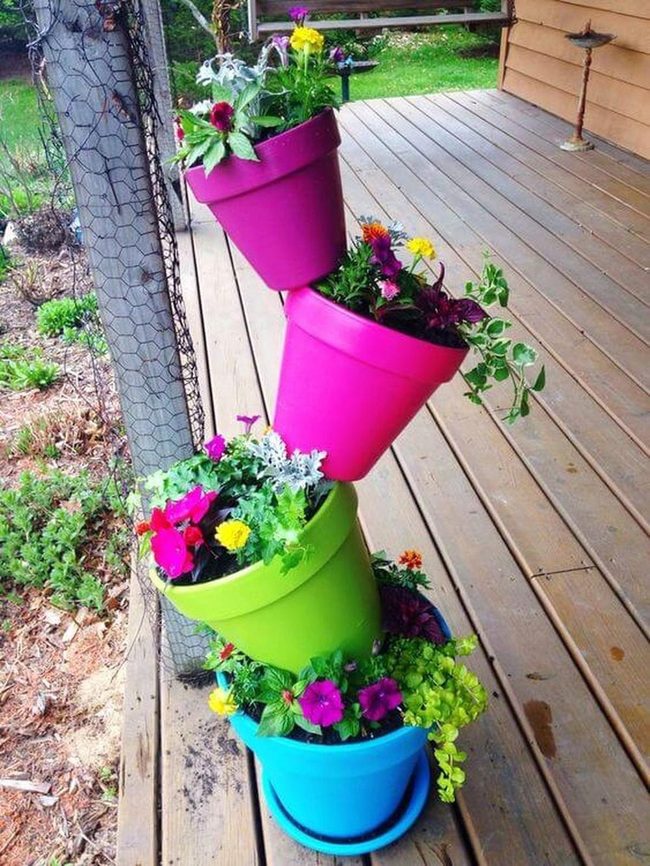
Stacked pots in bold colors grab attention immediately in your outdoor space, and they look especially striking when you fill each one with different flowers that bloom at different times.
By going vertical with your containers, you make smart use of small areas and build interesting layers that draw the eye upward.
You can swap out flowers whenever you want to match your mood or the season, so your garden stays fresh and new looking.
This approach works well because it lets you experiment with color combinations without needing lots of ground space.
Arranging pots this way also makes watering and caring for plants simpler since everything stands at arm's reach.
The whole setup feels dynamic and playful, and you can adjust it anytime something isn't working or you want a change.
Stacked Succulents Green Tower
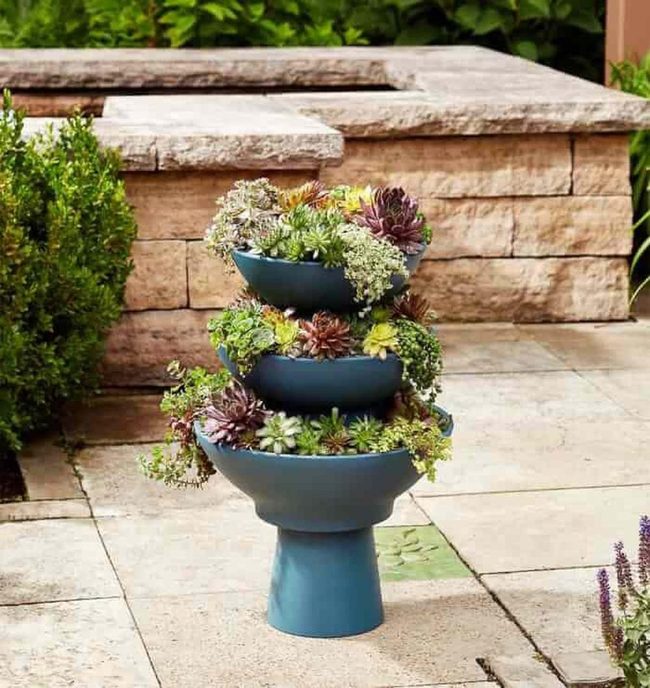
Tiered planters filled with succulents make a bold statement in any outdoor area, and you have more freedom to showcase so many different textures and colors in one striking arrangement.
By stacking the planters vertically, you're able to fill a small space with lots of green life without eating up much ground room.
Each level shows off a different mix of plants, so whether someone looks at it from the side, front, or back, there's always something interesting to catch their eye.
You can plant different succulent varieties at each tier and enjoy spotting all the unique differences between them as you move around and explore the display.
This kind of layered setup works well because it lets you pack more plants into a tighter area.
Water needs become easier to manage too, since succulents require less moisture than many other plants.
Many people find that a tiered succulent garden becomes the spot in their yard where they actually slow down and look closely at nature.
Wooden Tiers Of Living Color
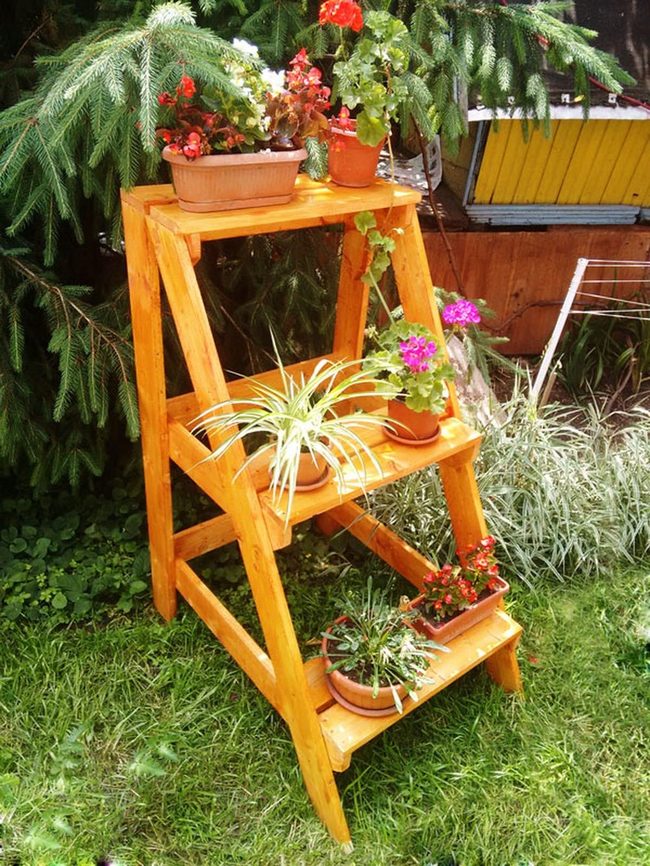
Vertical gardening offers a fresh way to display plants and makes smart use of your available space, with sturdy wooden structures holding pots of colorful flowers and trailing greenery at different heights.
The space lets you enjoy this greenery arrangement without taking up much ground area, and the plants become easier to see and reach from various angles.
Moving through the space feels natural because the different levels keep your eyes engaged as they travel up and down the structure.
Adding plants this way lets you experiment with which flowers and foliage work best together, and you'll discover what grows well in your specific light conditions.
Your outdoor area gains layers of color and life that wouldn't be possible with traditional ground-level planting alone.
Recycled Bottles Living Green
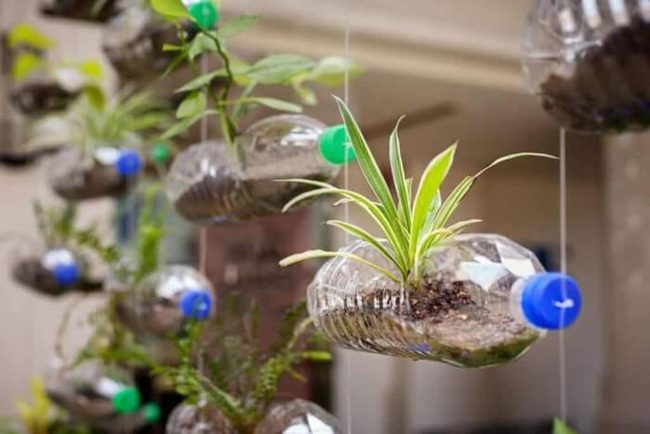
Hanging gardens made from recycled bottles transform bland walls and balconies into lush, green spaces that catch everyone's attention.
You can fill each bottle with different herbs or flowers, and the vertical arrangement turns ordinary materials into something that looks both useful and beautiful.
What makes this idea so appealing is that it combines practical gardening with environmental responsibility, since you're giving new life to bottles that would otherwise end up in the trash.
Setting up these gardens is straightforward and doesn't require special skills or expensive tools.
Your personal style shines through in how you choose which plants to grow and where you position them.
Growing your own herbs and flowers in limited spaces means you get fresh ingredients or colorful blooms right where you need them.
Beyond the practical benefits, there's something satisfying about knowing you're reducing waste while making your home look more interesting and alive.
Terracotta Pots Succulent Wreath
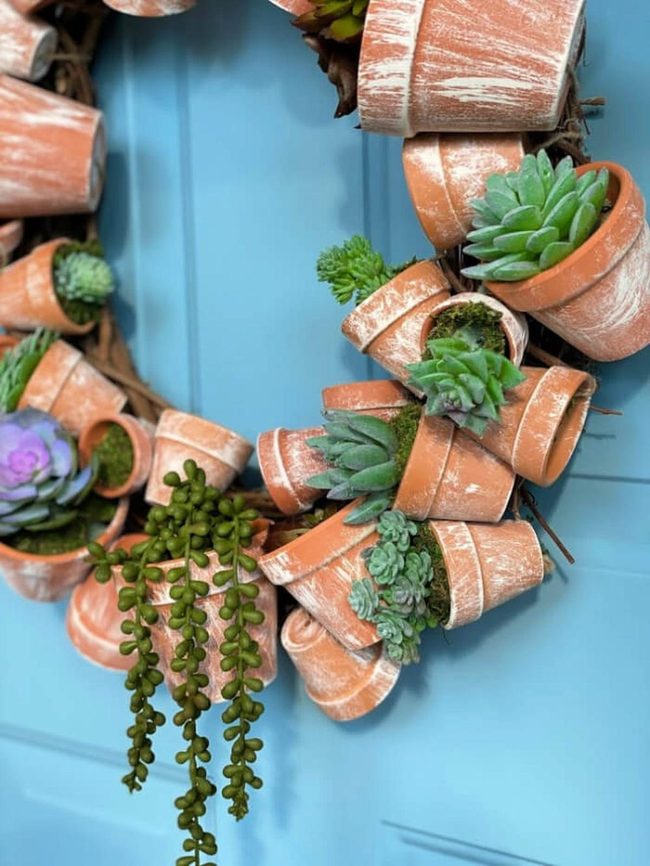
Wreath filled with terracotta pots and trailing succulents stops people in their tracks the moment they walk in, and the mix of earthy tones and varied plant textures makes it hard not to stare.
I can tell how each small pot holds a different succulent, so the arrangement keeps your eye moving around and discovering something new at every angle.
Beyond just looking good, this design works well for entryways or garden walls and suits almost any home style.
Since succulents don't need much water, you can enjoy this display without constant upkeep.
If you want something that feels both artistic and low-maintenance, this wreath delivers both at once.
Green Wall Living Space
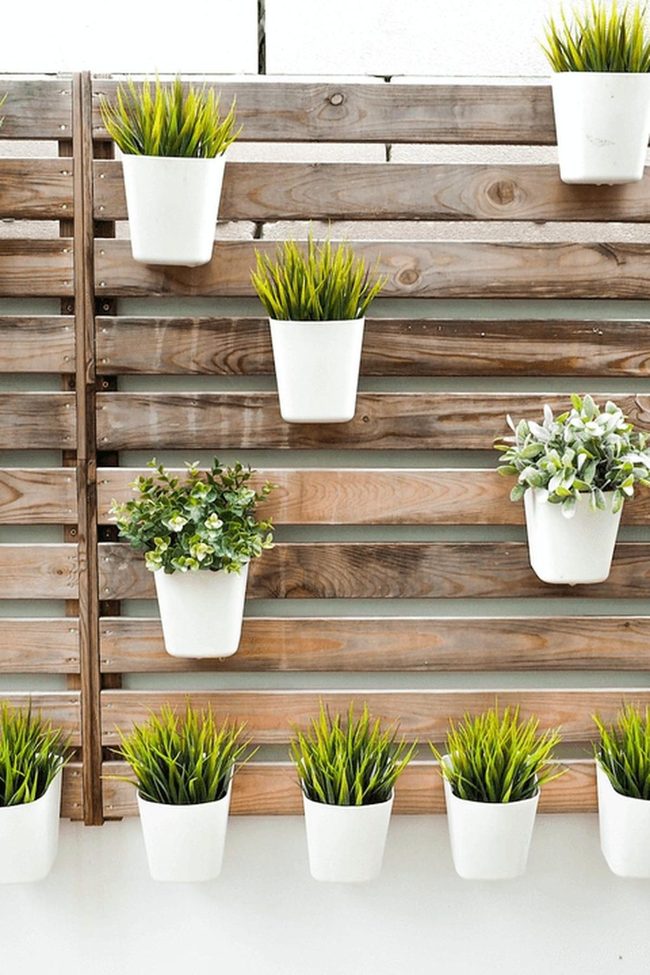
Vertical gardens transform plain walls into living displays of green, and wall-mounted planters let you grow plants upward when floor space runs short.
Different heights and plant textures stack together to keep the eye moving across your arrangement, so nothing feels flat or boring.
Lightweight materials make maintenance simple, which means you can enjoy all that natural beauty without spending hours on upkeep.
This brings a chance to maximize every inch of your room while bringing in fresh air and life.
The layered effect gives your walls personality, and arranging plants at varying levels keeps the whole setup from looking monotonous.
Wall gardens work especially well in small spaces where traditional planters would crowd the floor.
Installing them takes minimal effort, and watering becomes straightforward when everything is within reach.
Stacked Pots, Living Walls
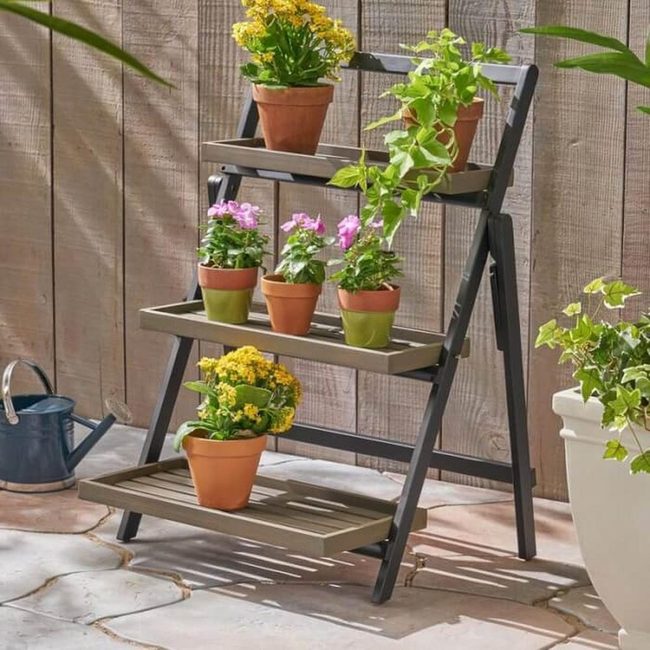
Vertical gardens let you pack tons of plants into a small footprint, and stacking them in tiers gives you endless ways to play with different colors and textures that really stand out.
You can mix and match pots of all shapes and sizes, swapping things around whenever you want to refresh the look or adjust to different seasons.
This kind of setup is perfect if you're working with limited ground space but still want lush greenery all around you.
Plants at various heights add life and movement to a wall or corner that might otherwise feel empty.
It's straightforward to maintain since everything is right there at eye level, and you can easily reach what needs watering or pruning.
Growing things vertically also keeps your space organized and lets you experiment with different plant combinations without committing to permanent placements.
A nice touch is how this approach gives you flexibility to change things up based on what's thriving or what mood you're going for.
Cascading Layers Vertical Garden
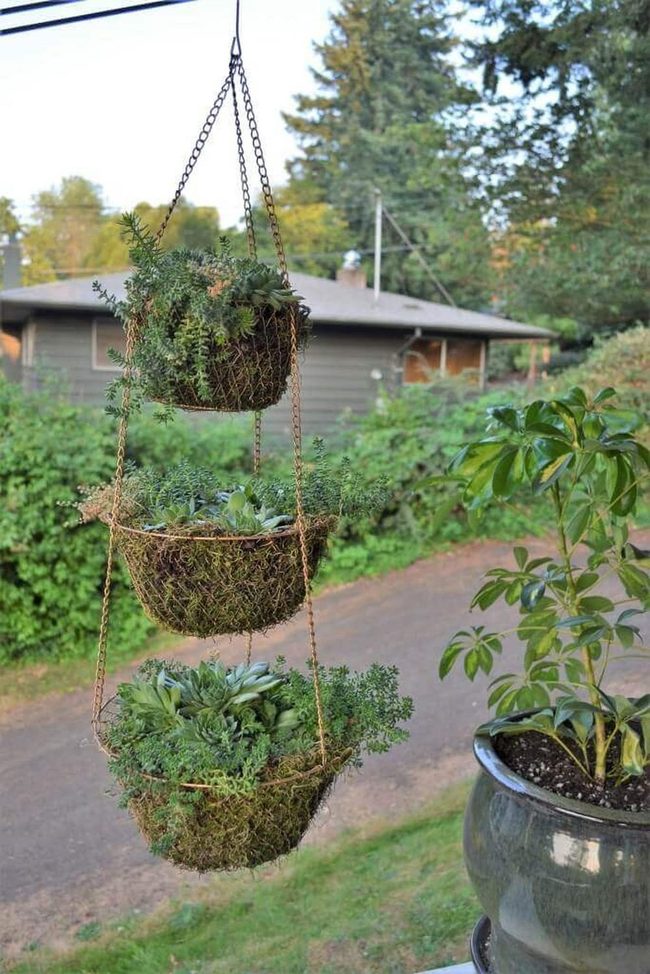
Hanging gardens with their tiered arrangements of cascading plants and layered greenery give your outdoor space an eye-catching display that naturally pulls your gaze upward.
You can mix herbs, succulents, and trailing vines across different levels, which means each tier becomes its own small garden of varied textures and colors.
This setup saves precious ground space while giving you lots of room to experiment with different plant combinations.
The stacked design lets your plants spill down in waves, and you are able to see how light plays through the foliage at different heights.
A nice touch is how this approach works whether you have a tiny balcony or a sprawling yard.
What makes it work is that you're not limited to one style or plant type, so you can adjust things as seasons change.
Many people find that hanging gardens add dimension and interest to areas that might otherwise feel flat or boring.
Walls Of Living Green
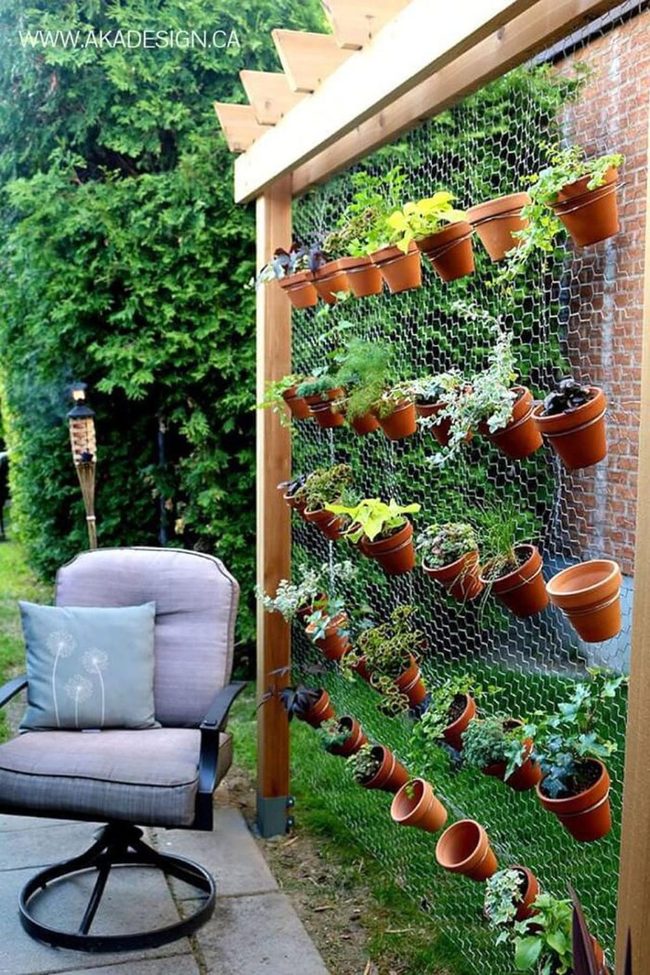
Vertical gardens turn empty walls into living displays of greens and blooms that immediately catch attention and transform any outdoor space.
You can grow herbs and flowers in stacked pots, which means you get plenty of plants without needing much ground space.
This setup works well in corners, along fences, or on bare walls where nothing else seemed to fit before.
A comfortable chair placed nearby gives you a perfect spot to sit and relax surrounded by your plants.
People naturally want to stop and look at these arrangements, and they often ask questions about what you're growing.
Many home gardeners find that tending to their vertical garden becomes a peaceful daily habit.
You don't need a large yard or fancy equipment to build one, and the results look far more impressive than the simple materials required.
Vertical Green Wall Planters
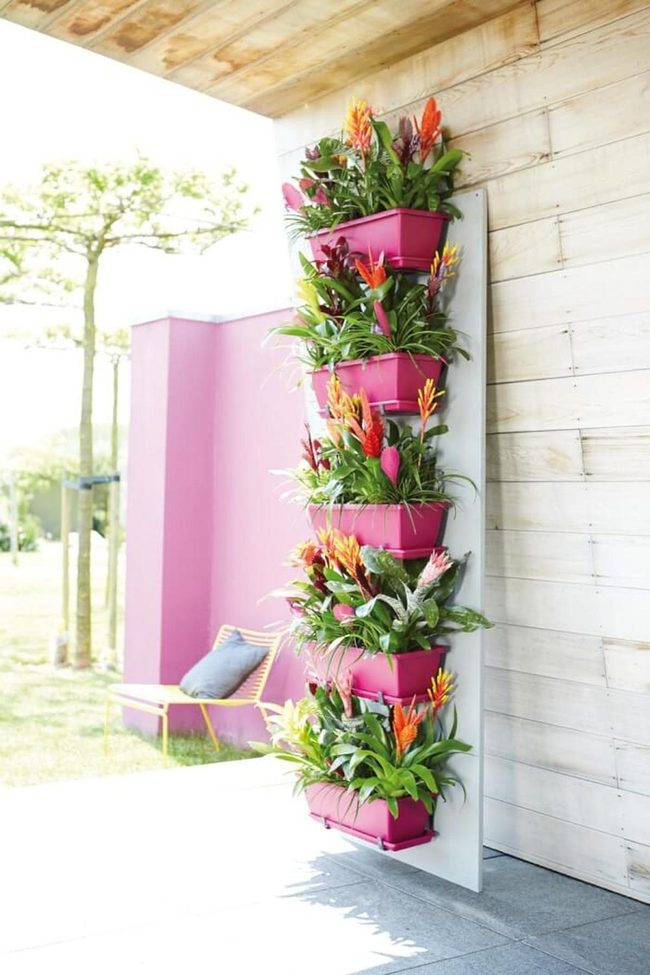
Walls transformed into living gardens offer something truly special, and you can achieve this with wall-mounted planters that turn bare surfaces into lush green displays.
Bright containers in bold hues catch attention immediately and energize any room or outdoor area.
Plants arranged strategically across your vertical space become more than just decoration and actually help purify the air around you.
Growing things this way works well when space is tight, and we love how it brings nature closer to where you spend your time.
Gardens like these support local insects and birds too, bringing small ecosystems right up to your home.
You don't need much room to make an impact with this approach, and the result feels fresh and alive every single day.
Stacked Green Walls
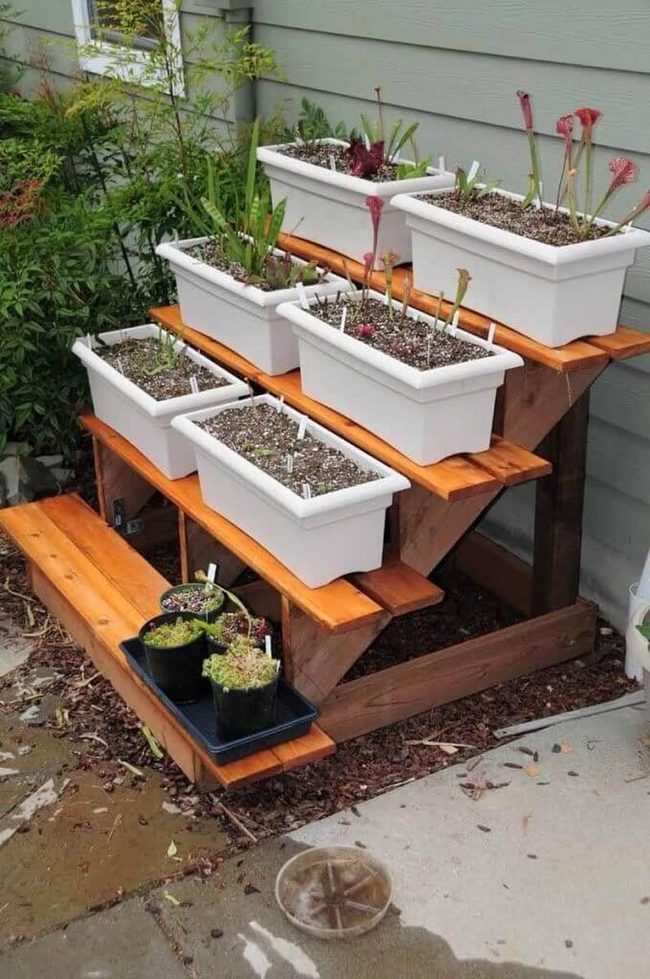
Vertical gardens climb up walls and trellises, turning blank spaces into lush plant displays that catch the eye instantly.
You can grow plenty of plants in a small footprint, which works well for apartments or patios where ground space is tight.
Multiple levels mean each plant gets the sunlight it needs to thrive and look vibrant.
The stacked design keeps everything organized and neat, and arranging different pots at various heights lets you mix plant types and sizes in interesting ways.
Growing plants this way opens up new possibilities for how you want your garden to look.
Whether you choose trailing vines, colorful flowers, or leafy herbs, you have flexibility in what you plant and where you place it.
It's a straightforward way to add more greenery to your home without needing much room.
Living Wall Herb Garden
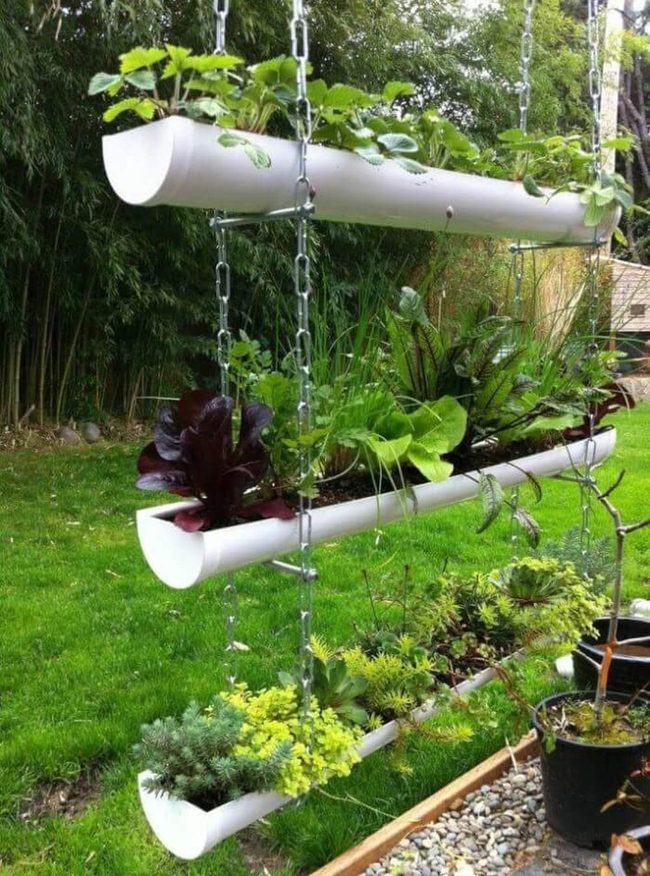
Stacking plants vertically creates an eye-catching green wall that transforms any space into a living display, and you can grow a full garden even if you have limited square footage.
PVC pipes serve double duty as sleek planters that channel water directly to the roots, keeping your plants healthy and happy.
Herbs, leafy greens, and succulents flourish in this arrangement, so you get fresh ingredients steps away from your kitchen whenever you need them.
Beyond the practical side of harvesting what you grow, this type of gardening looks fantastic whether you set it up indoors or outside.
The combination of visual appeal and real usefulness makes vertical gardening something that brings genuine satisfaction to any home.
Stacked Terracotta Garden Layers
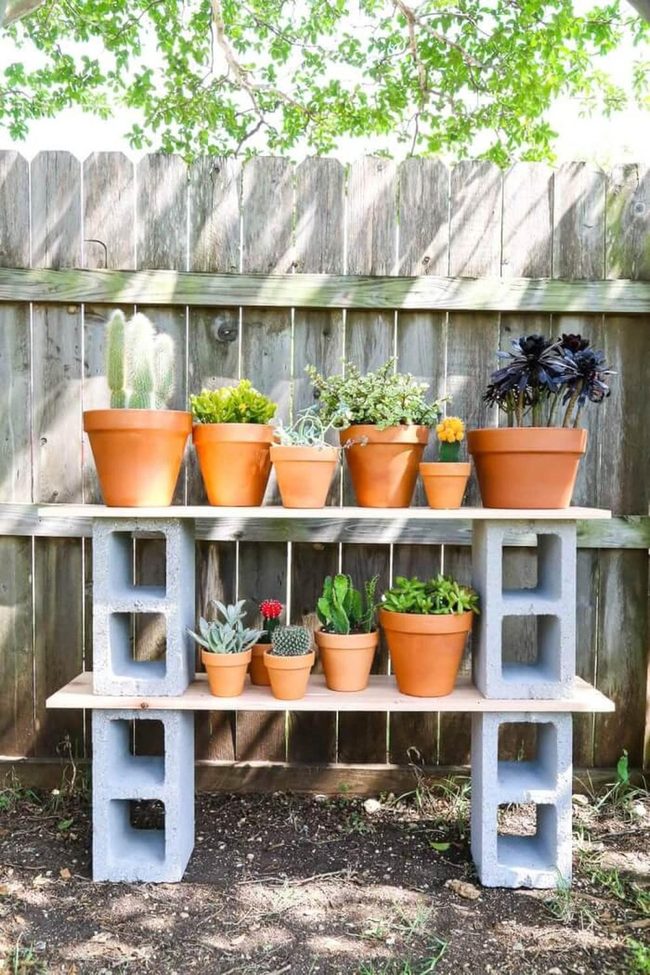
Terracotta pots in different sizes bring natural warmth to your garden and immediately catch attention with their earthy glow.
Plants with unique shapes and textures fill the space with movement and visual interest that makes you want to look closer.
Sturdy concrete blocks sit underneath and create a bold contrast against the softer clay tones while holding everything securely in place.
Stacking your plants vertically means you can fit more greenery into a smaller area, and it also lets you appreciate how each plant grows and looks on its own.
You can arrange them so taller plants sit in back and smaller ones come forward, which helps everyone see the full collection without anything getting hidden.
This setup uses simple, affordable materials to build something that feels both sturdy and natural in any outdoor space.
Floor-To-Ceiling Green Walls
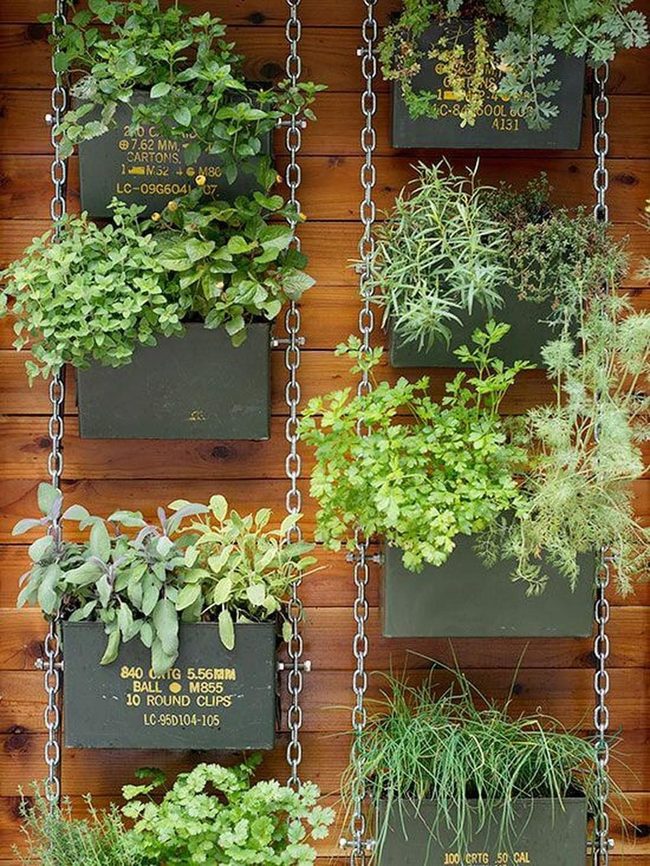
Vertical gardens let you transform empty walls into cascading displays of green plants and herbs that cover your space from floor to ceiling.
You can stack multiple tiers of wall-mounted planters and grow everything from cooking herbs to flowering plants without taking up floor room.
Reaching up to maintain these gardens stays easy since each level sits at a comfortable height for watering and picking fresh ingredients for your kitchen.
Beyond the obvious beauty, you're also stepping into a more sustainable lifestyle when you grow your own food at home instead of buying it packaged from stores.
This setup works especially well in apartments or small yards where ground space is limited, and we love how it turns dead wall space into something productive and green.
People often find that once they start a vertical garden, they become more interested in where their food comes from and how to live with less waste overall.
Living Walls Full Of Fresh Herbs
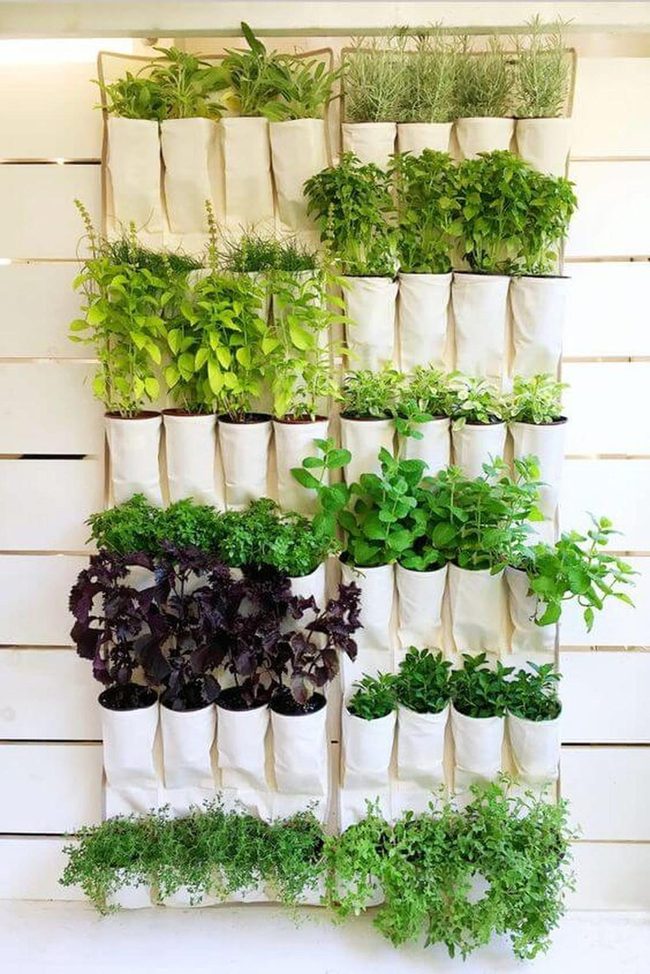
Vertical gardens transform ordinary walls into living plant displays that catch attention and refresh any room with cascading greenery and lush foliage.
You can grow herbs, vegetables, and flowers in pockets stacked high, which means fresh ingredients sit right where you cook and eat.
Beyond just looking good, these gardens connect you with nature on a daily basis without taking up much floor space.
Maintaining them takes minimal effort and becomes a rewarding routine that keeps you engaged with growing things.
The herbs and greens you harvest go straight into your meals, so the garden serves both beauty and function.
A nice touch is how these setups work in small apartments, balconies, or even indoors next to a bright window.
Whether you're looking to add greenery to your space or grow your own food, vertical gardens deliver real results in both departments.
Sophia Williams
Content Specialist & Design Enthusiast
Expertise
Content Creation for Interior Design, Modern & Contemporary Decor, Sustainable Design Practices, Space Planning, Color Consultation, Home Styling Tips, DIY Home Projects, Trend Analysis, Audience Engagement
Education
Florence Design Academy (Florence, Italy)
KLC School of Design (London, UK)
Sophia Williams, Lead Editor at columbia-artists.com, specializes in making design simple and accessible. She studied at Florence Design Academy and earned a Certificate in Interior Decoration from KLC School of Design in London.
With 5 years of experience, Sophia has worked with design publications and industry experts, helping readers bring their ideas to life. She focuses on practical tips, styling tricks, and DIY projects to make decorating fun for everyone.
In her free time, she enjoys flea markets, upcycling furniture, and exploring sustainable design.