
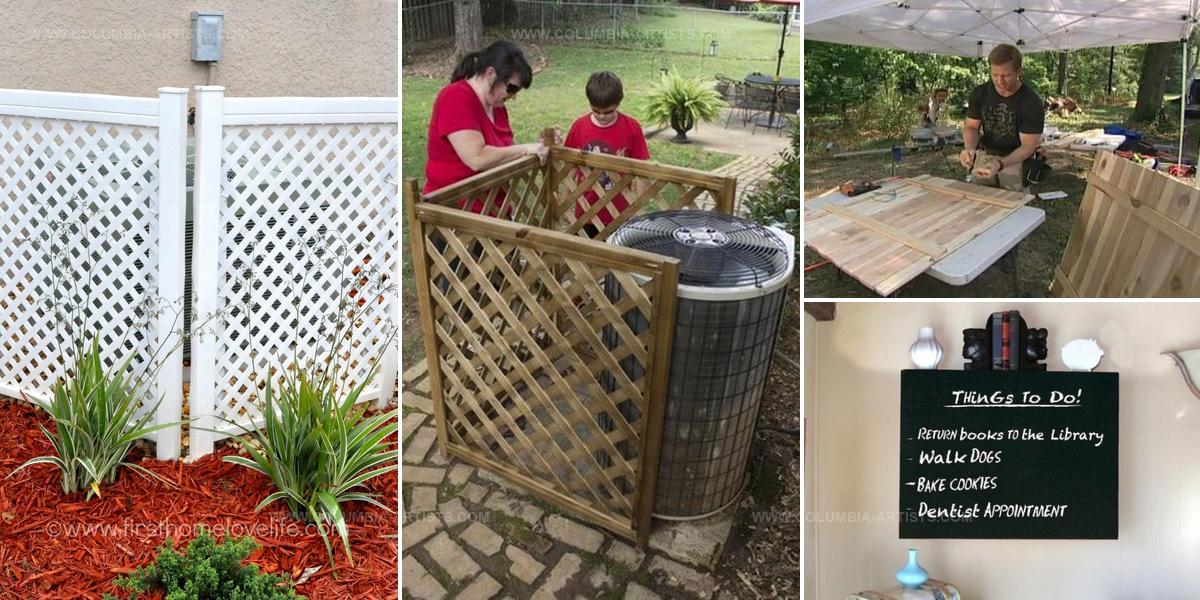
11 Easy DIY AC Unit Covers That Hide Bulky Cooling
Cooling systems often need protection from harsh weather and debris when not in use, and homemade solutions can shield them effectively while adding aesthetic appeal to outdoor spaces.
Exposed air conditioning units face constant bombardment from leaves, snow, ice, and wind that gradually degrade their components and reduce efficiency.
Covering these essential appliances during off-seasons prevents costly repairs and extends their operational lifespan significantly.
Many homeowners hesitate because they assume protective casings require advanced carpentry skills or expensive materials.
Simple projects using basic supplies can provide adequate shelter without demanding professional expertise or draining budgets.
Functional designs range from straightforward wooden frames to decorative lattice enclosures that complement existing landscaping.
Building one yourself saves money while giving complete control over dimensions, materials, and visual style that perfectly matches what surrounds them.
Wooden Ac Unit Screen Blends Seamlessly
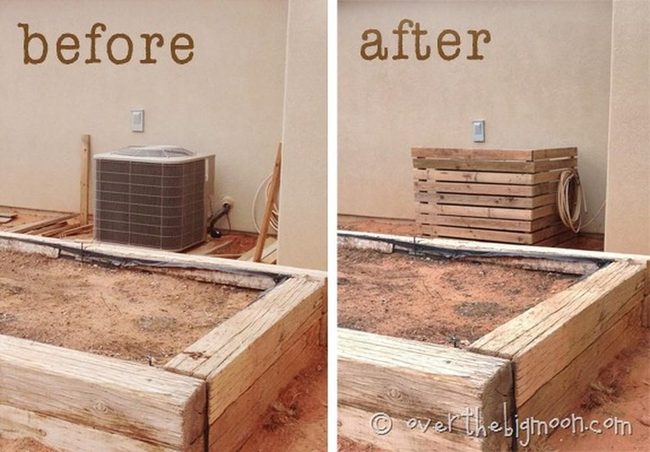
Wooden frames and earthy tones define this charming outdoor space, and craftspeople took a smart approach by building a wooden slat box around the large air conditioning unit that sits against the wall.
Rather than leaving that utilitarian equipment as an eyesore, this cover matches the surrounding wood tones and blends the AC unit right into your outdoor design.
Natural soil colors work alongside the wooden elements throughout the area, and soft wooden textures add warmth and interest to every corner.
I can see why this helps you enjoy a cohesive look where nothing sticks out or feels out of place.
Simple modifications like this one transform an ordinary outdoor scene into something that feels well thought out and finished.
The way craftspeople handled this challenge shows how paying attention to these kinds of problems can really improve your space.
When you treat practical equipment as part of your overall design instead of just hiding it away, your outdoor area becomes more polished and put-together.
White Chalk On Black Board
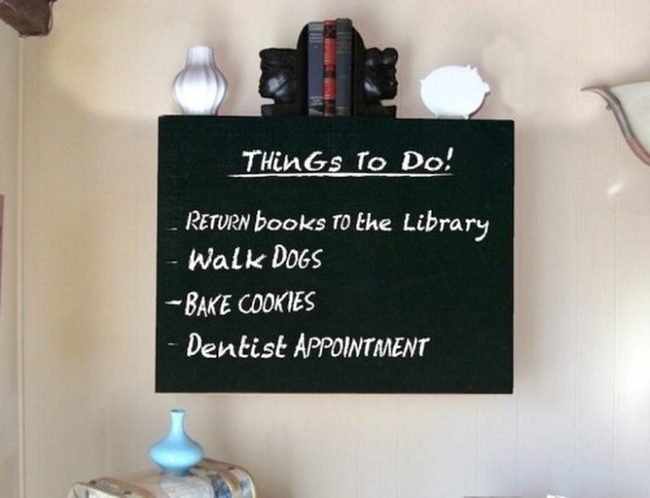
Blackboard to-do lists paired with white chalk scribbles create a striking focal point in your home office or kitchen, displaying daily tasks like returning library books, walking dogs, and scheduling dentist visits with disarming simplicity.
Small decorative bookends frame the board and add personality to the wall while keeping things organized.
Wooden walls surrounding the space bring warmth and a nostalgic feeling that feels both personal and grounded.
Natural light streaming across the area softens the edges and draws attention to what you've written on the board.
Sitting below the board, a blue vase offers a quiet color accent that rounds out the overall look.
Handwritten notes give you an honest window into your daily life and what matters most to you.
When you combine these simple elements together, your organizational corner becomes both useful and easy on the eyes.
A nice touch is how practical spaces like this balance function with style without trying too hard.
Dark Mulch Brightens Green Plants
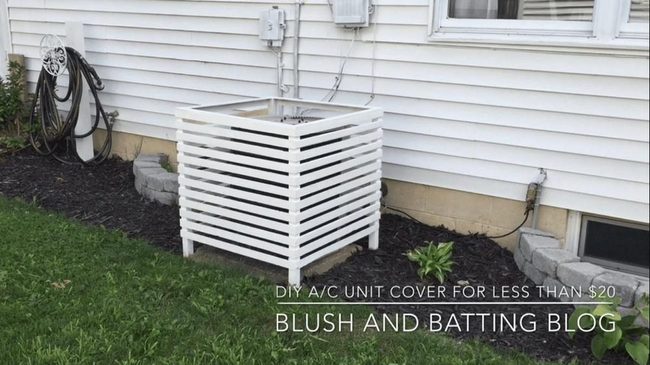
Outdoor spaces shine brightest when you combine smart design with good looks, and the most striking element is how dark mulch makes green plants stand out beautifully against it.
Light-colored house siding acts as a clean backdrop that lets your landscaping take center stage, while white wooden covers cleverly hide unsightly air conditioning units with unexpected grace.
Concrete blocks define the edges of your garden beds and keep everything organized with simple structure.
Even practical touches like a black coiled hose sitting nearby serve the space well and blend in naturally.
When you arrange these elements with care, your yard transforms from ordinary into a place where people actually want to spend time.
Nothing feels random or overlooked because each piece has both a purpose and a place.
Wooden Board Over Metal Ac Unit

When you walk into an air conditioning maintenance space, your eyes immediately land on the wooden board being positioned across the sturdy metal unit with its protective black mesh, and this setup forms the visual centerpiece of the work area.
Light-colored rocks blanket the ground below, establishing a clean and organized environment that keeps everything tidy and functional.
Behind this workspace, a warm brown wall rises up and serves as a natural backdrop that complements the technical operations happening in front of it.
Professional workers move through the space wearing protective gear and handling equipment with precision, demonstrating the safety standards required for this kind of maintenance.
Metal components throughout the structure show impressive durability and hold up well to outdoor exposure and regular use.
Small rocks covering the surfaces do more than look neat; they also manage water drainage effectively and stop debris from building up where it shouldn't be.
Overall, these spaces balance practical function with organized design, ensuring both worker safety and equipment protection come together seamlessly.
White Lattice Red Mulch Garden
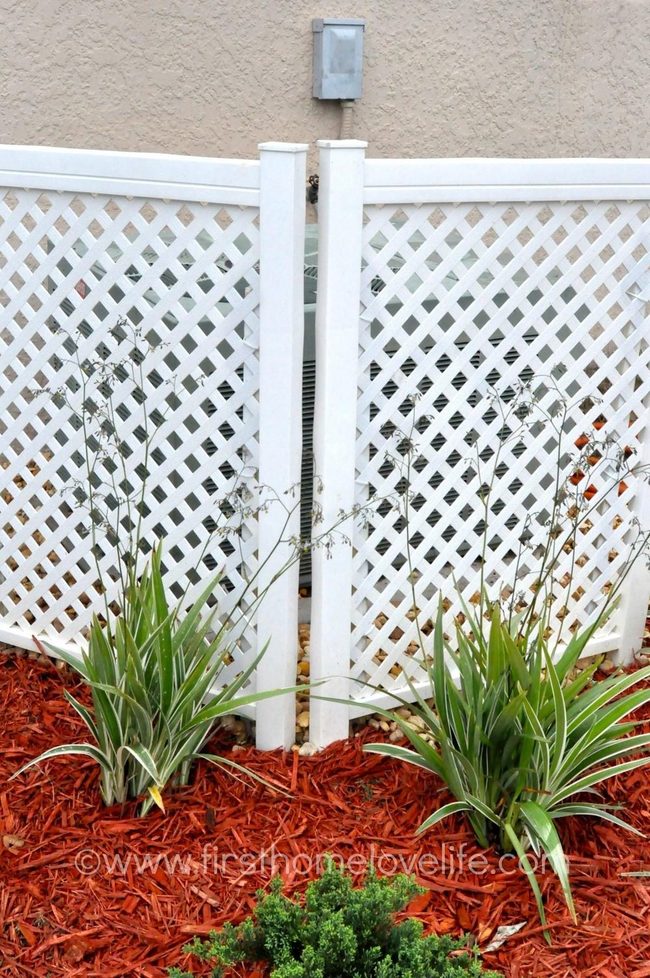
Lattice garden panels transform small outdoor spaces into charming green retreats with white fencing that provides a clean, crisp backdrop and lets your green plants stand out with vibrant energy.
Long-striped leaves frame the fence posts and build natural vertical interest and depth throughout the space.
Red mulch spreads across the ground and delivers a warm, rich contrast against all that greenery, while beige wall surfaces balance everything with neutral tones that complement your garden's color scheme.
Decorative rocks nestle near the fence base and add textural elements to the landscape without overwhelming the design.
Strategic plant placement helps you maximize what the compact area can offer.
You'll find that small garden designs like this give you peaceful outdoor moments with minimal effort, making it easy to enjoy nature even in limited space.
Sunlit Wood Grain Craftsmanship
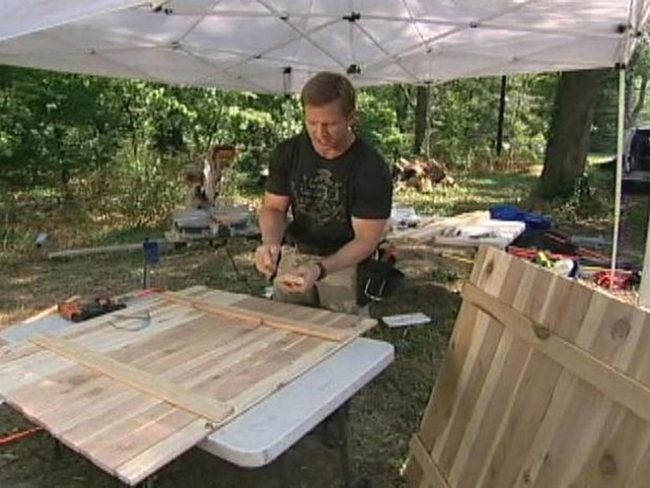
Woodworking projects shine brightest when sunlight filters through white canopies and highlights the rich grain patterns dancing across freshly planed wood surfaces.
Skilled artisans work in outdoor workshops surrounded by green landscapes and fresh air, where they transform raw wooden planks into functional masterpieces through precision and passion.
Tools like drills and clamps become extensions of the builder's hands, and they enable intricate design work and careful assembly of each component.
You can see the natural beauty of the wood itself; those unique grain patterns that tell stories of where the material came from and how it grew.
Focused concentration drives the whole process as makers turn simple materials into remarkable finished products that last for years.
It takes dedication and skill to shape wood this way, and the results speak for themselves.
Brown Wood Deck With Purple Flowers
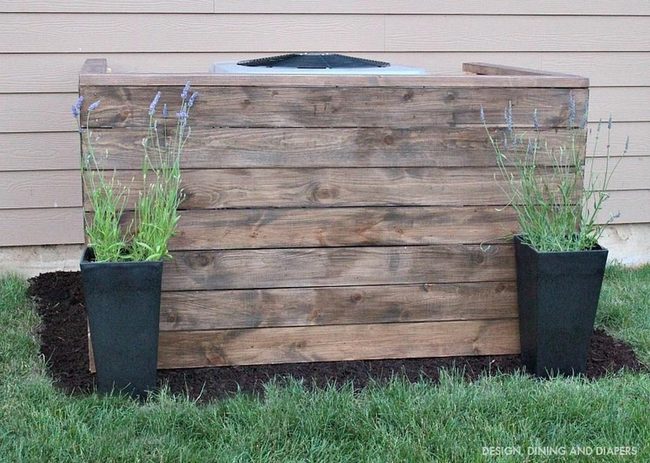
Rustic wooden coverings dominate this charming outdoor space with their natural planks and warm brown tones that harmonize beautifully with the beige siding, and tall black planters positioned around the perimeter introduce splashes of green foliage and delicate purple flowers that energize the setting.
Neatly trimmed grass frames the base of the structure and keeps the overall look clean and organized.
Smooth wood surfaces bridge the gap between indoor comfort and outdoor relaxation in a seamless way.
Plants scattered throughout add pops of color that contrast nicely with the calm environment.
Wood textures and green accents work well together to establish a space that feels both functional and natural.
Simple materials come together here to transform an ordinary area into something that feels like a relaxing retreat for you to enjoy whenever you step outside.
White Cubes And Green Tables
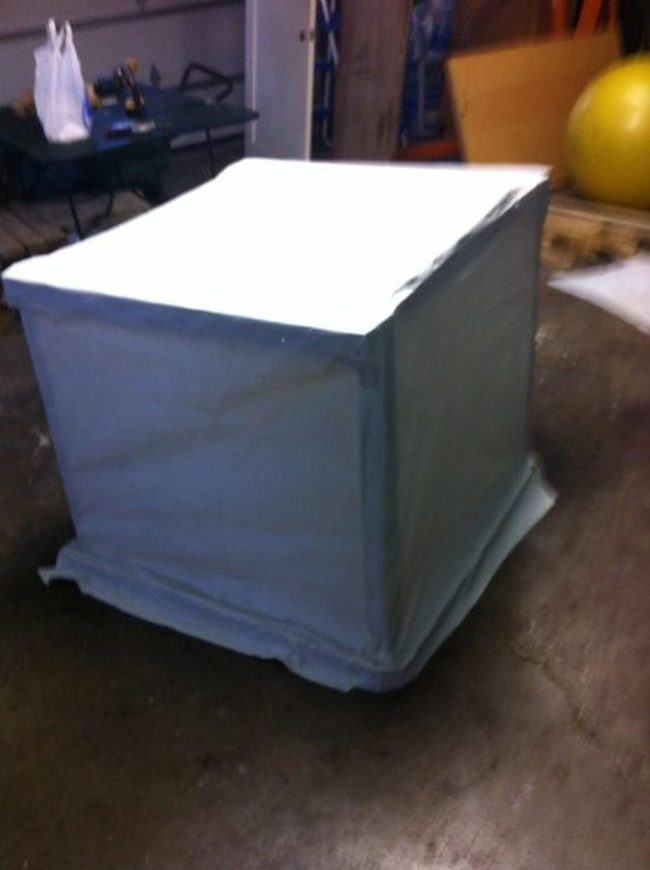
White cubes dominate professional studios with their clean lines and striking presence, anchoring the space with pure geometric form and making everything else around them feel organized and purposeful.
Gray floors stretch beneath your workspace, offering a neutral canvas that lets the other elements shine without competing for attention.
Green tables add a pop of color that energizes the room while keeping things functional for all your making and creating work.
Yellow and orange accents scattered throughout warm up the environment and keep the energy flowing naturally, preventing the space from feeling too sterile or cold.
Small white bags tucked into corners hint at projects in progress and remind you that work happens here regularly.
Natural light filters in to soften the whole setup, making the space feel less institutional and more like somewhere you'd actually want to spend time.
Everything sits in deliberate spots around the room, suggesting someone thought carefully about where tools and supplies should go for both efficiency and visual balance.
Lattice Screens Hide Ac Units
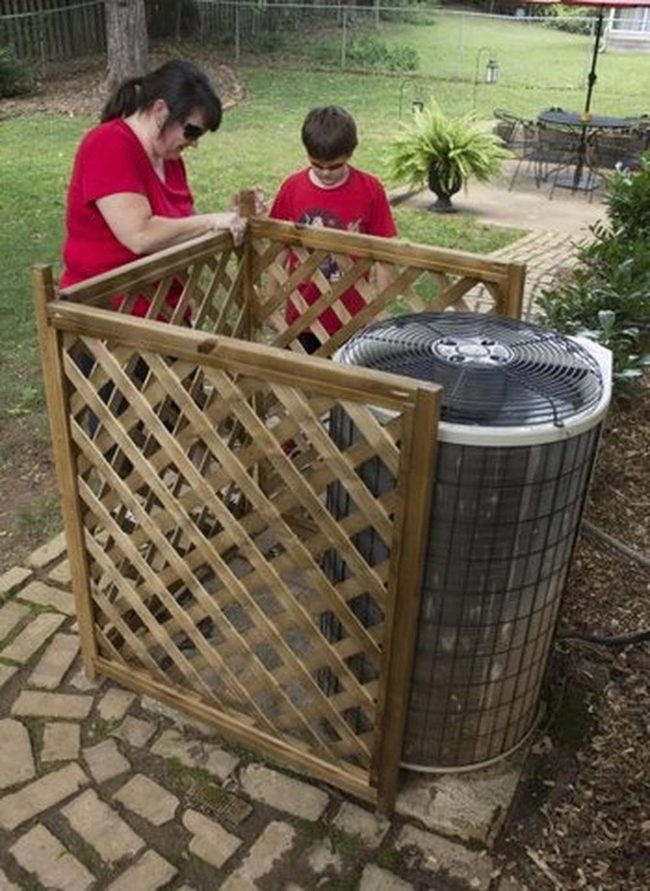
Wooden lattice fences turn those unsightly air conditioning units sitting in your yard into actual design features that look good, and people naturally stop to admire them; you can see how visitors get drawn in and want to talk about the space.
Stone pavers laid out around the fenced area make clear paths that guide you through the yard in a natural way.
Green grass and leafy plants grow around the wooden structure and soften all those hard lines, balancing out the practical purpose of hiding equipment.
Patio furniture positioned in the background shows that this spot does more than just screen something away; it's a real place where you can relax and spend time.
When you think about your backyard layout, placing a lattice barrier like this makes everything feel more planned and purposeful.
Both the way it looks and how it works blend together nicely, so you're not choosing between beauty and function.
Light Wood Grain Fence Panels
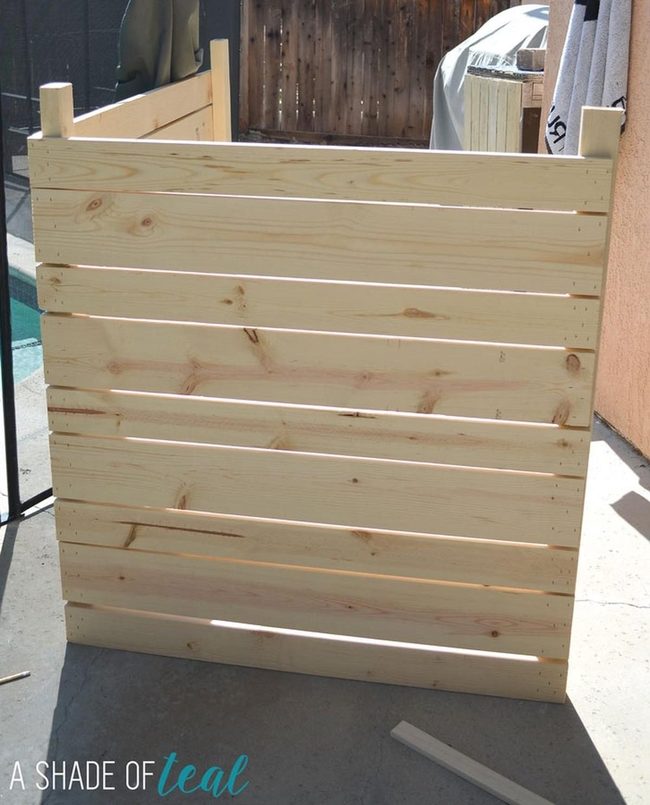
Wooden fence panels feature a rustic simplicity that catches the eye with clean, natural lines, and when sunlight dances across the wood's surface, you'll find unique grain patterns and charming knots that bring real character to your outdoor space.
Light-colored wood planks line up neatly to form a boundary that feels both authentic and welcoming, while sturdy posts anchor the whole structure and provide the support your fence needs to last.
Small gaps between the boards let you peek through to what lies beyond, which keeps the fence from feeling too heavy or closed off.
Handcrafted details in each plank add warmth and individuality that you simply can't get from mass-produced options.
Natural wood tones blend right into garden landscapes and backyard settings without any fuss or complicated design choices.
If you want to enhance your outdoor space with something understated and honest, this fence design delivers exactly that kind of charm.
White Slat Box Neutral Garden
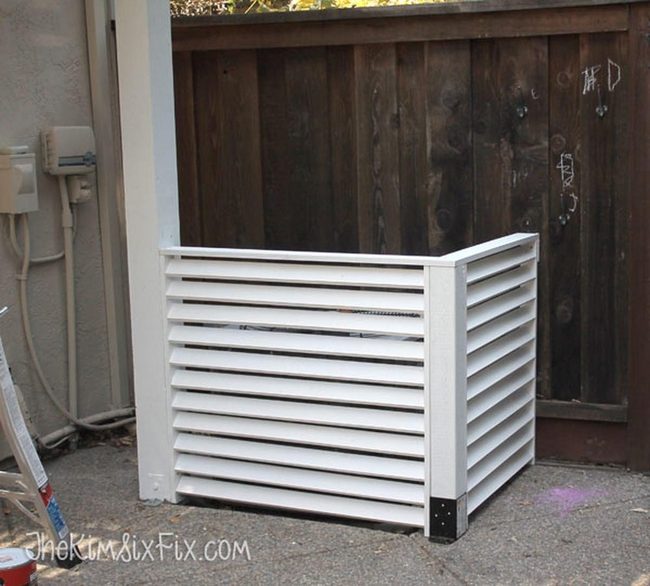
Wooden box with clean horizontal white slats stands out against the dark wooden fence, showcasing a minimalist design that turns an ordinary outdoor area into a stylish and functional space.
Concrete ground provides solid support beneath this rectangular structure, while a beige wall beside it picks up the neutral tones and strengthens the overall look.
Paint cans and chalk marks scattered nearby hint at the creative work happening in this spot, and utility boxes blend naturally into the surroundings without demanding attention.
Simple lines and thoughtful placement keep everything organized and purposeful, and the compact design makes excellent use of the space with understated elegance.
You get a sense of an active, working environment that balances form and function without unnecessary fuss.
Sophia Williams
Content Specialist & Design Enthusiast
Expertise
Content Creation for Interior Design, Modern & Contemporary Decor, Sustainable Design Practices, Space Planning, Color Consultation, Home Styling Tips, DIY Home Projects, Trend Analysis, Audience Engagement
Education
Florence Design Academy (Florence, Italy)
KLC School of Design (London, UK)
Sophia Williams, Lead Editor at columbia-artists.com, specializes in making design simple and accessible. She studied at Florence Design Academy and earned a Certificate in Interior Decoration from KLC School of Design in London.
With 5 years of experience, Sophia has worked with design publications and industry experts, helping readers bring their ideas to life. She focuses on practical tips, styling tricks, and DIY projects to make decorating fun for everyone.
In her free time, she enjoys flea markets, upcycling furniture, and exploring sustainable design.