
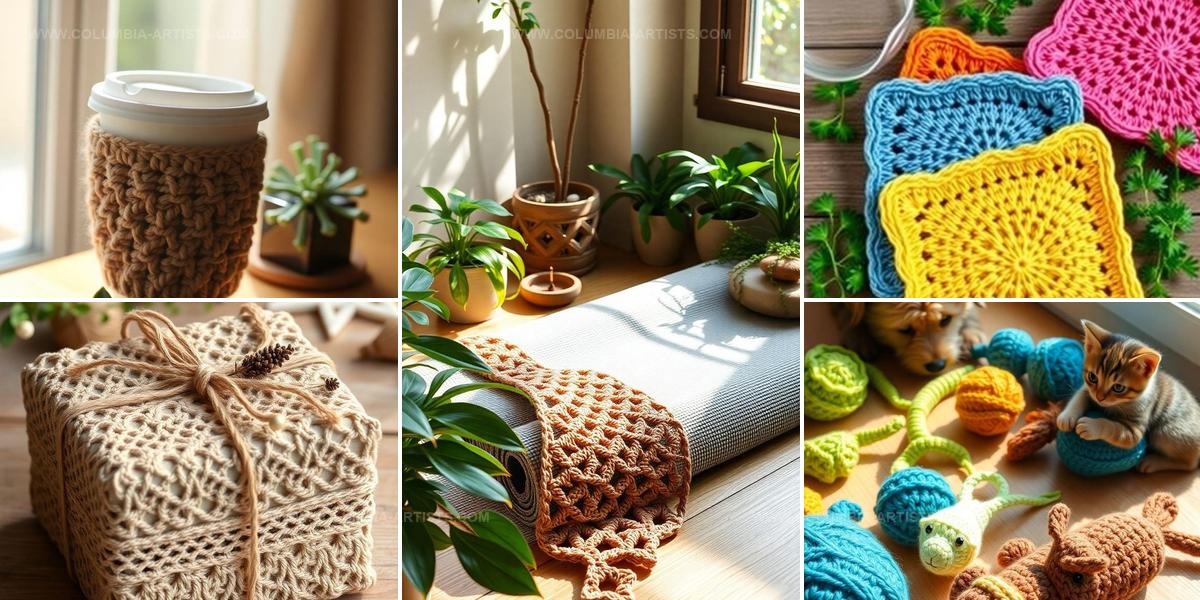
14 Sustainable Crochet Projects That Help Our Planet
Eco-friendly crochet ideas offer a wonderful way to combine handmade artistry with environmental consciousness.
Many crafters now seek sustainable alternatives that reduce waste and honor natural resources.
Making thoughtful choices about materials and techniques can significantly lessen the ecological impact of fiber arts.
When you select organic yarns or repurpose existing textiles, the planet benefits from reduced pollution and conservation of resources.
Simple shifts in how we approach hook-and-yarn projects can lead to meaningful environmental improvements.
Sustainable crafting doesn't require sacrifice of beauty or creativity in finished pieces.
Begin exploring greener approaches today and watch how satisfying mindful making becomes for both you and the earth.
Jute Macramé Plant Suspenders
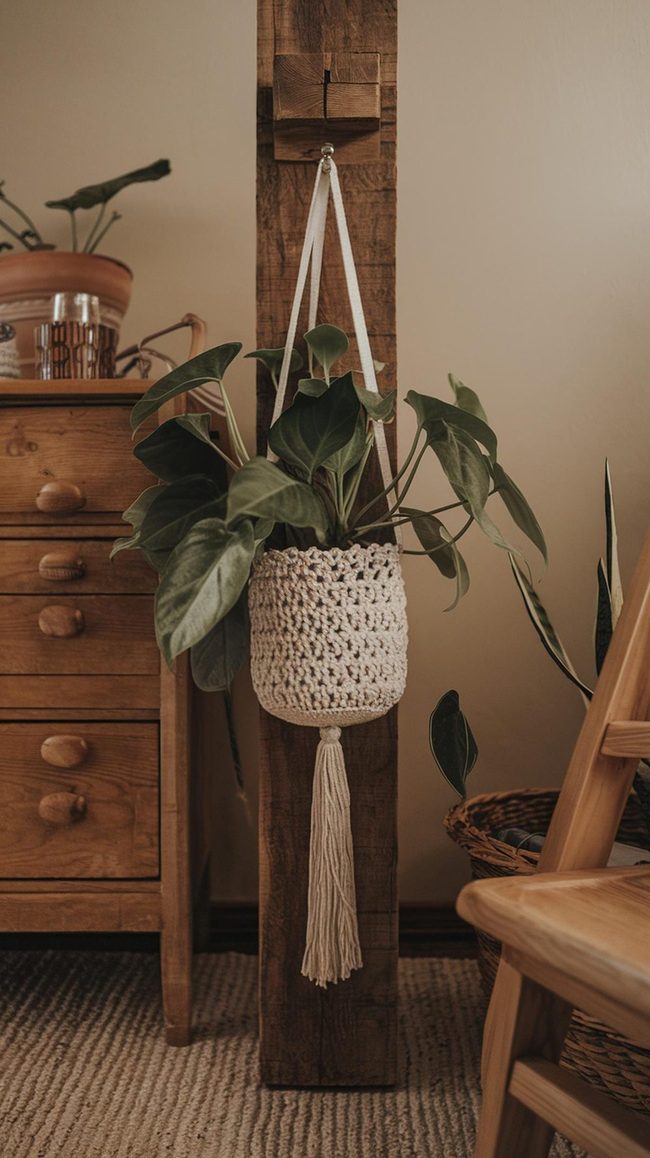
Plant pot holders are a fantastic way to display your greenery while keeping your space organized and reflecting your commitment to sustainability, so consider choosing ones made from organic cotton or jute since these materials break down naturally and bring an earthy feel to your rooms.
Macramé hangers that suspend pots from your ceiling or walls free up valuable surface space and look stunning as they dangle at different heights.
You can select vibrant colors that match your room's palette or stick with neutral tones if you prefer a cleaner, more minimal style.
Crochet pot holders made from leftover yarn scraps work beautifully for a rustic look and let you express your creativity while reducing waste.
Adding a small waterproof liner inside each holder keeps moisture from damaging your furniture and walls.
Soft Cotton Crochet Cloths
Cotton yarn works beautifully for making dish cloths that clean without scratching your cookware, and the material is naturally durable and absorbs water like a dream.
When you crochet with a tight pattern, you get extra cleaning power while staying gentle on all your dishes and surfaces.
Adding multiple colors to your cloths makes them stand out on your counter and adds a nice touch to your kitchen space.
You can adjust the size of each cloth depending on what task you need it for, whether that's quick dish washing or tackling stubborn counter stains.
Keeping them fresh is simple; just throw them in with your regular laundry and let them air dry when you're done.
This choice helps you skip disposable options and keeps waste out of landfills while you maintain a spotless kitchen.
Making your own cloths from yarn is an easy way to reduce what you throw away and care for your home at the same time.
Cornstarch Bags for Compostable Produce
Biodegradable produce bags stand out as a smart swap for regular plastic ones, and they make a real difference in keeping trash out of landfills since they're made from materials like cornstarch or PLA that break down on their own over time.
When you're shopping for these bags, look for ones that have compostable certification so you know they meet actual environmental standards.
Picking the right size matters because bags come in different dimensions and you'll want ones that match what you normally buy at the store.
Bulk items like grains, nuts, and vegetables from the bulk section work perfectly in these bags and help you skip single-use plastic altogether.
Once you're done using them, put compostable bags in a compost bin if your area has that option available.
If composting isn't accessible where you live, check what your local guidelines say about disposing of them properly.
Making this small switch in your shopping routine takes minimal effort and adds up to meaningful environmental benefits over time.
Handmade Cotton Cup Sleeves
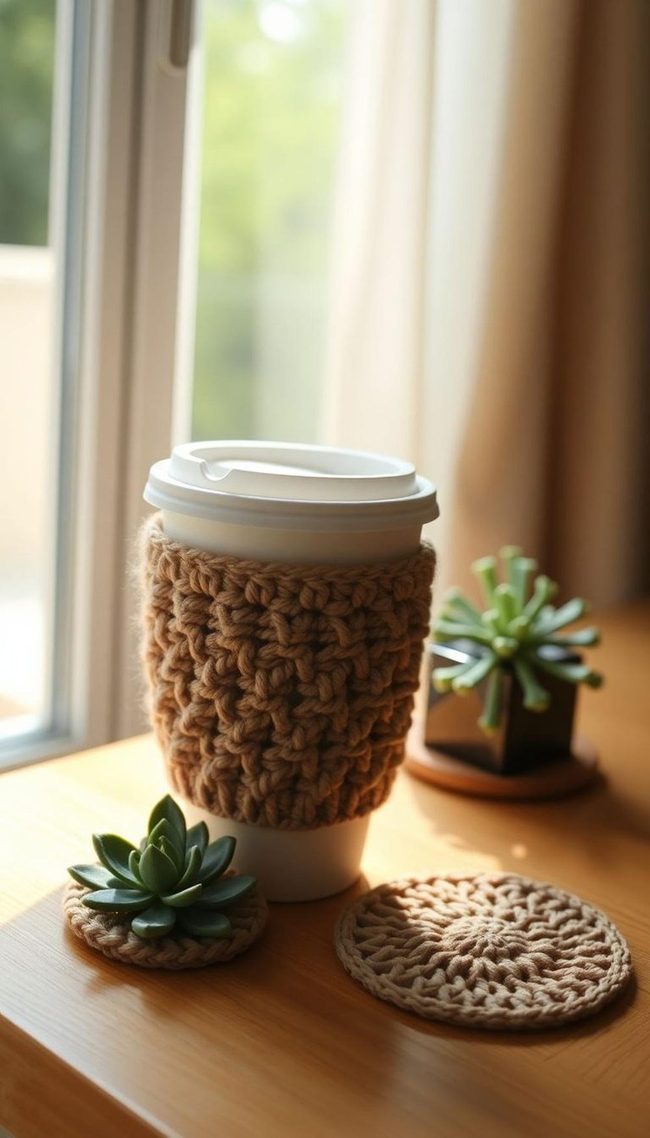
Handmade crochet coffee cup sleeves let you wrap your hands around a warm drink without getting burned, and they come in any color or pattern you choose to match your personal style.
Cotton yarn works best because it's durable and you can toss it in the wash whenever needed.
Making one is straightforward; you simply crochet a rectangle that fits snugly around your cup, and then you can add textures, buttons, or little motifs to make it uniquely yours.
Beyond looking great on your daily coffee run, this small project puts real money back in your pocket since you won't need to buy disposable sleeves anymore.
Every homemade sleeve you use instead of a paper or plastic one means less waste heading to the landfill.
You get both style and sustainability in one simple project.
It's a win-win that makes your morning routine feel a bit more intentional without any extra effort.
Organic Cotton Toys for Pets
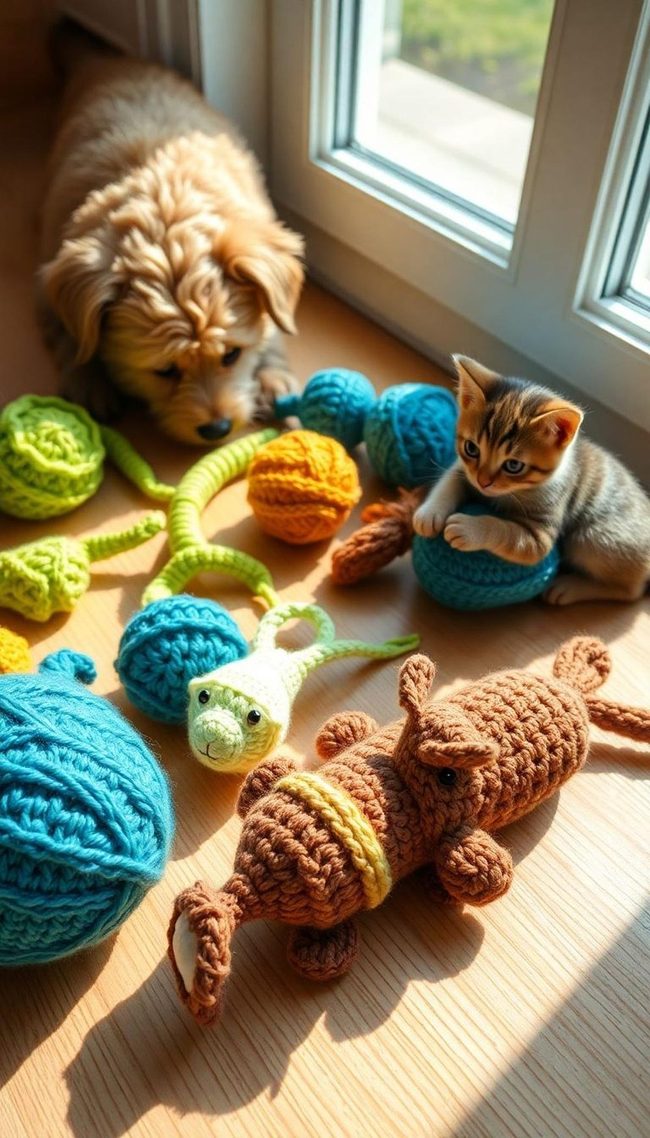
Making pet toys from sustainable materials gives your furry companions safe items to play with while cutting down on waste, and you can start by working with organic cotton yarn to build toys that stay soft without any toxic chemicals.
Crochet balls stuffed with hemp or shredded recycled fabric work wonderfully for simple designs, and plush animals made the same way offer gentle fun for pets who love to cuddle their toys.
You can boost the entertainment value by adding squeakers salvaged from old toys or tying on jute rope for a good tug toy experience.
Natural dyes keep everything safe when your pet inevitably puts these toys in their mouth, since harmful chemicals have no place in anything your animal will chew on regularly.
Building these toys yourself means you know exactly what goes into them, and your pet gets playthings that are both durable and kind to the environment.
The process is straightforward enough for anyone to learn, and you'll find that pets respond just as well to handmade toys as they do to store-bought options.
Cotton Crochet Bath Essentials
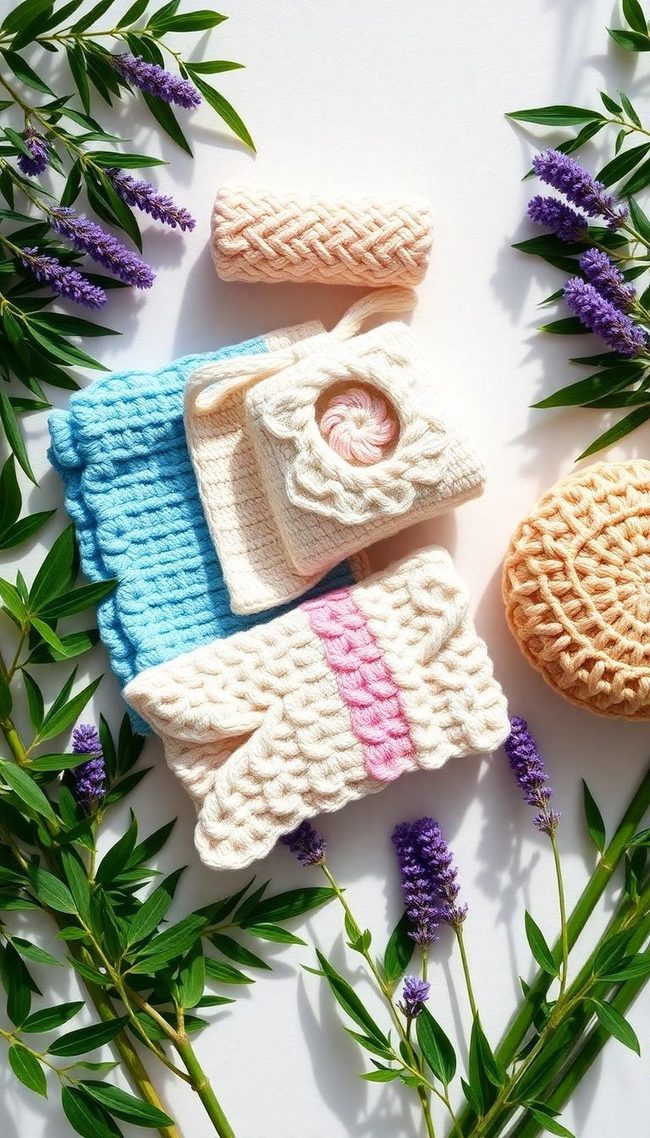
Bath poufs in vibrant colors hanging from your shower rod instantly brighten the space and transform your daily routine into something special, while crochet washcloths made from soft cotton yarn work wonderfully for both skin and sustainability since they're fully biodegradable.
You can easily make these washcloths in square or round shapes with textured stitches that help with exfoliation and feel gentle against your skin.
Scrubbies crafted from scrubby yarn handle tough jobs like removing grime from dishes or buffing your skin without causing damage to delicate surfaces.
Beyond the shower essentials, you might want to stitch together soap savers; small net-like pouches that hold soap scraps and let nothing go to waste while giving your skin a gentle scrub during each wash.
These pouches come together quickly and need just an opening where you slip in your soap remnant.
Making your own bath and body accessories connects you to an eco-friendly practice and reduces what ends up in landfills.
Your self-care routine gains both function and heart when surrounded by handmade items you crafted yourself.
Woven Jute Storage Baskets
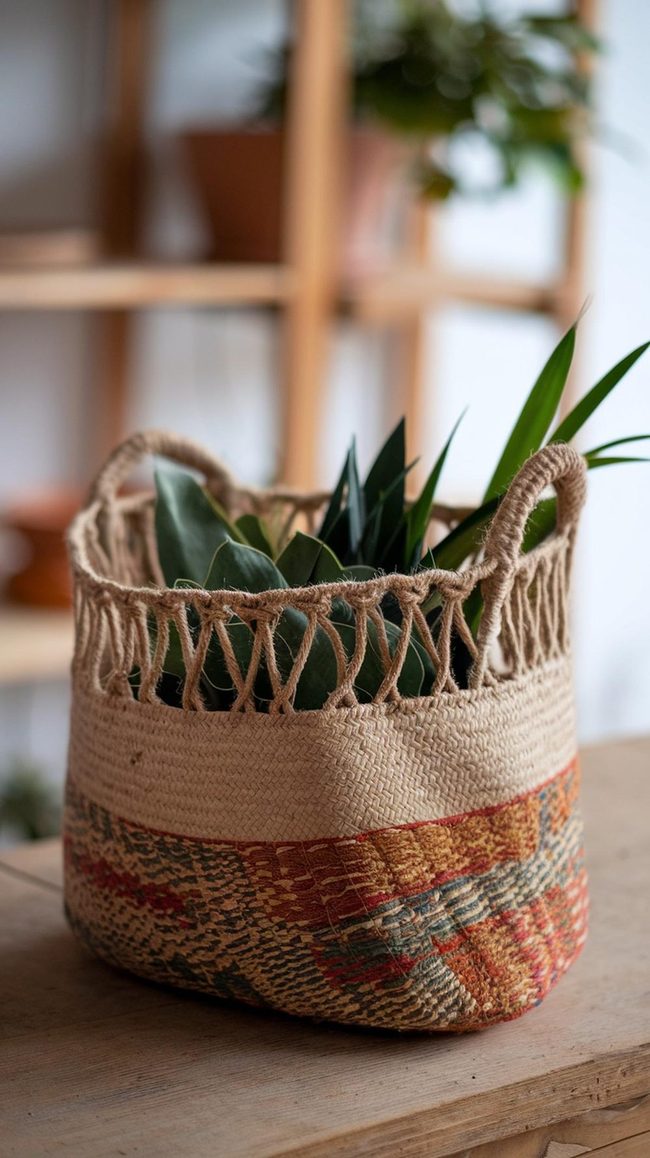
Woven baskets crafted from jute, bamboo, or wicker bring an earthy, rustic warmth to any room while solving your storage challenges.
You can make these pieces yourself and customize them with colors or patterns that match your style and taste.
A small jute basket works perfectly near your entryway to hold keys or mail, and larger bamboo versions can store blankets or toys in your living room.
Since you can weave them in different sizes, you have the flexibility to meet whatever organizational needs you have around your home.
They look great in any space, and they're far better for the environment than plastic alternatives.
Making your own baskets also means you skip the plastic packaging entirely and reduce waste.
This approach gives you affordable, beautiful storage solutions and keeps sustainable style front and center in your home.
Organic Cotton Mat Strap
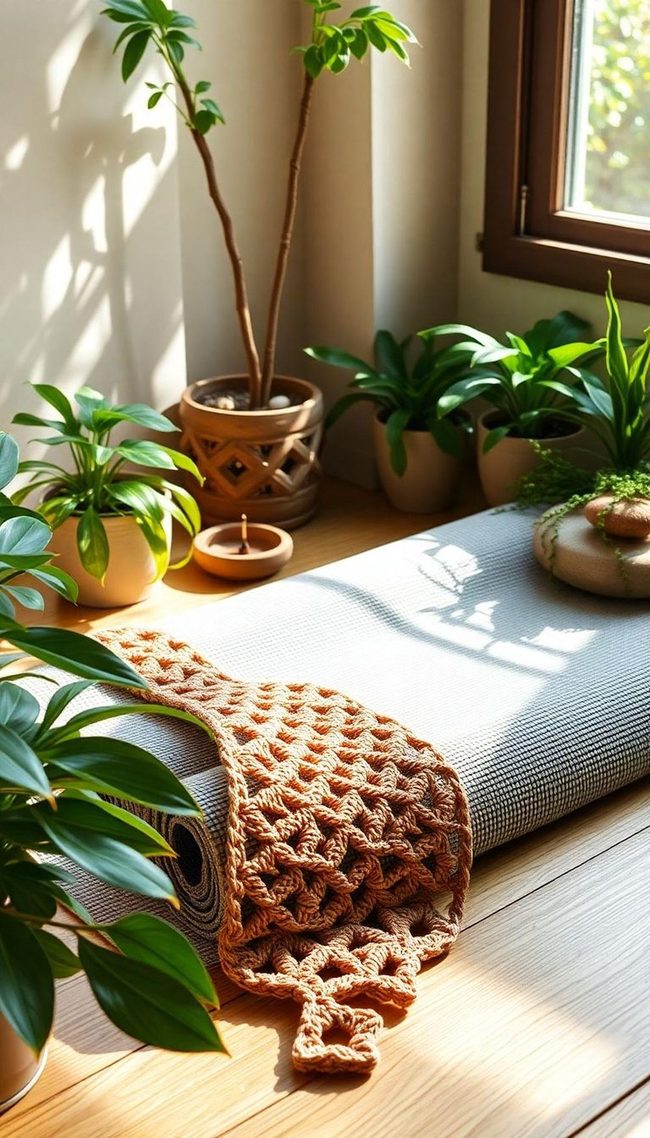
If you're looking to support your yoga practice while showing you care about the planet, making your own mat strap from organic cotton cord or recycled materials is a smart choice and beats mass-produced options by far.
Start by gathering around 2-3 meters of cord and work it into a simple crochet pattern that matches your personal style.
Building in a sturdy knot or loop at each end keeps your mat secure and gives you plenty of ways to adjust the fit to what works best for you.
Beyond the basic strap, you can go further and attach a small pouch made from leftover yarn scraps to hold your keys or phone, which means nothing goes to waste and you've made something completely your own.
Jute Baskets for Soft Toys
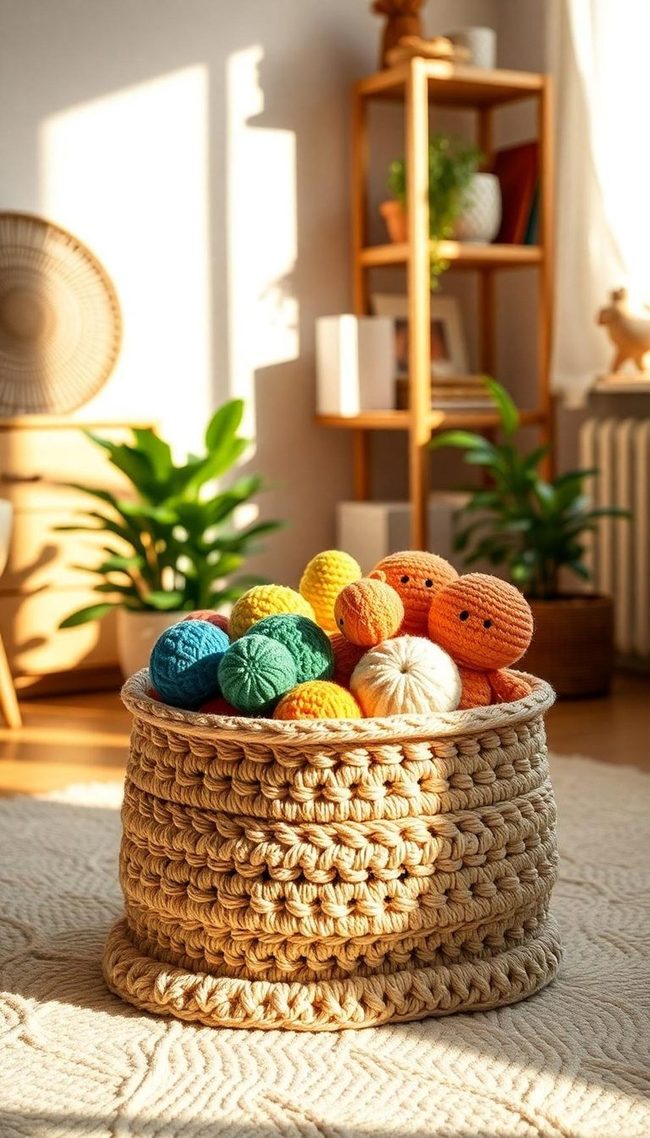
Natural baskets woven from jute or cotton can turn scattered toys into an organized display while adding warmth to your room.
You might also try crocheting a colorful storage bin that fits your home's style, or go the creative route and repurpose an old wooden ladder by stringing rope across the rungs and clipping toys with clothespins.
This approach saves floor space and transforms your stuffed animals into part of the room's décor at the same time.
Letting kids help decide where different toy categories go makes tidying up feel less like a chore and more like something they actually want to do.
These solutions work well because they blend function with style and encourage kids to keep things neat without any fuss.
Bamboo Cork Natural Fiber Coasters
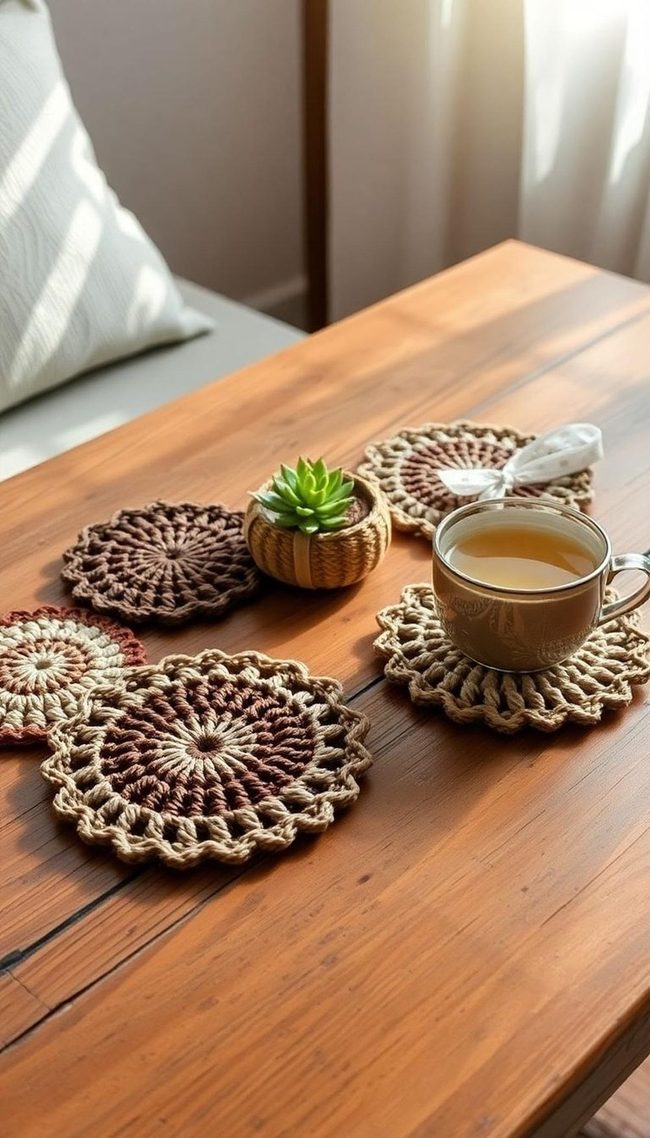
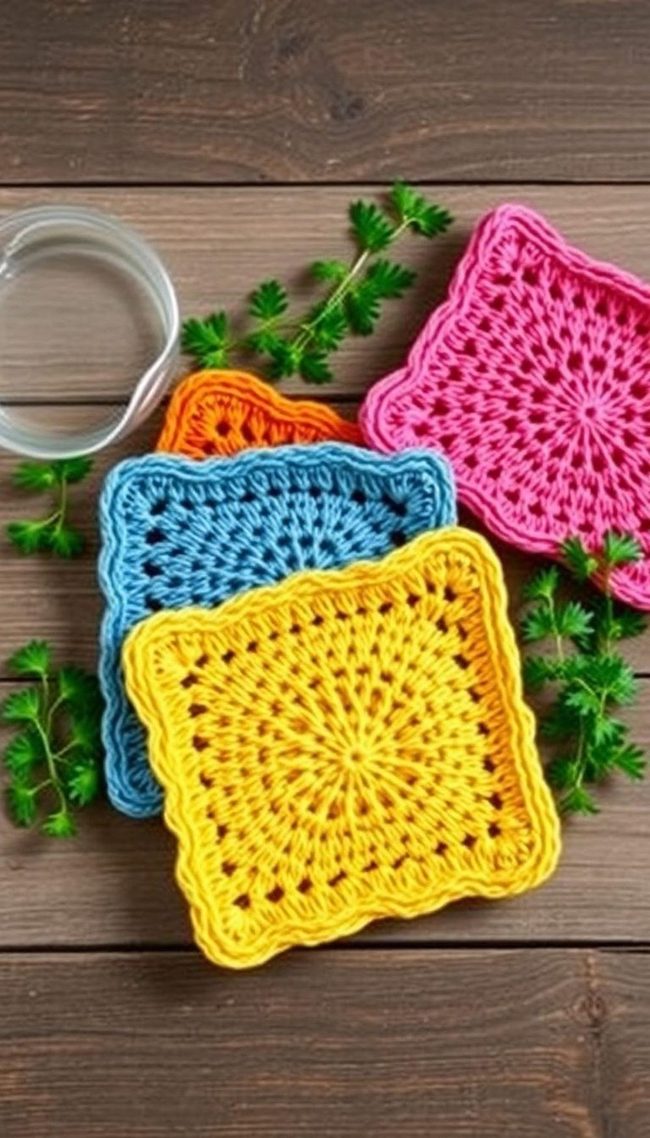
Handmade crochet coasters with vibrant colors and geometric patterns made from organic cotton yarn catch attention right away and let you add personality to your tables while keeping waste out of landfills.
Natural materials like bamboo, cork, and recycled cotton work best for eco-friendly coasters because they're renewable and break down safely in nature.
Each material brings its own texture and look to your space.
You might buy ready-made coasters from these sources, or you can make your own and have complete control over the colors and designs you want.
Water-resistant finishes on coasters keep them practical for daily use and protect your furniture from spills without harming the environment.
Going this route means your home stays both beautiful and responsible about what you bring into it.
It's a simple way to combine function with your values.
Fabric Scraps Wrapped Gifts
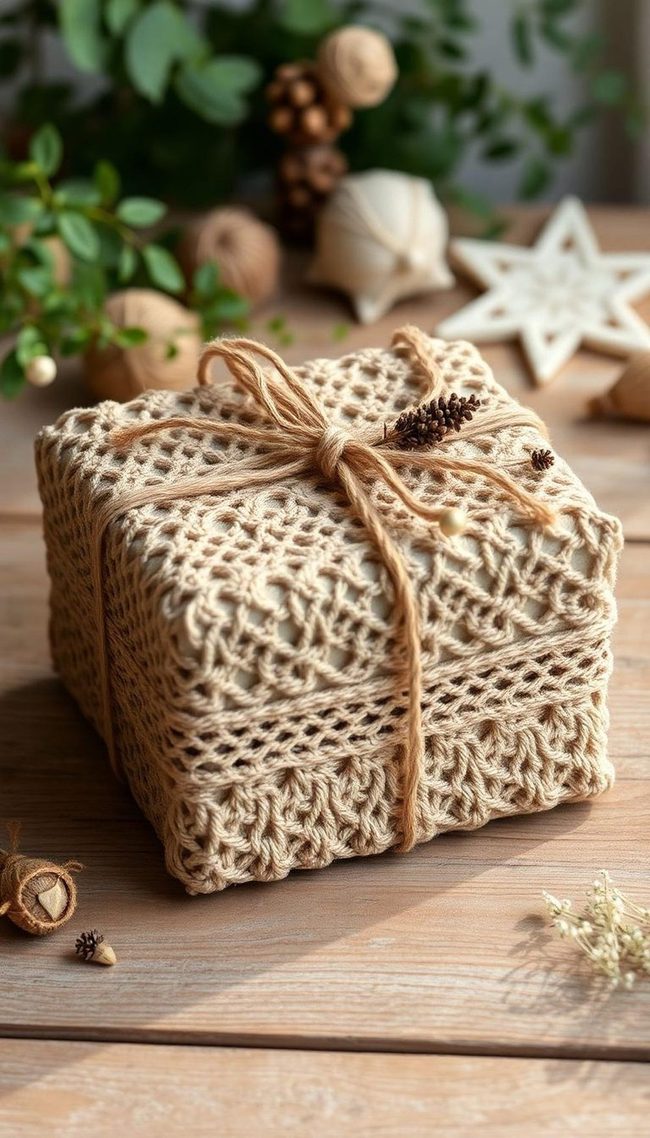
Dried leaves, flower petals, and small pinecones transform wrapped gifts into nature-inspired masterpieces that catch the eye and showcase your creativity, and you can scatter these materials across your package for a truly distinctive look.
Colorful fabric scraps folded into squares or rectangles and wrapped around your gifts using the traditional furoshiki method offer both visual appeal and a practical way to eliminate waste since the fabric becomes reusable.
Old newspapers or magazines with interesting images and patterns work wonderfully as wrapping material, giving your presents a quirky, vintage charm that feels personal and thoughtful.
Natural fiber twine woven around these wrapped packages adds a rustic quality and keeps everything eco-friendly without sacrificing style.
What makes these handcrafted alternatives special is how they combine your personal touch with sustainable practices, so each gift becomes a statement about what matters to you.
Rather than reaching for conventional gift wrap, these options let you reduce waste while still making something that looks beautiful and stands out.
When you choose these methods, you're promoting sustainability and demonstrating that thoughtful presentation doesn't require store-bought materials.
Crochet Cotton Totes
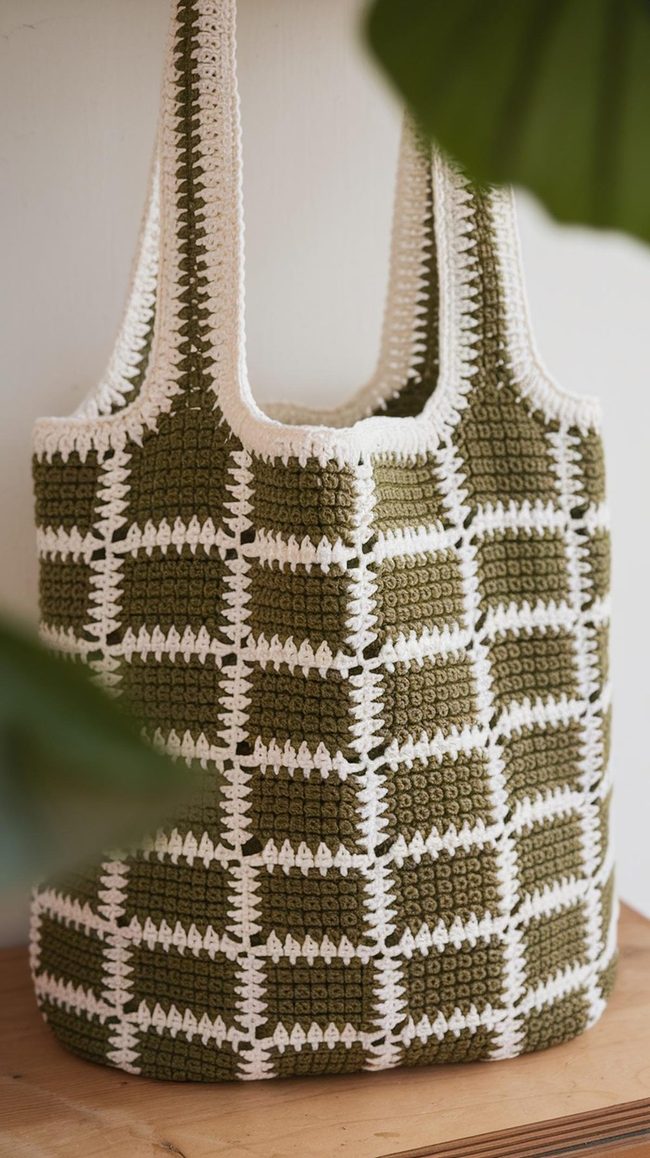
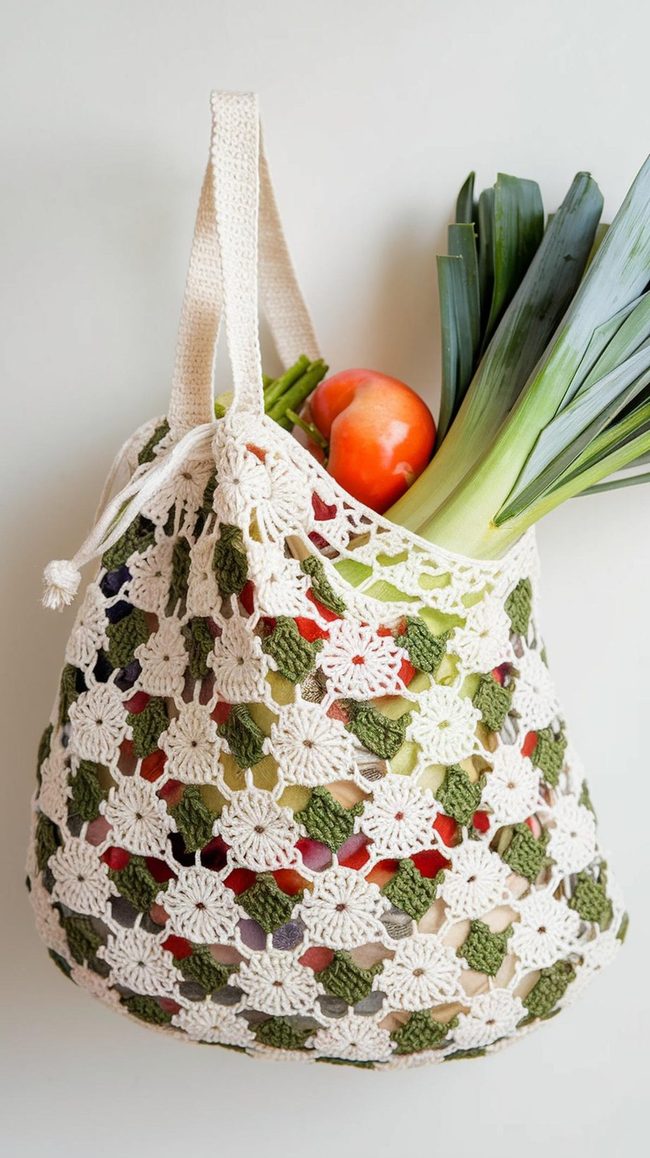
Making your own shopping bags through crochet lets you reduce plastic waste while putting your crafting skills on display, and natural fibers like cotton or hemp work beautifully because they break down naturally and last for years.
You can find simple tote patterns all over craft websites and adjust them to match your style by picking colors or patterns that feel right to you.
Reinforced handles and a solid base matter when you're designing the bag since they'll support heavier groceries without giving way.
Leftover yarn scraps become perfect material for adding colorful accents and patches throughout the design.
Beyond keeping plastic out of landfills, these bags serve as wonderful gifts for people in your life and spark conversations about living more sustainably.
When others see you carrying a handmade bag, it naturally encourages them to think about their own choices and consider making similar swaps in their routine.
Recycled Fabric Circle Scrubbies
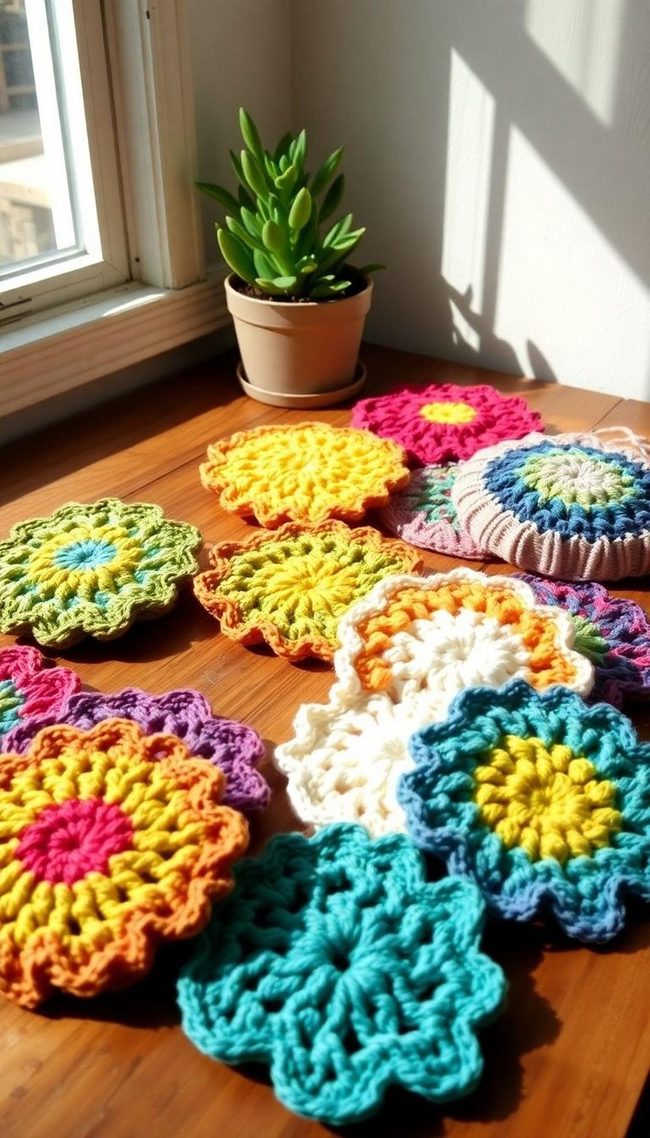
Upcycled crochet scrubbies transform old fabric scraps like worn t-shirts and linens into functional cleaning tools that work hard on dishes, surfaces, and even your skin during showers.
Cotton and cotton-blend materials give you the best combination of softness and durability for daily scrubbing.
Making them is straightforward: cut your fabric into strips and crochet them into circles by starting with a magic ring and working in rounds until the thickness feels right for your needs.
Once you're done scrubbing, simply toss them into the washing machine and they come out ready for the next round of use.
Since you're working with materials that would otherwise end up in landfills, you're making a real difference in reducing textile waste.
Every pair you make supports an eco-conscious lifestyle without sacrificing performance or convenience.
This approach means your home stays clean while the planet benefits from less waste and more sustainable choices.
Recycled Yarn Bottle Carrier
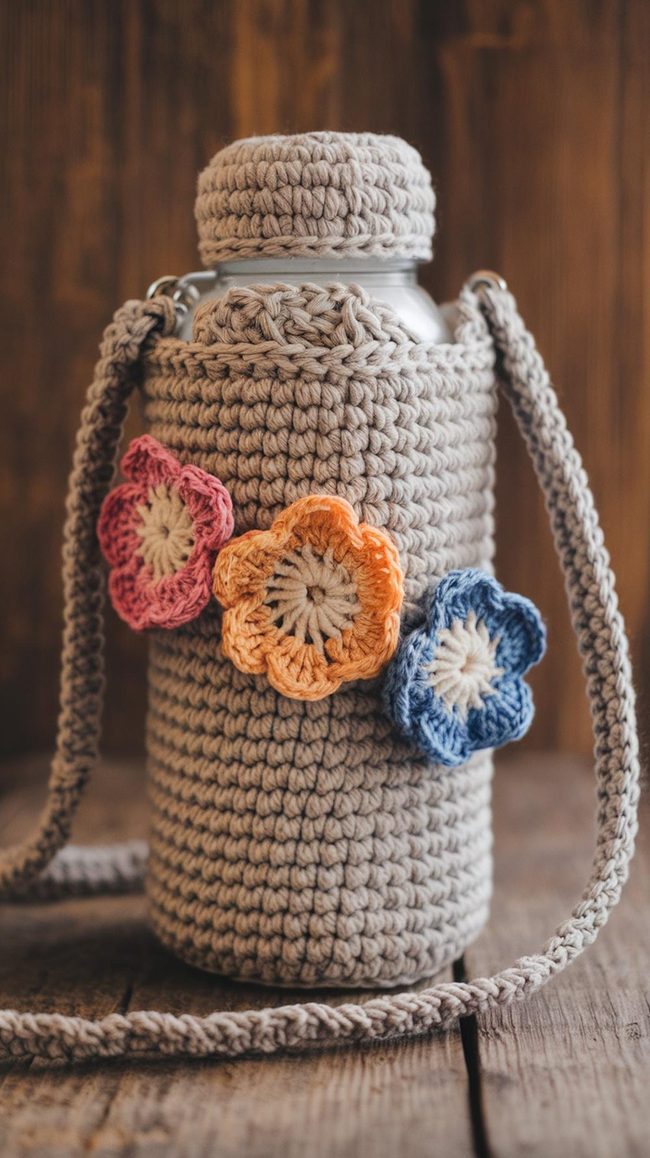
Water bottle holder made from recycled cotton or bamboo yarn stands out as a striking way to merge practical use with environmental responsibility and personal style.
You can craft one by selecting these soft, durable materials that won't harm the planet, then working a simple crochet pattern that hugs your bottle securely for safe transport.
Adding a shoulder strap from the same yarn gives you hands-free carrying and makes the piece more functional for daily life.
Personalization comes next, and you might weave in colorful patterns or embellishments that reflect your taste while staying true to eco-friendly principles.
This combination of sustainability and practicality makes for an accessory that feels good to use and good to own.
Juan Martínez
Founder & Lead Designer
Expertise
Modern & Contemporary Decor, Gothic & Dark Aesthetic, Coastal & Beach Style, Farmhouse & Rustic Decor, Outdoor & Garden Design, Nursery & Kids’ Room Design, Kitchen and Bathroom Remodeling, Unique & Specialty Spaces, Living Room and Bedroom Styling
Education
Universidad de los Andes (Bogotá, Colombia)
Pontificia Universidad Javeriana (Bogotá, Colombia)
Juan Martínez, Founder & Lead Designer of columbia-artists.com, grew up in Bogotá, inspired by the city’s mix of old and new architecture. He studied Interior Design at Universidad de los Andes and earned an Advanced Interior Architecture Certification from Pontificia Universidad Javeriana.
With 10 years of experience, Juan has transformed homes across Colombia and beyond, blending modern design with cultural craftsmanship. Through columbia-artists.com, he shares expert tips and inspiration to help homeowners create spaces they love.
Outside of design, Juan enjoys exploring markets, mentoring designers, and celebrating Colombian artistry.