
22 Quick Home Cleaning Tips And Hacks That Actually Work
A shining home brings comfort and pride without requiring expensive products or exhausting effort.
Simple adjustments to cleaning routines can dramatically improve results while saving time and money.
Many households overlook clever techniques that professionals use daily to achieve spotless surfaces and fresh spaces.
Smart shortcuts exist for every room, from kitchens to bathrooms, making maintenance easier than most people realize.
Learning practical methods helps anyone maintain a cleaner environment without stress or confusion.
Effective solutions often hide in plain sight, waiting to make housekeeping more efficient and rewarding.
Keep moving forward because a brighter, cleaner space is closer than you think.
Vinegar Kills Kitchen Sponge Bacteria
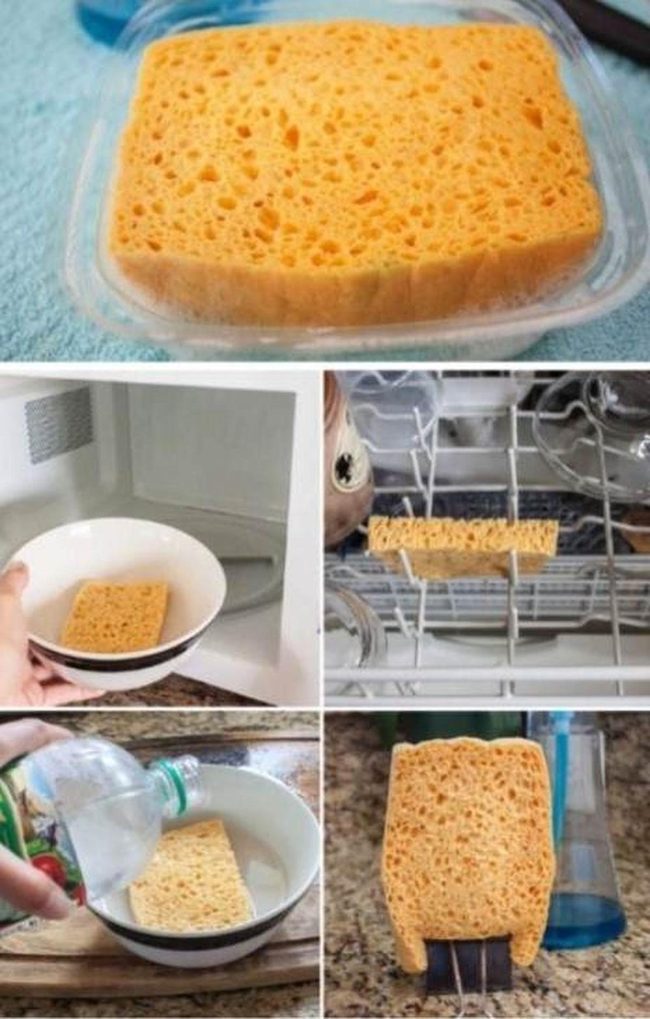
Kitchen sponges are notorious for collecting bacteria and germs, so keeping them sanitary is essential for food safety and hygiene.
Soaking your sponge in vinegar for a few minutes works wonders since the acidity kills off unwanted bacteria and microorganisms naturally.
Once you've soaked it, squeeze out the excess vinegar and let it air dry completely in a spot with good ventilation or on a dedicated sponge holder.
If you want to go deeper with your cleaning routine, try mixing baking soda into the vinegar or pop your damp sponge in the microwave for one or two minutes to zap away any stubborn germs.
Bleach Gel Eliminates Dark Mold Stains
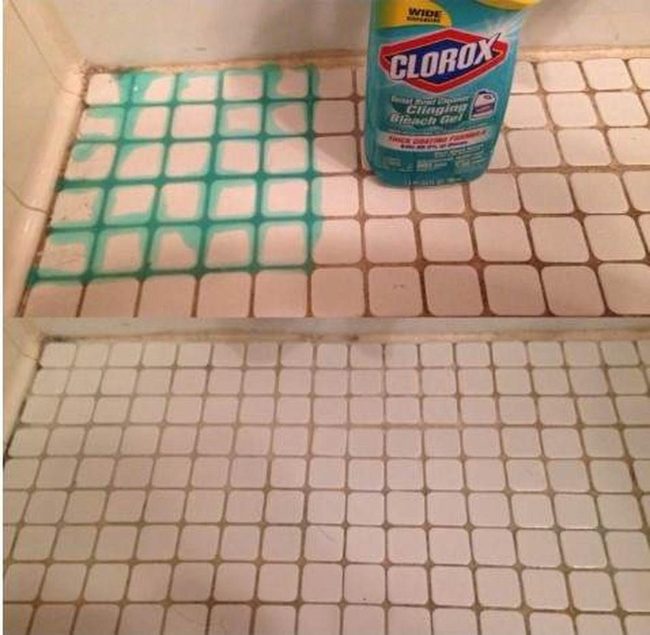
Bleaching gel works best for tackling dark mold and mildew stains in bathtub corners and cracks, so start there if you want the fastest results.
You'll want to buy a gel formula specifically made for tubs or toilets since it sticks to vertical surfaces better than liquid cleaners do.
Just apply it straight to the problem areas and wait a few minutes while the bleach does the heavy lifting for you.
Once time is up, rinse everything thoroughly with water and the mold washes right away without needing elbow grease.
Moving forward, good ventilation in your bathroom makes all the difference because moisture feeds mold growth.
Run your exhaust fan during and after showers, or crack a window open to let humid air escape.
Baking Soda Paste Sink Cleaner
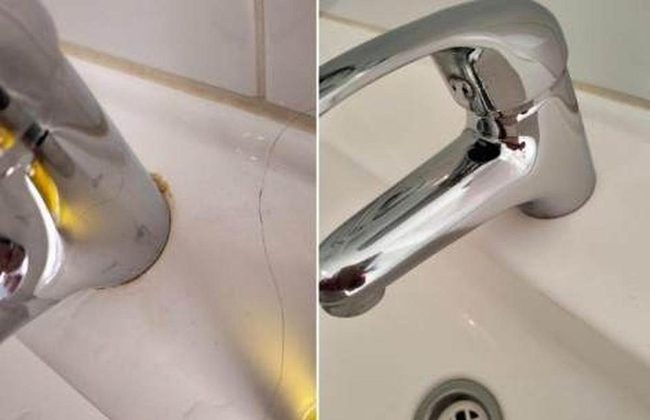
Stubborn hard water stains that build up around your sink can disappear with stuff you likely have at home already.
Start by mixing a quarter cup of liquid dish soap (Dawn works great), half a cup of baking soda, and a cup of Epsom salt together in a bowl until you get a thick paste.
Grab a scrub brush and work the paste onto all those stained spots, using gentle circular motions and spending extra time on areas where the buildup is really heavy.
Once you've scrubbed thoroughly, rinse your sink well under running water to wash away the paste.
If some stains are still hanging around, just apply more paste and scrub again until they fade.
What makes this method so good is that you're using simple household ingredients instead of harsh chemicals or pricey cleaners, and it actually works to bring back your sink's shine.
You don't need anything fancy or expensive to get great results.
Fizzy Tablets Dissolve Drain Buildup
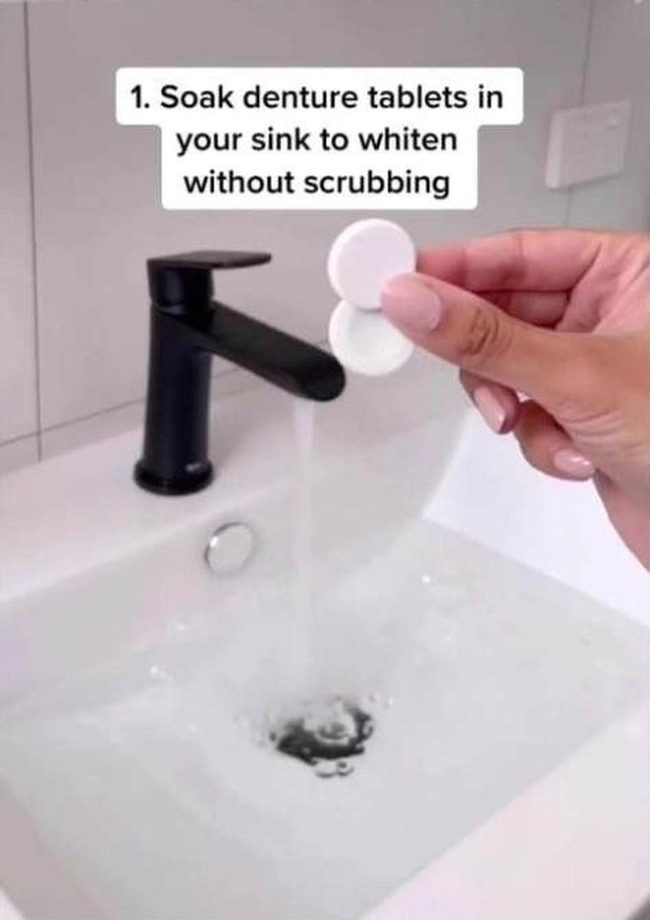
When stubborn rings and buildup start appearing around your sink drain, denture tablets offer a simple and surprisingly effective solution that you can try right at home.
Fill your sink with hot water until it covers the stained areas, then drop in one or two denture tablets and wait for them to dissolve into a fizzy solution.
Let this work for about 15 minutes while the foaming action tackles the grime buildup.
Once the time is up, drain the sink and rinse it thoroughly with clean water.
Wipe away any remaining spots using a soft cloth or paper towel, being gentle so you don't scratch your sink's surface.
Denture tablets work because they contain cleaning agents like citric acid and sodium bicarbonate that break down stains and grime through their fizzing action.
Your sink will end up sparkling clean with minimal effort on your part.
Hot Vapor Tile And Laminate Deep Clean
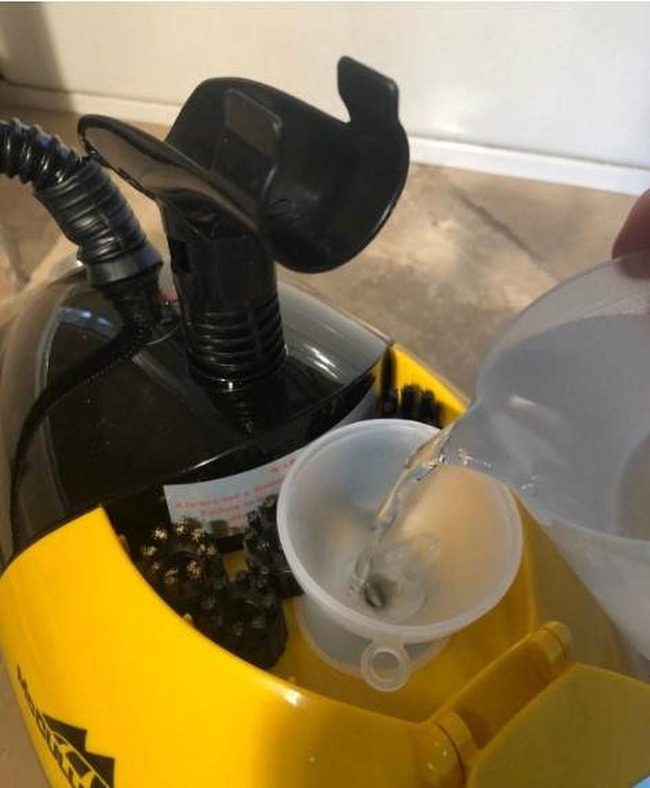
Steam cleaning delivers impressive results across tile, laminate, and countless other surfaces by blasting away dirt, grime, and germs with hot vapor.
Before you pull the trigger on steam cleaning, though, it's wise to check what the manufacturer says about your specific materials, especially if you have vinyl flooring that might not tolerate the heat.
You can swap out attachments on most steam cleaners to reach challenging spots like the inside of your oven or around your stovetop, making it a versatile tool for those stubborn kitchen messes.
Learning what works best for each surface in your home helps you clean more effectively.
Once you know your equipment's capabilities and your surfaces' limits, steam cleaning becomes one of the most efficient ways to deep clean throughout your house.
Compressed Air Cleans Bathroom Exhaust
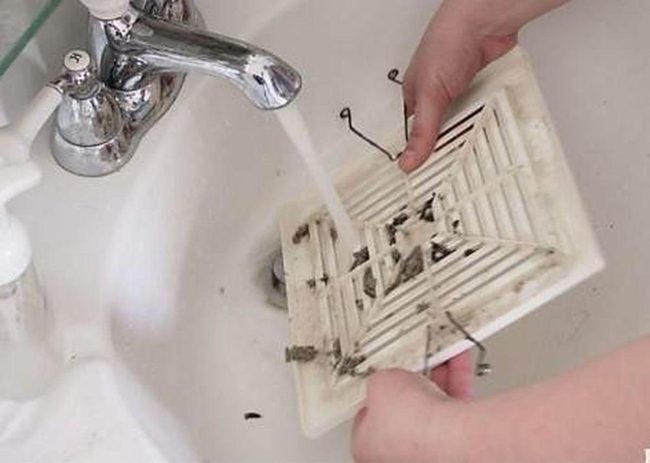
Dusty bathroom exhaust fan loses its ability to pull moisture and smells out of your space and makes the room look neglected.
Canned air offers you a fast and easy way to tackle this problem without any fuss.
Just switch on the fan and give it short bursts of compressed air to loosen up the buildup, and the fan sucks it right out through the ductwork.
You can use this same trick on the return air grilles connected to your heating and cooling system, so one simple tool handles multiple cleaning jobs around your home.
Toothpaste Removes Wood Water Rings
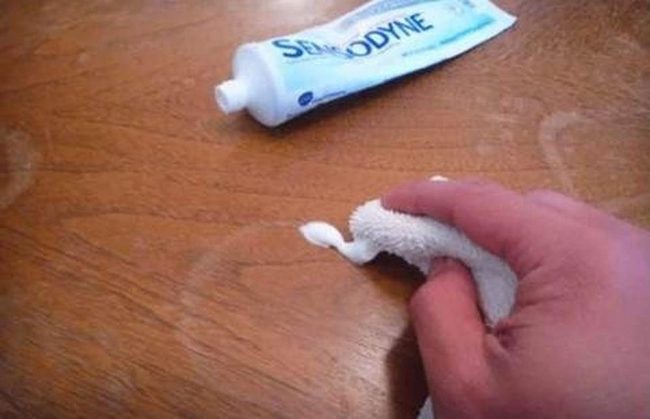
Water rings and marks on your wooden furniture can disappear with something you probably already have in your medicine cabinet; white toothpaste without gel.
Just dab a tiny amount of non-gel toothpaste straight onto the stain and use a soft cloth to rub it in small circles for about two minutes until the mark lifts away.
Once the stain fades, wipe the spot with a damp cloth to remove any leftover toothpaste and then dry it completely.
Toothpaste works because it contains mild abrasives that gently scrub away the stain without scratching or harming the wood underneath.
When you finish cleaning and drying, your furniture will look refreshed and restored.
Bagel Method For Delicate Paintings
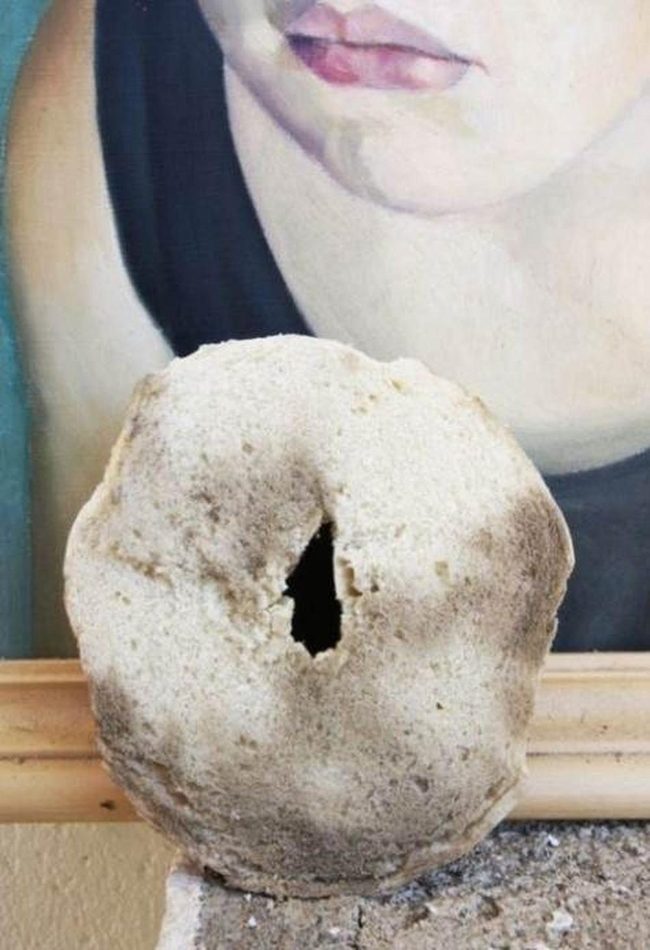
Cleaning delicate artworks like oil paintings and watercolors demands a gentle touch to keep them in good condition, and you might be surprised to learn that a simple kitchen item can help with this task.
Before you attempt any cleaning, use a soft-bristled brush to remove loose dust from the surface with light strokes.
Once you've done that, take a halved bagel and gently pat the artwork with the inside portion to lift away dust and grime without causing harm.
Since not all artworks respond the same way to cleaning methods, always test this approach on a small hidden area first.
If you feel uncertain about whether your specific piece can handle this technique, talking to an art conservation expert is worth doing before you proceed further.
White Dishes Scratch Restoration Powder
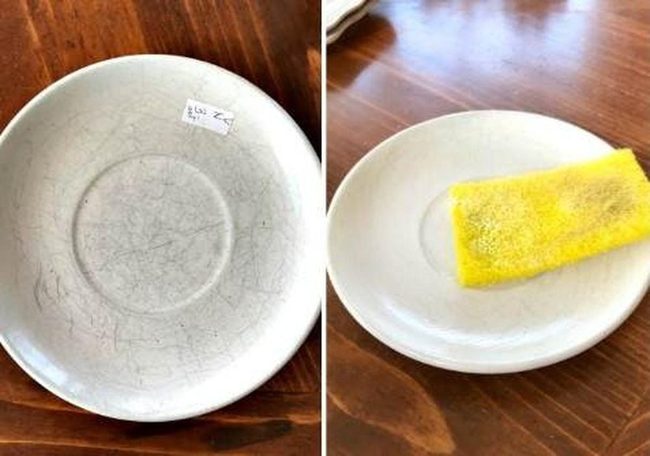
White dishes tend to get scratched and scuffed as you use them regularly, which makes them look worn and dull over time.
Bar Keeper's Friend scouring powder works wonders at bringing back that fresh, clean appearance you want from your tableware.
A quick gentle scrub with this popular cleaner lifts away the marks and damage that builds up from daily use.
You can wave goodbye to those frustrating scratches that make your dishes look less appealing.
The powder restores your white plates and bowls to a brighter, fresher state without harsh scrubbing.
Many people reach for this product because it actually delivers results where other cleaners fall short.
Your tableware will look renewed and polished again, ready to set a nice table for meals.
Boiling Water Cuts Stubborn Buildup
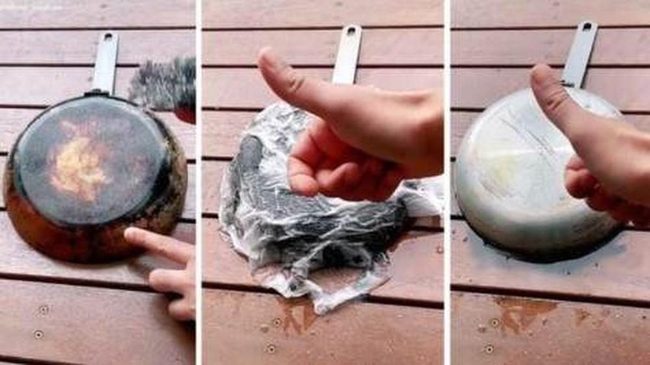
When you cook, your pans get covered in tough food and grease that can be stubborn to remove, but several methods work well to get them clean again.
One of the easiest options is the boiling method; just fill your pan with water, add a splash of dish soap, and heat it until it boils.
Let it simmer for a few minutes to break up the stuck-on mess, then scrub with a brush or scouring pad and rinse it dry.
Another solid choice is a baking soda paste, which you make by mixing baking soda with a little water until it forms a thick consistency.
Spread this paste across your pan, scrub it down with a brush or pad, and rinse thoroughly before drying.
For really heavy buildup, commercial cleaners designed for tough grime do the job, though you'll want to follow the instructions on the label exactly.
Metal Vents Quick Clean Method
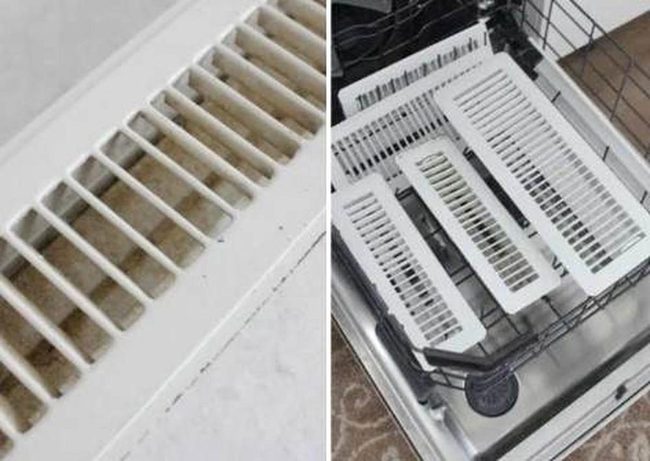
Most people skip cleaning their ceiling and floor vents, but the job takes just minutes and makes a real difference in how well your dishwasher works and how clean your air stays.
Grab a screwdriver and pop off those metal vents; this method works best for metal ones.
You have two options: toss them in your dishwasher for a regular cycle without soap, or hand wash them with a soft brush, mild dish soap, and warm water before air drying.
Dusting these vents a few times a year keeps them from getting blocked and helps your dishwasher run more efficiently.
If you or anyone in your home deals with allergies, keeping these vents clean becomes even more important since better air circulation means fewer particles floating around.
Homemade Linen Spray Perfection
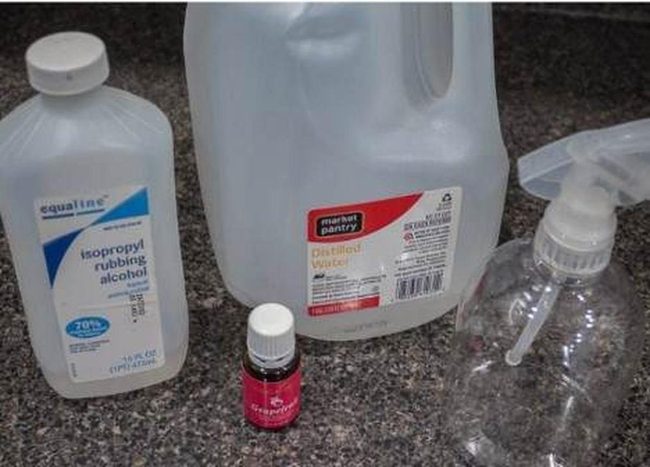
Mix 30 drops of essential oils like lemon and lavender with 3 ounces of rubbing alcohol in a bowl and stir thoroughly until the oils blend completely.
Pour in 1.5 cups of distilled water and stir once more to combine everything.
Use a funnel to transfer the mixture into a spray bottle so you have an easy way to apply it.
Your linens and towels will smell absolutely wonderful after just a light spraying.
You get the same quality scent as those expensive bottles, and you know exactly what's going into your spray.
It takes just a few minutes to whip up, and you can adjust the oils to whatever fragrance you enjoy most.
Citrus Acid Cleans Drains
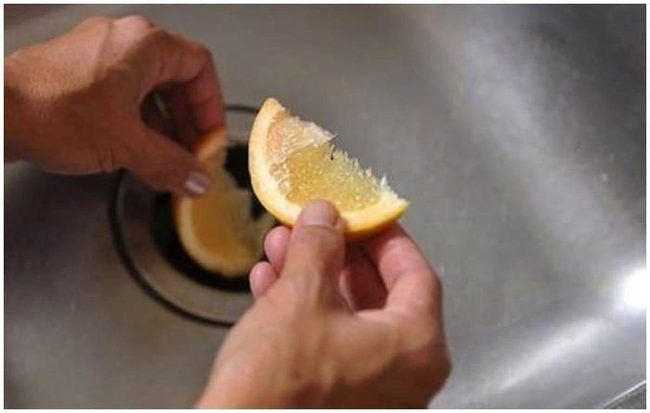
Lemon slices dropped into your garbage disposal create a powerful cleaning solution that fights odors and bacteria at the source.
Cut several lemons into small pieces and turn on the disposal, letting the citric acid do its work as the machine breaks everything down and releases the juice.
Run cold water afterward to wash away any leftover bits and one thing that stands out is how the natural acidity has disinfected the drain while leaving behind a fresh citrus smell throughout your kitchen.
I recommend doing this regularly to keep your disposal smelling clean and working well.
It's one of those simple tricks that costs almost nothing and beats harsh chemical cleaners every time.
You get a sparkling clean drain plus that pleasant lemon fragrance as a bonus, making this method both effective and practical for everyday kitchen maintenance.
Coconut Oil Stainless Steel Shine
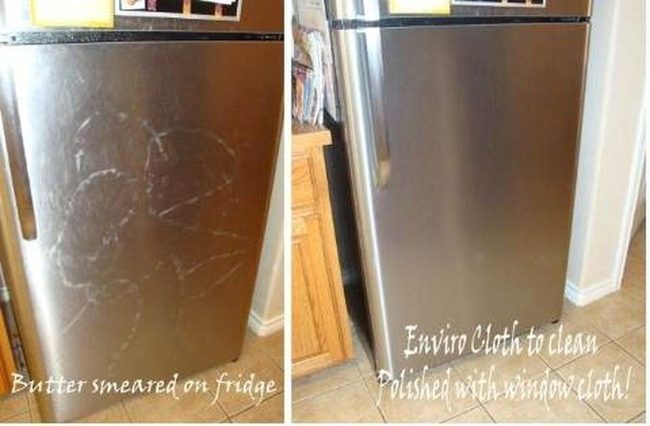
Making your own stainless steel cleaner is simple and saves you money compared to store-bought options.
Mix one-quarter cup of coconut cooking oil, three-quarters cup of distilled water, and one teaspoon of Thieves Household Cleaner Concentrate in a measuring cup and pour the blend into a spray bottle made of glass or metal.
When you're ready to clean, spray just a small amount of the mixture onto a soft microfiber cloth rather than directly on your appliances.
Wipe your stainless steel surfaces gently along the grain direction to lift away dirt, grime, and stubborn fingerprints that can dull the finish.
Moving with the grain prevents streaking and helps the polish distribute evenly across the surface.
You can see your appliances regain their shine and look refreshed without harsh chemicals or expensive products.
Gentle Care Keeps Nonstick Perfect
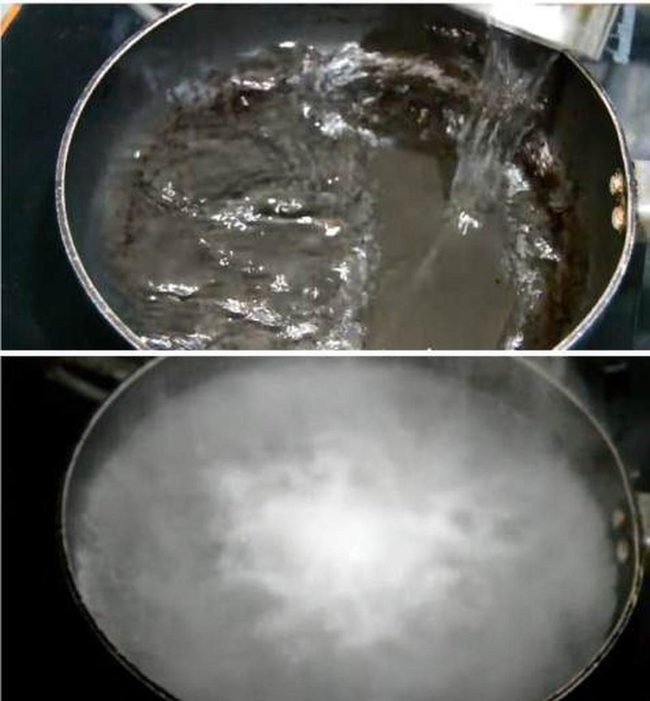
Keeping your nonstick pans in good shape means they'll last longer and work better in your kitchen, so it's worth spending a little time on proper care.
Start by using a soft sponge or cloth with mild dish soap to gently wipe away food and grease, and skip anything rough or scratchy that could damage the coating.
When food gets stuck and won't budge easily, try boiling some water and a bit of dish soap right in the pan and then use a plastic spatula to scrape away the buildup.
Baking soda mixed with water into a paste works well if some residue still clings to the surface; just rub it gently and you'll see good results.
You can also grab a commercial nonstick cleaner from the store and follow what the label says for best results.
Make sure you rinse everything thoroughly once you're done scrubbing so no soap residue stays behind.
Lemon Oil Wood Polish
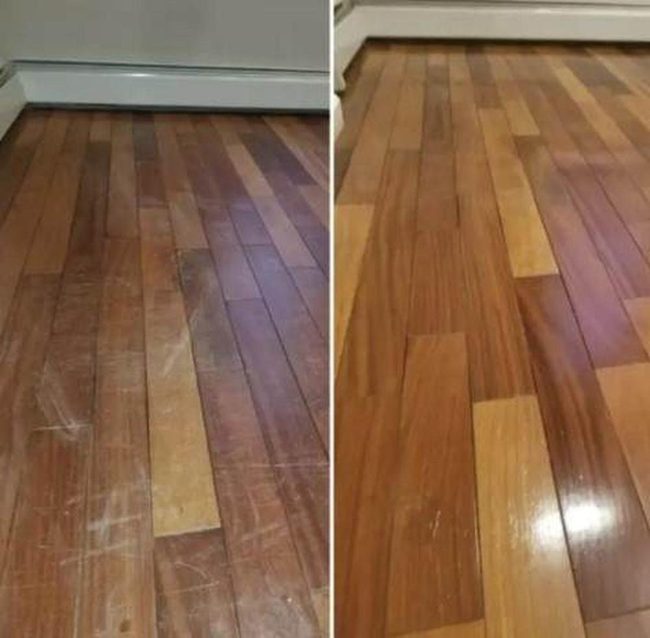
Wood surfaces really shine when you treat them with a simple homemade polish made from just lemon juice and olive oil.
To make this effective cleaner, mix one part lemon juice with two parts olive oil in a bowl, and you'll have a powerful solution where the lemon cuts through grime and restores brightness while the olive oil feeds the wood and brings out its natural shine.
Applying this mixture is straightforward; dip a soft cloth into the blend and work it across your wood surfaces using gentle circular motions, allowing a few minutes for the polish to soak in and do its job.
Once you've let it sit, simply wipe away any leftover residue with a fresh cloth to reveal the polished surface beneath.
Beyond just making your furniture look better, this natural polish also adds a protective layer that helps keep your wood in good condition over time.
Mineral Deposits Blocking Toilet Rim
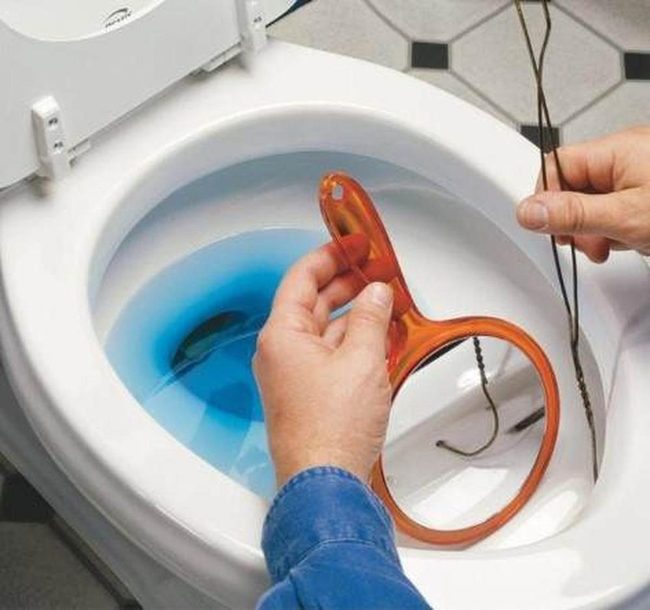
Mineral deposits blocking the rinse holes under your toilet's rim are often the culprit behind poor flushing performance, and spotting this problem starts with grabbing a hand mirror and getting down for a close inspection.
You can fashion a straightened coat hanger into a flat tool, making sure to smooth away any sharp edges so it won't damage the porcelain.
Gently probe each rinse hole with this makeshift tool to dislodge and remove the mineral buildup that's been restricting water flow.
This simple approach restores your toilet's flushing power and saves you from calling in a professional, all with supplies you probably have sitting around your home.
Once you clear those holes, I always appreciate how the difference immediately as water flows properly again.
Vinegar Steam Microwave Cleaning
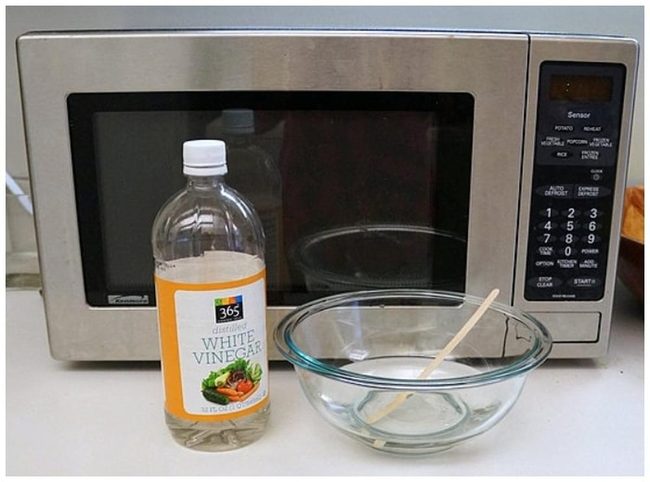
Fill a microwave-safe bowl with two cups of water and two tablespoons of vinegar to start the cleaning process, and drop in a few essential oil drops if you want to freshen up the vinegar scent.
Pop a toothpick or wooden skewer into the bowl so the water won't boil over during heating.
Microwave the mixture on high for five minutes while the steam loosens all that stuck-on food and grime inside.
Let the bowl sit inside for another few minutes after the microwave stops so the steam can do even more work softening everything up.
Once you remove the bowl carefully, grab a damp sponge or cloth and wipe down all the interior surfaces.
For any stubborn spots that won't come off easily, give them a gentle scrub with your sponge and they should come right off.
Crumpled Foil Dish Scrubber
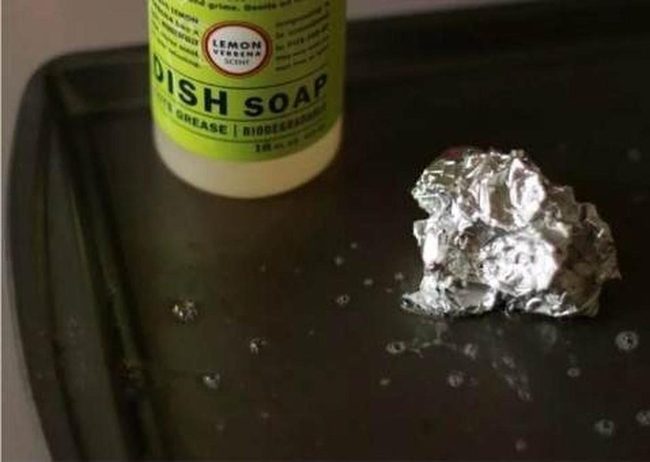
Crumpling aluminum foil into a ball gives you an oddly effective scrubber that works just as well as expensive store-bought versions.
Once you've got your foil ball ready, add a little soap and start scrubbing away stuck-on grime and food bits from your dishes.
The rough surface of the foil does the heavy lifting, breaking down stubborn residue without much effort on your part.
What makes this hack so appealing is how budget-friendly it turns out to be and how much waste you avoid by reusing materials you already have at home.
Next time you finish wrapping leftovers or covering a baking pan, hold onto that foil instead of tossing it out.
You'll be surprised at how this simple swap can streamline your kitchen routine and cut down on what you spend on cleaning supplies.
Microfiber Furniture Revived With Alcohol
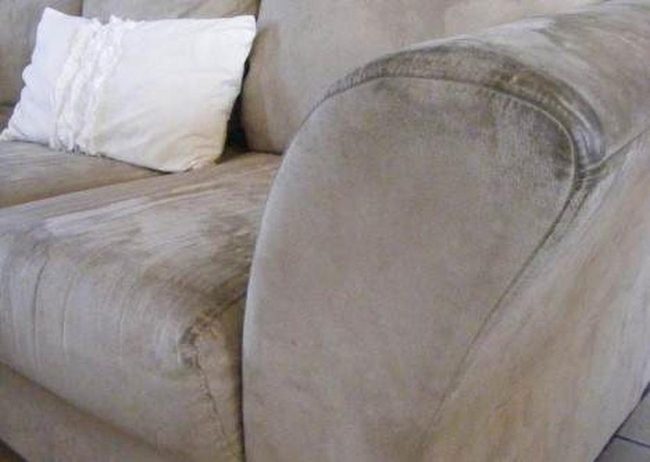
Microfiber furniture sits in your home looking flat and tired after dust and wear take their toll on the surface, but you can bring back its original appeal with a straightforward cleaning method that works remarkably well.
Mix rubbing alcohol with water and grab a scrub brush to tackle the buildup that dulls your upholstery over time.
Working the solution gently across the fabric lifts away dirt and grime without harming the material or leaving behind sticky residues that attract more dust.
You'll be surprised at how much brighter and fresher your microfiber looks after just one cleaning session.
Restoring your favorite chair or sofa takes minimal time and effort compared to professional cleaning services.
This simple hack keeps your furniture looking good for years and costs just a few dollars in supplies.
Baking Soda And Vinegar Sparkle
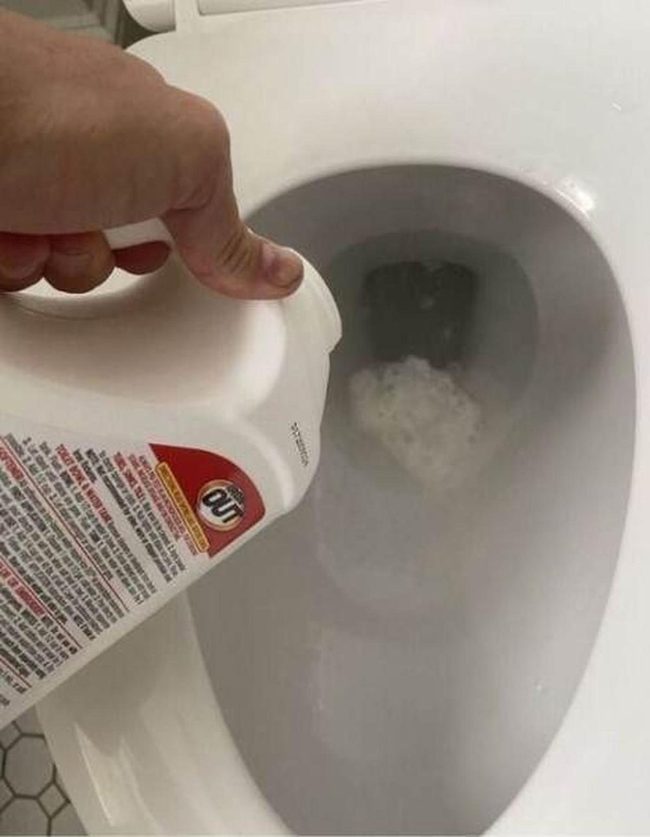
When you need a spotless toilet ready for company arriving soon, mix a quarter cup of baking soda with a cup of white vinegar in a spray bottle and shake it up well.
Spray this mixture all around the inside of the bowl, making sure to get under the rim and cover every surface, then let it sit for about fifteen minutes so the solution can break down buildup and grime.
Once the time is up, grab your toilet brush and scrub the entire bowl hard, paying extra attention to any stubborn stains that won't budge.
Flush several times to rinse away all the residue and cleaning solution.
For a nice finishing touch, put a few drops of essential oil like lemon or tea tree onto your brush bristles.
Do one last quick scrub with the scented brush, and your toilet will smell fresh and look completely clean.
This simple method works fast and uses common household ingredients you probably already have on hand.
Invisible Gap Filler Solution
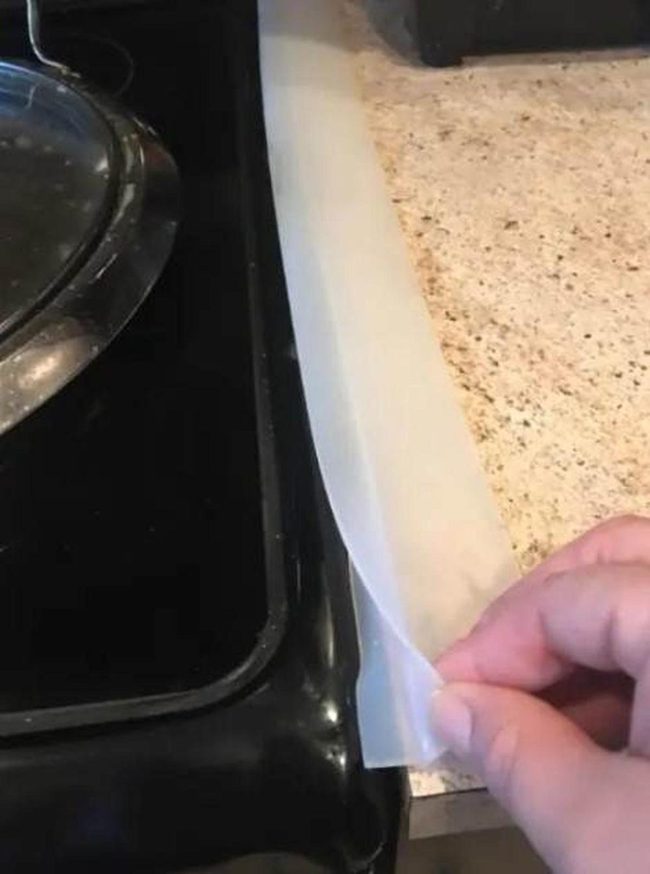
Clear plastic tubing slipped into the gap between your countertop and appliance stops crumbs, papers, and utensils from disappearing into that annoying space, and you can find it in widths starting at 1/8 inch at most hardware stores or home centers.
Since the tubing is nearly invisible, it blends right into your kitchen without standing out or clashing with your existing decor.
Installing it makes your life easier because cleanup becomes simpler and faster.
Your kitchen stays neater throughout the day without debris collecting in those hard-to-reach spots.
This simple fix handles a common kitchen frustration without requiring any special tools or complicated installation.
Juan Martínez
Founder & Lead Designer
Expertise
Modern & Contemporary Decor, Gothic & Dark Aesthetic, Coastal & Beach Style, Farmhouse & Rustic Decor, Outdoor & Garden Design, Nursery & Kids’ Room Design, Kitchen and Bathroom Remodeling, Unique & Specialty Spaces, Living Room and Bedroom Styling
Education
Universidad de los Andes (Bogotá, Colombia)
Pontificia Universidad Javeriana (Bogotá, Colombia)
Juan Martínez, Founder & Lead Designer of columbia-artists.com, grew up in Bogotá, inspired by the city’s mix of old and new architecture. He studied Interior Design at Universidad de los Andes and earned an Advanced Interior Architecture Certification from Pontificia Universidad Javeriana.
With 10 years of experience, Juan has transformed homes across Colombia and beyond, blending modern design with cultural craftsmanship. Through columbia-artists.com, he shares expert tips and inspiration to help homeowners create spaces they love.
Outside of design, Juan enjoys exploring markets, mentoring designers, and celebrating Colombian artistry.