
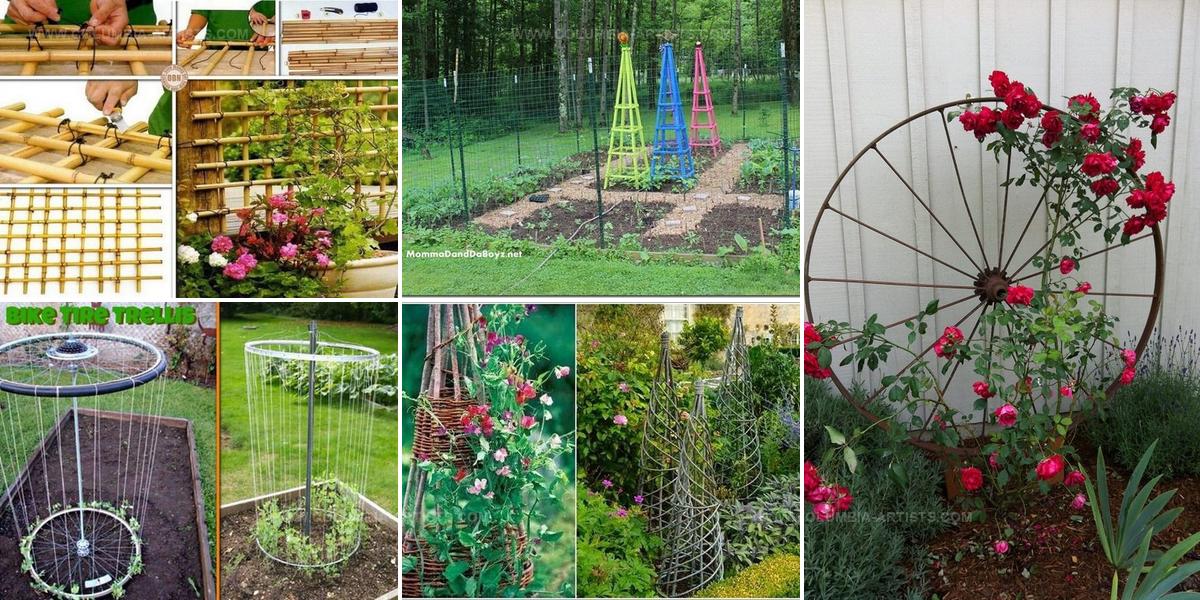
24 Upcycled Garden Trellis Ideas That Support Climbing Plants
Garden structures gain new life when old materials become beautiful climbing supports through clever upcycled trellis ideas that combine sustainability with style.
Forgotten items around the house often hold untapped potential for vertical growing spaces that cost little but deliver stunning results.
Old doors, bicycle wheels, and wooden pallets can morph into functional plant supports that add character while reducing waste.
Budget-friendly projects like those appeal to anyone who loves working with plants and values resourceful design.
Environmental benefits multiply when repurposing replaces purchasing, and gardens flourish with custom structures that reflect personal creativity.
Simple techniques make it possible for beginners to construct durable frameworks that vines and flowers eagerly climb.
The satisfaction of watching plants scale something crafted from salvaged materials will inspire ongoing projects throughout the growing season.
Tall Wooden Garden Pyramid
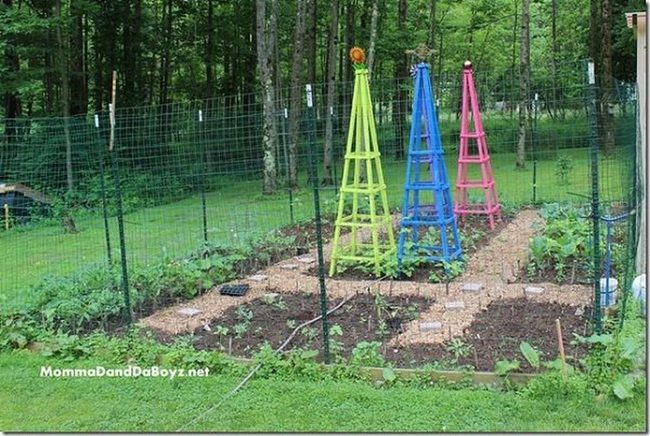
Obelisk trellises stand tall in gardens as striking pyramid-shaped structures that draw the eye upward while guiding climbing plants like beans, peas, and flowering vines toward the sky.
Building one doesn't require expensive materials or specialized skills; you can assemble an impressive garden accent with basic wooden stakes and simple tools.
Getting the angles right matters when you cut each piece so they come together in that distinctive tapered form.
Once assembled with sturdy connections and proper measurements, the structure holds firm against the weight of growing plants and won't wobble or tilt.
You have flexibility in sizing these trellises to fit your specific garden space and match the plants you want to grow.
Positioning one near your vegetable patch or flower bed serves double duty by supporting your plants and adding vertical interest to your landscape.
Gardens gain both function and visual appeal when these structures stand in strategic spots throughout the growing area.
Reclaimed Window Frames Garden Trellis
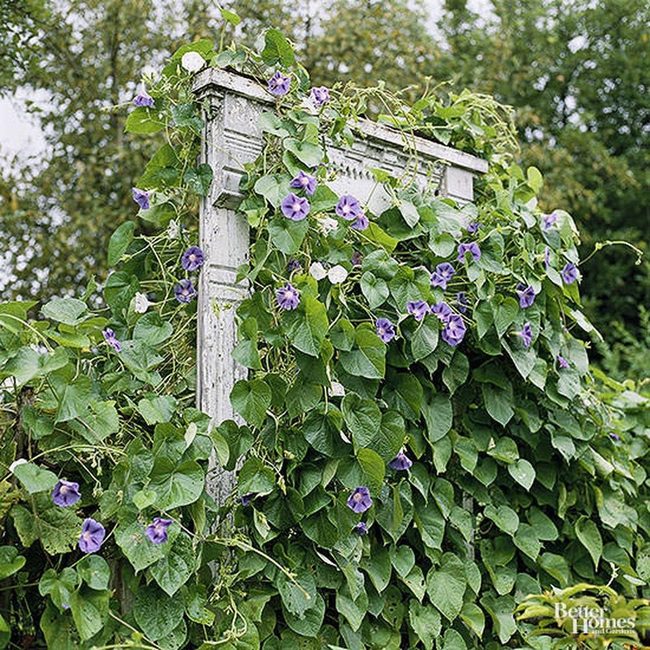
Old window frames pulled from renovation projects become stunning garden structures that support climbing plants and add rustic character to your outdoor space.
You can mount these reclaimed architectural elements against garden walls or fences using basic hardware and simple techniques that require minimal effort.
Weathered wood from these frames brings authentic charm to the landscape while providing sturdy support for plant tendrils to wrap around.
Climbing roses, clematis, and beans grow beautifully along these recycled supports and fill your garden with greenery and blooms.
We love this approach because it's both budget-friendly and good for the environment, turning discarded materials into functional garden features.
Setting up one of these trellises takes just a few tools and some basic know-how, so you don't need special skills or experience.
Beyond practicality, these repurposed frames add a layer of history and character that new materials simply can't match.
Clothesline Vines Growing Upward
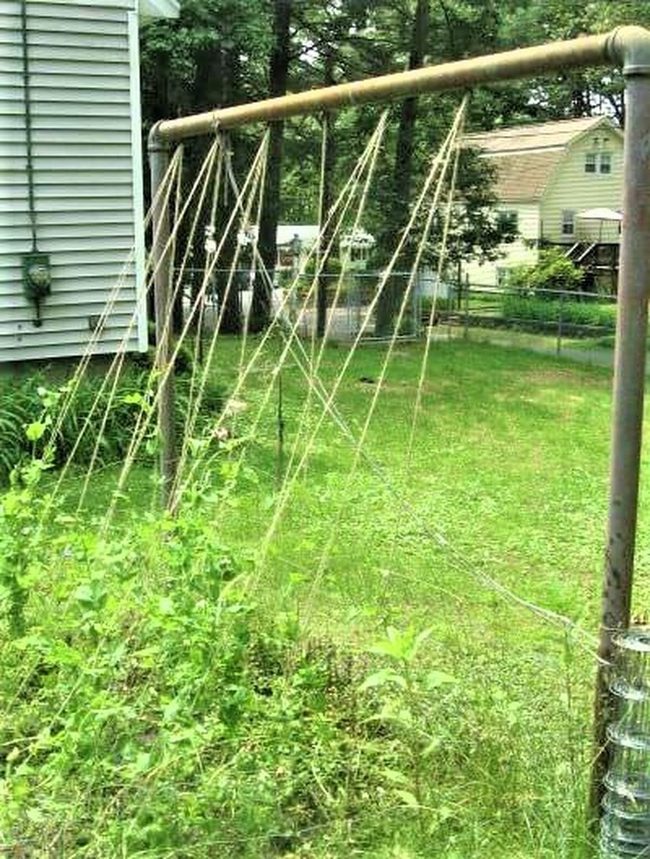
Repurposed clothesline trellis stretches vertically through your garden space and pulls double duty as both a money-saving solution and a creative growing structure.
Old metal or rope clotheslines become sturdy plant supports that guide climbing vines and vegetables upward with ease.
You can connect twine segments between posts to build lightweight vertical growing frameworks that take up minimal ground space.
Climbing beans, peas, and small gourds thrive along these resourceful supports and make excellent use of your garden's height potential.
Recycling household items you already have reduces waste while solving common gardening challenges in a straightforward way.
Home gardeners love this approach because it keeps money in your pocket and helps plants flourish without fuss.
Basic DIY skills are all you need to turn forgotten clothesline hardware into practical garden infrastructure that works season after season.
Vertical Wood Beds Growing Upward
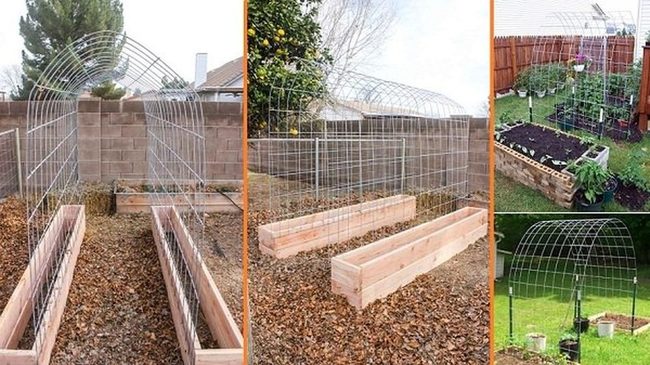
Raised beds paired with trellis systems transform vegetable gardens by letting climbing crops grow upward instead of sprawling across the ground, and this vertical approach means beans, peas, and cucumbers reach toward the sun while you save precious ground space.
Sturdy wood frames form the foundation of these beds, and attaching trellises made from lattice, wire mesh, or reclaimed materials gives your plants plenty of support as they climb higher.
Plants positioned vertically benefit from increased sunlight exposure and better air movement around their leaves, which keeps them healthier and more productive throughout the growing season.
Your harvest expands noticeably when you use this layout because the plants can grow more densely without competing for light or moisture at soil level.
Working with elevated beds also makes tending to your garden simpler since you're not constantly bending down to weed, water, or pick vegetables.
Rusty Metal Tools As Plant Climbers
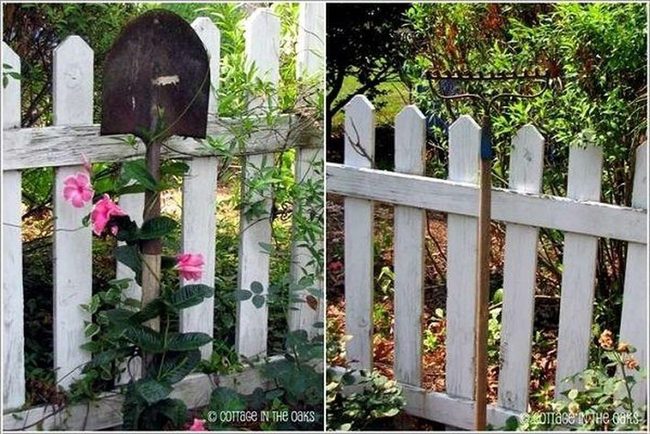
Old garden tools make surprisingly good trellises when you repurpose them as plant supports, and this creative recycling turns rusty rakes, worn shovels, and weathered hoes into charming structures that guide climbing plants with unexpected elegance.
Metal handles and wooden stems work perfectly as vertical frameworks for peas, beans, and flowering climbers to grow along.
By reusing these tools instead of tossing them out, you reduce waste while bringing whimsical character to your garden space.
Each tool carries its own history and tells silent stories of past garden adventures just by standing there.
What makes this idea so appealing is that it costs nothing and takes minimal effort to pull off.
You simply grab what you already have or find at a thrift store, lean it in place, and watch your plants climb.
It's an eco-friendly approach that respects your budget and your garden's personality all at once.
Recycled Wheels Growing Vines
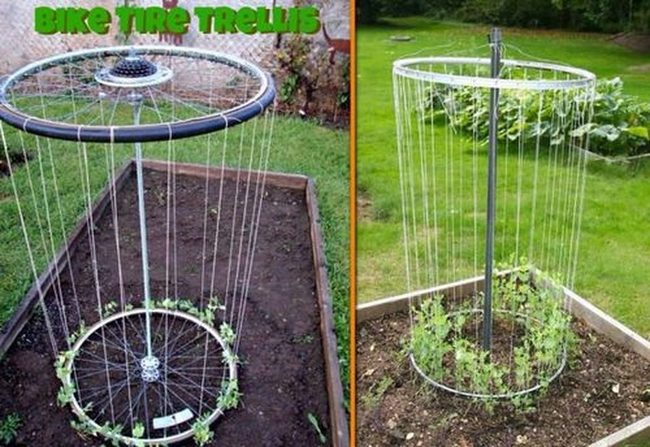
Bike wheel trellises stand out as bold garden statements that transform old bicycle rims into striking vertical structures for your plants.
Metal wheels create sturdy supports where climbing beans, peas, and morning glories can sprawl and grow, and rusty or brightly painted rims add unexpected artistic character to vegetable patches and flower beds.
You can mount these wheels to wooden posts or hang them directly on garden walls, depending on your space and what works best for your setup.
Metal components offer the strength that delicate vines need as they climb and fill out the framework.
Beyond their good looks, these structures reduce waste by repurposing old bicycle parts that might otherwise end up in landfills.
We love that they bring both sustainability and playful style to any garden, giving you a trellis system that's practical and interesting to look at.
Climbing Plants Through Weathered Rungs
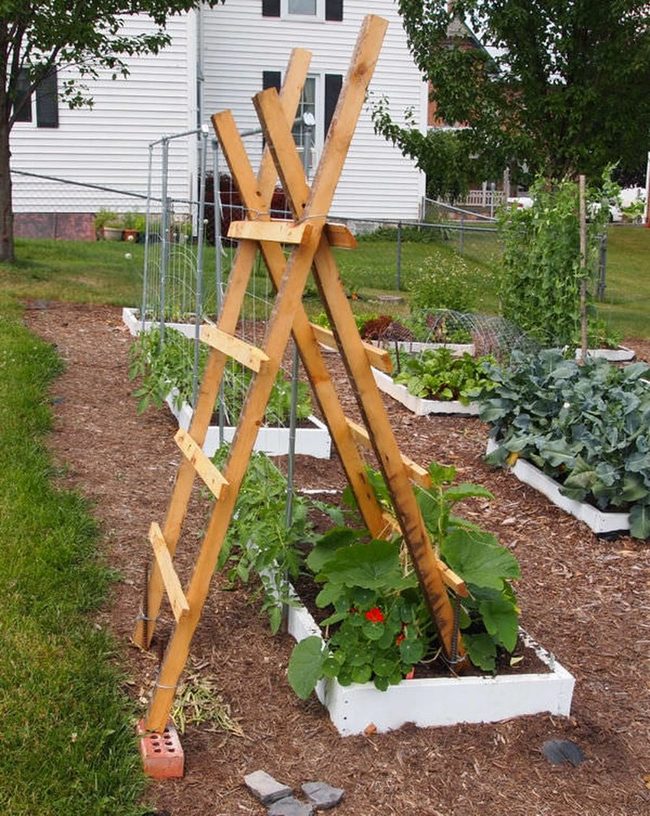
Ladder trellises make stunning garden features when you lean an old ladder against a sturdy wall or fence in a sunny location and let climbing plants like clematis or jasmine wind through the rungs.
Wooden rungs serve as natural pathways for vines to climb upward and spread outward.
You can secure delicate plant stems with small hooks or soft ties to guide them along the ladder's structure.
Both metal and wooden ladders work equally well for this creative solution.
As the climbing plants weave through the gaps and around the rungs, they transform plain garden corners into charming rustic displays.
This garden hack takes forgotten household items and turns them into beautiful plant supports that add character to any outdoor space.
Climbing Vines Through Metal Wheels
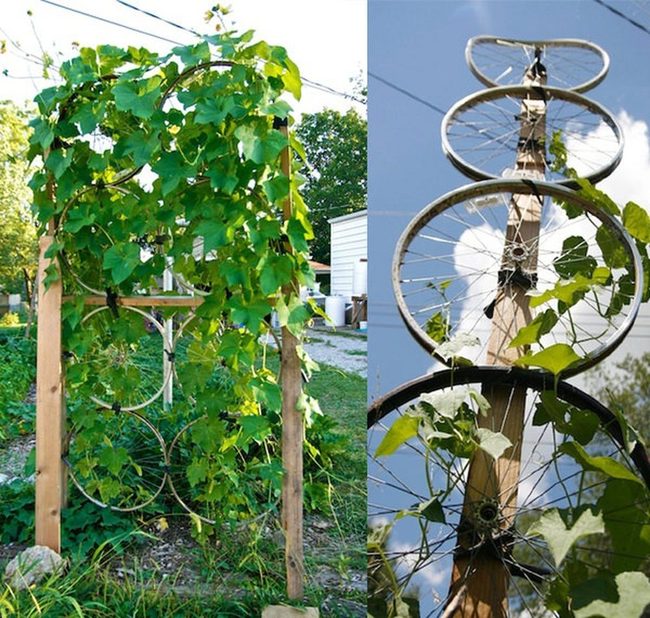
Bicycle wheel trellises stand out as striking repurposed structures that transform old bike rims into elegant pathways for climbing vines and vegetables to wind through the circular spokes.
You can stack multiple wheels vertically by connecting them with wooden posts, which builds a strong framework that works in gardens of any size.
Beans, peas, and morning glories naturally spiral up and through these metal forms, creating visual interest as they grow.
Setting them up takes minimal effort and requires just a few basic tools since the lightweight design makes installation straightforward.
You have flexibility in placement too; lean them against fences or walls, or position them as standalone features in open garden beds.
Because these structures take up little horizontal space, they fit well in compact yards and small gardens.
Building one of these trellises gives you an eco-friendly way to support plant growth while keeping old materials out of landfills.
Metal Rod Climbing Trellis Walls
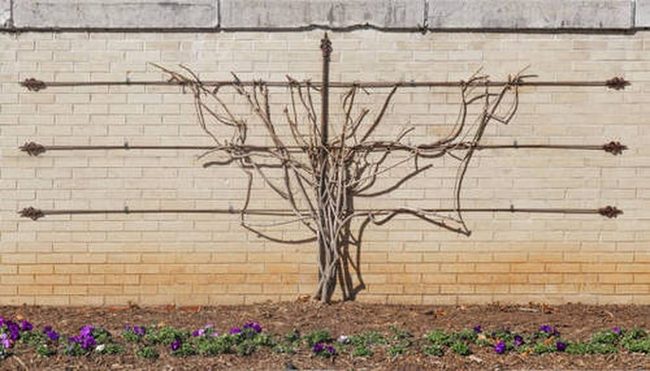
Curtain rod wall trellises spark garden magic by transforming metal rods into crisscrossing climbing structures that form elegant geometric patterns against exterior walls, and lightweight vines like jasmine or sweet peas flourish beautifully along these framework arrangements.
You can mount these structures with basic tools and simple mounting brackets, making the installation straightforward even if you're new to outdoor projects.
Rustic metal elements blend naturally with green landscapes and add real architectural interest to blank spaces that might otherwise feel empty.
What makes this approach so appealing is how creativity flourishes when you repurpose unexpected household items into functional garden solutions.
A nice touch is how resourceful design turns ordinary objects into extraordinary garden features without requiring much effort at all.
Your outdoor space gains both practical climbing support for plants and unexpected visual appeal from this unconventional recycling technique.
Sometimes the best garden upgrades come from looking at what you already have around the house and reimagining its purpose.
Vintage Headboards Into Garden Trellises
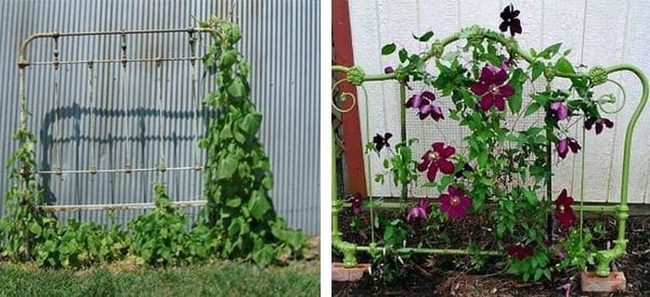
Old headboards sitting unused in bedrooms can find new purpose as striking garden structures that support climbing plants and vines.
When you repurpose a weathered headboard outdoors, it brings unexpected architectural character to your green space while giving forgotten furniture a meaningful second life.
Metal headboard designs work particularly well because they provide sturdy frameworks where delicate climbers and flowering plants can naturally wrap around and flourish.
Rustic wooden frames offer excellent mounting points too, and they blend seamlessly with garden surroundings while adding warmth to the landscape.
You notice that simple modifications to these pieces transform them into functional garden elements that feel both artistic and natural.
You don't need major renovations either; just positioning an old headboard against a fence or garden bed and training vines across it can completely change how your outdoor area looks.
This kind of creative recycling gives your garden genuine personality and makes it distinctly yours rather than generic.
Metal Coil Garden Climbers
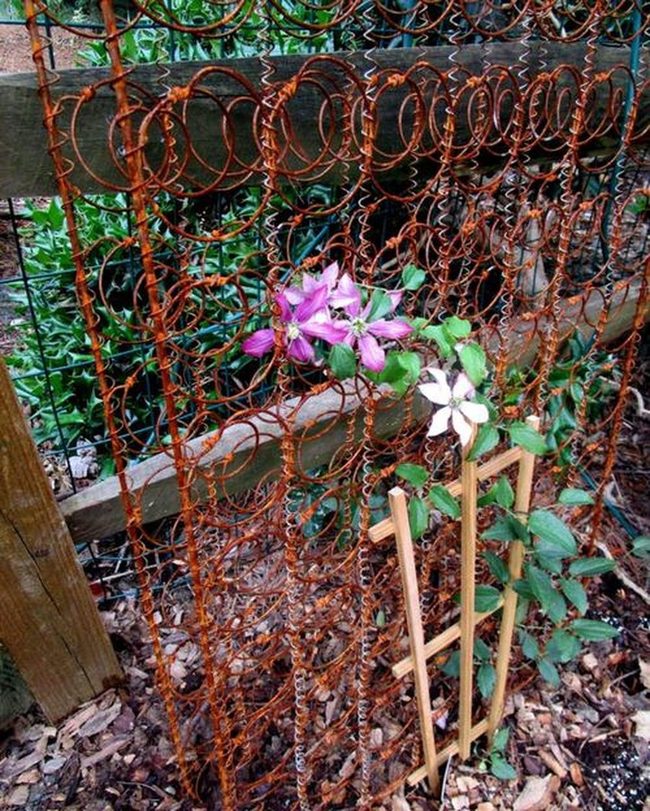
Old mattress springs become surprisingly striking garden structures when you repurpose the metal coils into climbing supports for your plants and vines.
Those discarded springs work wonderfully as vertical frameworks that let vegetables and flowering plants grow upward in interesting ways.
You can secure the pieces together with zip ties and wire to build sturdy infrastructure that holds up even heavy growth.
Garden beds feel more dynamic when metal coils weave through them, offering pathways for climbing varieties to explore as they reach toward the sun.
Beyond the visual appeal, this approach helps you cut down on waste by rescuing materials that would otherwise end up in landfills.
A nice touch is how this kind of upcycling brings an industrial-modern vibe to outdoor spaces without requiring any fancy materials or difficult assembly.
Your garden gains both function and character through this clever technique that transforms forgotten household items into something genuinely useful and interesting to look at.
Climbing Roses On Metal Hangers
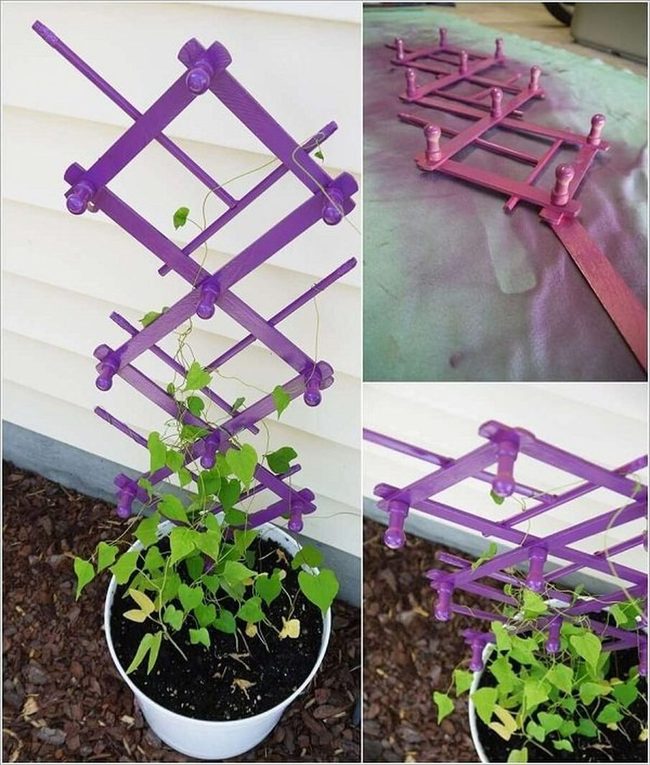
Hanger trellises transform forgotten coat racks into stunning garden structures where climbing roses, jasmine, and sweet peas can sprawl and flourish across repurposed metal frames.
Sybil Alfano's clever design shows how ordinary materials gain new purpose when you bend them toward gardening goals, and metal hooks provide natural anchor points for vines and delicate tendrils to weave through without fuss.
What makes this project so appealing is how accessible it remains; you need only simple tools and basic assembly skills to bring it together.
We love that this approach costs very little and respects the environment by keeping old items out of landfills while adding rustic warmth to garden spaces.
When you look for unexpected materials lying around, you'll discover creative landscaping solutions that spark joy and inspire anyone with a passion for growing things.
Breathing new life into forgotten pieces rewards both your wallet and your green space.
Wooden Wheels Growing Vines
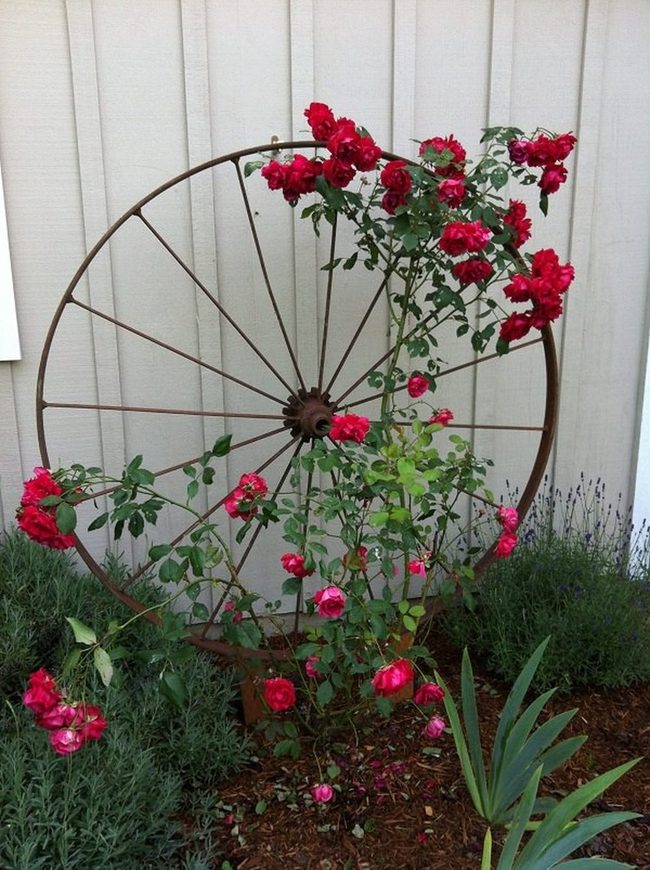
Wagon wheel trellises bring a striking rustic charm to any garden while serving as unexpected vertical growing spaces for your climbing plants.
Old wooden wheels work beautifully as natural supports for beans, peas, and morning glories, and the weathered spokes create perfect pathways where delicate tendrils can wind their way through the structure.
You'll need metal hardware or simple mounting brackets to secure the wheel firmly in place, ensuring it stays stable throughout the growing season.
Trailing vine varieties transform these vintage wheels into living garden art in just a few weeks, and soft green runners drape across the wooden surfaces to give your landscape a nostalgic feel.
Summer sunlight catches the trailing plants as they dance through the intricate wheel patterns, shifting and moving throughout the day.
Wooden Pallet Climbing Trellis
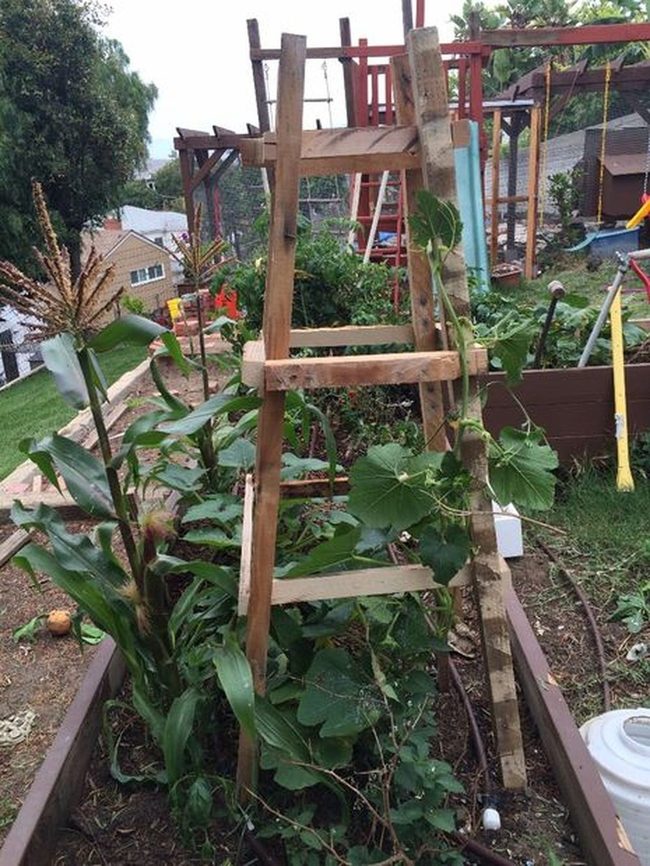
Recycled wooden pallets transform into sturdy vertical supports that let vines and vegetables climb upward, making them an ingenious recycling solution for gardeners working with limited space.
You can build these trellises yourself using basic woodworking skills and minimal tools, and the wooden slats naturally create perfect pathways for climbing beans, peas, and flowering plants to grow.
This project saves money since materials come from local hardware stores or salvaged pallets that would otherwise end up as waste.
Home gardeners appreciate how straightforward the construction process is and how affordable it becomes when you use discarded shipping materials.
The structures work beautifully in any garden layout and support heavy vines without much fuss.
We love that you get both a practical gardening solution and the satisfaction of reducing waste at the same time.
Metal Grid Climbing Plants
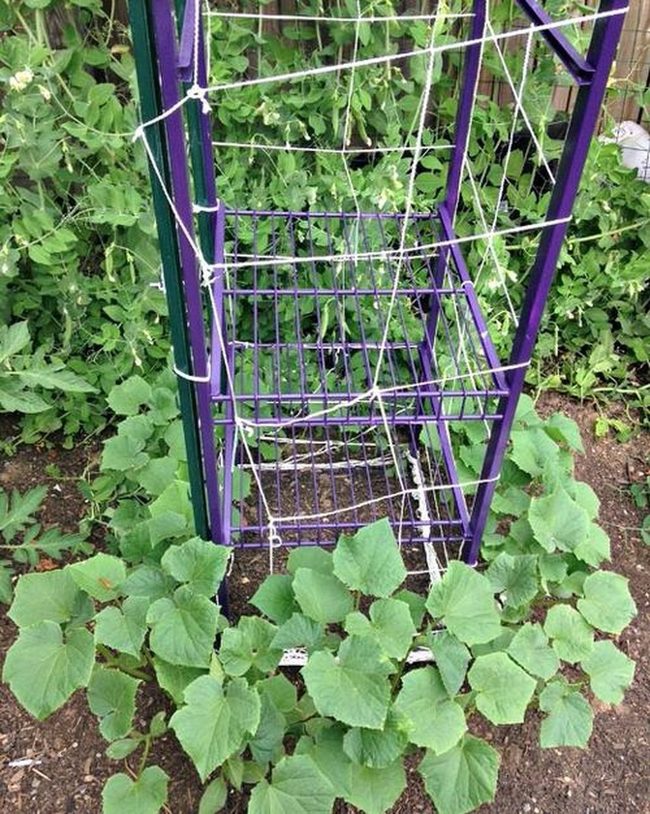
Old closet organizer trellises and metal shelving units work wonderfully as vertical garden supports for climbing plants, turning forgotten storage pieces into functional garden structures that cost almost nothing.
Wire grid designs offer excellent surfaces for delicate vines and flowering plants to climb, and you can enhance them dramatically with simple spray painting or by attaching them to wooden stakes.
These lightweight metal grids move easily around your garden space, so you can position them wherever you need them most.
Vegetables like peas and beans thrive when they have these structured climbing paths to grow along.
Budget-friendly garden design really comes down to spotting household materials you already have and finding new purposes for them.
With a little creativity and minimal effort, your garden gains height, visual interest, and productive growing space all at once.
Crystals And Climbing Vines
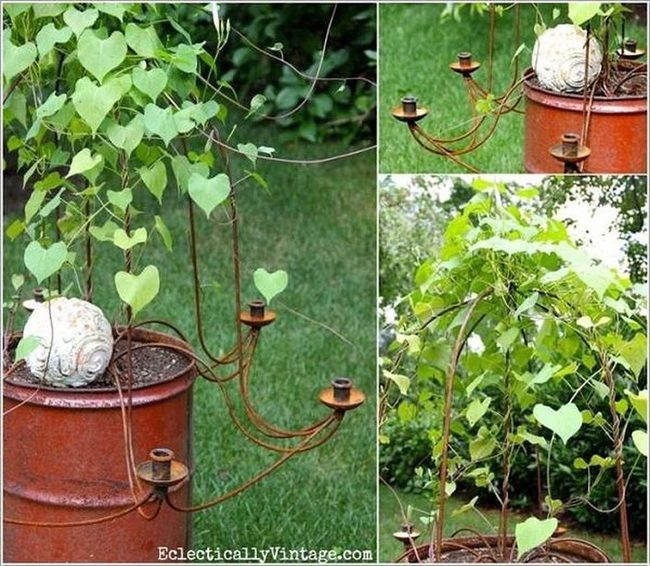
Hanging a sparkling chandelier trellis overhead brings whimsical garden drama as morning glory vines climb and weave through its crystal elements and metal arms.
Vintage lighting fixtures that might otherwise collect dust find new purpose supporting delicate plant tendrils and trailing blossoms in creative ways.
A nice touch is how upcycled chandeliers deliver unexpected visual interest without requiring extensive garden prep; you simply position your vines strategically and let them do the work.
Metal framework and hanging crystals offer the perfect architectural bones for climbing plants and add an artistic touch to your landscape design.
Turning discarded objects into functional garden art feels rewarding and keeps these beautiful pieces out of landfills.
These repurposed structures blend old-world charm with modern gardening solutions.
Smart recycling like this proves that sustainability and stunning garden design go hand in hand.
Reclaimed Crib Slats Climb Vertical
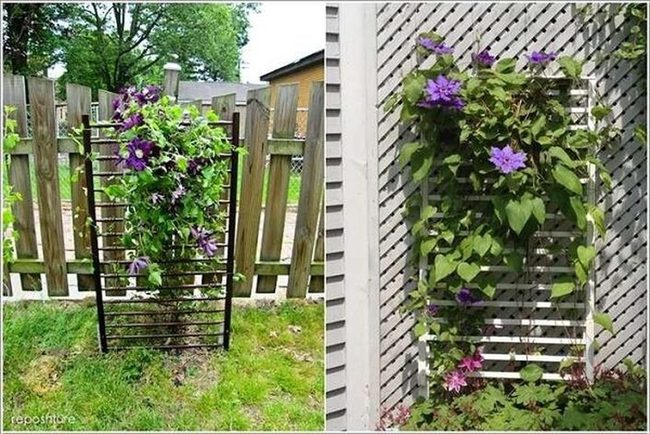
Repurposed crib sides create striking vertical structures in your garden that immediately draw attention and solve space challenges through clever recycling of old nursery furniture.
Those wooden slats and metal hardware from cribs become surprisingly sturdy supports for climbing vegetables like peas, beans, and cucumbers, as well as flowering vines that need somewhere to grow upward.
Since each salvaged crib has its own history and construction style, your garden ends up with unique features that feel personal and interesting rather than generic.
Beyond looks, these structures are genuinely reliable for holding plants throughout the entire growing season without falling apart.
You can train lightweight vines and vegetables up the wooden framework, and the metal components hold everything steady through wind and weather.
Budget-conscious gardeners especially appreciate how this approach stretches garden space vertically rather than eating up precious ground, making small yards feel bigger and more productive.
Natural Wood Branch Climbing Support
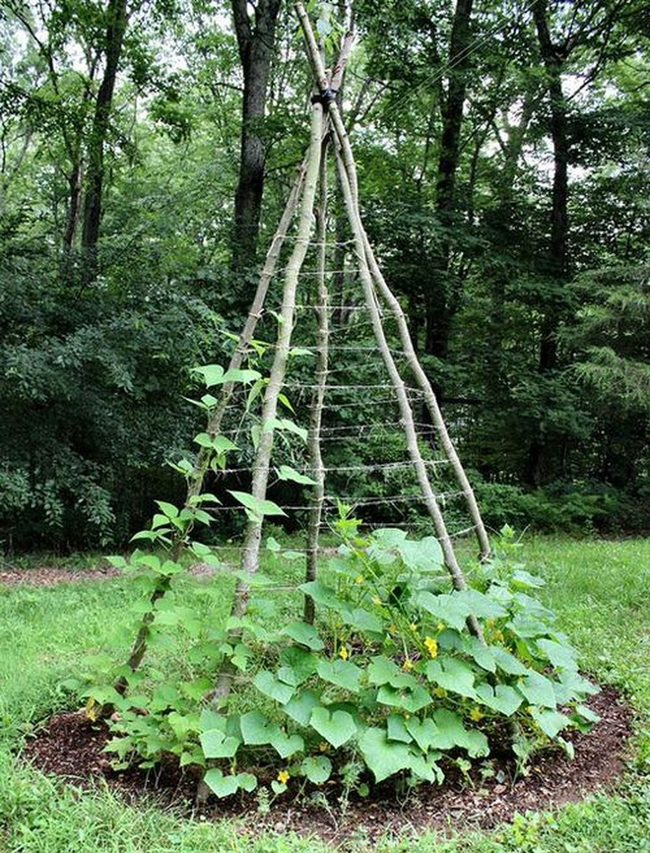
Tree branch trellises stand out in any garden with their striking rustic appeal, and they work wonderfully when you gather branches from your own yard to build them.
Sturdy branches connected with twine or wire create the support system that climbing plants like beans, peas, and flowering vines need to thrive and spread upward.
You can arrange these branches in teepee or ladder shapes to help plants grow vertically while keeping them stable and secure.
Beyond their good looks, these handmade structures solve a real gardening problem by giving climbing plants something sturdy to hold onto as they develop.
Natural wood elements bring texture to your garden space while also keeping things sustainable since you're reusing materials that might otherwise go to waste.
Making your own trellis saves money compared to buying one, and it lets you customize the design to match your garden's style and your plants' specific needs.
Upcycled Metal Umbrella Trellises
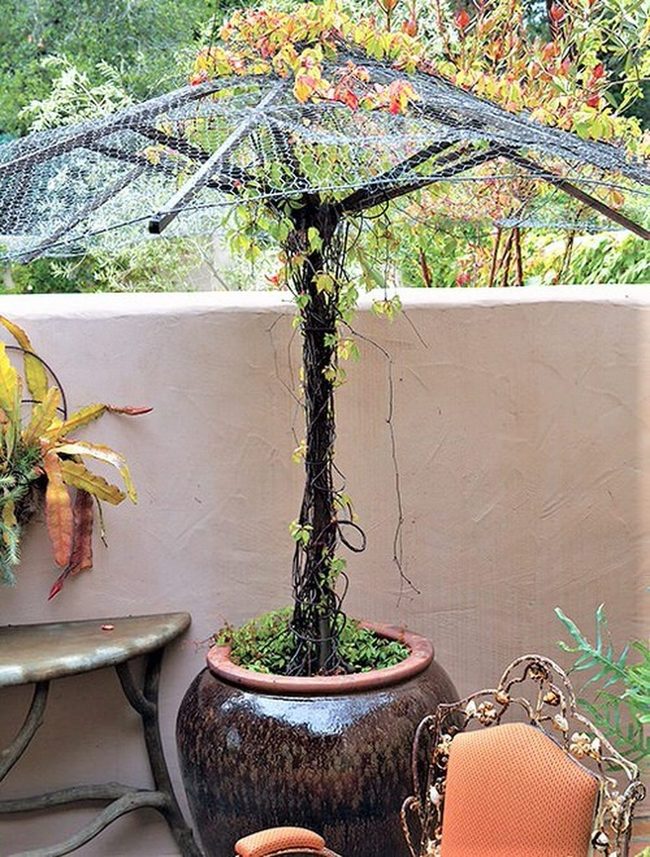
Metal umbrella teepee trellises transform old patio umbrellas into striking plant supports that add dramatic height and architectural interest to any garden space.
You can repurpose those forgotten umbrellas by repositioning their sturdy metal spines into elegant vertical structures that guide climbing plants like sweet peas and jasmine upward with natural grace.
Beyond the visual appeal, this approach saves you money since you avoid purchasing expensive trellising materials while creating functional garden art at the same time.
Crafty gardeners love how lightweight metal construction provides stable support for delicate vines without the bulk of traditional trellises.
When you consider how much personality these upcycled designs bring to green spaces, it's clear that gardening innovation doesn't always require new purchases.
Woven Wood Garden Structures
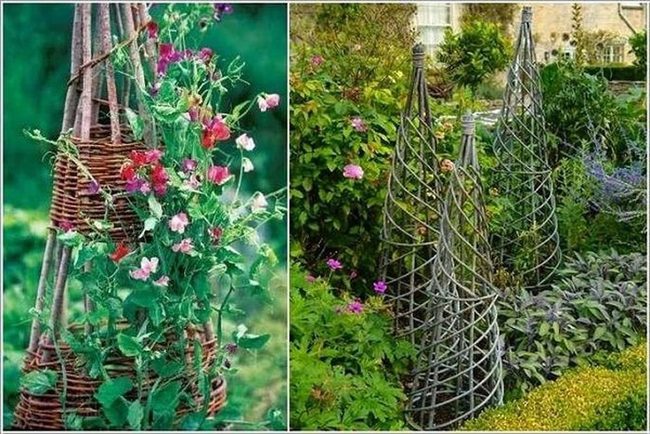
Branch trellises woven from fallen limbs and flexible wood create striking rustic structures that transform any garden space with natural artistry.
These handcrafted frames showcase the raw beauty of woodland materials while serving as functional supports for climbing vegetables and flowering vines.
You can bend and weave branches into structured designs that look sculptural and organic at the same time.
Strong intersecting limbs form stable frameworks capable of handling wind pressure and the weight of mature plant growth.
Climbing plants like beans, peas, and morning glories wind through the open branches as they grow upward.
A nice touch is how gardeners can adjust the size and shape of these trellises to fit their specific garden layout and plant varieties.
Each one becomes a unique landscape feature that celebrates both sustainable gardening and the simple beauty of natural materials.
Wooden Climbers Transform Garden Height
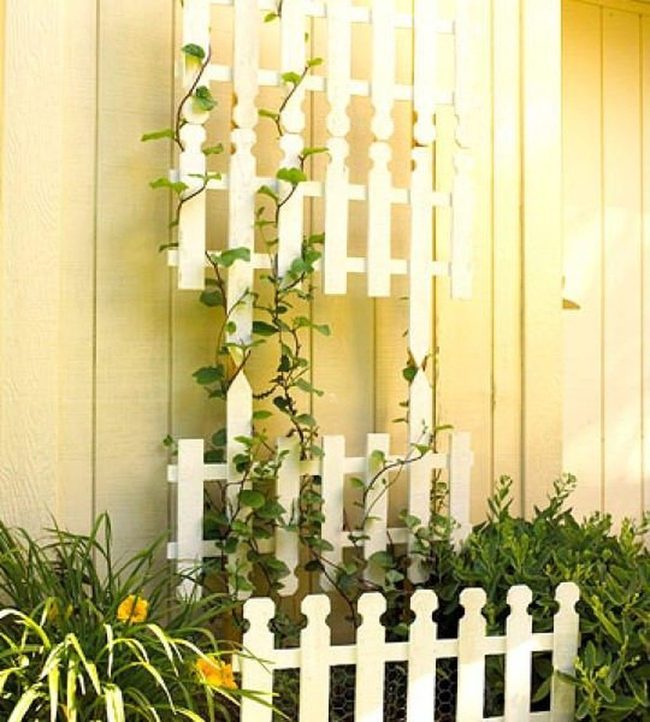
Garden fence trellises stand out as one of the most striking ways to bring height and visual richness to your outdoor space, and wooden fence panels convert remarkably well into vertical growing structures that support climbing roses, beans, and all sorts of vines.
Sturdy fence boards link together smoothly to form strong frameworks perfect for green climbers, and the weathered wood itself adds natural texture and character that makes your garden feel more established and alive.
Climbing plants will quickly weave through these handcrafted trellises, bringing movement and lush greenery to your garden borders.
Smart gardeners love this approach because it recycles existing materials with minimal expense and effort.
You can build these functional features with just simple tools like screws and basic woodworking skills, so the construction part stays straightforward.
Upcycled fence sections provide excellent support for delicate plant tendrils while looking far more interesting than standard store-bought options.
Backyard Branches Garden Trellis
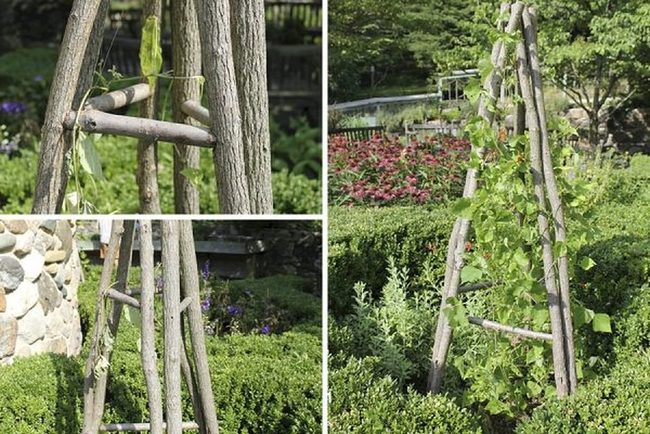
Rustic trellises built from twigs and branches you gather from your backyard or local park bring a striking woodland charm to any garden space.
Natural wood elements like these transform the way your garden looks with organic, earthy tones that feel authentic and grounded.
When you construct a simple trellis by connecting a few pieces of wood together, you get sturdy support for climbing plants such as beans, peas, and flowering vines to grow upward.
A nice touch is how these handmade structures work without needing to buy expensive materials or complicated tools.
Your garden becomes more sustainable when you use what nature already provides instead of plastic or metal alternatives.
The eco-friendly approach shows through in every trellis you make, and you'll find that gardeners appreciate designs that benefit the environment.
Building these structures yourself means you can customize them to fit your specific space and plant needs.
Weathered Wood Garden Trellises
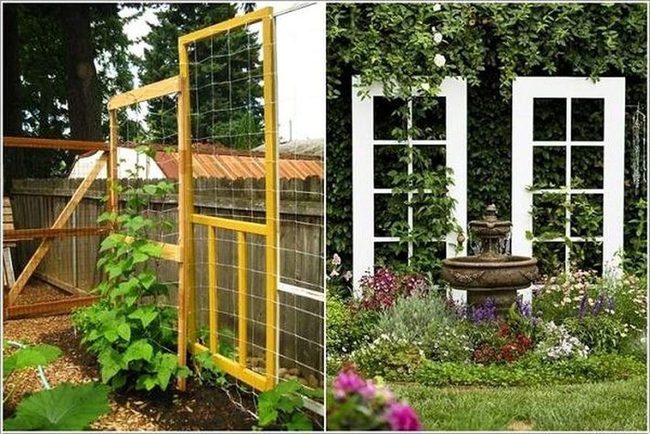
Repurposed wooden doors and window frames standing upright in your garden create striking vertical structures that support climbing plants and trailing vegetables while showcasing weathered wood as a beautiful backdrop.
Metal hinges and decorative details on these vintage pieces add unique architectural interest that elevates your entire garden space.
Beyond the visual appeal, old doors function as sturdy frameworks that help plants grow upward and make better use of limited garden space.
You get the benefit of rustic charm mixed with practical support for flowering vines and climbing vegetables.
Recycling abandoned materials into garden trellises reduces waste and keeps old pieces out of landfills.
These innovative transformations demonstrate how sustainable design works in real gardening situations.
Taking this approach means you're solving a gardening problem while adding character and history to your outdoor area.
Natural Bamboo Garden Vertical
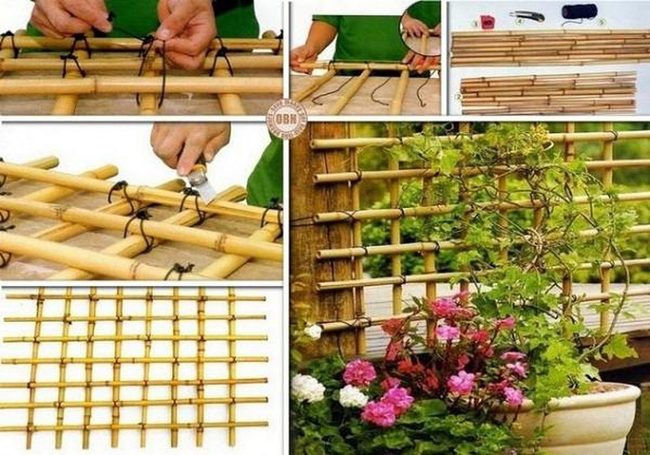
Bamboo trellises stand out as striking vertical structures that bring dimension and visual appeal to any garden space, and their natural poles interlock smoothly to form sturdy frameworks perfect for supporting climbing vegetables and flowering vines.
Raw bamboo delivers incredible strength paired with a lightweight design that blends seamlessly into green surroundings, making it one of the best natural options for garden support systems.
When you build your own trellis, you gain complete control over the height and width to match your specific garden layout and plant needs.
Peas, beans, and morning glories will eagerly wrap around these organic supports as they grow throughout the season.
Since bamboo comes from sustainable sources, you can construct an attractive garden feature without breaking your budget.
Both rural and urban gardeners appreciate how these handmade structures add practical plant support while enhancing the overall look of outdoor spaces with their charming, natural appearance.
Juan Martínez
Founder & Lead Designer
Expertise
Modern & Contemporary Decor, Gothic & Dark Aesthetic, Coastal & Beach Style, Farmhouse & Rustic Decor, Outdoor & Garden Design, Nursery & Kids’ Room Design, Kitchen and Bathroom Remodeling, Unique & Specialty Spaces, Living Room and Bedroom Styling
Education
Universidad de los Andes (Bogotá, Colombia)
Pontificia Universidad Javeriana (Bogotá, Colombia)
Juan Martínez, Founder & Lead Designer of columbia-artists.com, grew up in Bogotá, inspired by the city’s mix of old and new architecture. He studied Interior Design at Universidad de los Andes and earned an Advanced Interior Architecture Certification from Pontificia Universidad Javeriana.
With 10 years of experience, Juan has transformed homes across Colombia and beyond, blending modern design with cultural craftsmanship. Through columbia-artists.com, he shares expert tips and inspiration to help homeowners create spaces they love.
Outside of design, Juan enjoys exploring markets, mentoring designers, and celebrating Colombian artistry.