
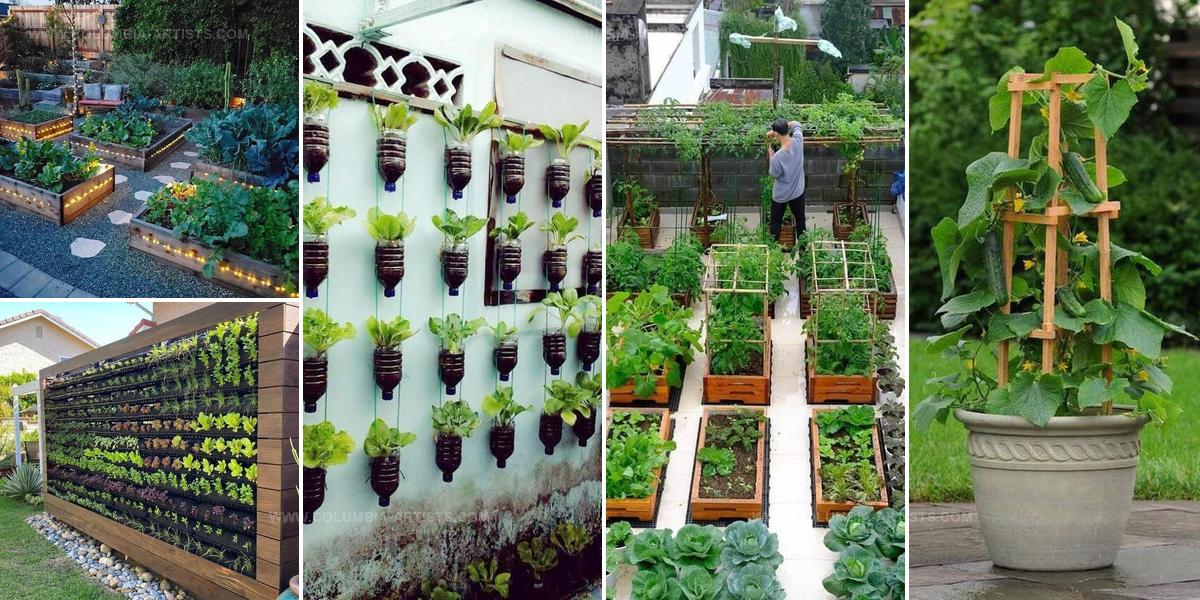
20 Vegetable Gardening DIY Ideas to Grow Fresh Food
Homegrown vegetables offer fresh flavors and endless satisfaction when cultivated through creative DIY gardening methods.
Growing food at home connects us to nature while providing nutritious produce for daily meals.
Container gardens, raised beds, and vertical planters make vegetable cultivation possible in spaces of any size.
Small backyards, balconies, and patios can become productive growing areas with smart planning and resourceful techniques.
Simple projects using reclaimed materials help minimize costs while maximizing harvests throughout the season.
Whether planting tomatoes, leafy greens, or root crops, hands-on approaches bring remarkable results without requiring professional expertise.
Drum Container Vertical Gardens
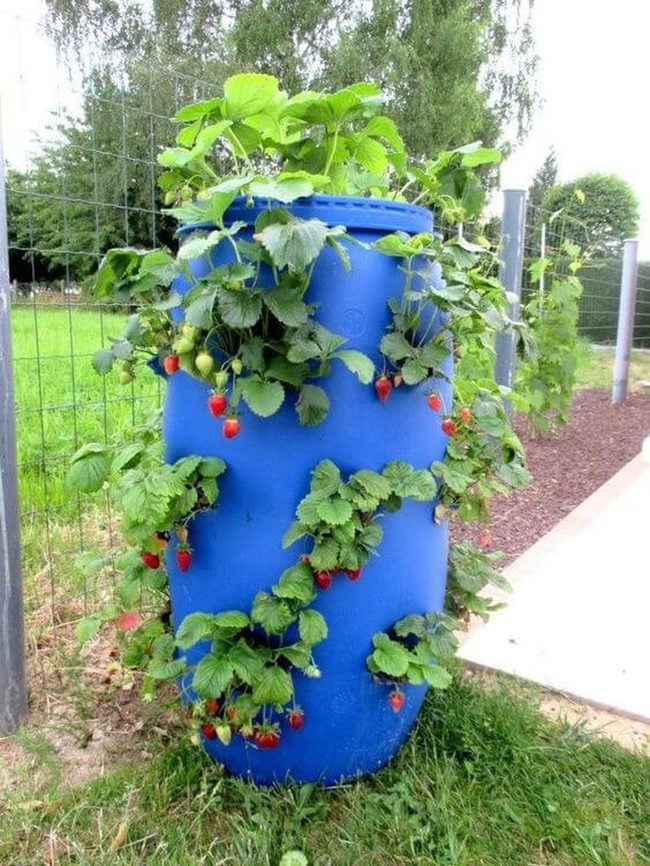
Drums repurposed as gardens make a bold statement in any outdoor space, and their round shape gives you plenty of room to grow multiple plants in one spot.
You'll find that caring for your plants gets easier when everything sits at a convenient height, so reaching your greens and watering them takes just minutes each day.
Since these containers are portable, you can move them around your yard to follow the sun or rearrange your space whenever you want something different.
Nutrients and water reach your plants consistently, and the drainage works well when you set things up right.
Growing vegetables, herbs, or flowers in repurposed drums feels rewarding and practical at the same time.
You have a way to enjoy fresh produce or blooms while keeping your gardening routine straightforward and hassle-free.
Winter Vegetables Fresh Year-Round
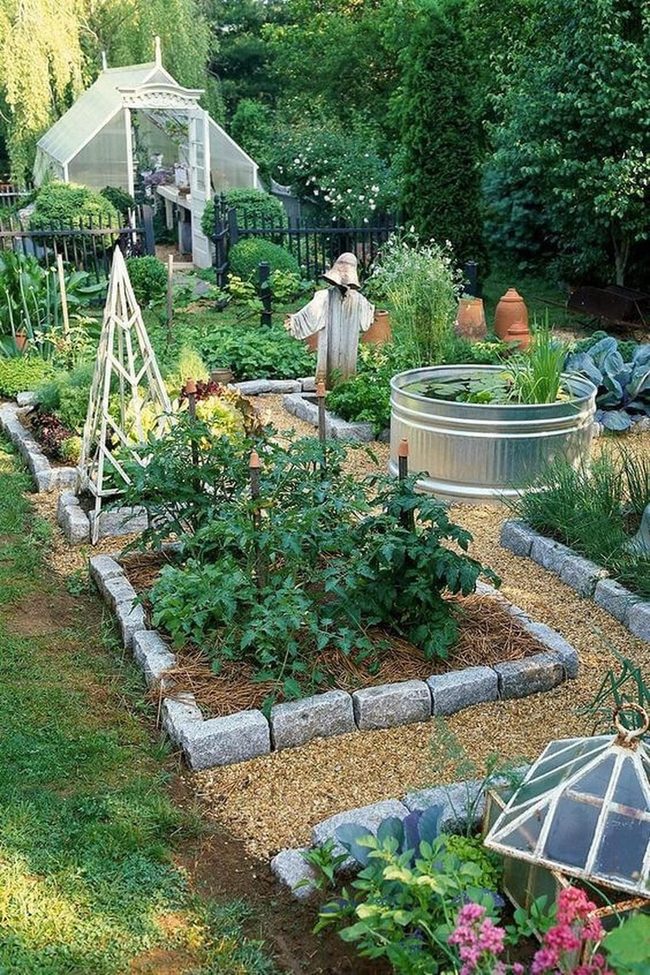
Greenhouses stand out as one of the best ways to grow vegetables year-round since they shield plants from cold weather and frost while letting sunlight through.
This makes it easier to harvest fresh produce during winter months when gardens normally sit dormant outside, and this means your kitchen always has herbs and vegetables ready to use.
Building a greenhouse next to your regular garden gives you flexibility; some crops grow outdoors while tender plants stay protected inside.
Plants respond well to this setup because they get consistent warmth and moisture control that outdoor conditions can't always provide.
Your cooking projects benefit too since you have access to ingredients whenever you need them rather than waiting for seasonal harvests.
Many gardeners find that combining both methods works best for their space and lifestyle.
Whether you start small with a basic frame or invest in something larger, a greenhouse opens up new possibilities for what you can grow and when you can enjoy it.
Twilight Herb Garden Under Lights
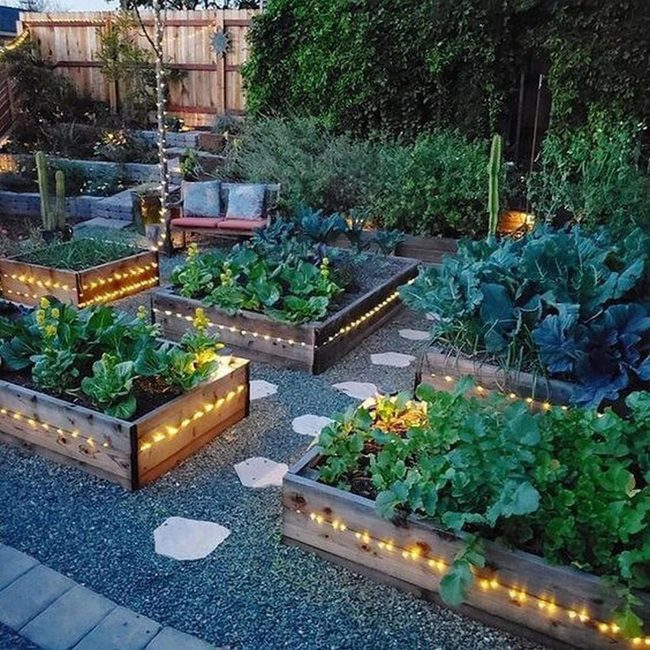
After dark, a well-lit potager garden becomes a destination where you naturally want to spend time, and raised beds keep your plants organized while making daily care simple and efficient.
String lights overhead add sparkle to the evening sky, transforming your growing space into somewhere you'll enjoy lingering once the sun sets.
Harvesting fresh herbs and vegetables while gathered with others under gentle light turns an ordinary evening into something memorable and relaxing.
Vertical Abundance Layered Gardens
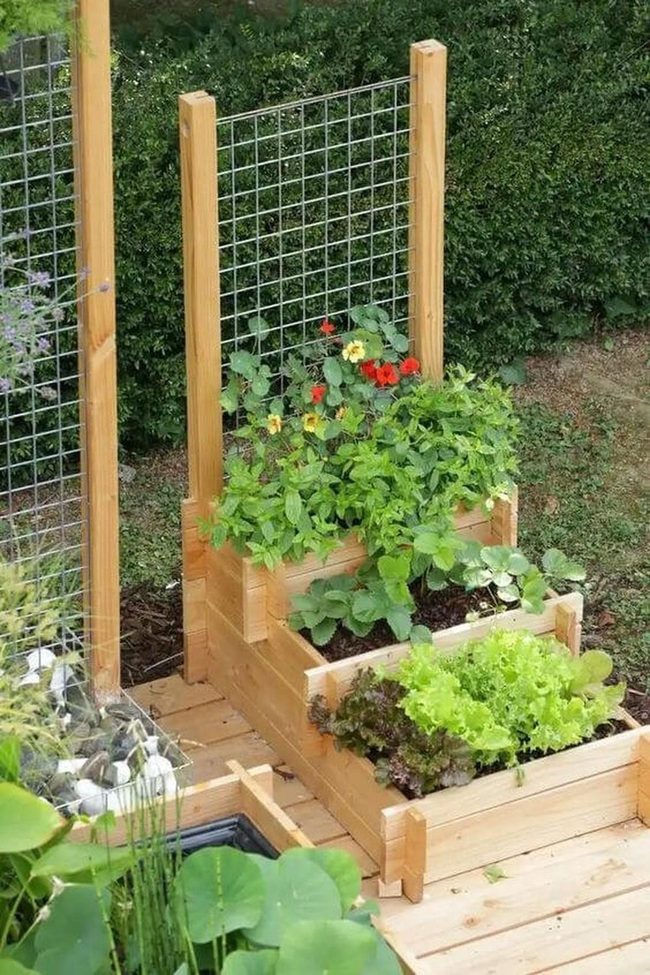
Stacked vegetable gardens rise above ground and immediately draw attention with their layered structure and abundance of plants spilling across each level.
You get more space to grow your vegetables when you build upward instead of spreading outward, and the extra room means you can plant more varieties in the same footprint.
Most people love adding a trellis to the top tier because climbing plants naturally grow upward and create a lush backdrop for the whole setup.
Beans, peas, and cucumbers flourish on these structures and fill your garden with greenery and texture.
When everything comes together, your raised bed becomes a statement piece in the yard that looks as good as it functions.
Friends and family notice the effort you put into organizing your space, and you'll find yourself spending more time outside tending to your plants.
Companion Plants Grow Together
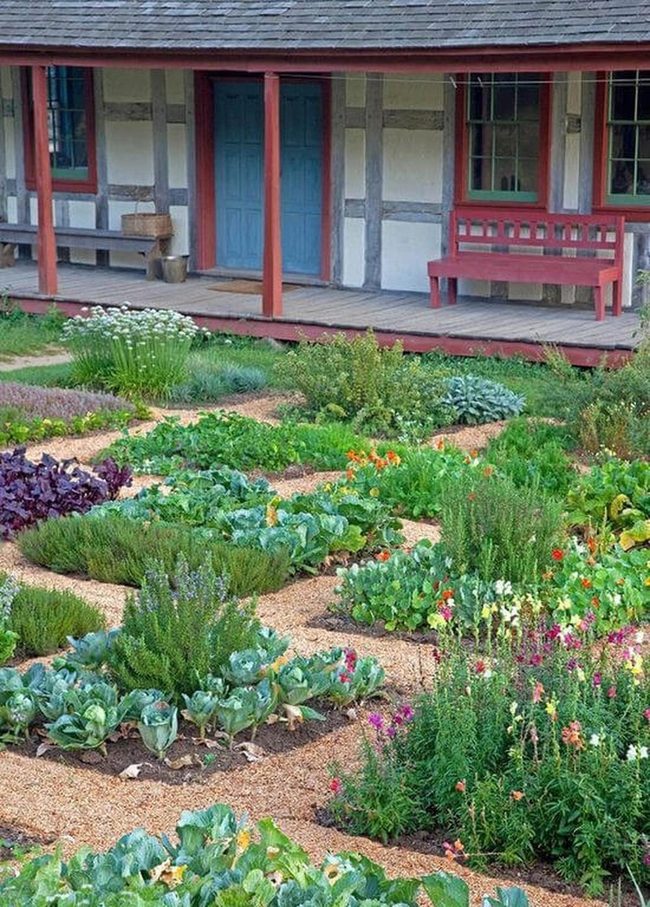
Growing vegetables together that help each other thrive brings life and flavor to your kitchen while keeping plants healthy and strong.
Pairing plants with the same watering and sunlight needs means you build a garden system where everything flourishes without fighting for resources.
You end up with a space that looks beautiful and feels alive, and the variety means this gives you room to enjoy different tastes and textures in your meals.
Nature does the work for you when you let plants support one another instead of competing.
This method turns your garden into something that feels natural and abundant rather than scattered.
Your garden becomes both more productive and more pleasant to spend time in when you think about how plants relate to each other.
Climbing Vegetables Reach Skyward
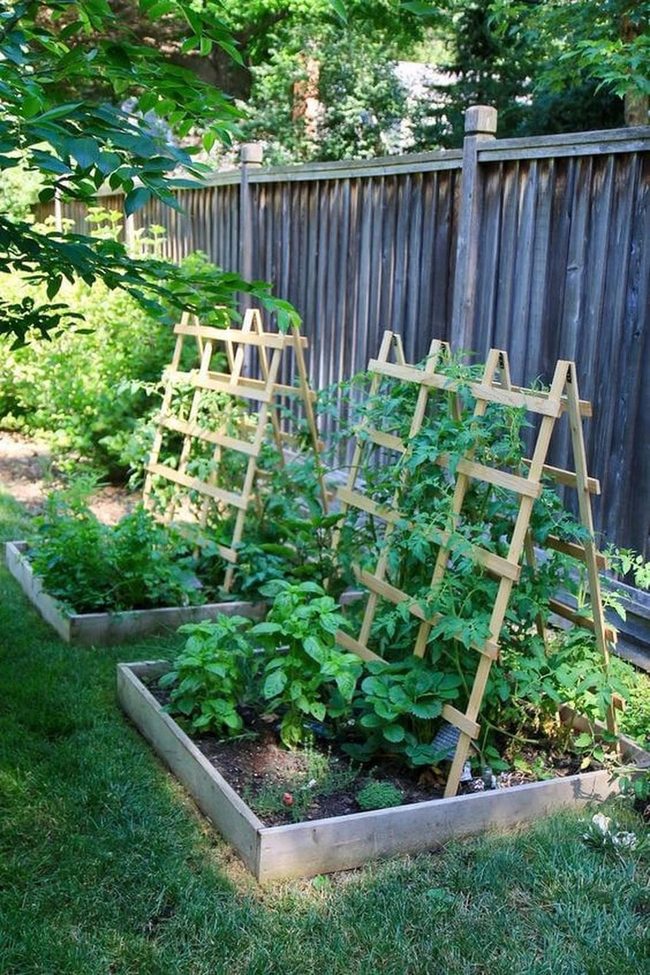
Limited space shouldn't stop you from growing vegetables, and a trellis is one of the best ways to make it happen.
By training your plants to climb upward, you free up valuable ground space and add an eye-catching vertical dimension to your yard at the same time.
It's genuinely rewarding to watch vegetables reach toward the sky instead of spreading across the ground, and this method refreshes how we typically think about growing food outdoors.
When plants grow upright, they get better air circulation and sunlight exposure, which often means healthier harvests and fewer disease problems.
You also end up with easier access to your vegetables since they're right there at a comfortable picking height rather than down near the soil.
Plus, the look of a well-planted trellis packed with growing vines adds real interest and texture to even the smallest outdoor space.
Single Pot Pickle Garden
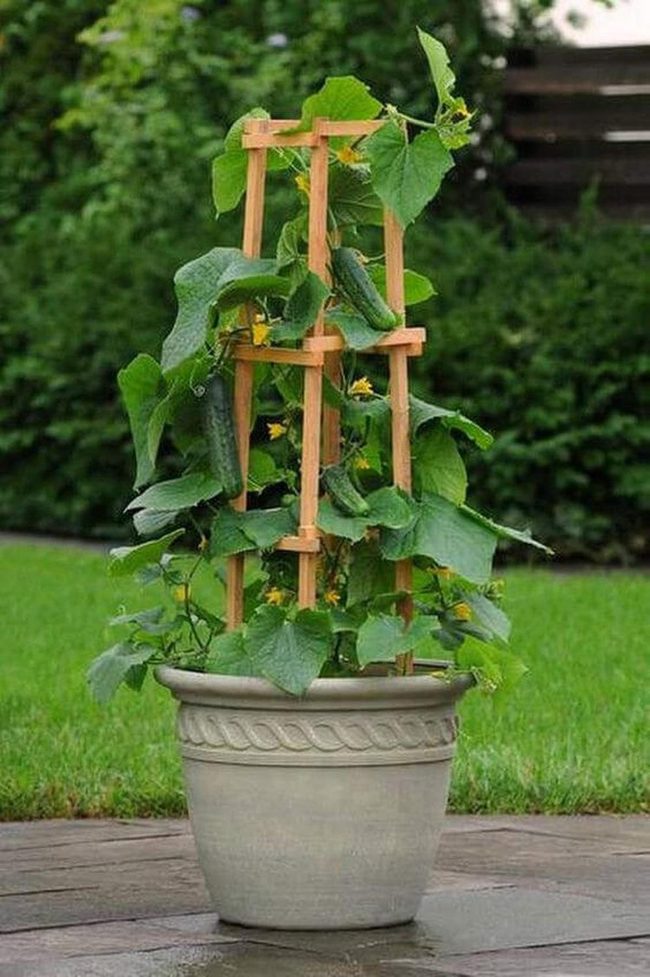
Growing your favorite plant in a single pot makes gardening simple and keeps your space neat, while a sturdy support structure helps the plant thrive and look beautiful as it grows.
Fresh pickles from your own small garden deliver real satisfaction and bring joy straight to your kitchen.
Good supports do more than just hold plants up; they guide growth in healthy directions and add visual interest to your garden area.
You'll find that tending to a single potted plant requires less effort than managing multiple containers, so you can enjoy the rewards without feeling overwhelmed.
Having fresh homegrown produce ready when you need it changes how you cook and eat at home.
It's rewarding to step back and see your plant flourishing with proper care and structure.
Vertical Garden Wall With Gutters
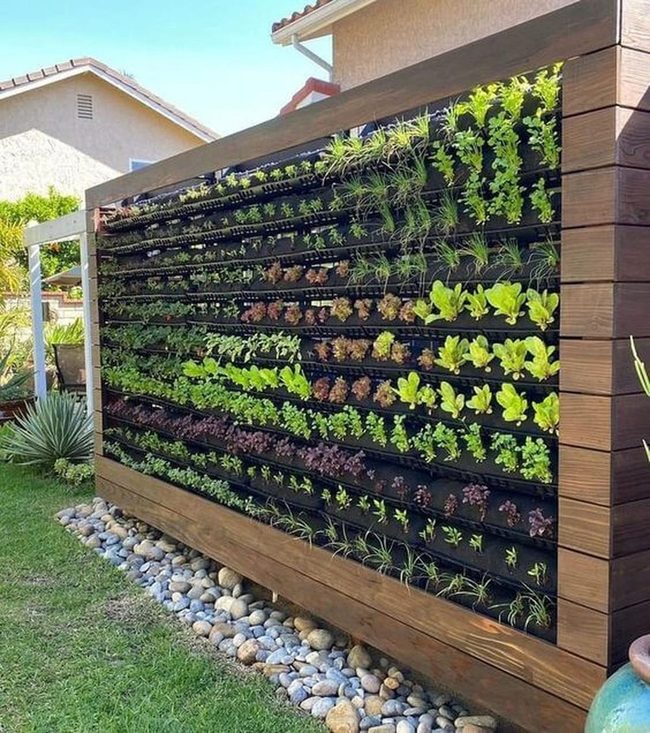
Living wall of plants stretches upward and demands attention in ways that ground-level gardens simply cannot match, solving pest problems while you grow food in almost no space at all.
A nice touch is how repurposed gutters and pipes become functional art on your walls, turning everyday materials into something useful and different from what most people do.
Shallow-rooted plants like thyme and kale thrive in these setups, which means I can see how the design lets you harvest fresh herbs and greens without wrestling with deep soil or heavy maintenance.
This method works especially well if you have limited room or just want to keep gardening simple and rewarding.
Petals Boost Garden Health And Color
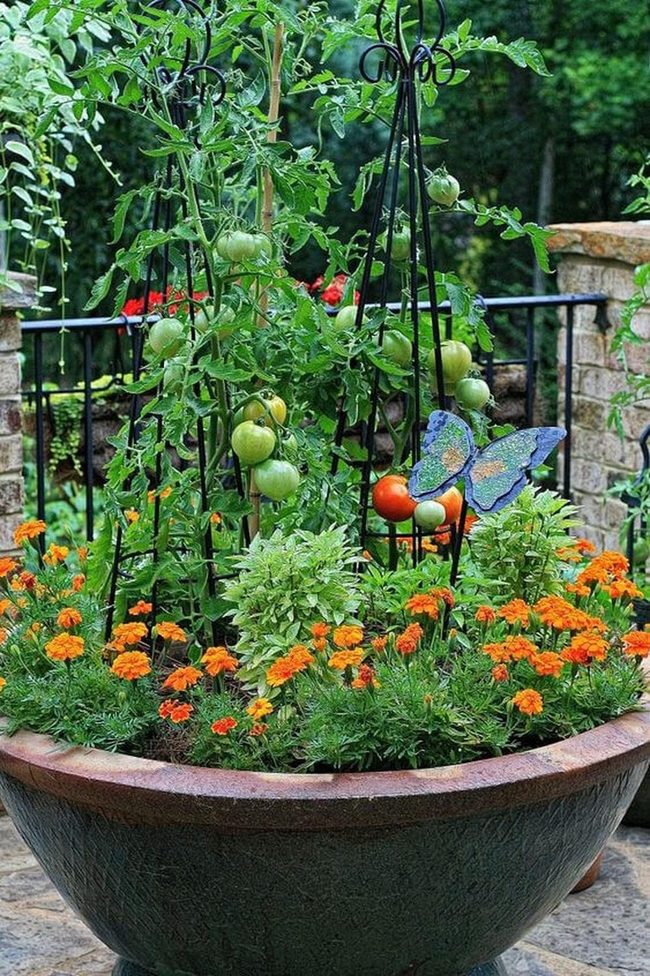
Colorful flowers transform your garden into a lively outdoor space that stops you in your tracks, and they do more than just look beautiful.
Blooms attract pollinators and beneficial insects that help keep harmful pests away from your plants, which means your greenery stays healthier and stronger.
When you surround your garden with bright flowers, you get layers of color and texture that make stepping outside feel rewarding.
The variety of petals and hues gives your outdoor area personality and charm that simple greenery alone cannot provide.
Flowers also bring seasonal changes to your space, so your garden shifts and evolves throughout the year.
If you want to boost your garden's appeal without much extra work, adding flowers is one of the easiest moves you can make.
Living Green Edges
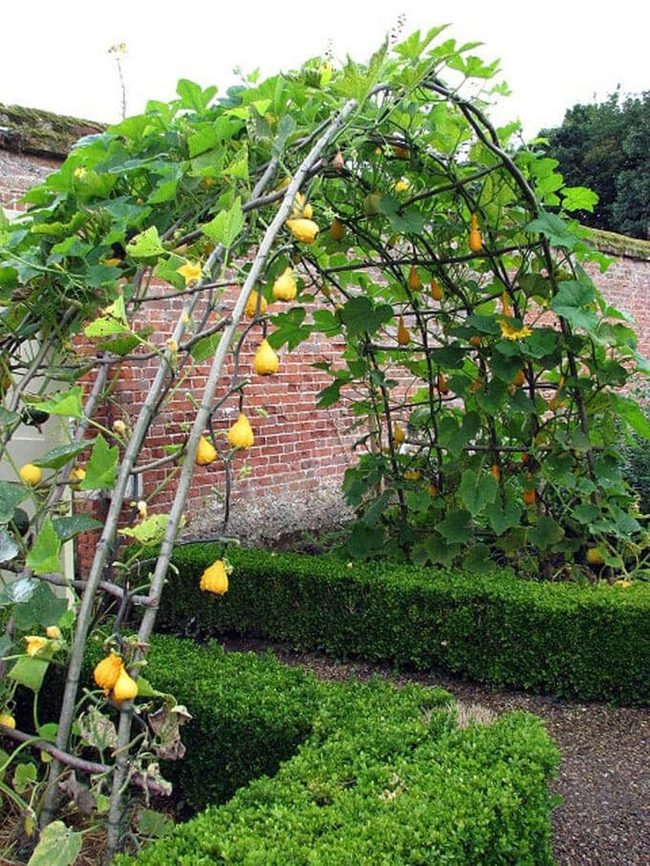
When you step into a garden that celebrates nature's beauty, you immediately notice how sustainability shapes everything you see, and the all-natural look brings genuine peace to outdoor spaces.
Living trellises made from plants support climbing vines while fitting right into the lush surroundings without standing out as separate structures.
Edging tools help you keep your lawn looking sharp and defined, and they maintain that organic, earthy feel at the same time.
Caring for plants this way means your garden stays healthy and beautiful without fighting against nature.
I think the best gardens let you experience simplicity and greenery together in a balanced way.
Living Vines On Vertical Wood
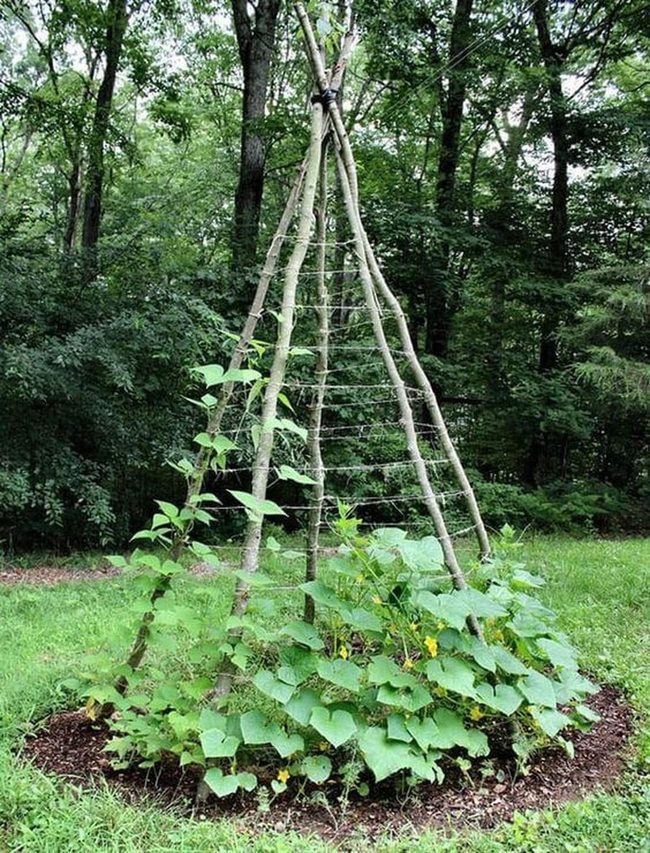
Garden trellis transforms your outdoor space by supporting climbing plants that spread across the structure in natural patterns and create visual interest throughout the seasons.
You can watch as vines and flowers gradually cover the framework, building layers of green that add depth and movement to what might otherwise feel plain.
A nice touch is how this approach works because it brings life to vertical spaces and makes even a small yard feel fuller and more dynamic.
Climbing plants do the work for you, growing upward and outward while you simply guide them where you want them to go.
Your garden becomes a place where nature and structure blend together, with greenery framing pathways or seating areas in a way that feels both organized and relaxed.
It's one of those solutions that gives you real dimension without needing much effort once the plants get established.
When you step back and look at how a trellis fills your yard with height and natural beauty, you'll see how much it improves the whole space.
Metal Tank Garden With Twinkling Lights
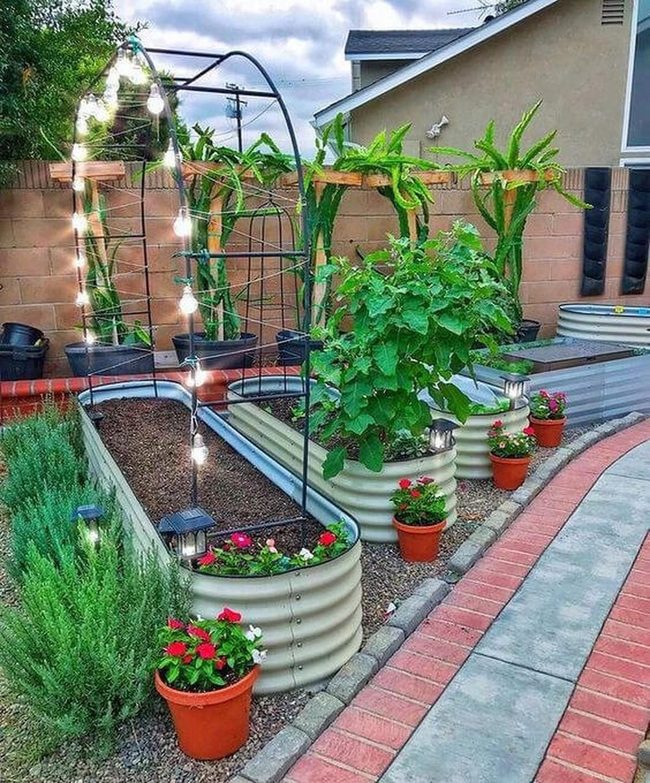
Stock tanks work wonderfully as garden beds when you apply a little imagination, and their sturdy construction gives you easy access for planting and weeding without straining your back.
Draping decorative lights around the edges brings out the beauty of your flowers at dusk, while a trellis adds height and structure that makes the whole setup feel more intentional.
You can walk through your garden in the evening and enjoy how the lights dance across the plants, and the climbing vines give the space dimension that draws the eye upward.
These simple additions transform a basic metal tank into something that feels like a proper garden feature rather than just a functional container.
Strawberries Cascading From Hanging Baskets
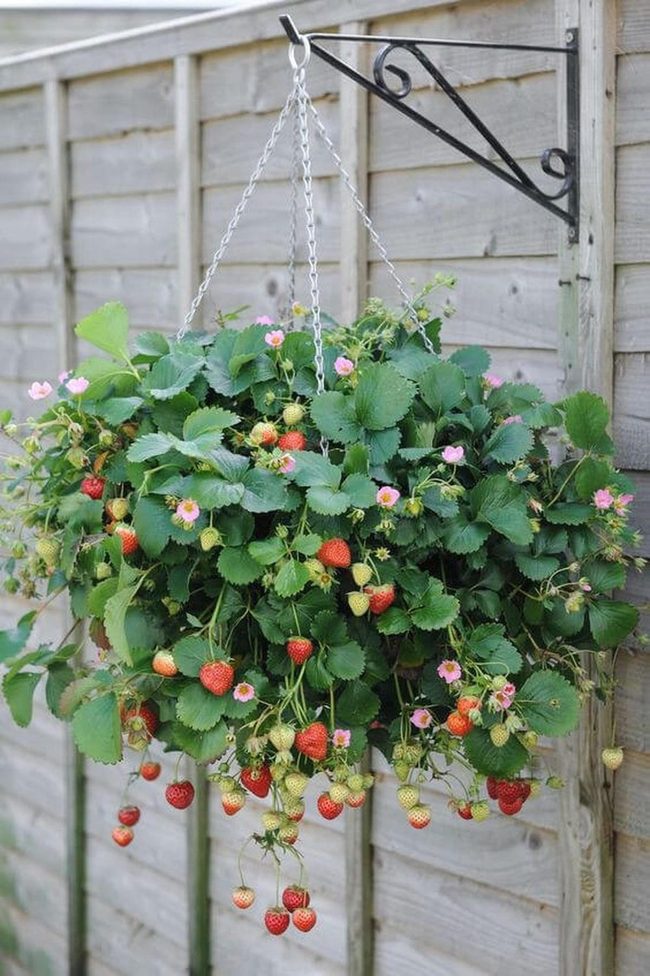
Hanging baskets offer an excellent way to start gardening if you're new to growing plants, and strawberries make a particularly rewarding choice since they deliver both visual appeal and delicious fruit within arm's reach.
You can simply enjoy fresh harvests while watching the plants thrive in a setup that takes up minimal space.
Best of all, you can scale your growing project up or down based on how much time and energy you want to invest.
Maybe you start with one basket and add more later, or perhaps you prefer keeping things simple with just a single container.
Either path works perfectly and lets your garden match your actual schedule and interests.
Since these plants adapt well to different conditions, adjusting your setup becomes straightforward.
You maintain full control over what works best for your home and your habits.
Vertical Garden Mesh Structure
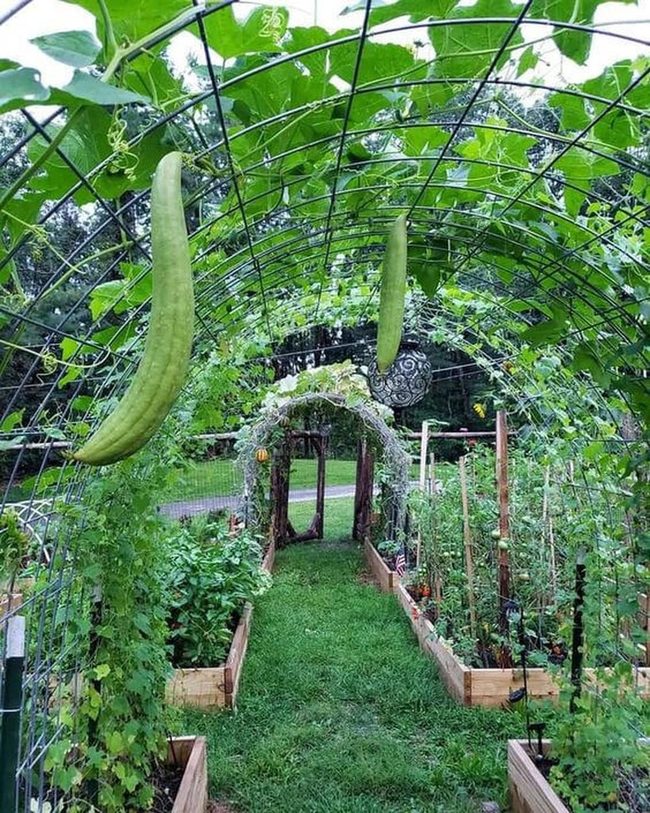
Wire mesh trellises stand tall in your garden as a backbone for climbing vegetables, and they let your plants grow upward without tangling together or fighting for space.
Because these structures cover so much surface area, you can fit several plants on one trellis and watch them spread out beautifully.
A nice touch is how simple it becomes to reach your crops and tend to them when everything grows vertically instead of sprawling across the ground.
Your backyard gets that neat, organized look while you harvest vegetables more easily than you would from plants lying flat.
Managing water and air flow around your plants becomes straightforward when they're stacked up on a framework.
Growing food this way means you get more vegetables from less ground space, and the view of all those green vines climbing up the mesh is pretty satisfying to see every day.
Tupperware Garden Containers Reimagined
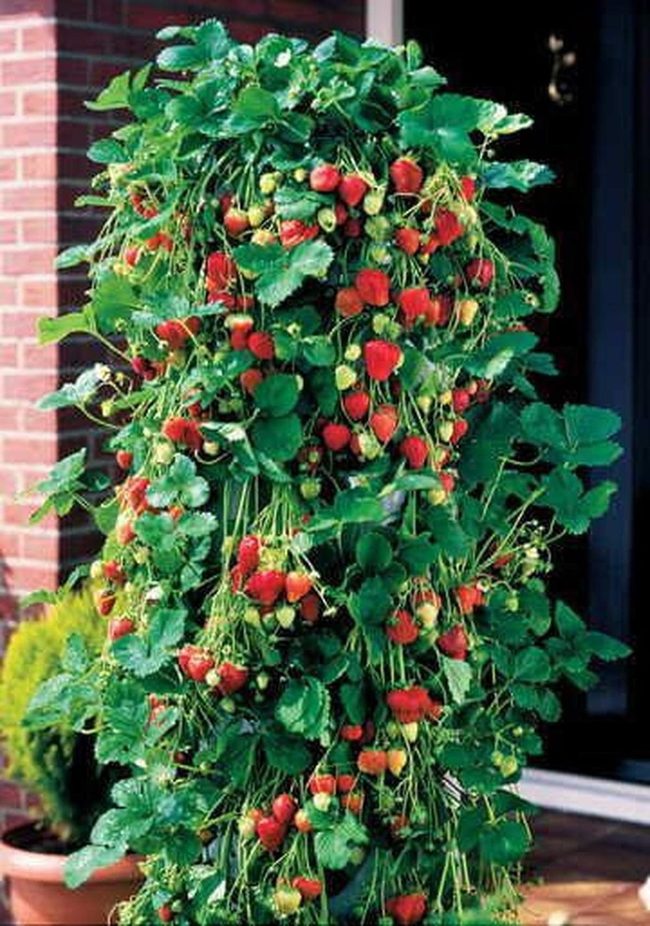
Planters made from everyday items like Tupperware and hanging containers can completely change how your vegetable garden looks and feels.
A nice touch is how these unconventional choices save precious space while adding fun personality to your growing setup.
What really matters is making sure each container has proper drainage holes so water doesn't sit around and harm your plants.
When you mix practical solutions with creative repurposing, you get a garden that works well and looks different from what most people expect.
Your vegetables will thrive when they have the right conditions, and you'll enjoy the whole experience so much more.
Playing with non-traditional containers opens up new ways to garden and lets you work with whatever materials you have on hand.
It's honestly one of the easiest ways to make your space feel fresh and uniquely yours.
Orange Pumpkins On Vertical Trellis
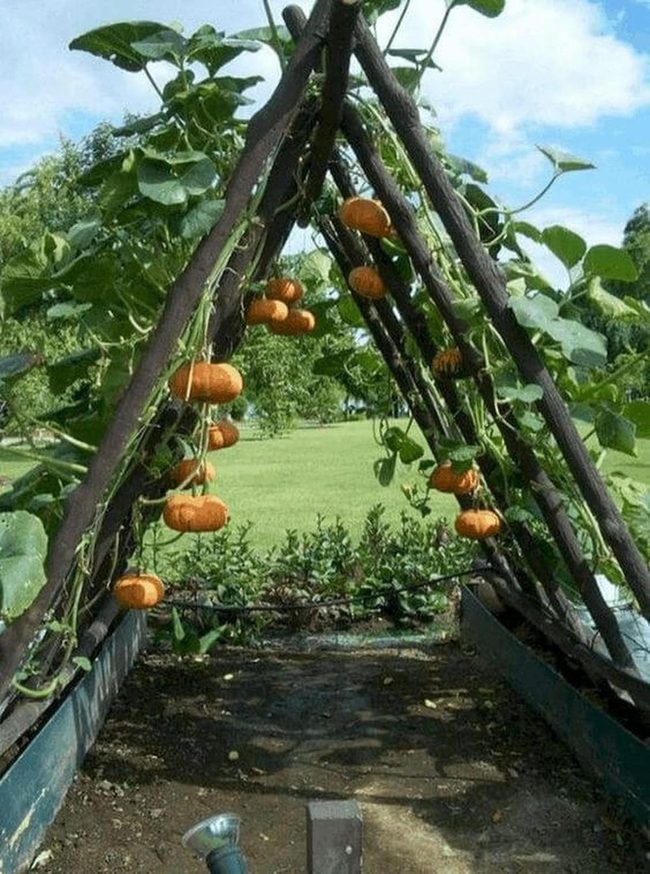
Watching bright orange pumpkins climb high on a sturdy trellis gives your garden a striking vertical display that catches attention from every angle.
The detail that stands out is how this setup keeps your fruits safely elevated and away from ground-dwelling pests and diseases that can damage them.
A solid trellis structure does double duty by supporting the weight of growing pumpkins while also letting air flow freely around them, which helps prevent issues from heavy rains and moisture buildup.
Building one isn't complicated, and you can use wood, metal, or sturdy string to guide your plants upward as they develop.
Rain rolls off more easily when pumpkins sit higher up, protecting them from rot and fungal problems that happen in damp conditions.
Vertical Bottle Herb Gardens
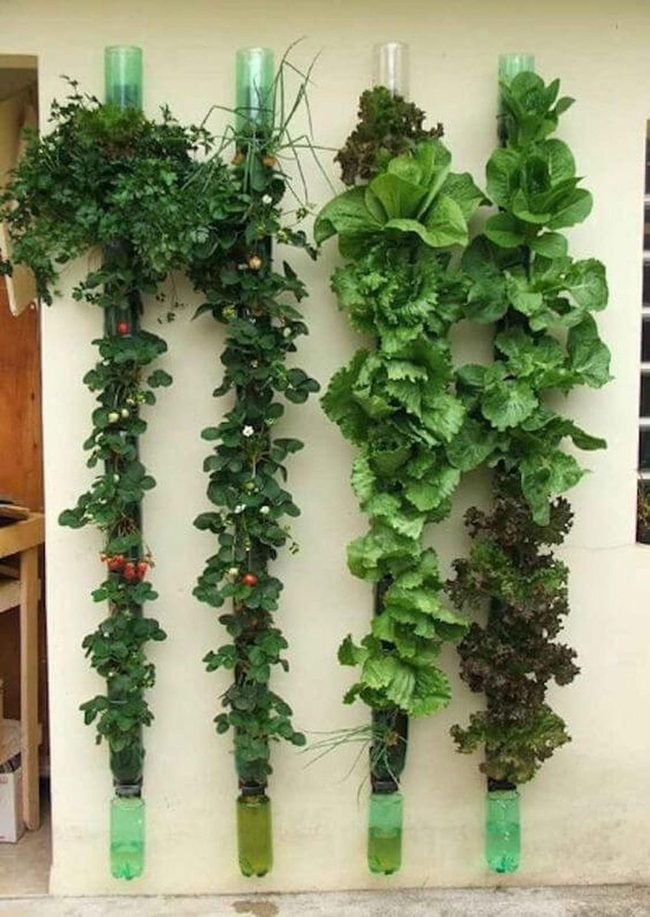
Stacked bottle gardens bring a fresh approach to growing herbs and vegetables in tight spaces like balconies and small yards, and they look striking while doing it.
A nice touch is how eco-friendly this method is since it uses less water and fertilizer than traditional gardening.
You can arrange bottles vertically to save room and get more plants in the area where you need them.
Growing your own fresh herbs and vegetables brings real satisfaction, especially when you're using such a clever system.
The setup catches attention and makes people curious about what you're doing.
Plus, you'll feel good about being resourceful and reducing waste at the same time.
It's one of those projects that works for anyone, whether you're an experienced gardener or just starting out.
Layered Green Canopy System
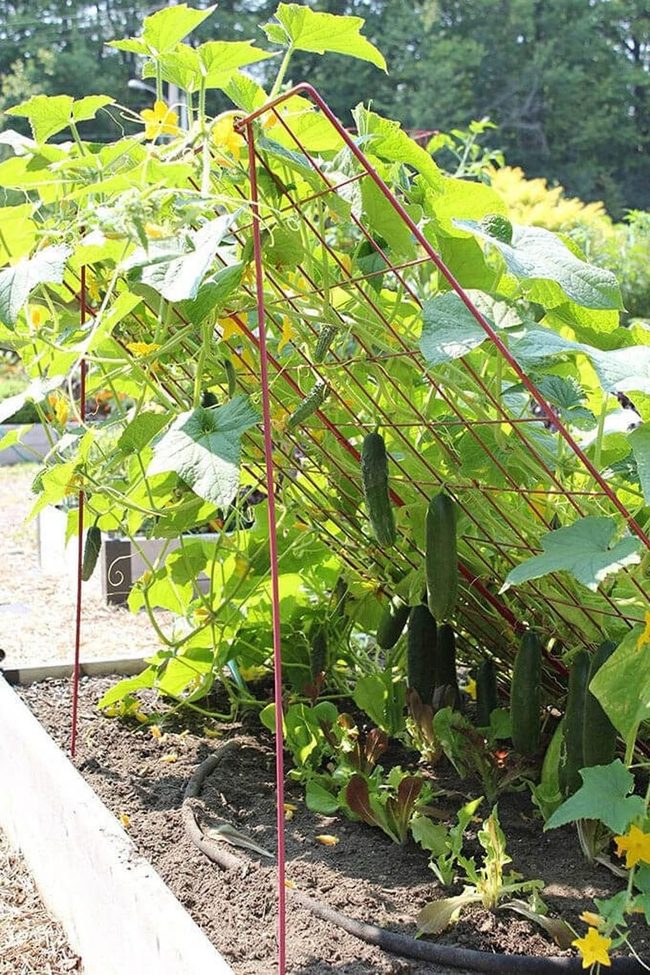
Multipurpose trellis does far more than support climbing plants; it also shelters delicate flowers growing below by forming a natural canopy as vines stretch upward and filter intense sunlight from reaching tender greens.
A nice touch is how this smart design maximizes your garden space while nurturing the ecosystem underneath, and you'll see how the layered greenery creates depth and dimension that makes any garden feel larger.
When vines climb higher, they shade lower plants and help regulate soil temperature, which means less stress on heat-sensitive flowers during summer months.
Beyond the practical benefits, this stacked planting approach gives you multiple layers of foliage and blooms to enjoy, and different plants can thrive at different heights depending on their light needs.
You can mix sun-loving vines on top with shade-tolerant plants below, building a mini-environment that supports various species all at once.
Glass Bottles Growing Fresh Herbs
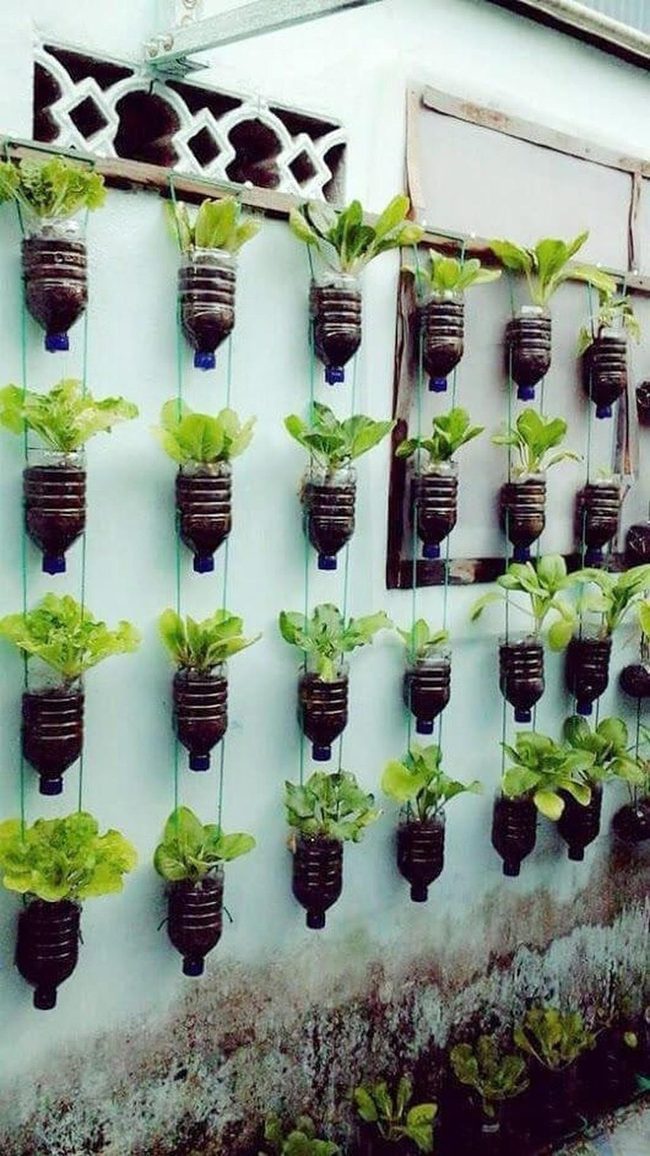
Suspended bottles transform your space into a living garden display that catches the eye and makes excellent use of vertical areas.
I really like that these hanging containers let you grow herbs, flowers, and vegetables in spots you might have thought were useless; like above a patio or along a fence line.
They work wonderfully for small balconies or tight yards where ground space is hard to come by.
You can position them near your kitchen window so harvesting fresh herbs becomes quick and easy.
Since bottles come in different shapes and colors, you get both function and visual interest at the same time.
Planting in suspended containers also brings greenery up to eye level, making your outdoor area feel more connected to your living space.
Whether you're growing mint for tea or colorful flowers for decoration, hanging bottles give you flexibility in how you use your garden.
Wooden Raised Garden Beds
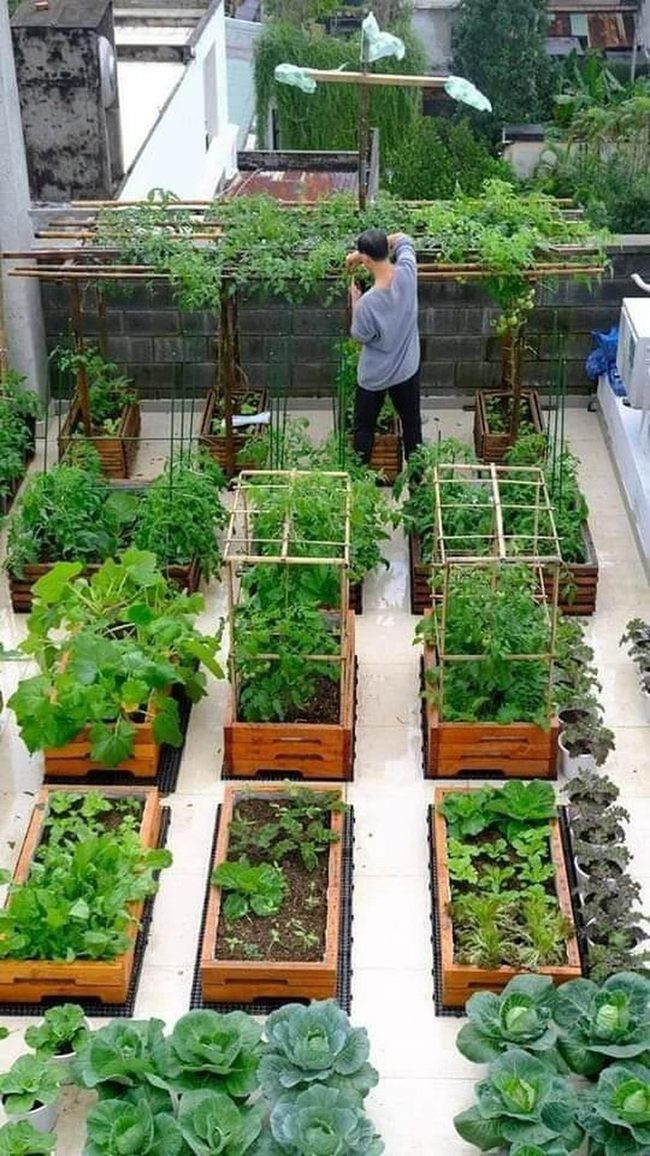
Raised beds give your garden a neat, organized look that makes tending plants far easier than dealing with ground-level soil.
Nothing beats how quickly these beds warm up when spring arrives, helping your plants bounce back fast after frost settles in at night.
We recommend picking untreated wood for the sides because it keeps harmful chemicals out of your soil and away from the vegetables or flowers you're growing.
You can enjoy fresh produce or colorful blooms without worrying about what's leaching into the earth.
Building one of these beds takes just a weekend, and once it's set up, you'll spend less time weeding and more time watching things grow.
It's a smart way to garden if you want good results without hours of back-breaking work in your yard.
Juan Martínez
Founder & Lead Designer
Expertise
Modern & Contemporary Decor, Gothic & Dark Aesthetic, Coastal & Beach Style, Farmhouse & Rustic Decor, Outdoor & Garden Design, Nursery & Kids’ Room Design, Kitchen and Bathroom Remodeling, Unique & Specialty Spaces, Living Room and Bedroom Styling
Education
Universidad de los Andes (Bogotá, Colombia)
Pontificia Universidad Javeriana (Bogotá, Colombia)
Juan Martínez, Founder & Lead Designer of columbia-artists.com, grew up in Bogotá, inspired by the city’s mix of old and new architecture. He studied Interior Design at Universidad de los Andes and earned an Advanced Interior Architecture Certification from Pontificia Universidad Javeriana.
With 10 years of experience, Juan has transformed homes across Colombia and beyond, blending modern design with cultural craftsmanship. Through columbia-artists.com, he shares expert tips and inspiration to help homeowners create spaces they love.
Outside of design, Juan enjoys exploring markets, mentoring designers, and celebrating Colombian artistry.